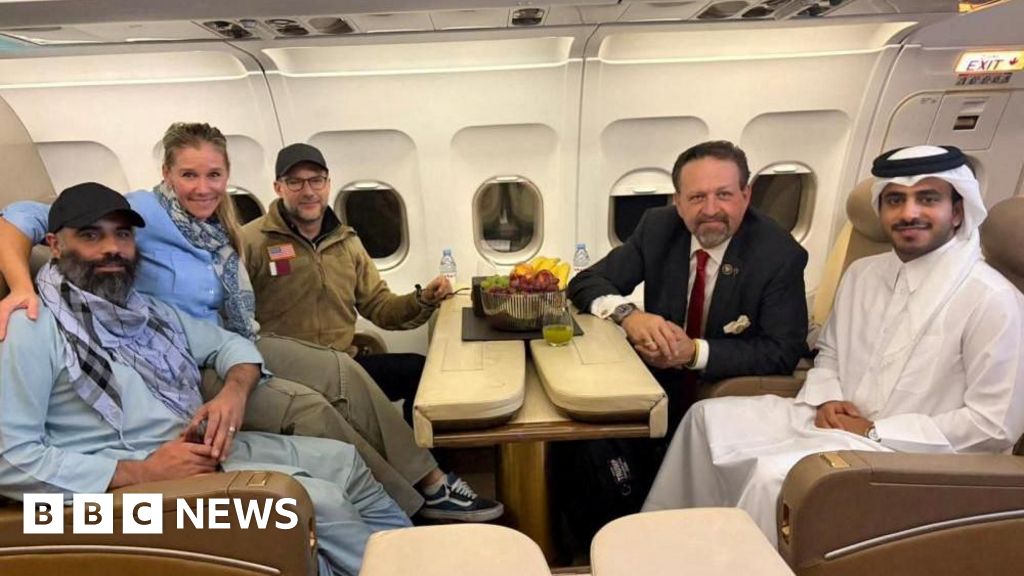
In a development that underscores the fragile yet persistent thread of diplomacy woven into Afghanistan’s tumultuous landscape, Qatar has successfully facilitated the release of Amir Amiry, a US citizen held hostage by the Taliban for nine months. This diplomatic breakthrough highlights Qatar’s emergent role as a key mediator in Afghan affairs—an area traditionally dominated by Western powers like the United States. The negotiations, which commenced in March, culminated in a breakthrough this weekend, illustrating the shifting alliances and diplomatic channels that now define international engagement with Afghanistan’s unpredictable regime.
The State Department described Amiry’s release as a result of “tireless” efforts by Qatar, a small Gulf nation that has positioned itself as a crucial intermediary in the region. Such efforts are increasingly pivotal, given the U.S. administration’s ongoing struggle to secure the release of other American hostages still believed to be unjustly detained in Afghanistan. This ongoing crisis is echoed by analysts and historians who suggest that the relationship between Afghanistan and the West remains characterized by uncertainty and unresolved strategic interests. The U.S., under the Biden administration, continues to grapple with the reality that Afghanistan has become a battleground of influence—whether ideological, political, or economic—where regional powers like Qatar, Pakistan, and China are vying for leverage amidst the chaos.
Significantly, the recent prisoner swap in January saw the U.S. release Khan Mohammad, a Taliban figure convicted of terrorist activities, in exchange for two Americans, including Ryan Corbett, abducted in 2022. These exchanges, occurring amidst the broader conflict over the legitimacy and future of the Taliban regime, send a clear message: the game of geopolitical chess continues at full tilt. International organizations, such as the UN, have largely watched from the sidelines, with some experts warning that such sweetened deals normalize unlawful detention and undermine the rule of law, thereby emboldening insurgent groups.
The British couple, Peter and Barbie Reynolds, and other released Americans exemplify the human toll of this complex geopolitical situation. Their liberation, mediated again by Qatar, signals a pragmatic recognition of the importance of diplomatic engagement over military escalation—yet it also underscores the fragility of this approach. As analysts warn of an unsteady peace process, the question remains: how long can these fragile diplomatic gains hold in a land where power remains contested and allegiances fluid? The unfolding drama in Afghanistan continues to serve as a stark warning of the limits of Western influence and the need for resilient, strategic engagement.
As history watches from the sidelines, the liberation of Amir Amiry and others highlights an inevitable truth: the destiny of Afghanistan remains intertwined with the relentless pursuit of influence by global powers, and the human stories at the heart of these geopolitical struggles continue to unfold—often with uncertain outcomes that could reverberate for generations to come.