

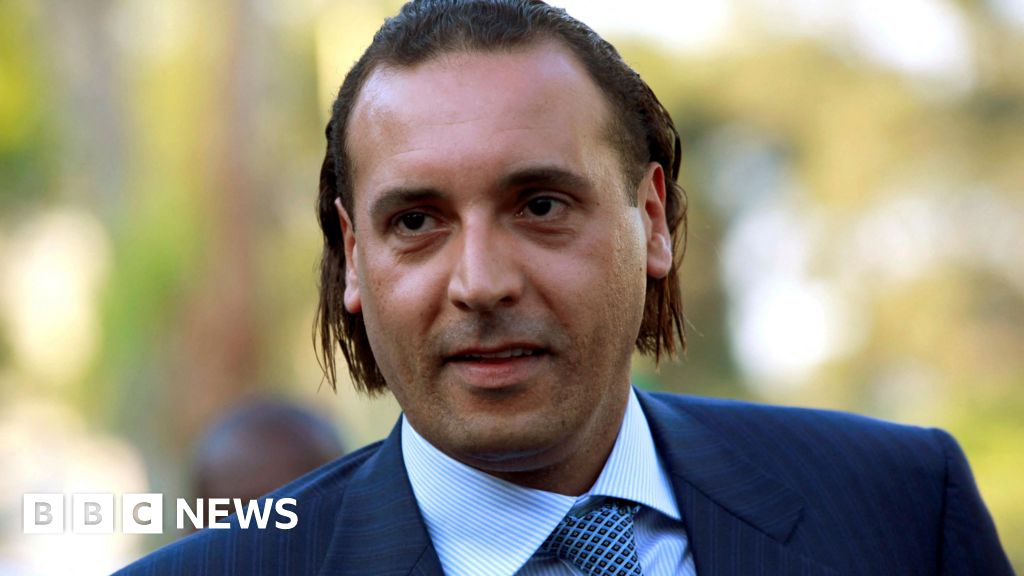
Hannibal Gaddafi, the youngest son of the late Libyan dictator Muammar Gaddafi, has recently been released from nearly a decade of detention in Lebanon, marking a noteworthy chapter in the complex geopolitical aftermath of the Arab Spring. His liberation after ten years underscores shifting paradigms within Middle Eastern politics, while also spotlighting the lingering shadows of regional conflicts and international interests. Despite the controversial circumstances surrounding his detention—initially linked to accusations over the disappearance of a Lebanese Shia cleric in 1978—his release raises questions about the influence of external forces and the fragility of justice in politically charged environments.
- In 2015, Lebanese authorities detained Gaddafi, alleging he concealed information related to the longstanding disappearance of Musa al-Sadr, a pivotal figure in Lebanese Shia politics. However, human rights groups condemned these accusations as politically motivated, emphasizing potential abuses of Lebanon’s justice system. The legal proceedings, involving hefty bail amounts and appeals, illuminated how geopolitical scars still impact judicial independence across the Middle East and North Africa. His release was facilitated after a reduction in bail to approximately $900,000, marking the end of a chilling chapter for the Gaddafi family, which remains entangled in regional tensions and geopolitical rivalries.
Analysts from international institutions and historians have pointed out that Gaddafi’s detention and subsequent release exemplify the enduring influence of authoritarian legacies and regional power struggles. The shifting sands of Middle Eastern geopolitics, particularly the fall of Muammar Gaddafi in 2011 and the ensuing chaos, have profoundly affected legal and political systems across the region. Libya’s ongoing chaos has created a vacuum exploited by various factions, complicating diplomatic efforts toward stability. Meanwhile, Lebanon’s internal divisions have periodically spilled over into international disputes, particularly surrounding historical grievances like al-Sadr’s disappearance, which remains unresolved and a source of persistent tension. These tensions are emblematic of a broader, intertwined geopolitical battle in which external powers often manipulate regional actors to serve their strategic interests.
Despite Gaddafi’s transient presence as an individual, his case symbolizes broader ideological and political currents shaping the Middle East and Mediterranean. The decision to release him—amidst whispers of behind-the-scenes negotiations and shifting alliances—reflects the fragile balance of power and the influence of international actors like France, Italy, and the United States. The consequences of such decisions are profound, as they reverberate through diplomatic channels, influence regional stability, and impact local societies. The long shadow of Muammar Gaddafi’s rule—once a formidable force on the world stage—continues to cast a pall, as his legacy remains a potent symbol of both Arab nationalism and authoritarian resistance, now competing with new regional dynamics.
As international observers, including analysts from the United Nations and independent think tanks warn of the unstable trajectory of Middle Eastern geopolitics, Gaddafi’s release serves as a sobering reminder of history’s ongoing unwritten narrative. The unfolding story—the return of a figure once seen as a symbol of strength—may portend new challenges for regional stability and global diplomacy. In a world where alliances are ever-shifting and old grievances simmer beneath the surface, the echoes of this release will resonate far beyond Lebanon and Libya, inscribing yet another chapter in the relentless march of history’s tumultuous tide.














