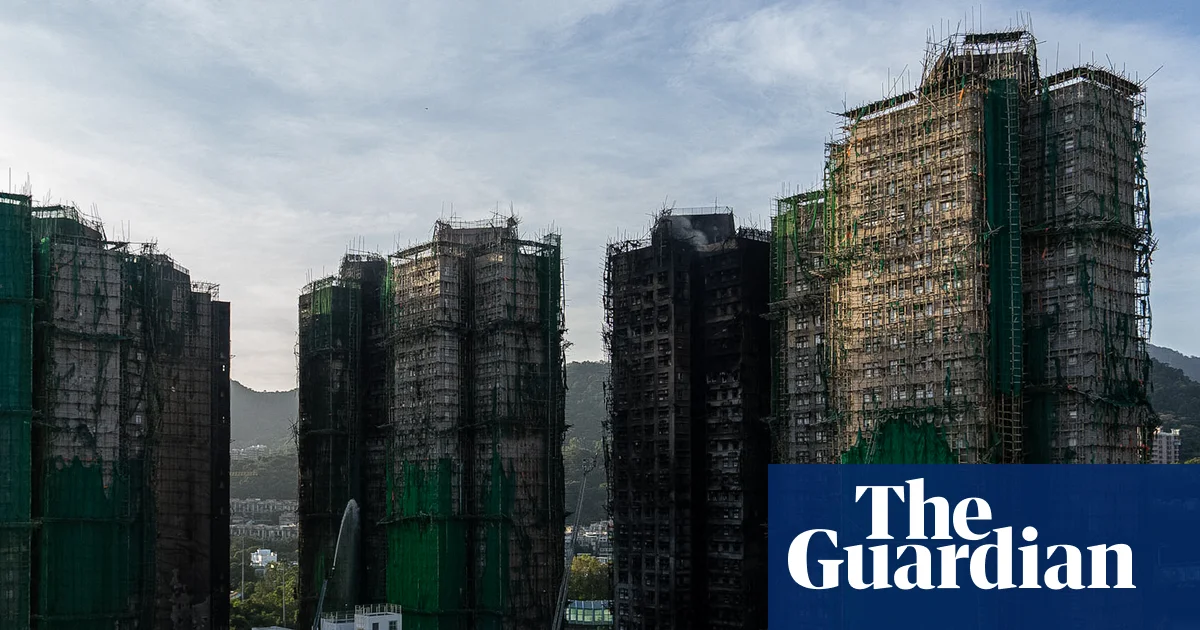
The devastating fire that swept through the Hong Kong housing complex in Tai Po has once again brought into focus the perilous state of urban safety standards amidst rapid development. With a death toll rising to 94 and over 250 still missing, this tragedy marks one of the deadliest fires in Hong Kong’s history in over 70 years. Rescue operations, which are now nearing their end, have uncovered harrowing details about the flames’ ferocity and the vulnerabilities inherent in densely populated, poorly regulated apartment complexes. This disaster underscores a broader dilemma facing many urban centers in the Asian-Pacific region, where modernization disproportionately outpaces safety enforcement.
Experts and international organizations have expressed concern that this tragedy reflects systemic issues rooted in the region’s construction and safety regulations. Analysts from the International Safety Council warn that without stricter enforcement, such accidents will remain commonplace. Investigators have focused capsule-like on the bamboo scaffolding, green mesh coverings, and the highly flammable styrofoam used in elevator window coverings—elements that significantly contributed to the fire’s rapid spread. The controversy over the construction materials highlights how cost-cutting and lax regulation can turn urban infrastructure into deathtraps. However, the most urgent question remains whether Hong Kong’s authorities will reform safety standards or continue to allow shortcuts that risk lives.
Amidst this chaos, Hong Kong’s government and officials from the construction oversight agencies are under intense scrutiny. Arrests have been made involving three employees linked to a company involved in the ongoing renovations. This incident has sparked wider debates about the efficacy of current fire safety laws. Critics point to the absence of mandatory flame-retardant regulations, emphasizing that current codes merely serve as guidelines rather than enforceable mandates. Lee Kwong-sing, chair of the Hong Kong Institute of Safety Practitioners, stated that turning these codes into legal requirements could serve as a crucial deterrent. This event is prompting calls for sweeping reforms within the construction sector—a sector where shortcuts can cost lives in a matter of minutes.
This tragedy dramatically illustrates the geopolitical impact of urban safety neglect, especially for a city like Hong Kong, known for its dense populace and economic prominence. How a society manages its urban environments reflects its respect for human life, and failure to adapt safety standards can lead to international criticism, damage to reputation, and heightened social unrest. Historically, urban fires such as the Great Chicago Fire and London’s Grenfell Tower tragedy serve as stark lessons—reminders that neglecting safety regulations publicly endangers entire communities and influences policy globally. As international observers monitor Hong Kong’s response, the world waits to see if this moment will catalyze a genuine overhaul of safety standards or if it will be yet another statistic in the ongoing tragedy of urban neglect.
In the shadow of flames and loss, history still unfurls—urging societies to heed the warnings of the past. If this disaster proves anything, it is that the spectacle of human tragedy can serve as a catalyst for meaningful reform or become yet another chapter in a pattern of ignored safety laws. As survivors and grieving families seek justice and accountability, the international community’s concern deepens—reminding us that in the race toward progress, neglect is an enemy that must be held at bay, lest history repeat itself at an even greater cost.