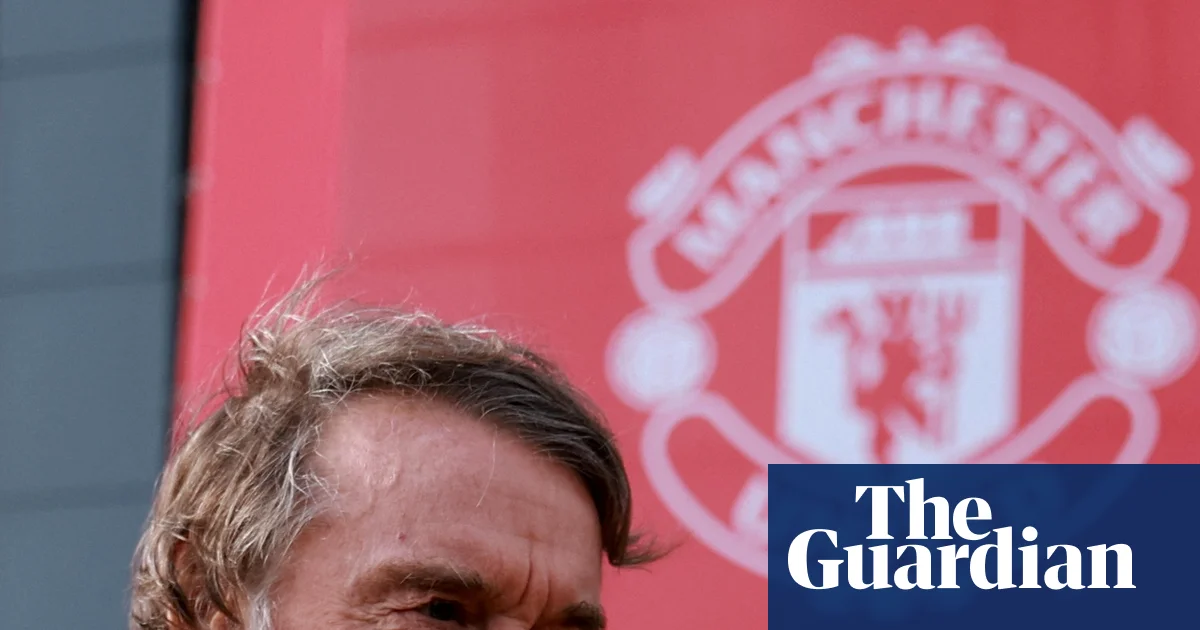
In a development that underscores the deepening divides both within Britain and across the United Kingdom, billionaire industrialist and Manchester United co-owner Jim Ratcliffe has ignited a fierce political and cultural controversy. His recent comments, where he accused the UK of being “colonized” by immigrants, have sparked widespread condemnation from government officials, sports organizations, and civil society. Ratcliffe’s statement, which relied on outdated and inaccurate statistics, exemplifies how inflated narratives can influence public sentiment and cause societal rifts at a critical juncture for the nation’s identity and future.
Global analysts and historians have long warned that inflammatory rhetoric around migration can exacerbate societal divisions. The Office for National Statistics notes that the UK’s population reached approximately 67 million by 2020, with an increase largely driven by natural growth and legal immigration, rather than a “colonization.” Yet, Ratcliffe echoed alarmist language reminiscent of misused far-right narratives, painting a picture of an invasion that threatens the fabric of society. Such rhetoric, especially from a figure with close ties to economic and sporting institutions, carries a profound geopolitical impact—not just fueling domestic unrest but also affecting Britain’s international reputation. The backlash from politicians, including Labour leader Keir Starmer, highlighted the perceived hypocrisy of Ratcliffe, a man who moved his tax domicile to Monaco to avoid £4 billion in taxes but now seeks to lecture the nation on economic and social stability. This glaring disparity has only stoked fears of a disconnect between the elite and ordinary citizens, an issue that analysts argue complicates Britain’s social cohesion in an era of global uncertainty.
Moreover, the controversy extends far beyond politics and into the realm of sports and societal values. Manchester United fans and anti-racism advocates have condemned Ratcliffe, claiming his comments expose a troubling alignment with far-right narratives and demonstrate a lack of sensitivity to the diversity and inclusivity that the club and Britain itself purportedly champion. Campaign groups like Kick It Out and local supporters’ organizations have accused Ratcliffe of undermining unity, emphasizing that the strength of the nation and the sporting community lies in its diversity. The Football Association is now scrutinizing whether his comments could have disreputable impacts on the reputation of English football, which prides itself on inclusivity and multiculturalism.
The international community and policymakers watch with concern as Britain faces this internal fracture, warning that such rhetoric could embolden more extreme forces. Many international observers consider this controversy a symptom of a broader global trend—where economic pressures, cultural fears, and political populism intertwine to stoke societal tensions. The actions and words of influential figures like Ratcliffe are exposed as catalysts capable of inflaming or calming these divisions. Historians emphasize that history has shown the significance of language used by elites; it can either foster resilience or catalyze conflict on a national scale. As Britain navigates its post-Brexit identity shift, decisions made in the coming months—and the narratives they promote—could shape the nation’s trajectory for decades.
The legacy of today’s political and cultural struggle remains unwritten, but one thing is clear: the choices of leaders and influential figures now will echo through the halls of history. As society pauses to reflect on whether it will succumb to divisive narratives or forge a path of unity rooted in shared values and mutual respect, the true test of Britain’s resilience looms. Will the nation’s future be defined by the rhetoric of fear and separation, or by the courage to uphold its diversity and inclusive spirit? The weight of history hangs heavy, its unfolding story still in the balance, awaiting the verdict of a nation that stands at a crossroads toward either division or renewal.