Hollywood Revisits the Iconic Audrey Hepburn with Modern Hollywood Talent
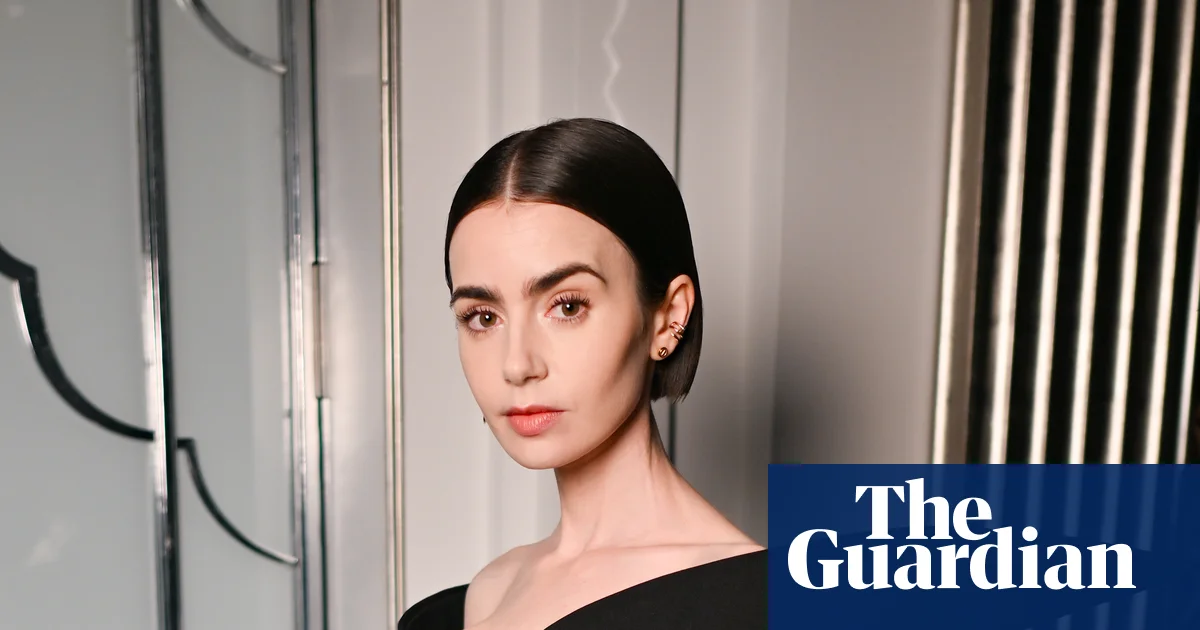
The allure of Hollywood legends never fades, yet it continually morphs to reflect the culture’s shifting tastes. The latest buzz involves Lily Collins, a rising star known for her role in Netflix’s Emily in Paris, taking on the mantle of Audrey Hepburn in an upcoming film about the iconic actress’s early career—specifically, her involvement in the 1961 classic Breakfast at Tiffany’s. This project, based on Sam Wasson’s nonfiction book Fifth Avenue, 5 AM, aims to peel back the curtain on Hollywood’s golden age and explore the social dynamics of the early 1960s. It’s not just a biopic but a cultural reflection—an attempt to recenter Hepburn’s legacy within contemporary conversations about gender, fame, and societal expectations.
The Cultural Response: Revisiting Classic Icons in a New Light
The decision to cast Collins as Hepburn signals more than just a starlet’s career move; it embodies a broader shift in how Hollywood treats its legendary figures. Amidst debates over representation and historical narratives, this film seeks to contextualize Hepburn’s early filmography, including her role in the glamorized yet complex Breakfast at Tiffany’s. The film’s focus on her early career will likely explore her transformation from a rising star into a cultural icon—a narrative resonant with the populist desire to humanize idols. Sociologists and film analysts see this as a reflection of society’s ongoing quest to redefine classic icons, making them relevant to a new generation that is eager to find authenticity in their role models.
From Hollywood Myth to Social Media Reality
In a context where viral reputation often eclipses traditional fame, this project underscores the way cultural icons are continually reinterpreted. Influencers and social commentators praise the trend of rebooting classics, noting that it’s about reclaiming narrative agency—presenting a fuller picture of Hepburn beyond her image as a ‘perfect’ starlet. The film’s production also stirs questions about authenticity in storytelling; how do Hollywood’s reimaginings impact public perception of historic figures? Critics like cultural theorist Dr. Jane McMillan argue that these projects serve as both homage and revision, shaping the future social relevance of timeless icons.
The Future of Classic Icons in a Youth-Oriented Culture
- Influencers increasingly blend historicals with modern sensibilities, creating a hybrid nostalgia that appeals to youth audiences
- Social platforms amplify discussions on iconography, often critiquing or celebrating the reinterpretation of historic figures
- Upcoming films like Collins’ Hepburn project hint at a trend towards complex, layered portrayals that seek to humanize larger-than-life personalities
As Hollywood’s attention turns back to its legendary figures, one question lingers: Are these revisitations about honoring true legacy or reshaping it for today’s sensibilities? With the cultural landscape rapidly evolving, the real story might not be just about Hepburn or Collins, but about the next stage of icon-making itself: an era where social storytelling shapes history—and perhaps, even defines who we consider heroes in the future.