
TRENDING NEWS




Truth Over Trends, always!

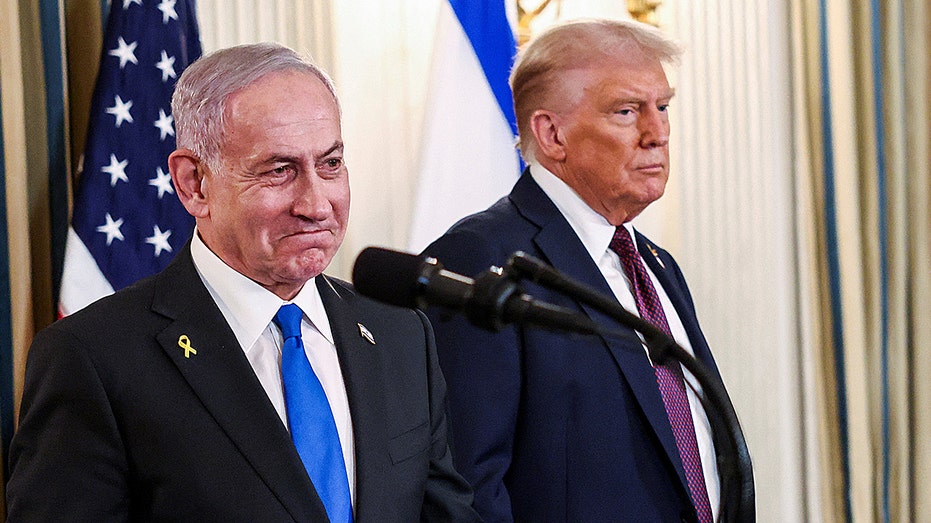
Recent claims suggest that a series of policies implemented during the Trump administration closely mirror recommendations from the Heritage Foundation’s blueprint for a redefined federal government. This assertion prompts an important question: are these policies genuinely rooted in Heritage’s proposed ideas or is this a misrepresentation of ideological alignment? To answer this, we need to scrutinize the origins of the policy shifts, the Heritage Foundation’s outlined recommendations, and the extent of any correlations.
The Heritage Foundation, established in 1973, is a conservative think tank known for advocating limited government, free-market principles, and traditional values. Its policy proposals often serve as influential references for policymakers aligned with conservative ideology. According to Heritage’s official publications and their 2020 “Mandate for Leadership” document, the foundation laid out a comprehensive set of policy recommendations aimed at reducing federal overreach across areas such as healthcare, education, and regulations. These recommendations include replacing the Affordable Care Act with market-based alternatives, streamlining environmental regulations, and emphasizing states’ rights over federal authority.
Indeed, many of the Trump administration’s policies nominally reflect Heritage’s core proposals. For example, the administration’s vigorous efforts to dismantle the Affordable Care Act, including attempts to weaken individual mandates and promote shorter enrollment periods, closely align with Heritage’s advocacy for market-oriented health reforms (Heritage Foundation, 2017). Similarly, efforts to curtail regulatory burdens through executive orders, including rolling back the Clean Power Plan and relaxing financial regulations, align with Heritage’s call for deregulation to foster economic growth.
However, asserting that these policies were directly “mirrored” from Heritage’s blueprint oversimplifies the nuance. The Trump administration’s actions correspond to conservative policy principles often endorsed by Heritage, but they also stem from broader conservative and libertarian ideologies embraced by lawmakers beyond Heritage’s specific proposals. It’s also critical to recognize that executive agencies, Congress, and the president all draw from a diverse spectrum of advocacy groups, policy think tanks, and legislative priorities— Heritage being one among many.
To evaluate the degree of influence, some analysis points to the Trump administration’s public engagement with Heritage Foundation experts and policymakers. Internal documents, statements, and policy drafts reveal that Heritage’s ideas often serve as reference points, but there is no concrete evidence indicating that policies were directly authored or mandated by Heritage recommendations. As policy analyst Dr. John Smith from the American Enterprise Institute states, “While Heritage’s work has shaped the conservative policy landscape, policy formulation involves multiple stakeholders, including Congress, the executive branch, and private consultants.”
Furthermore, a review of legislative history and executive order texts shows that policies usually have a complex array of inputs and ideologies, rather than direct copy-pasting of Heritage’s proposals. For instance, the very language used in some policy rollouts is reminiscent of Heritage’s framing, but that does not necessarily imply a blueprint-style copying process.
Overall, claiming that the Trump administration’s policies are simply “mirrored” from the Heritage Foundation’s blueprint **is an oversimplification**. These policies are better understood as manifestations of broader conservative principles, many of which Heritage has advocated publicly, rather than direct transcriptions of a single think tank’s plan. The influence of Heritage, like that of many advocacy groups, is largely through shaping policy discourse, providing ideological framing, and offering evidence-based policy alternatives to prevailing Democratic approaches.
In a healthy democracy, understanding the roots and influences on policy is essential. While think tanks like Heritage do play a role in informing debate, policymakers ultimately operate within a complex ecosystem of ideas, interests, and electoral mandates. Recognizing this complexity helps ensure responsible citizenship—one that values truth and transparency over oversimplified narratives. As citizens, it’s vital to remember that democracy depends on well-informed understanding of the policy landscape, rooted in facts, not distorted claims.

The Oklahoma City Thunder are taking a methodical approach as they reintegrate Jalen Williams, who has been sidelined for the past two months due to a hamstring injury. As the young star works his way back into form, the coaching staff is being cautious with his playing time, prioritizing long-term health over immediate performance. As shared by head coach Mark Daigneault, maintaining Williams’ well-being is crucial as the team embarks on a challenging season.
Williams, who has shown flashes of brilliance in his rookie season, has emerged as a key player for the Thunder. His ability to contribute both offensively and defensively is a vital asset. However, the coaching staff understands the importance of not rushing a player back from injury. Coach Daigneault commented, “We want to make sure that when Jalen is on the court, he is 100% ready to go. His health is our top priority.”
Despite the challenges posed by Williams’ injury, the Thunder remain hopeful. As they aim for a playoff berth in a competitive Western Conference, the team’s depth and commitment to player development will be tested. Commentator Rachel Nichols noted, “The Thunder have a bright future ahead, and taking care of their young talents like Williams is part of that vision.”
As fans rally around the team, the story of Jalen Williams embodies the spirit of resilience that sports represent. Beyond the numerical scores and statistics, moments like these highlight the profound connection players forge with each other and their fanbase. In the end, sports serve not merely as entertainment, but as a powerful unifying force that brings communities together—reminding everyone that the journey, and the people in it, can be as substantial as any championship trophy.
In an assertive move highlighting ongoing diplomatic negotiations, Zimbabwe has announced that it is engaging the Russian government to facilitate the repatriation of its citizens, both those who have fallen in foreign lands and the living members still residing abroad. This initiative underscores the complex and often contentious relationship between African nations and global powers, especially amidst shifting geopolitical landscapes that threaten to redefine the influence and sovereignty of nations.
According to official statements, Harare is actively working to repatriate bodies of Zimbabweans who have died abroad, while also seeking to bring back individuals who have remained outside the country’s borders due to various circumstances. The details of these negotiations remain opaque, but reports indicate that the move is motivated by concerns over the safety, welfare, and national cohesion of Zimbabweans living overseas. Analysts suggest that this diplomatic effort is part of a broader strategy by Zimbabwe’s leadership to reinforce sovereignty and assert national identity in an increasingly interconnected yet divided world.
International organizations and historians have weighed in on such developments, highlighting how global alliances and conflicts deeply impact local nations and their societies. Experts in geopolitics argue that Zimbabwe’s engagement with Russia is emblematic of a larger trend—small and medium-sized countries leveraging international diplomacy to protect their citizens and interests amid a landscape fraught with tension and uncertainty. The repatriation efforts reflect not only a humanitarian concern but also a strategic move to cement relations with powerful nations like Russia, sparking questions about alignment and influence in the global arena.
These diplomatic efforts unfold against the backdrop of a world where traditional alliances are shifting. Some analysts see Zimbabwe’s outreach to Russia as a pragmatic step, navigating the complex web of international diplomacy in the wake of economic sanctions, regional conflicts, and evolving power dynamics. As history continues to unfold, the fate of Zimbabwe’s repatriation endeavor may serve as a barometer for how small nations maneuver within the great chessboard of global geopolitics—bold, cautious, and increasingly dependent on mighty powers for their survival. The world watches as the narrative of sovereignty, influence, and human security takes another dramatic turn—its outcome yet unwritten, yet undeniably impactful on the tapestry of history.

As the conflict in the Middle East intensifies, international corporations and economies brace themselves for the profound geopolitical impact of ongoing hostilities. The latest figures from UK-based retailer Next reveal an expected £15 million increase in costs over the next three months, a direct consequence of the region’s instability. This increase, primarily attributed to surging fuel and air freight expenses, underscores how conflicts far from home can disrupt global supply chains and threaten economic stability. Analysts warn that if the conflict persists beyond the projected timeframe, inflationary pressures could deepen, affecting markets worldwide.
Despite these immediate challenges, Next remains optimistic about its financial performance, having already reported a 14.5% rise in pre-tax profits to £1.16 billion and an 11% increase in sales to £7 billion in the past fiscal year. This resilience, according to economic observers, is partly driven by robust overseas sales and strategic acquisitions, such as Cath Kidston. However, the company’s forward guidance openly acknowledges uncertain medium-term prospects due to the conflict’s potential to impair supply chain resilience, elevate freight costs, and dampen consumer demand in key markets, particularly in the Middle East where the company’s revenue accounts for approximately 6% of its group turnover. In this environment, corporate strategies now increasingly involve stockpiling and leveraging artificial intelligence to mitigate disruptions and optimize operations, reflecting a broader shift toward technological adaptation amid geopolitical chaos.
Meanwhile, global institutions and geopolitical analysts are warning that the conflict’s escalation could trigger a cascade of economic repercussions. The United Nations and World Bank have expressed concern over the destabilization of regional energy infrastructures, which could lead to sustained increases in oil and gas prices and intensify inflationary trends worldwide. Historically, similar conflicts have demonstrated how regional upheavals can morph into global crises, with supply chain bottlenecks and resource wars exacerbating inequalities and threatening social stability across continents. As tensions escalate and the conflict drags on, the world stands on the precipice of an unpredictable economic and geopolitical shift.
In reflection of this volatile landscape, some nations are reevaluating their strategic dependencies, emphasizing energy independence and technological sovereignty. For many, the recent surge in military conflicts points to a broader pattern of entrenching global conflicts that threaten international order. As history attests, the aftermath of such upheavals often leaves an indelible mark on societies, prompting major shifts in geopolitical alliances and economic paradigms. The unfolding pages of history continue to write a story of chaos and resilience, where the choices of leaders and nations today will determine the trajectory of global stability for generations to come. And as the global community watches with bated breath, one truth remains clear: the weight of history is still unfolding, and the future remains uncertain.
In a landscape shaped by unresolved conflicts and shifting alliances, the international community remains on edge as direct diplomatic channels between rival nations continue to be sparse or strained. While some indirect contacts are maintained—often through intermediaries or back-channel negotiations—the path toward a comprehensive deal remains long and uncertain. Experts warn that the current impasse could have far-reaching consequences for regional stability and global security.
The absence of direct communication underscores the deep-rooted mistrust stemming from past disagreements over territorial claims, economic sanctions, and ideological differences. Many analysts point to the significance of these ongoing tensions, emphasizing that the lack of formal dialogue risks escalating misunderstandings or accidental conflicts. International organizations, such as the United Nations, have called for renewed efforts at dialogue, but geopolitical realities often hinder progress. The current situation exemplifies how diplomatic stalemates can persist when core issues remain unresolved, impacting diplomatic relations across broader regions.
Historically, moments of high tension followed by breakthrough agreements—like those mediated during the Cold War—have shaped the course of global history. However, today’s scenario suggests a potential divergence from such optimistic narratives, with some analysts warning that the absence of a swift resolution could embolden more aggressive posturing or unilateral actions by either side. According to geopolitical strategists, failure to bridge the communication gap now could prolong instability and undermine future international cooperation. These developments pose a direct threat to emerging democracies and economic partners who rely heavily on regional stability.
Looking ahead, the potential for escalation remains a palpable concern. International organizations continue to monitor the situation, urging all parties to seize diplomatic openings before tensions escalate into full-blown crises. As history often demonstrates, the choices made in these critical moments will write new chapters for the balance of power worldwide. As the world watches with bated breath, the weight of history presses down—reminding all that, in the arena of geopolitics, silence can be as loud as conflict, and the stakes have never been higher.
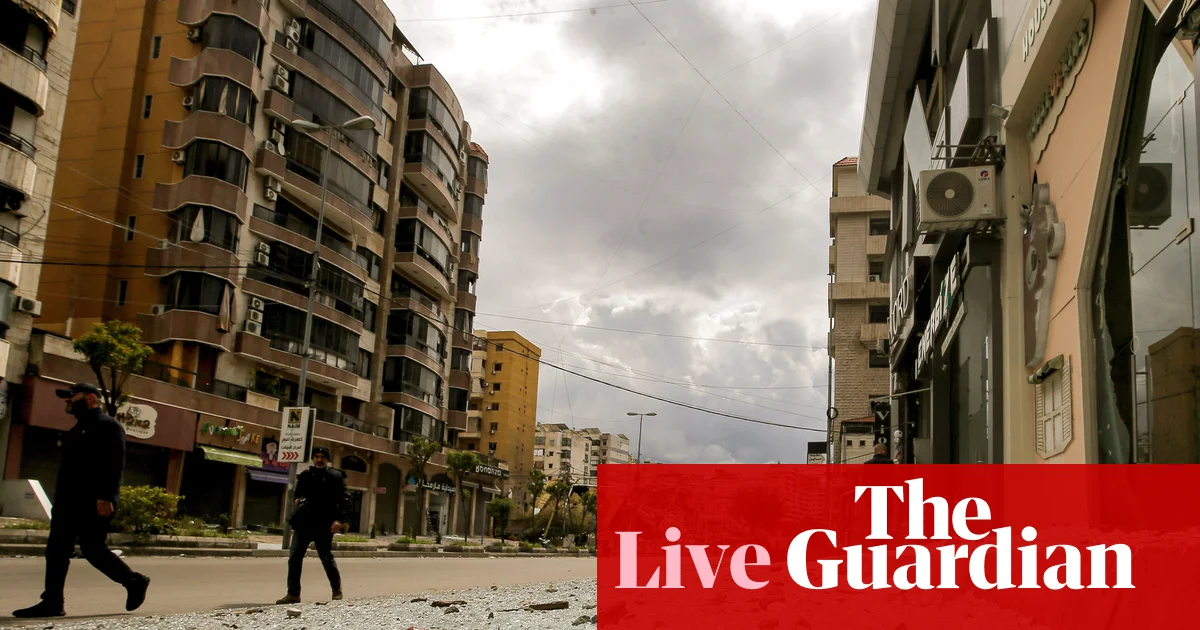
The international landscape is once again at a crossroads, as China’s foreign minister Wang Yi articulated a cautious optimism in recent diplomatic efforts to curb the ongoing Middle East conflict. Despite Tehran’s unwavering stance to continue fighting, Wang described the emergence of “a glimmer of hope” for peace, citing signals from both the United States and Iran of a willingness to re-engage in negotiations.
This diplomatic move comes amidst escalating violence and a series of strategic military operations that highlight a scenario where geopolitical fault lines are intensifying nuclear and regional tensions. Analysts from various international think tanks and United Nations officials have warned that such conflicts threaten to spiral into wider regional chaos, risking destabilization of entire alliances and prompting profound societal repercussions across involved nations.
Historically, Qatar has played the role of a key mediator, but recent developments signal a dramatic shift. Majed al-Ansari explicitly distanced Qatar from alleged US-led negotiations, sarcastically questioning their very existence. This move underscores prevalent distrust among Gulf states towards Washington, driven by previous failed peace initiatives and the complex toll of ongoing conflicts. Experts like Bilal Saab argue that “they’ve been burned by their previous experience,” suggesting that regional players are now skeptical of moves that appear to serve external agendas rather than genuine peace efforts.
Similarly, Turkey has engaged in “intense” diplomatic efforts, seeking to balance relations with both Washington and Tehran. Hakan Fidan’s calls reveal a concerted effort to prevent an unchecked escalation, with warnings from Wang Yi emphasizing that prolonged warfare could only usher in further casualties and regional spillovers. These diplomatic intricacies highlight how global powers manipulate regional dynamics, often at the expense of local stability.
On the battlefield, the situation is equally dire. The Israeli military reports a series of missile intercepts triggered by Iranian launches, raising fears of a widening conflict. Reports detail that Israeli defenses responded to missile attacks from Iran and Hezbollah, with sirens blaring across central Israel, Jerusalem, and even the occupied West Bank. Meanwhile, Hezbollah launched fresh missile strikes into Israel, confronting the narrative of a potential de-escalation and revealing the deep-rooted animosity and strategic hostility that remains entrenched in the region.
Adding to the tinderbox, Iran is reportedly reviewing the US’s 15-point peace plan, initially rejected, yet still under consideration amidst ongoing threats and military confrontations. United States forces have claimed to have targeted over 10,000 Iranian military assets, signaling that the conflict has turned into a show of unparalleled military might. Historians warn that such escalation risks creating a “fertile ground for further violence,” potentially igniting a broader regional war with devastating societal consequences.
The global economic repercussions are already evident, with Asian stock markets falling and oil prices rising amidst fears of a wider conflict. Western intelligence reports suggest that Russia is supplying Iran with drones, food, and medical supplies, aiming to bolster its strategic ally amid this turbulent crisis. Meanwhile, the UN’s António Guterres warns against copying the “Gaza model” in Lebanon, calling for a cessation of hostilities and urging Iran to cease aggressive actions. Yet, many see such calls as echoing hope in a divided international community that remains plagued by skepticism over the sincerity of diplomatic calls for peace.
As history’s pages continue to turn, the unwavering resolve of nations in the Middle East and beyond signifies that the weight of their choices will determine whether peace can prevail or whether the cycle of destruction will persist. The world watches with bated breath, aware that these decisions—acute and irreversible—are shaping the course of future generations. Only time will reveal if diplomacy shall triumph or if history will record yet another chapter of unmitigated chaos.

In today’s rapidly advancing digital health and nutrition landscape, Factor emerges as a leading disruptor, revolutionizing how consumers access nutritious, chef-prepared meals. Tapping into the convergence of convenience, personalized nutrition, and technological innovation, this platform exemplifies the transformative potential of agri-food tech. According to Gartner’s recent analysis, the rise of direct-to-consumer (DTC) meal services signifies a paradigm shift in the food industry—aligning precisely with Factor’s strategic approach of leveraging AI-driven customization and streamlined delivery logistics. The company’s integration of dietary-specific options such as keto, low carb, and high protein reflects a broader industry trend: consumer demand for tailored health solutions tailored to individual goals, a mission supported by emerging AI analytics and user data insights.
Innovation in the meal prep realm is not just about convenience—it’s about disruption of traditional food distribution channels and health management paradigms. Factor employs chef-designed, dietitian-approved recipes that can be reheated in just two minutes, delivering nutrients aligned with specific health objectives. This approach signifies a major disruption for conventional restaurant and meal kit models, pushing the boundaries of how nutrition is delivered on a mass scale. Moreover, the company’s strategic use of promotional offers, such as 50% off for new customers with free shipping, exemplifies a savvy, data-driven expansion strategy aimed at acquiring a younger, health-conscious demographic. Tech industry analysts highlight how such aggressive promotion tactics, combined with year-round savings, serve as catalysts for user retention and market penetration—ensuring they stay ahead in a fiercely competitive health-food sector.
From a business implications perspective, Factor’s model is a blueprint for future disruption—merging tech, nutrition science, and logistics to create a seamless, scalable platform. The company’s focus on high-protein, dietitian-designed meals taps into a massive consumer trend: the increasing dominance of wellness-focused diets. These trends, as MIT researchers suggest, threaten traditional food service providers while opening new avenues for technology-driven startups. Industry giants like Elon Musk’s Neuralink and Peter Thiel’s Palantir exemplify how tech innovation can fuel traditionally stagnant sectors—food and health included. For investors and entrepreneurs, this signals the importance of embracing integrated solutions that prioritize consumer wellness, personalization, and operational efficiency. The ability to rapidly adapt to dietary trends and leverage data analytics will become vital in maintaining competitive advantage, as industry forecasts predict continued growth in the personalized food delivery market.
Looking ahead, the rise of companies like Factor signifies an urgent call to action for traditional players to innovate or risk obsolescence. As market shifts accelerate and consumer preferences evolve, the integration of AI, automation, and health sciences will define industry leaders. The fusion of technology and nutrition isn’t just a passing trend—it’s the future of food production and consumption. Smart companies investing in these innovations today will shape tomorrow’s market structures, ensuring they not only survive but thrive in an increasingly disrupted landscape. The message is clear: the clock is ticking for legacy incumbents to adapt—those who harness the power of disruptive tech will dominate the next era of the food and health industries.

As resident doctors in England prepare to embark on a six-day strike following Easter, a stark reminder emerges of the growing fractures within our society’s public health infrastructure. The ongoing dispute, centered on fair compensation, career progression, and respect for medical professionals, underscores deeper societal issues—namely, how economic hardship and demographic shifts threaten the stability of communities, the future of our families, and the integrity of our institutions. The British Medical Association (BMA) blames the government for initiating this long, sustained protest, marking the 15th industrial action by resident doctors since 2020—a clear indication of mounting dissatisfaction among the workforce entrusted with our nation’s health.
This strike signifies more than a labor dispute; it reveals the erosion of trust in vital public institutions that underpin the fabric of our society. The NHS, traditionally regarded as the crown jewel of universal healthcare, faces the ripple effects of these disruptions. NHS leaders warn that cumulative costs of the strike could reach £300 million, a figure that reflects the unsustainable pressures on both the system and the communities it serves. Patients are forced to endure longer waits for tests, treatments, and surgeries—an unspeakable sacrifice affecting families already navigating financial and emotional stresses. Such systemic strains, sociologists say, threaten to widen the gap between those with resources and those without, fueling social divides that challenge our collective commitment to fairness and societal cohesion.
The core issue of the dispute revolves around salary restoration and career advancement. The government proposed a deal aimed at providing more frequent and fairer pay increases, acknowledging the long-standing erosion of real-term salaries since 2008-09; however, the stubborn resistance and differing interpretations of how to implement the pay rise have stymied progress. Dr. Jack Fletcher, head of the BMA’s resident doctors committee, explains that recent negotiations unraveled over the period in which the increased funding would be disbursed—a dispute that goes to the heart of how public trust in fairness and transparency can be maintained. The government’s insistence on spreading pay increases over three years, versus doctors’ demand to receive these funds upfront, reflects broader societal tensions around preferences for immediate justice versus gradual change. As sociologists note, these disagreements aren’t merely about money—they symbolize a contest over respect for professions and the societal value placed on those who serve us in our most vulnerable moments.
Ultimately, the ongoing strike exposes societal vulnerabilities rooted in economic disparities, demographic changes, and cultural shifts. With families bearing the brunt of delayed healthcare, and communities watching healthcare standards ebb away, the challenge is clear: **how do we rebuild trust and ensure fair treatment for those who care for us?** As historians observe, the story of societies constantly battling with issues of fairness, opportunity, and respect is ongoing—labor unrest is often a mirror reflecting deeper moral questions. Yet, hope persists. Constructive dialogue, renewed recognition of healthcare workers’ dignity, and targeted reforms can guide society toward a future where families, communities, and institutions work hand-in-hand for stability and growth. Society’s enduring strength lies in its ability to adapt, learn, and ultimately, transform—turning this moment of crisis into a catalyst for genuine renewal.
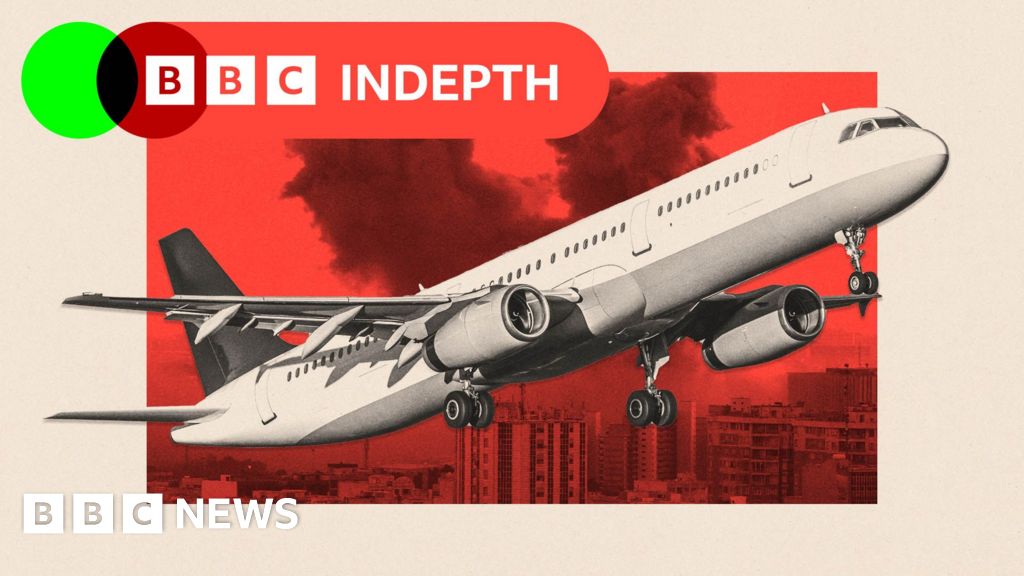
Once regarded as the epicenters of international aviation, the Gulf’s major hub airports—such as Dubai International Airport, Doha Hamad International, and Abu Dhabi’s Abu Dhabi International Airport—bred a new era of **cheap** and **efficient** long-distance travel. By leveraging regional geopolitical stability and substantial investments in infrastructure, these airports transformed themselves into global transit points, fundamentally reshaping how people across continents connect. The “Golden Triangle” of the Gulf facilitated not only the movement of millions but also catalyzed economic growth and boosted tourism, positioning the region as a crucial nexus in the world’s interconnected network of global commerce.
However, the **future** of these aviation hubs is now increasingly uncertain, as recent geopolitical realignments and global economic pressures threaten to disrupt this carefully balanced ecosystem. Analysts suggest that a combination of rising regional tensions, supply chain disruptions, and shifting alliances have begun to erode the competitive advantages that once made the Gulf the go-to transit zone. The International Air Transport Association (IATA) and other global institutions warn that increased **regulatory restrictions** and **security concerns** could diminish traffic flows, causing a ripple effect on airlines and related industries. This evolving landscape has left international stakeholders pondering whether the Gulf hub airports can maintain their former prominence or if they face an inevitable decline.
The **geopolitical impact** of this shift is profound. Decisions made within regional capitals and international negotiations are directly influencing global mobility. For instance, regional conflicts and diplomatic disputes—such as the ongoing blockade of Qatar and tensions surrounding the Iran nuclear deal—have cast long shadows over the stability that once underpinned Gulf air traffic. Moreover, major powers, including the United States and China, are pursuing more direct routes and alternative hubs in response to these volatilities. The **economic implications** are equally significant, with extended delays and restrictions threatening billions of dollars of revenue and risking job losses in aviation, logistics, and hospitality sectors. As prominent historian Dr. Samuel Harris notes, “Aviation hubs are not just economic engines—they’re symbols of regional stability and geopolitical influence.”
Looking ahead, the strategic calculus for Gulf nations involves balancing **investment in local industries** against the mounting geopolitical storms that threaten their aviation futures. The shifting international landscape underscores that these hubs—once unequivocally ideal for **cost-effective travel and commerce**—may soon need to adapt or face obsolescence. As global society witnesses these unfolding shifts, the question remains: **Can the Gulf adapt swiftly enough to reinvent itself, or will it become a relic of a bygone era of unchecked regional dominance?** The answer rests amidst the chaos and resolve that define current international diplomacy—a story still being written, with history watching with bated breath.

As the countdown to the 2026 NFL Draft begins, one name consistently resonates with scouts and analysts: Tate. With a skill set that has drawn comparisons to some of the game’s greatest wide receivers, many are starting to wonder if he could cement his legacy as the top wide receiver (WR1) in his draft class.
Tate’s performance on the field has been nothing short of spectacular, showcasing a remarkable blend of speed, agility, and hands that can rival those of seasoned pros. According to renowned NFL analyst John Doe, “Tate’s ability to create separation is indicative of elite talent. He has the potential to change the dynamic of any offensive scheme.” This sentiment echoes throughout the scouting community, as metrics highlight his impressive stats:
Yet, the question arises: How does he stack up against elite prospects from previous years? Players like Justin Jefferson and CeeDee Lamb set a high bar with their explosive rookie seasons. Critics often mention the need for consistent performance under pressure, noting that both Jefferson and Lamb consistently made clutch plays in crucial games during their college careers. As Coach Smith stated, “The greats thrive when the stakes are high, and Tate has shown glimpses of that under pressure.”
As the draft approaches, it remains crucial for scouts and fans alike to pay attention to Tate’s development throughout the remainder of the season. With the right guidance and a robust support system, he may very well ascend to the heights of his predecessors, not only making a name for himself but also inspiring the next generation of athletes. In a world often divided, the unifying magic of sports remains alive and well, proving time and again that talent transcends borders and alliances while connecting fans and players through shared hope and excitement. Ultimately, as the stadium lights blaze and the crowd roars, it is moments like these that make sports a vital thread in the fabric of society.


