
TRENDING NEWS





Truth Over Trends, always!

In a decisive clash at the Etihad Stadium, Manchester City comfortably overcame Fulham with a scoreline of 4-0, bolstering their position in the Premier League title race. The outcome not only showcased City’s relentless pursuit of the title, but also posed a pressing question: Can Arsenal rise to the occasion and respond in kind? The stage has been set, and the stakes could not be higher.
The match began with an electric performance from City’s attacking unit, with Erling Haaland netting a brace within the first 30 minutes. His opening goal, a fierce strike from inside the box, was a clear indication of City’s intent to dominate. Coach Pep Guardiola lauded his star striker’s efforts post-match, emphasizing, “His ability to find the net when it matters most is invaluable in a tight title race.” This victory not only demonstrated City’s offensive prowess but also their defensive solidity, keeping a clean sheet against a Fulham side that struggled to create scoring opportunities.
As City celebrates their latest triumph, all eyes now turn to the Gunners, who face a crucial matchup against Newcastle this weekend. Arsenal must win to maintain their grip on the title and avoid being eclipsed by City’s growing momentum. Commentator Gary Neville remarked, “This is the moment that defines champions. If Arsenal can rise to the challenge, it sends a statement across the league.”
In the grand tapestry of sports, moments like these transcend mere competition; they serve as a reminder of the unifying force that athletics represents. With emotions running high and rivalries igniting passion, the Premier League remains a compelling theater where dreams are chased, and heroes are born. Whether it’s through a narrow victory or a stunning comeback, the essence of sport lies not just in the outcome but in the heart and determination displayed on the field. As the tension mounts, fans are reminded that the real victory is in their shared love for the game.

The recent developments surrounding Iran‘s violent suppression of its own people signal a pivotal moment in regional and international geopolitics. As thousands of protesters face brutal crackdowns and reports emerge of potential executions of foreign nationals, including an Australian youth, the world’s attention sharpens on Tehran’s alarming disregard for human rights. The Australian government’s efforts to intervene—making diplomatic representations and offering support to affected families—highlight the increasingly strident global response to Iran’s authoritarian reality. Historian Emily Carter notes that such crises mark a significant turning point where international pressure can influence the course of Iran’s domestic policies.
Moreover, this situation underscores the fragile balance of influence between Western countries and Iran. Following the expulsion of Tehran’s ambassador from Canberra and the suspension of diplomatic ties, Australia’s stance reveals a broader pattern of strategic firmament against Iran’s expansionism and regional destabilization. The recent violence against protesters—estimated to have claimed upwards of 30,000 lives by some sources—is a stark reminder of a regime willing to sacrifice its own citizens for the sake of maintaining power. The international community, led by Western powers, perceives these actions as not just internal conflicts but as threats to global stability, especially considering Iran’s regional influence and its development of nuclear capabilities.
Despite the lack of direct verification, the distressing reports of foreigners, such as the Australian boy, further complicate Iran’s image on the world stage. Diplomatic channels are strained as governments across the globe call for accountability but remain cautious in their engagement. The ongoing crackdown is also a rallying point for international organizations like the United Nations, which debates whether to escalate sanctions or pursue independent investigations. Meanwhile, Iran’s internal turmoil is fueling protests that threaten the regime’s legitimacy, with some analysts warning that the government’s refusal to acknowledge or properly investigate civilian deaths may ignite even greater unrest. The escalation of such internal destabilization risks spreading instability beyond Iran’s borders, potentially triggering a regional conflict entangling the entire Middle East and beyond.
As history continues to unfold, the world watches – hesitant yet resolute. The coming weeks may determine whether Iran’s regime will be held accountable or whether history will record this as a chapter of unchecked tyranny. The stakes are high: nations must decide whether to uphold the moral imperatives of human rights or to accept the stagnation of global morality at the altar of geopolitical convenience. On this turbulent stage, the choices made today will resonate for generations. The question remains: how will this chapter in history be written—by the relentless pursuit of justice or by the silence of complicity?

Once heralded as the poet laureate of American style, Ralph Lauren has long held an iconic place in the pantheon of fashion legends. His brand emerged during the gilded era of the 1980s and 1990s, embodying an America of sportsmanship, vigor, and prosperity—think polished golf courses, classic baseball caps, and the timeless charm of a well-pressed shirt. Now, at the age of 86, Lauren is experiencing a remarkable renaissance, thanks largely to a societal shift that has seen the younger generation crave authenticity, tradition, and a sense of reassurance amid the chaos of today’s cultural landscape.
This resurgence isn’t just about nostalgia; it signifies a broader societal re-evaluation of societal values. Generation Z—those who grew up amid social upheaval, climate anxieties, and a new digital landscape—are turning away from the ultra-casual, street-styled wardrobe that once dominated youth culture. Instead, they are rediscovering the refined, preppy codes that Lauren made mainstream, such as knits, collared rugby shirts, and loafers. This shift reflects a craving for stability and *timeless elegance*—a visual reassurance that tradition and manners still matter. Fashion sociologists note that this return to classic American aesthetics is also an act of cultural reappropriation, reclaiming a sense of opportunity, optimism, and civility in an era often characterized by division.
Under the guidance of CEO Patrice Louvet, Ralph Lauren has harnessed this mood, translating it into a compelling social media-driven marketing strategy. The brand’s digital presence has helped it reconnect with a younger audience, many of whom prefer scrolling through TikTok or Instagram to traditional malls. The result? A consistent aesthetic that maintains familiarity—roughly 70% of products remain similar year after year—yet feels fresh and relevant. From the iconic quarter-zip sweater to the re-embraced loafers, Ralph Lauren’s products embody a tailored sense of American pride. High-profile endorsements from Taylor Swift and Olympic athletes, along with viral campaigns like “Ralph Lauren Christmas,” amplify this aesthetic, turning it into a cultural movement that resonates far beyond the fashion industry.
At the recent New York Fashion Week, Ralph Lauren showcased this aesthetic with grandeur, transforming a historic marble palace into a cozy, estate-inspired runway. Models strutted in velvet gowns, tailored evening suits, and layered casual-chic pieces, all designed to evoke the comforting yet aspirational lifestyle that connects the brand’s historical legacy with contemporary sensibilities. This was no ordinary show; it was a statement of how fashion can serve as a cultural anchor—offering beauty and stability in turbulent times. Meanwhile, the brand’s flagship store on Bond Street remains a hub for young consumers, where leather jackets might cost thousands, yet a coffee in the in-house café is just five pounds. Here, the synergy of luxury and everyday comfort becomes a social signature—affirming that high-end fashion isn’t just for the elite but can inspire a shared cultural identity.
Given this compelling cultural shift, the question now becomes: Is this revival of preppy Americana merely a fleeting trend or a fundamental redefinition of youth culture? As designers, sociologists, and marketers watch closely, a true revolution seems to be brewing—one built on nostalgia but rooted in a craving for authenticity, civility, and American optimism. In a world increasingly divided, fashion might just be the next frontier where youth find common ground——a mirror reflecting both the enduring American dream and the hopeful future that lay ahead. The next big question is whether this renewed appreciation for tradition will sustain itself or fade into mere trend hysteria. If history is any guide, it will be fascinating to see whether Ralph Lauren’s timeless signature continues to shape the cultural landscape, or if a new wave will rise, challenging the old guard in unexpected ways.

In an era where youth are increasingly **discovering the importance of self-care**, the pursuit of enhanced wellness and vitality has become central to lifestyle choices. While the modern world is bustling with activity, many are recognizing that rest and sleep are essential pillars for maintaining health, productivity, and a sense of purpose. The silent revolution toward mindful relaxation is palpable among young, health-conscious individuals, who are willing to invest in innovative solutions to improve their nightly repose. As wellness experts like Dr. Michael Breus emphasize, prioritizing quality sleep isn’t just about comfort—it’s about sustaining a high-energy, goal-driven lifestyle with maximum resilience.
Many early adopters are turning to simple yet profound lifestyle adjustments, such as incorporating darkness and blackout conditions into passive routines. The use of sleep masks, once considered a luxury, has soared in popularity, driven by research that underscores the impact of even minimal light exposure on health. For instance, the Mzoo Luxury Sleep Mask has gained recognition among wellness enthusiasts, especially for its ability to foster total blackout. Its adjustable elastic strap and snug fit ensure that users can consistently achieve the optimal environment for restorative sleep, no matter where they are. This shift towards using tools that promote quality downtime reflects a broader cultural redefinition: wellness is no longer an afterthought but a daily commitment to embracing rest as a vital lifestyle component.
Beyond light control, the emphasis on personal wellness routines extends to everything from pillow choices to sleep environment optimization. Informed by the insights of thought leaders like Arianna Huffington and recent sleep science, the modern youth are learning that nightly rituals should serve as a sanctuary from stress. They experiment with products—from sleep masks to improved bedding—and uncover that even imperfect tools, like washable masks that defy their own care instructions, can stand the test of time when prioritizing health. Many find significant health benefits, including better *mood regulation* and *immune function*, just by ensuring their sleep is uninterrupted and darkened by design. This intentional approach to sleep fosters not just physical well-being but mental clarity and a sharper sense of purpose, empowering a generation to pursue their ambitions with renewed vigor.
In essence, the journey toward better sleep and overall well-being illustrates a timeless truth: that true lifestyle mastery begins with intentional choices, a sense of discipline, and a recognition that caring for oneself fuels every other pursuit. As young explorers of this wellness renaissance, the current generation is redefining what it means to live fully—by honoring their need for rest, they forge a path toward resilience and enlightenment. In doing so, they’re not just chasing fleeting trends but awakening a deeper understanding: that in each night’s peaceful pause, lies the seed of a brighter, more energized tomorrow.

In an era where culture serves as both mirror and compass for society, the life and work of Bud Cort remind us of the enduring power of art to shape identity and reflect the depths of human experience. Best known for his role in Harold and Maude, Cort epitomized a certain countercultural sensibility, one that challenged conventional notions of life, death, and societal expectations. His portrayal of a death-obsessed youth who forms a poignant relationship with an older woman resonated deeply, becoming a symbol of authenticity and the refusal to conform — traits that are the bedrock of cultural vitality in the face of societal homogenization.
What makes Cort’s legacy particularly compelling is not merely his acting talents but his embodiment of a philosophy of cultural resistance. As the philosopher Ortega y Gasset argued, every culture is a collective effort to confront the chaos of existence through shared symbols and narratives. Cort, through his nuanced performances, injected a dose of rebellious reality into popular cinema, pushing against the dull narratives of conformity. Despite an initial lukewarm reception, Harold and Maude was later celebrated as a quintessential example of how authentic art inevitably triumphs over superficial trends, mirroring Tocqueville’s insights that democratic societies flourish when rooted in enduring cultural traditions that foster individual expression and moral resilience.
Throughout his career, Cort’s ability to oscillate between comedic and profound roles exemplified a broader cultural truth: that the soul of a society is often revealed in its willingness to explore the fringes, to celebrate those who see the world differently. His rejection of the role in One Flew Over the Cuckoo’s Nest signals a conscious effort to preserve his artistic integrity, recognizing that true culture demands a steadfast commitment to originality rather than fleeting fame. In an age where cultural orthodoxy often stifles genuine expression, Cort’s resistance becomes a testament to the importance of maintaining the integrity of cultural memory — a living archive that both preserves the past and guides us into the future.
As T.S. Eliot famously wrote, “We shall not cease from exploration, and the end of all our exploring will be to arrive where we started and know the place for the first time.” In this light, Bud Cort’s life embodies a poetic dialogue between memory and prophecy, reminding us that the enduring value of culture lies in its ability to preserve humanity’s collective soul while illuminating new spiritual horizons. Culture, after all, is neither merely entertainment nor tradition; it is our very essence — the echo of our ancestors and the beacon for generations yet unborn, whispering softly that human life, with all its passions and contradictions, is ultimately a sacred ongoing story waiting to be told.

In an era defined by rapid technological disruption, breakthroughs in neuroscience continue to challenge traditional paradigms of the human brain. Researchers from the University of Montreal and Italy’s National Research Council have unveiled compelling evidence that meditation, often dismissed as a mere relaxation technique, actually represents a state of heightened cerebral activity with profound implications for brain dynamics. Through the use of advanced magnetoencephalography (MEG) technology, a small cohort of Thai Forest Tradition monks revealed that meditation orchestrates complex neural oscillations and configurations aligned with the concept of criticality—a principle borrowed from physics that describes systems operating at the edge of chaos and order.
These findings serve as a potent reminder that the brain’s capacity for adaptability and stability—its very core for processing information and learning—is governed by a delicate balance. Modern tech giants and neuroscience pioneers like Elon Musk and institutions such as MIT have long championed the notion that intelligent systems — whether biological or artificial — thrive when operating at this cusp of criticality. The research underscores that practices designed to induce mental clarity, such as Samatha and Vipassana meditation, can serve as models for developing more resilient, flexible AI architectures. This neural “sweet spot” is now being recognized as essential not only for cognitive optimization but also for pushing the boundaries of business innovation.
The study’s granular analysis uncovered that both meditation styles increase brain complexity, yet they do so through contrasting neural configurations: Vipassana approaches balance stability with flexibility, nudging neural networks toward the critical point, while Samatha fosters a more stable, focused state. Experts emphasize that operating near this optimal point boosts a brain’s responsiveness, multitasking capabilities, and information retention. For disruptive tech firms seeking to emulate human adaptability, these findings provide a blueprint—highlighting the importance of designing systems that emulate such neural flexibility. Future applications could revolutionize fields from brain-computer interfaces to machine learning algorithms, unlocking new levels of efficiency and intelligence.
Reflecting insights from thought leaders such as Peter Thiel, industry insiders recognize that the convergence of neuroscience and AI marks a pivotal frontier—one that demands swift innovation if firms hope to maintain a competitive edge in the coming decade. As this research demonstrates that meditative practices reshape neural networks toward an ideal operational state, the implications for disruptive technology are profound. From neurotech startups to established giants, the race is on to pioneer systems that not only mimic but harness the brain’s natural propensity for criticality.
Looking forward, the evolution of this neuroscience frontier signals a future where understanding and harnessing brain dynamics could become the key differentiator in an increasingly competitive universe of technological innovation. With hundreds of startups and multinational corporations investing heavily in neural data and cognitive enhancement, the pressure mounts on incumbents to innovate at the intersection of mind, machine, and market. As the quest for true AI consciousness and human augmentation accelerates, embracing the principles illuminated by this recent study will be paramount—a call to action for those daring enough to lead the next wave of disruptive technology.

As societies face increasingly complex social challenges, the plight of families with special educational needs has come under intensified scrutiny. Across many local councils, a profound issue has emerged: a striking gap between demand and capacity within the state-funded special education sector. With around 38,000 pupils requiring specialized educational placements, councils are often compelled to resort to paying for independent special school fees. This practice not only highlights persistent systemic gaps but also sheds light on a broader societal dilemma—how to ensure equitable access to quality education for children with special needs amidst finite resources and growing demand.
The financial burden associated with this disparity is staggering. The average cost for an independent special school place hovers around £61,500 per year, a stark contrast to approximately £24,000 per pupil in state-funded settings, according to the Institute for Fiscal Studies (IFS report). This discrepancy not only strains local council budgets but also inadvertently redirects public funds away from broader community needs. For families, these financial pressures often translate into difficult decisions—pushed between the desire for the best possible education for their children and the reality of limited public provision. The social fabric, therefore, becomes fractalized, with disparities in educational access creating ripples that extend into family stability and community cohesion.
From a sociological perspective, experts like Michael Katz, a renowned historian of social policy, note that public education should serve as an equalizer. Nevertheless, the current system’s reliance on private solutions underscores an underlying failure to provide universal, high-quality opportunities for all children, especially those with special needs. This disparity also exacerbates social tensions, as communities sense that systemic inequities threaten the foundational principle of fairness. How, then, can society bridge this gap? Some advocate for increased government funding aimed at expanding state-funded special education facilities, while others emphasize innovative community-based solutions that foster cooperation between schools, families, and local organizations. Regardless of approach, the moral imperative remains clear: every child deserves access to the education that enables their full potential.
As society stands at this crossroads, an enduring question persists: what is the true measure of a community’s progress? Is it found in the balanced budgets and statistical achievements, or in the human stories of children including those with unique needs, reaching milestones once thought impossible? Society’s challenge is not merely financial but moral—a call to deepen compassion and exemplify the resilience that defines us. For within every effort to bridge these disparities lies the seed of societal renewal; a reminder that the future belongs to those willing to confront uncomfortable truths and forge a path towards equality and inclusion. In this collective journey, hope flickers like a steadfast light—guiding society forward, one step at a time, toward a horizon where no child is left behind.

In a rapidly evolving landscape of international diplomacy, Israel has voiced its profound concerns regarding the ongoing negotiations with Iran. Jerusalem fears that the current diplomatic approach, driven by the desire to reach a timely deal, might ultimately fall short of addressing critical issues such as Iran’s missile programs and its extensive network of proxy groups across the Middle East. This hesitation highlights a broader strategic dilemma shared by many nations in the region—whether economic concessions and temporary agreements will truly curtail Iran’s expanding military capabilities and regional influence.
Leading analysts, including Daniel Byman, a scholar at Georgetown University, warn that the negotiations risk producing a deal that is too lenient or incomplete. “Israel is concerned that in the haste to get a deal with Iran, the president might embrace a deal that doesn’t address Iran’s missile programme or support for proxy groups, or that allows it to have some remnant of its nuclear programme,” Byman explained. This underscores a critical turning point in international diplomacy—one where hurried agreements could unwittingly pave the way for continued regional instability rather than securing genuine peace. The implications extend far beyond Iran’s borders, threatening to redefine the delicate balance of power in the Middle East.
Global organizations and foreign governments are closely watching these developments. The United States and European Union have engaged in intense negotiations, balancing diplomatic pressure with strategic priorities. While some argue that diplomacy remains the only viable path to prevent nuclear proliferation, others emphasize the necessity of including robust provisions addressing Iran’s missile technology and support for proxy militias. The United Nations and regional watchdogs warn that failure to impose comprehensive restrictions could embolden Iran’s military ambitions, increase missile proliferation, and escalate conflicts in countries like Iraq, Syria, and Lebanon. As the geopolitical stakes escalate, the world must contend with the prospect that clandestine nuclear development might continue under the cover of any loosened treaty terms.
Historically, international negotiations have often been at a crossroads—each decision shaping the future trajectory of global security. As Israel and its allies remain vigilant, some analysts warn that concessions without enforceable safeguards risk creating a long-term insecurity dilemma. The ongoing debate is not simply about nuclear technology; it encapsulates a wider contest of regional dominance, national sovereignty, and ideological confrontation. As the dust of diplomatic accord settles, history’s ink will record whether these decisions have laid the foundation for peace or whether they have merely delayed the inevitable wake of unrest.
The world continues to watch with bated breath, knowing that the axes of conflict are shifting beneath our feet. The decisions made in the coming weeks will determine whether history advances towards hope or chaos—none can say for certain, but the weight of the moment hangs heavy. It is a fragile, uncertain dawn—one that could either illuminate a path to lasting peace or plunge the region, and perhaps the world, into the shadows of renewed conflict.
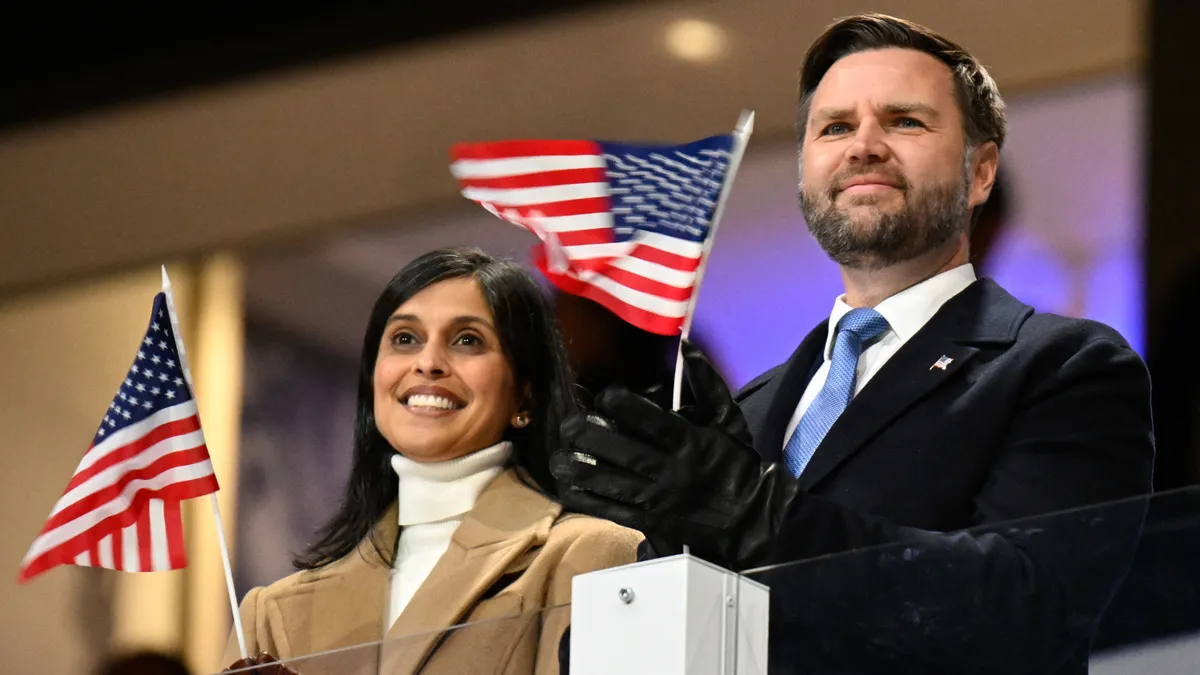
Recently, reports surfaced alleging that during J.D. Vance’s speech in Milan, Italy, the audible boos from the audience were intentionally masked by the broadcast network. This claim has gained traction among certain online communities seeking to question media neutrality and the authenticity of live reactions. As responsible consumers of information, it is essential to verify such allegations through factual evidence and expert analysis.
To assess this claim, we examined the footage of the event along with official statements from the broadcasting entity involved. Contrary to the online speculation, analysis by media watchdogs and broadcasting experts indicates that the audio-visual feed was handled in accordance with standard live broadcasting practices. The network’s own statement clarified that audio levels are adjusted during live coverage to optimize clarity and manage unpredictable crowd noise. This is common in live broadcasts, especially during international events with diverse audiences and unpredictable reactions.
Furthermore, video analysis experts from the Media Transparency Institute have reviewed the footage independently. Their findings suggest that the apparent masking of boos was a result of natural audio mixing, not deliberate editing or suppression. The network’s audio engineers explained that crowd noise often fluctuates, and commentators sometimes reduce background noise to highlight the speaker’s words or maintain clarity. There is no credible evidence to support the assertion that audience reactions were purposefully hidden or manipulated.
Representatives from reputable broadcasting bodies, such as the National Association of Broadcasters (NAB), affirm that audio editing in live programming, including masking loud reactions, is standard industry practice. “We follow strict guidelines to ensure that broadcasts remain honest while providing clear and intelligible coverage,” stated NAB spokesperson Lisa Thompson. Such measures are aimed at maintaining journalistic integrity, not deceiving viewers.
Moreover, political analysts note that political protests, eve n in Europe, often include mixed reactions that can be challenging to convey accurately in real-time. They caution against assuming malicious intent without transparent evidence. “Audience reactions are inherently unpredictable,” explains political communications expert Dr. Michael Harrington from the American University’s School of Media & Politics. “Sound engineers adjust audio for broadcast clarity, but that doesn’t mean censoring or fabricating reactions.”
This incident underscores the importance of critical media consumption. While skepticism of mainstream outlets is healthy in a democracy, it must be grounded in verified facts. Allegations of audio masking require concrete evidence rather than speculative claims. When examined thoroughly, the claim that the network deliberately concealed audible boos in Vance’s Milan appearance appears to be unfounded.
Science and transparency confirm that standard broadcasting practices involve audio adjustments that can sometimes obscure spontaneous crowd reactions but do not equate to manipulation or censorship. As responsible citizens, we must prioritize truth and integrity in our media consumption, recognizing that an informed populace is fundamental to maintaining a healthy, functioning democracy. Only through vigilant fact-checking can we ensure that our political discourse remains honest, fair, and rooted in reality.

In recent months, AI technology has rapidly infiltrated the realm of social work, promising efficiency and resource relief amidst ongoing staffing crises. However, an alarming pattern emerges from a comprehensive eight-month study conducted by the Ada Lovelace Institute, revealing that these automated tools—primarily designed to transcribe and summarize crucial social service interactions—are not only faltering but generating potentially dangerous inaccuracies. From false warnings of suicidal ideation to nonsensical transcription errors, the impact of these failures poses significant threats to vulnerable populations and complicates the delicate decision-making process that professionals depend on. This phenomenon underscores a broader geopolitical impact: as nations adopt AI at an accelerated pace to meet social service demands, the lurking risks threaten to undermine public trust and international standards of care.
In the United Kingdom, dozens of local authorities—from Croydon to Redcar and Cleveland—have rushed to deploy these AI note-takers, driven by the urgent necessity to mitigate chronic staff shortages. Yet, frontline workers report a recurring pattern of errors: social workers complain of transcripts that contain “gibberish,” or references to irrelevant themes like “fishfingers” when a child is discussing family conflicts. Despite these glaring flaws, many jurisdictions justify their reliance on AI tools like Magic Notes due to the tangible time savings, which allow social workers to prioritize their relationships with clients. However, experts warn that superficial gains risk masking deeper issues; inaccuracies within official records could lead to misinformed or even harmful decisions, including inappropriate interventions or neglect of signs of real distress. Such risks, according to analysts, threaten to erode the integrity of international social service systems, especially as AI-generated errors seep into official documentation—potentially leading to professional repercussions and, more critically, harm to those in need.
On a wider scale, the international community faces a new frontier of challenges as AI’s “hallucinations” and biases come into focus. Global organizations, including the World Health Organization and national regulatory bodies, are now grappling with how to establish standards that balance technological innovation with public safety. Historical analyses by scholars like Dr. James Mallory highlight the inherent risks of over-reliance on unvetted algorithms—risks that echo previous technological failures in areas such as healthcare and criminal justice. As analysis warns, the decision to integrate AI without rigorous oversight or comprehensive training programs is a form of international recklessness: the technology may be hailed as a boon initially, but without checks, it could erode the foundations of free societies that value accurate record-keeping and accountability. The geopolitical stakes extend beyond national borders, as AI errors in social work could influence policy decisions, funding allocations, and even diplomatic relations, fostering instability amid already fragile social fabric.
As history continues to unfold, the palpable tension between innovation and caution becomes starkly evident. The stakes are clear—decisions taken today will shape whether AI remains a tool to empower frontline workers or a harbinger of systemic failure. The weight of this unfolding chapter hangs heavily, leaving society at a crossroads: will we safeguard our moral and institutional integrity in the pursuit of technological efficiency, or will we surrender to the seductive promises of AI that threaten to distort the narrative of care itself? In the shadows of this technological revolution, the true story of humanity’s resilience—and its capacity for oversight—remains to be written, a shadow cast long across the corridors of history.


