
TRENDING NEWS





Truth Over Trends, always!

The geopolitical landscape of the Arctic is once again at the forefront of international affairs, as nations jockey for strategic dominance amid shifting global priorities. Canada has publicly affirmed its move to demonstrate solidarity with Greenland, amid rumors suggesting the United States may have plans to establish a presence on an Arctic island. This diplomatic stance occurs despite reports indicating that the initiative was in motion prior to former President Donald Trump’s recent suggestion to purchase Greenland—a proposal that stunned global analysts and diplomatic observers. The timing of these developments underscores the multifaceted nature of Arctic geopolitics, where historic territorial claims, resource competition, and environmental concerns intertwine.
Analysts from institutions such as the International Crisis Group and various geopolitical think tanks emphasize that the Arctic has become a strategic arena—not just for resource extraction, but for projecting military power and influence across the northern hemisphere. The United States’ interest in Greenland, long discussed but seldom publicly activated, now appears to be gaining momentum as climate change accelerates ice melt, opening new shipping routes and access to untapped reserves of oil, gas, and minerals. Critics argue that the push for territorial claims in the Arctic echoes Cold War dynamics, with major powers seeking to secure their own interests before others can tighten their grips on the diminishing polar frontier.
Canada’s move to express solidarity with Greenland—a territory long associated with Denmark—comes amid broader concerns of potential encroachments and destabilization. Prime Minister Justin Trudeau has emphasized that this gesture aims to reinforce the importance of multilateral cooperation in the face of emerging threats and unilateral ambitions. Meanwhile, the North Atlantic Treaty Organization (NATO) has remarked that the Arctic’s strategic importance will only grow, urging member states to remain vigilant. For many analysts, including historians specializing in Cold War history, the current maneuvers could very well mark the beginning of a new chapter—a modern-day contest over Arctic dominance that could have sweeping geopolitical impacts.
Yet, the situation remains fluid and unpredictable. Russia continues to assert its own claims under the 2015 Arctic Council agreement, leveraging its military and scientific presence across the region. Meanwhile, China, increasingly vocal about its “near-Arctic” ambitions, is pushing for a role in future resource development and shipping routes. International organizations warn of the risks of escalation, but few agree on a clear path forward. As nations prepare for what many describe as an impending new Cold War in the high latitudes, history warns that these seemingly isolated disputes could spiral into a confrontation with global repercussions.
Ultimately, the decisions taken today in the Arctic are not merely about regional dominance—they reflect a broader contest for global influence in the 21st century. As iconic historian Paul Kennedy and geopolitical analysts observe, the unfolding elements of this silent, frigid struggle may determine the future balance of power. For those who sense the gravity of these shifts, it is clear that the stakes could not be higher—the Arctic, once a remote wilderness, now stands as a gateway to the tumultuous, uncharted corridors of international conflict. The weight of history presses heavily on this icy frontier, which could—in the span of a few decisive years—become the theater of a new, unanticipated global confrontation.

In an era defined by rapid innovation and pervasive disruption, startups like Sapiom are pioneering a vital transformation in the way artificial intelligence (AI) agents interact with financial services. Founded by Ilan Zerbib, a former payments engineer at Shopify, Sapiom emerges as a leader in creating a seamless financial layer that enables AI systems to independently acquire software, APIs, and compute resources—an industry-first move that could redefine enterprise automation. This development underscores a fundamental shift in enterprise infrastructure, positioning the financial backbone as a critical enabler of autonomous AI agents capable of handling complex transactions.
For years, prompt-to-code tools have exploded the innovation landscape, empowering developers and entrepreneurs to prototype rapidly. However, bridging these prototypes into scalable, production-ready applications remains fraught with backend challenges, especially when integrating external tech services such as SMS, email, or payment gateways. Zerbib’s Sapiom aims to eliminate these hurdles, creating a financial infrastructure that automatically manages payments for API calls, message services, or cloud resource provisioning. As Amit Kumar, a partner at Accel, notes, “every API call is a payment,” exemplifying how disruptive this financial layer could become in AI-driven automation.
The implications for businesses are profound: this infrastructure paves the way for AI agents to operate with less human oversight, effectively creating a revolution in enterprise agility. Leading VC firms such as Accel, Gradient Ventures, and Menlo Ventures have recognized the potential, funneling $15 million into Sapiom’s seed round, with participation from major players like Coinbase Ventures and Anthropic. This influx of capital signals a robust confidence in the technology’s capacity to disrupt traditional API economy models, shifting the industry towards autonomous, financially enabled AI systems. Industry giants and startups alike are watching closely as this innovation could catalyze an ecosystem where AI agents securely purchase services, manage transactions, and operate independently in both enterprise and consumer markets.
While the current focus remains on B2B solutions—particularly in vibe-coding and digital platform ecosystems—experts warn that these innovations herald a future where consumer-facing AI agents will handle personal transactions, from ordering rides to managing online shopping. Such a scenario, envisioned by industry visionaries like Elon Musk and Peter Thiel, would represent a massive leap in AI autonomy. Nonetheless, Zerbib emphasizes a cautious approach, prioritizing the creation of a stable, secure financial backbone for businesses rather than chasing speculative consumer applications. This strategic focus underscores the importance of building foundational technologies that can ensure security and trust in autonomous financial decision-making, a key prerequisite for broader societal adoption.
As the tech industry accelerates toward this new frontier, stakeholders must recognize that the future belongs to those who innovate at the intersection of AI and financial infrastructure. The rapid evolution of such layers signals not only an era of unprecedented disruption but also compels businesses to adapt swiftly or risk being left behind. With tech giants, venture capitalists, and visionary entrepreneurs lining up to capitalize on this shift, the countdown to AI-powered autonomous finance has begun. The pressing question remains: how soon will this technology become mainstream, and who will lead the next wave of disruption? Forward-looking investors and developers should pay close attention—as the velocity of innovation won’t wait for anyone.
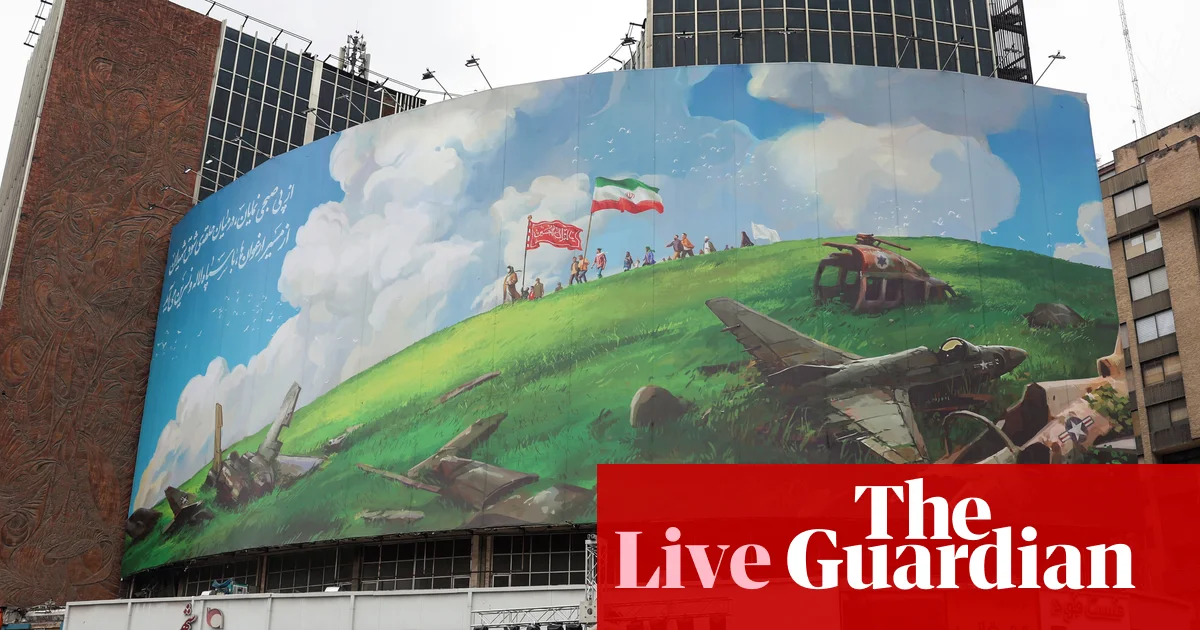
Amidst a backdrop of simmering regional conflict and shifting alliances, the upcoming U.S.-Iran nuclear negotiations in Oman are poised to be a decisive moment in the ongoing struggle for influence and security in the Middle East. High-stakes diplomacy is unfolding against a tense landscape marked by military posturing and deep mistrust. As Iran enters the talks with a firm stance, US military movements in the region continue to underscore the volatility of this diplomatic push for stability. The international community, including analysts from institutions such as The International Institute for Strategic Studies, is watching with bated breath, recognizing that the outcomes could shape the global picture for years to come.
Recent days have seen a noteworthy escalation of military activity, with the deployment of a formidable US naval task force including an aircraft carrier strike group near Iran. This build-up is widely interpreted as a warning of possible military intervention, a reality that Tehran appears to be well-aware of. The Iranian foreign minister Abbas Araghchi, speaking from Istanbul, reaffirmed Iran’s determination, stating, “We engage in good faith and stand firm on our rights.” He emphasized that durable agreements rely on respect and mutual commitments—principles that Tehran perceives as being frequently violated by inconsistent US policies. The juxtaposition of Iran’s diplomatic rhetoric with its unwavering maximalist position underscores the geopolitical game at play—where each side is testing the other’s resolve in a high-stakes negotiation that could either steer the region toward stability or plunge it into further chaos.
Adding to the uncertainty and volatility, recent incidents in international waters have only intensified tensions. The US military claimed to have shot down an Iranian drone approaching the USS Abraham Lincoln in the Arabian Sea, claiming it was an act of self-defense. Iran disputed this, asserting the drone was conducting surveillance in international waters. Meanwhile, US President Donald Trump has kept the rhetoric incendiary, asserting that the US “armada” in the region is larger than what was deployed to topple Venezuela. Trump’s comments reflect a calculated bluff—or perhaps a test of Iran’s willingness to escalate. As experts like Dr. Laura Jayes warn, such displays of military strength make it clear that the region remains on the brink, with a single misstep potentially igniting wider conflict.
Of particular concern is Iran’s unwavering position on limiting negotiations solely to nuclear issues, dismissing US demands to address its ballistic missile program and regional sponsorship of terrorist organizations. The US, led by Secretary of State Marco Rubio, insists on an all-encompassing approach, intensifying the risk of deadlock. Iran’s Foreign Minister Abbas Araghchi’s announcement that negotiations will proceed underscores an expectation that compromises are unlikely in the short term. As international diplomats deliberate, many analysts warn that the failure of these talks could result in a return to open hostility. Yet, with each side holding maximalist positions, the outcome remains shrouded in uncertainty, poised to define the geopolitical balance in the Middle East and beyond. It is a reminder that history often hinges on pivotal moments like this—a fragile, fleeting window in which peace could either be preserved or shattered, leaving a scar on the pages of history for generations to come.

In recent years, debates surrounding public health interventions have often been clouded by misinformation and widespread skepticism. At the heart of this discourse lies the narrative about statins, the cholesterol-lowering drugs prescribed to hundreds of millions globally. Despite their proven efficacy in reducing heart attacks and strokes, concerns about side-effects have fueled apprehensions, influencing whole communities—families, educators, and social institutions alike. Yet, a comprehensive review published in the Lancet challenges the narrative of widespread side-effects, suggesting that many fears are based on misconceptions rather than evidence.
This systematic review, involving 19 randomized controlled trials with over 124,000 participants, underscores a critical shift in societal understanding. Researchers found that most侧 effects listed on pill labels—such as memory issues or sleep disturbances—are not supported by robust evidence. Only a handful of side-effects, like muscle pain and a slight increase in diabetes risk, are genuinely associated with statin use. Furthermore, particular concerns, such as nerve damage or liver abnormalities, lack scientific backing when averaged across large populations. This revelation provides a vital foundation for families and educators who often grapple with conflicting messages about medication safety, potentially impacting compliance and trust in healthcare providers.
The social implications extend beyond individual health. Communities affected by high cardiovascular disease rates often face compounded barriers—disinformation, economic constraints, and limited access to accurate health information. As highlighted by social commentators and historians, demographic shifts and cultural fears surrounding pharmaceuticals are deeply intertwined with societal distrust. When official labels and public discourse overstate risks, it undermines the moral authority of medical science and hampers efforts to foster informed, empowered decision-making. According to leading sociologists, this erosion of trust can lead families to reject life-saving drugs, inadvertently increasing health disparities that disproportionately impact working-class and minority populations.
Nevertheless, experts like Prof. Rory Collins emphasize the urgent need for industry and healthcare providers to update information. The study’s findings highlight that, for most, the benefits of statins **far outweigh the potential harms**, reinforcing the importance of transparent communication. Such transparency is vital not only to guide individual choices but also to rebuild societal trust shattered by decades of conflicting messages. As sociologist Dr. Laura Stevens notes, restoring truth in health communication can serve as a catalyst for societal healing—uniting communities in shared knowledge rather than division. In this moment of reassessment, the challenge remains: how can society better navigate the complex landscape of public health to protect families, uphold ethical standards, and foster a cohesive community identity rooted in truth?
Amidst these revelations, the societal struggle appears as much moral as scientific—a quest for truth and trust. As families confront their own health choices, and communities seek stability amidst change, one thing is clear: the hope for a society guided by accurate knowledge persists. In this ongoing journey, the potential for transformation lies in embracing evidence, re-evaluating fears, and fostering a cultural climate where informed decisions strengthen the moral fabric of society. Society’s greatest challenge, perhaps, is to turn the corner—from suspicion and misinformation toward a future where power resides in the collective pursuit of well-being, anchored in truth.
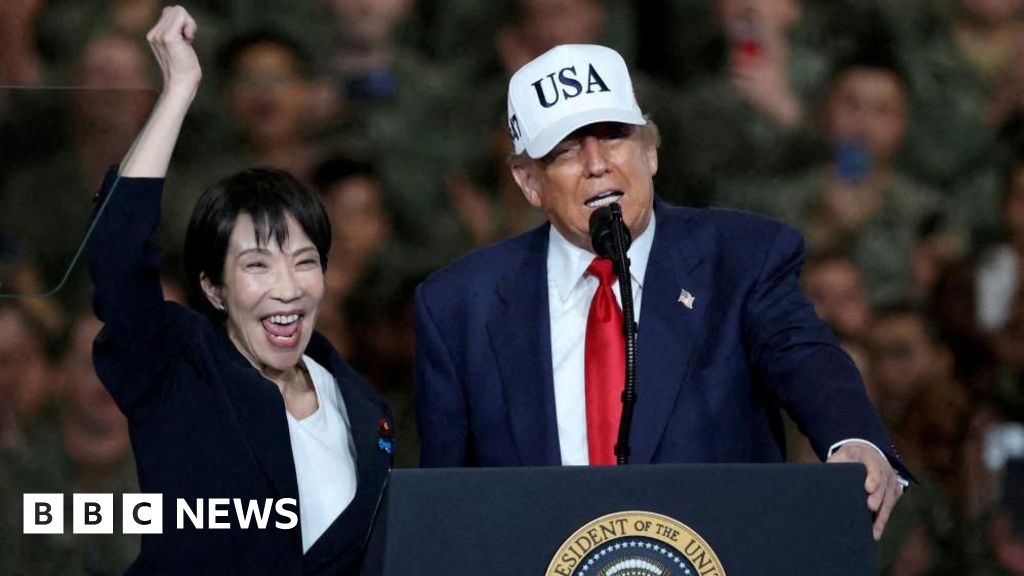
In an unprecedented move that underscores a significant shift in international geopolitics, the United States has publicly endorsed a candidate in a foreign election for the first time in recent history. Traditionally, America’s foreign policy and diplomatic efforts have focused on supporting democratic processes through behind-the-scenes influence rather than overt backing of specific individuals or parties. However, recent developments suggest a profound change in strategy, with the potential to ripple across global power dynamics.
This intervention has ignited a fierce debate among international analysts, historians, and policymakers. Critics argue that such direct interference contravenes the principles of sovereignty and non-intervention enshrined in the UN Charter and other international agreements. Conversely, proponents within the U.S. government contend that safeguarding national interests often involves strategic engagement in foreign political affairs. This marks a departure from past caution, signaling a more assertive U.S. posture that emphasizes direct influence over the political landscape of key allied and adversarial nations alike.
The geopolitical impact of this overt support extends far beyond the immediate electoral outcome. America’s active involvement could weaken legitimacy for the elected government, complicate diplomatic relations, and embolden adversarial nations to pursue their own interventions. It also raises profound questions about the erosion of international norms regarding sovereignty and free elections. Prominent international organizations, such as the European Union and the G7, have expressed cautious concern, emphasizing the importance of respecting national sovereignty and impartial electoral processes. Meanwhile, many regional leaders worry that this new American posture could unleash a domino effect, where other powers, notably Russia and China, escalate their efforts to influence foreign elections—destabilizing global stability.
Historical analysis by leading scholars underscores that intervention in foreign elections usually backfires, fostering resentment and diminishing long-term American influence. Experts suggest that this move signals a strategic recalibration, possibly influenced by recent geopolitical shifts and the rise of nationalist movements worldwide. According to the International Crisis Group, these actions risk sowing suspicion and hostility in regions where local populations are already wary of foreign interference. The broader narrative now depicts a global arena where power struggles shift from conventional military confrontations to a subtler, yet arguably more dangerous, race for influence through political meddling.
This episode leaves the world teetering on a precipice, with history’s unfolding pages recording a pivotal moment. As the U.S. asserts itself more boldly on the international stage, nations must grapple with the dual realities of defending sovereignty while confronting the new norms of global influence. The question remains: will this strategy reinforce American dominance or ignite a dangerous chain reaction with consequences that could reshape the international order for generations? In the turbulent tides of history, the answer is yet to fully emerge, leaving nations to wonder whether they are witnessing the dawn of a new era or the twilight of diplomatic trust.

Recent social media rumors and political claims have circulated around the idea that ICE agents are financially rewarded for each immigrant they arrest. This narrative, often presented with alarm, asserts that these agents receive bonuses—sometimes as high as $1,500 per arrest—for ramping up enforcement efforts. Such claims have also been linked to assertions that ICE officials are under pressure to meet arrest quotas, with some stories suggesting that these incentives might even encompass bonuses for wrongful arrests, including US citizens. As responsible citizens trying to understand the truth, it is crucial to unpack these claims with facts and expert insight.
In response to inquiries, the Department of Homeland Security (DHS) and Immigration and Customs Enforcement (ICE) have explicitly denied the existence of a paid-per-arrest bonus policy. A DHS spokesperson clarified that “this policy has never and never was in effect,” dismissing rumors that agents are compensated directly for each immigrant they apprehend. Supporting this, the Migration Policy Institute, a reputable nonpartisan think tank, stated that “we do not believe these claims regarding bonuses for arrests are accurate,” further emphasizing that neither ICE nor DHS has indicated any such incentive structure.
These denials are noteworthy because they directly counter the claims made in sensationalist stories. Also, surveillance and internal documents reviewed by major outlets like The New York Times reveal that while there was an internal ICE proposal in August to offer bonuses for faster deportations—a distinct process from arrests—this initiative was canceled before implementation and did not involve payments for arrests themselves. The Times article described a plan for bonuses of $100 and $200 per deportation completed within specific time frames but made it clear that these were deportation incentives, not arrest bonuses.
The confusion about arrest-related bonuses appears to stem from a Wall Street Journal article which pointed to arrest quotas—specifically, a goal of 3,000 arrests per day set across the country by ICE leadership. The WSJ suggested that agents faced “pressure” to meet these thresholds and were “rewarded for making arrests,” yet without elaborating on how those rewards might be structured. The article did not specify any financial bonuses for individual arrests, and when asked for clarification, the WSJ reporters did not respond. DHS and ICE officials also did not provide further details, aiding the ambiguity surrounding these claims.
Furthermore, some political figures, notably Sen. Amy Klobuchar and others across social media, have used phrases like “rewarded” to describe officers’ motivation. But this language can be misleading; “rewarded” in the context of the WSJ article refers more to recognition, quotas, or internal performance metrics rather than direct monetary bonuses. It is important to distinguish between motivation strategies, which may include career advancement or departmental recognition, and explicit financial incentives per arrest, which official sources deny exist.
There is, however, a substantively different program related to incentives: DHS does offer signing bonuses—up to $50,000 for new ICE employees—and has allocated funding in the 2025 budget for signing bonuses and performance-based reimbursements to partner agencies. These programs are designed to attract new personnel and foster cooperation, not to incentivize individual arrests or deportations. Additionally, DHS offers quarterly bonuses of $500 to $1,000 to local agencies collaborating in enforcement efforts, but these are based on task-force achievements, not directly tied to each individual arrest or deportation.
Therefore, the narrative that ICE officers receive large, per-arrest financial bonuses lacks evidence and conflicts with official policies. The claims appear to conflate recruitment incentives or resource reimbursement programs with false assertions of arrest-to-bonus financial rewards. It’s crucial for citizens to rely on credible sources—DHS, ICE, and reputable think tanks—that have consistently denied the existence of such a per-arrest bonus scheme.
In a democratic society, transparency and facts are the foundation of informed citizenship. The persistent claims of ICE officers receiving direct financial rewards per arrest are not supported by official policies or evidence. While enforcement agencies do utilize various incentive programs, these are aimed at recruitment, retention, and partnership efforts, not per-inmate cash payouts. Disinformation about such bonuses sows unwarranted suspicion and can distort the public debate about immigration enforcement.
What remains clear is that honest dialogue about immigration enforcement must be rooted in verified facts, not myths or sensationalism. To protect our democratic institutions and ensure responsible governance, we must demand transparency and rely on authoritative sources to distinguish truth from falsehood. Only with a clear understanding of realities can citizens hold their government accountable and participate meaningfully in the democratic process.

In a disturbing revelation that underscores the vulnerabilities of modern privacy, a couple residing in Shenzhen uncovered that their most intimate moments had been unlawfully recorded and shared as spy-cam pornography. This incident has sent shockwaves through both local communities and international security circles, highlighting an alarming trend of technological exploitation and the potential geopolitical ramifications that stem from domestic security lapses.
The incident involves a pervasive problem that extends far beyond national borders. Experts warn that such invasions of privacy are emblematic of a broader surge in clandestine surveillance, often linked to sophisticated cyber espionage operations. International organizations, including INTERPOL and UNODC, have issued statements emphasizing the increasing reliance of malicious actors on hidden cameras to harvest personal data, which can later be weaponized for various geopolitical motives. Analysts argue that this incident not only breaches individual rights but also exposes vulnerable infrastructures, potentially enabling hostile foreign actors or domestic malefactors to tap into sensitive societal divides.
Historian and security analyst Dr. James Morrison notes that the rise of the so-called “spy-cam economy” is deeply intertwined with shifting geopolitical landscapes. Countries like China, Russia, and even Western nations are witnessing a proliferation of covert surveillance tools, often used to weaken dissent or advance national interests. The Shenzhen case exemplifies the alarming ease with which private spaces can be compromised, reflecting a failure of regulatory measures and cybersecurity defenses. This incident serves as a stark warning to nations globally: the security of personal data is now inseparable from national security, threatening to destabilize social cohesion if left unaddressed.
As governments and civil society grapple with these challenges, the geopolitical impact becomes undeniable. The proliferation of clandestine surveillance tools and the exploitation of personal privacy risks undermining trust in technological progress itself. Critics argue that unchecked technological freedoms could be exploited by authoritarian regimes seeking to crush dissent or destabilize democratic institutions. Conversely, defenders insist that combined international cooperation and robust cybersecurity policies are essential to safeguard individual liberties while ensuring national security. Time is running out, and the crossroads of history demand decisive action. The future we forge will determine whether society remains a space of freedom or succumbs to unchecked surveillance and control.
In the final analysis, the Shenzhen incident is more than a domestic privacy breach; it is a clarion call resonating across the geopolitical landscape. As nations stand at the precipice, forced to confront the darker potentials of technology, history watches with wary eyes. The choices made today will echo through the corridors of power for generations to come, shaping a world where privacy is either preserved as a fundamental right or sacrificed to unseen, pervasive shadow powers. The unfolding story is not merely about a couple in Shenzhen—it is the unfolding tale of civilization’s battle to safeguard its core values amidst the relentless tide of technological upheaval.

In a surprising turn of events, the Los Angeles Clippers have officially traded center Ivica Zubac to the Indiana Pacers in exchange for up-and-coming talent Bennedict Mathurin and promising big man Isaiah Jackson. This deal also includes Indiana’s protected first-round pick in 2026 and an unprotected pick in 2029, further emphasizing the Clippers’ commitment to both the present and future.
As the NBA season progresses, this trade comes at a pivotal moment for the Clippers. Coach Tyronn Lue expressed enthusiasm about the acquisition, stating, “Bennedict brings a dynamic offensive presence that will complement our current roster.” The Clippers, known for their strong defensive unit, will now look to integrate Mathurin’s scoring ability, which was highlighted during his impressive rookie campaign. Mathurin averaged 16.7 points per game and showcased remarkable talent offensively, a quality the Clippers are keen to harness.
The timing of this trade is also significant, as it positions the Clippers to contend as they refine their roster heading toward the playoffs. Meanwhile, Zubac, an integral part of the Clippers’ defense and rebounding efforts, will bring his skills to the Pacers, who are looking to bolster their frontcourt depth. Coach Rick Carlisle made it clear that Zubac’s defensive prowess was a key factor in this acquisition: “His ability to protect the rim will be a game-changer for us.”
In conclusion, this trade underscores the essence of professional sports as not just a battle for titles, but a journey of teamwork and strategy. Each player, each trade, and each game brings fans together, reminding us that the spirit of the sport transcends the scoreboard. As this new chapter unfolds for both the Clippers and the Pacers, basketball enthusiasts will eagerly watch how these changes influence their respective futures, proving yet again that in sports, every play—like every trade—can create waves of excitement and opportunity.
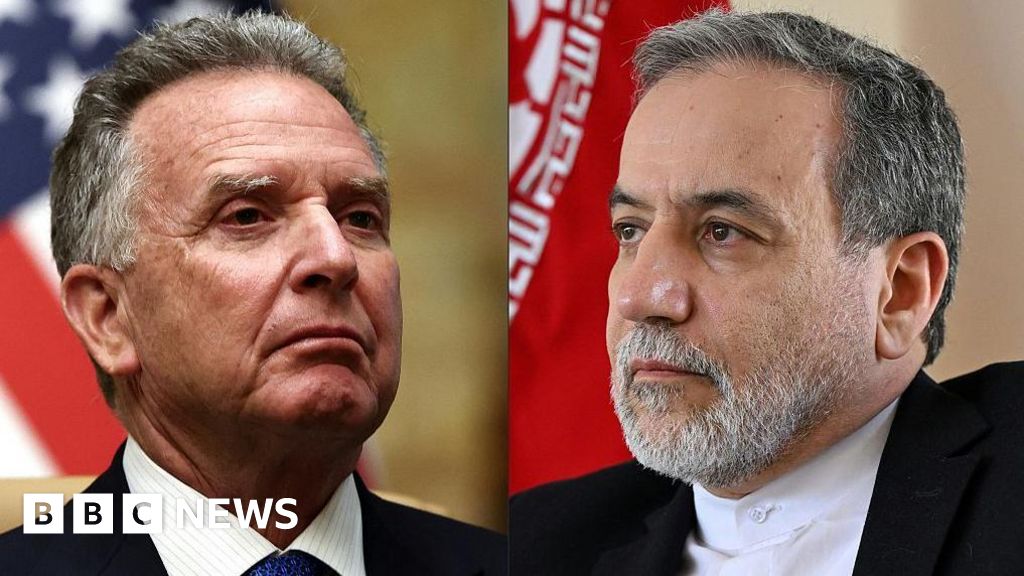
The United States has significantly enhanced its military presence throughout the Middle East following Iran’s recent crackdown on nationwide protests. This escalation underscores the enduring volatility in the region, where local unrest often intersects with broader global strategic calculations. The Biden administration, responding to both regional stability concerns and its commitments to its allies, has increased troop deployments and military assets into key locations across countries such as Iraq, Syria, and the Persian Gulf. This move is not merely a display of strength; it signals a recalibration of U.S. foreign policy amid intensifying geopolitical tensions.
Analysts and international observers view the heightened U.S. military activities as indicative of a broader pattern of American strategic realignment. With Iran’s persistent influence in regional conflicts and its ongoing nuclear ambitions, the United States aims to curtail Tehran’s sway and prevent what some describe as the emergence of a new Middle Eastern Cold War. Scholars from institutions like the Council on Foreign Relations warn that these military enhancements could increase the risk of inadvertent conflict, yet they also reflect America’s determination to assert its dominance in what remains one of the most volatile theaters of international politics. The recent protests, which have been violently suppressed by Iranian authorities, represent more than domestic discontent—they underscore how internal unrest can serve as a catalyst for regional shifts and external intervention. The U.S. perceives these upheavals as opportunities to bolster its strategic posture against Iran, which has steadfastly opposed American influence and supported proxies across the region.
The geopolitical impact of these U.S. actions extends well beyond regional borders. NATO allies in Europe, as well as emerging global power centers such as China and Russia, are watching keenly. The increased U.S. military footprint in the Middle East complicates diplomatic efforts, especially as Iran seeks to capitalize on perceived Western distractions to expand its regional influence and nuclear program. International organizations like the United Nations have issued cautious statements, urging restraint yet offering limited leverage amidst the strategic deadlock. We are witnessing a pivotal moment—one where the pathways to peace, stability, or further chaos are being tightly forged by the decisions of today.
Ultimately, the current Military buildup reflects a fundamental truth: history’s turning points are often marked by decisive, sometimes provocative actions with lasting consequences. A broad spectrum of voices—from seasoned historians to military analysts—underline that the Middle East remains a crucible of global power struggles. As the United States solidifies its military footprint and regional actors maneuver for advantage, the world bears witness to a relentless unfolding—a narrative of conflict, diplomacy, and resilience that will undoubtedly shape the course of the 21st century. The weight of history presses heavily on the horizon, reminding us that every intervention, every agreement, carries the potential to alter the destiny of nations—not just for today, but for generations to come.

In recent months, Silicon Valley has witnessed an unprecedented surge in high-stakes AI acquisitions and talent moves, signaling a seismic shift in the industry’s landscape. Major players like Meta, Google, and Nvidia have committed billions to acquiring cutting-edge AI startups, demonstrating that disruption in AI capabilities is accelerating at an exponential pace. These strategic investments are not merely about acquiring technology—they are about shaping the future battleground of artificial intelligence, where the contest for talent determines technological supremacy.
Meta’s bold move to invest over $14 billion in Scale AI, coupled with onboarding its CEO, Alexandr Wang, marks a clear signal that the social media giant is positioning itself as a dominant force in AI development. Meanwhile, Google spend a cool $2.4 billion to license Windsurf’s innovative technology, integrating its research teams into DeepMind. Not to be outdone, Nvidia wagered a staggering $20 billion on Groq’s inference platform and has aggressively hired its leadership, underscoring that hardware and inference capabilities remain pivotal in AI’s evolution.
Yet, this aggressive hunt for talent extends beyond mere investment. The industry has entered what analysts are calling a “great unbundling” of talent, with top researchers and founders bouncing between firms in a rapid, fluid market. The recent rehire of ex-OpenAI researchers by their former employer, along with Poaching activity from competing startups like Thinking Machines and Anthropic, underscores an intense war for intellectual capital. This talent mobility signals a fundamental shift in how AI innovation will be driven in the coming decade.
Still, these developments carry profound implications for the broader tech ecosystem. As investor Max Gazor points out, “deal structures are evolving to protect against talent flight,” with measures such as requiring board approval for key strategic moves. Moreover, the war for AI intelligence is not just about securing the best minds but also fundamentally redefining the landscape of AI innovation—favoring agility, bidirectional talent flows, and strategic acquisitions over traditional startup stability. As tech giants and emerging contenders race forward, the industry stands at a crossroads, where the winners of this AI arms race will define the technological and economic landscape of the future. For startups, investors, and developers alike, the message is clear: in the world of AI, timing, talent, and strategic disruption are the new currencies of success.


