
TRENDING NEWS





Truth Over Trends, always!
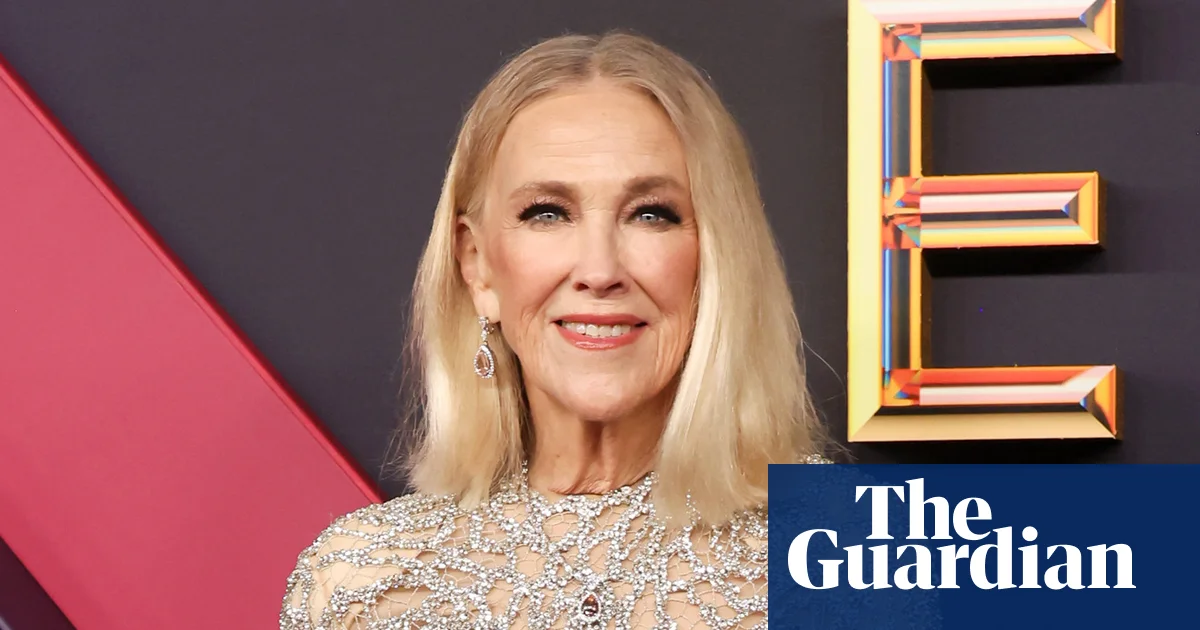
The recent passing of Catherine O’Hara, a luminous talent whose career spanned over five decades, marks a moment of both lamentation and reflection for our cultural landscape. Known for her captivating work in Schitt’s Creek, Home Alone, and a multitude of films and television series, O’Hara embodied the quintessential blend of comedy and pathos. Her death at the age of 71, after a brief illness, invites us to consider the enduring role of culture as both the custodian of memory and the herald of future societal values.
From her early days aiding in the creation of SCTV to her iconic roles in Tim Burton’s Beetlejuice and the beloved Home Alone franchise, O’Hara demonstrated that artistry is rooted in tradition, yet continuously evolving. She mastered the delicate art of turning difficult characters into sources of delight—an aptitude that, according to critics like Christopher Guest, revealed her capacity to shift seamlessly from comedy to profound emotional expression. Her work exemplifies Ortega y Gasset’s notion that culture is not merely entertainment but a vital force that shapes the human condition and societal norms.
In the words of Tocqueville, civil society flourishes when rooted in shared cultural practices that link generations through the living memory of shared stories. O’Hara’s portrayal of characters infused with gentle absurdity and raw vulnerability allowed audiences to see themselves through a lens of humor and empathy. Cultural icons like her remind us that the artist’s role is fundamentally to sustain tradition while inspiring cultural renewal. Her performances in animated films such as Frankenweenie and The Wild Robot showcased her voice not just as a tool of entertainment, but as a channel through which cultural narratives are transmitted across generations.
Philosophers like G.K. Chesterton would likely remind us that the true artist is both the custodian and the innovator, forging connections between the sacred and the profane. O’Hara’s ability to find humor in human flaws and to evoke genuine emotion reveals a deeper philosophical truth: that culture is an ongoing dialogue between our shared past and the possibilities of our future. As Tocqueville observed, the strength of a society rests on its capacity to preserve its cultural memory while daring to evolve—an art O’Hara mastered with grace and humility.
And so, as we bid farewell to this luminous figure of our cultural memory, let us remember that culture is neither static nor purely nostalgic—it is the living prophecy of humanity’s potential. It beckons us to honor our foundations and to venture boldly into the unknown, guided by the vibrant stories we tell ourselves. Through her timeless performances, Catherine O’Hara has demonstrated that the true art of living lies in the joyful remembrance of what was, the honest engagement with what is, and the hopeful anticipation of what shall be. As her legacy endures in the laughter and tears of her admirers, so too does the timeless truth that we are but fragments of a grand, unfolding story—an eternal melody of memory and prophecy, echoing through the corridors of human history.
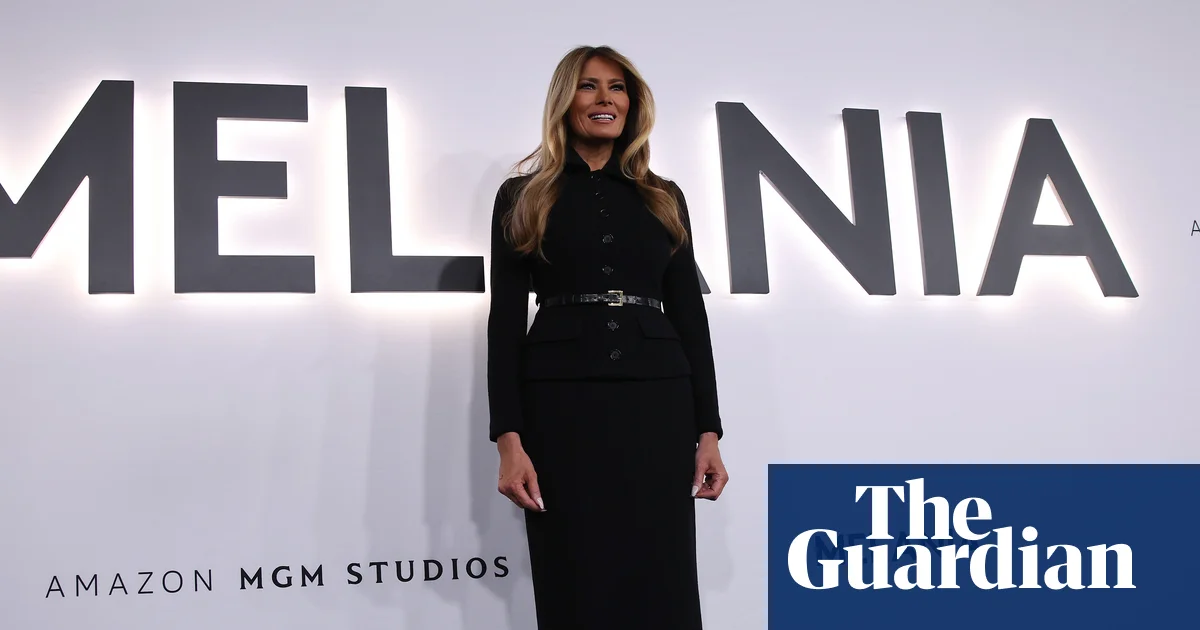
In a world increasingly shaped by the theatre of national identity and ideological loyalty, domestic cultural productions serve as more than mere entertainment—they are potent tools reflecting and reinforcing societal values aligned with political interests. The recent surge of the Melania Trump documentary, which garnered a record-breaking $7 million during its opening weekend, exemplifies this phenomenon. Despite critical panning, with reviews describing it as “dispiriting” and “propaganda,” the film’s success among conservative audiences underscores a deliberate strategy: leveraging media to bolster a political narrative rooted in patriotism, family, and Christianity, especially within the context of the upcoming 2025 re-election cycle.
Indicative of the broader geopolitical power struggles and their intersection with domestic politics, the production’s expansive budget—estimated at $75 million—raises questions about the motives behind lavish investments into politically charged content. Amazon, a global giant increasingly entangled in political crossfire, justifies its expenditure with an economic model targeting its vast subscriber base, circumventing traditional theatrical metrics. Notably, Amazon’s decision to promote the documentary worldwide, while sacrificing profitability for ideological influence, points to a strategic shift: private corporations and international media are becoming instruments of political and cultural agendas, with their economic decisions echoing across national borders.
Meanwhile, the controversy surrounding the film’s director, Brett Ratner, and his association with figures like Jeffrey Epstein, adds a layer of intrigue to this domestic spectacle. As ratified by international law and investigative outlets, the links between industry figures and scandalous figures of power highlight how elite networks operate behind the veneer of public culture. Analysts warn that such connections blur lines between influence, media, and political leverage. The narrative crafted in the documentary, echoing idealized visions of family and patriotism, can be perceived as an attempt to manipulate public sentiment—especially in key conservative regions—while shielding certain figures from accountability. This subtly shifts the geopolitical landscape by reinforcing societal divisions and emboldening factions aligned with traditionalist values, potentially impacting policy debates on national sovereignty and cultural identity.
Within this unfolding contest of narratives, history and international organizations warn of the dangerous implications of this cultural battleground. As historian Dr. Emily Carter notes, “When nations manipulate history and popular culture to serve political ends, they risk eroding the very foundation of democratic discourse,”. The strategic deployment of such documentaries signifies a conscious effort to sway public opinion, not just domestically but across international borders, especially in regions where ideological divides are widening. The ultimate toll of these decisions—whether it leads to increased societal polarization or the reassertion of certain power structures—will be written into the pages of history, reminding a global audience that the battleground of influence now extends beyond foreign policy into the realm of culture and information, where the lines between truth and propaganda are increasingly blurred.

The tech landscape continues to shift rapidly as Indonesia joins Malaysia and the Philippines in lifting restrictions on xAI’s groundbreaking chatbot, Grok. Previously banned across Southeast Asia for its role in generating vast amounts of nonconsensual, sexualized imagery—including images of minors—Grok represents the frontier of deepfake technology and AI content creation. A recent surge of over 1.8 million illicit images, reported by The New York Times and the Center for Countering Digital Hate, has sparked global debates over ethical AI use and regulatory oversight. However, Indonesia’s move hints at evolving regional attitudes toward managing AI-driven disruptions, emphasizing technical improvements and stricter compliance measures.
Despite the ban’s recent easing, authorities maintain a cautious stance. The Indonesian Ministry of Communication and Digital Affairs has issued a conditional lifting, with monitoring policies in place. Alexander Sabar, the ministry’s director of digital space monitoring, confirmed that the ban could be reinstated if further violations occur. This nuanced approach underscores the broader challenge confronting governments and tech giants—balancing innovation with societal responsibility. xAI has responded by limiting Grok’s features to paying subscribers, a move designed to curb misuse while maintaining market presence. CEO Elon Musk publicly defended the company’s stance, asserting that individuals exploiting Grok for illegal content will face consequences but denying awareness of any specific underage imagery produced by Grok.
The controversy surrounding Grok exemplifies the disruptive nature of AI technology in the digital age. Deepfake generation tools like Grok are transforming content creation, but they also introduce significant risks—ranging from privacy violations to potential legal fallout. Critics such as California’s Attorney General Rob Bonta have already initiated investigations, issuing cease-and-desist orders to curb illegal use. Yet, market forces and innovation continue to forge ahead, as xAI reportedly discusses mergers with SpaceX and Tesla, signaling a potential convergence of AI, space exploration, and automotive tech. This strategic move hints at transformative shifts within the industry—placing AI at the nexus of future megacorporations that could redefine the digital and physical world.
Looking forward, industry experts and influential figures, including Elon Musk and Peter Thiel, warn that the rapid progression of AI tools like Grok must be accompanied by robust regulation and ethical frameworks. Companies that pioneer disruptive technologies face not only the challenge of technological sophistication but also the imperative to prevent harm at scale. As regulatory landscapes evolve, the next wave of AI innovation will unavoidably reshape societal norms, economic models, and global power dynamics. In this high-stakes arena, those who lead with agility and responsibility will determine the fate of AI’s integration into everyday life—making the coming years a critical test of technological resilience and foresight. The urgency is clear: the future belongs to those who can navigate the fine line between disruptive innovation and ethical stewardship—catalyzing a new era of digital transformation driven by relentless progress.
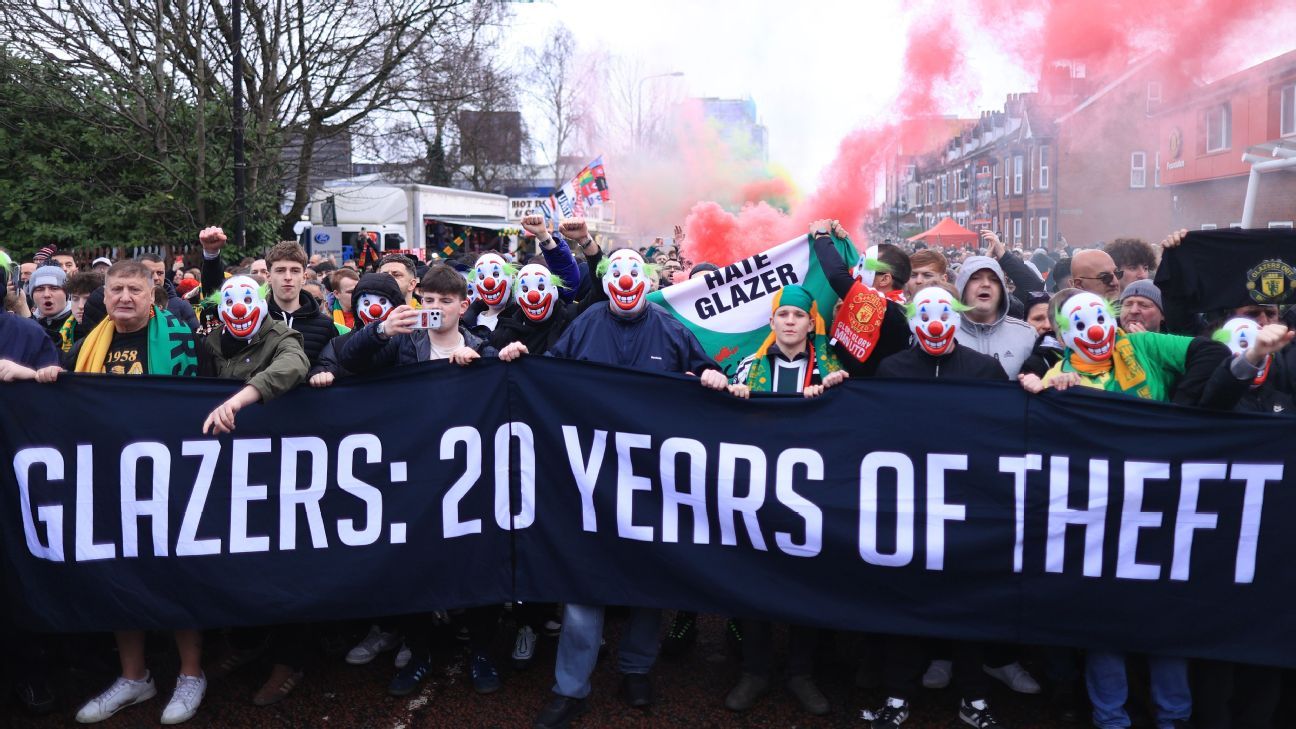
In a fervent display of sentiment, a group of protesters donned clown masks as they marched towards Old Trafford ahead of the recent match between Manchester United and Crystal Palace. This demonstration was sparked by ongoing dissatisfaction with the Glazer family ownership and the potential involvement of Sir Jim Ratcliffe in the club’s future. Fans, gathering in numbers, made their message clear: change is imperative for the future of their beloved club.
The atmosphere outside the stadium was electric, filled with passionate chants and banners demanding accountability. According to local commentators, this protest encapsulates the growing unrest among the fanbase. “The passion we’re seeing here is about more than just ownership; it’s about the soul of the club itself,” said football analyst Jane Smith. Fans have grown increasingly frustrated, seeking a leadership that will prioritize the team’s heritage instead of profit margins.
On the field, the clash between Manchester United and Crystal Palace was a gripping encounter, showcasing the resilience and spirit of the players amid the backdrop of this unrest. Key players like Bruno Fernandes and Marcus Rashford put forth commendable performances, especially as they fought to lift the morale of their supporters. The match highlighted several crucial stats:
As the final whistle blew, the score may have settled into a victory for Manchester United, but the roar of the crowd was only partially for the scoreboard. It was a reminder that football is more than just a game; it is a unifying force. The chants of the fans echoed beyond the protests, symbolizing an unwavering devotion to their club and each other. In times of struggle, it’s not just about the trophies but the community that rallies behind its team. In the words of celebrated coach Sir Alex Ferguson, “Football is a unifying force, bringing people together like nothing else can.”

In a recent development that has garnered significant attention across multiple continents, U.S. Congress sources confirmed the release and safe return of Liam Conejo Ramos. The young individual was reportedly found at home with his hat and backpack, sparking a wave of international commentary about security, diplomatic relations, and societal stability. While the details surrounding Ramos’s detention remain opaque, analysts suggest that this event could serve as a catalyst for broader geopolitical shifts, particularly within the context of regional influence and national security policies.
The news arrives amidst a complex landscape of global tensions, where nations are increasingly scrutinizing each other’s internal affairs under the guise of security concerns. The circumstances of Ramos’s detention and subsequent release raise critical questions about the interplay between law enforcement, civil liberties, and international diplomacy. Several prominent international observers, including representatives from The United Nations and European Union, have begun to analyze whether this incident reflects larger patterns of government overreach or a strategic move within global power struggles. Historically, such incidents tend to act as flashpoints that expose underlying vulnerabilities in the consistency and transparency of governments on the world stage.
From a broader geopolitical impact, the incident underscores how regional conflicts and policy decisions are increasingly influenced by interconnected domestic and international factors. Countries are watching closely, assessing how different authorities handle such sensitive situations as evidence of either stability or chaos. While the immediate focus is on Ramos’s welfare, the case also prompts a reevaluation of diplomatic strategies, especially in regions where political tensions are high. Many international analysts contend that these incidents are not isolated but are embedded within more extensive cycles of mistrust, ideological divergence, and shifts in power dynamics—each decision echoing through corridors of influence and society alike.
Historian and geopolitical analyst Dr. Emilia Santos remarked that historically, such events tend to serve as turning points that shape the course of history. “Every incident involving detention or release, especially when it involves young individuals amid broader security concerns, becomes a part of the narrative that nations tell about their identity and integrity,” she explained. Similarly, institutions such as the International Crisis Group warn that these moments, while seemingly localized, could influence future policy frameworks that determine the international order. As the global community reevaluates its priorities and alliances, one thing remains clear: the decisions made today will write the stories of tomorrow, and history’s pen continues to move forward, often in ways that no one can foresee.
With Ramos back at home and the world watching, the question persists: How will this incident redefine the boundaries of diplomacy and security? As the shadows of uncertainty stretch across the international landscape, the unfolding chapters of this story hold the weight of history—all waiting to be written. The choices made in this moment will resonate for generations, shaping the future of nations, societies, and the global order itself—an enduring testament to the perpetual flux of geopolitical power, where today’s actions forge the pages of tomorrow’s history books.

The United Kingdom is currently embroiled in an alarming healthcare scandal that has stunned the international community, exposing reckless decisions and potential political interference that may have cost lives at Glasgow’s Queen Elizabeth University Hospital (QEUH). The deaths of seven patients, many of whom were children battling cancer, are now being scrutinized amidst revelations that contaminated water and ventilation systems could have contributed to infections linked to the hospital’s infrastructure. This crisis has marked a significant turning point in public confidence towards the Scottish healthcare system, raising questions about accountability, transparency, and the influence of political agendas on critical health infrastructure.
Investigations spearheaded by Scotland’s Crown Office and Procurator Fiscal Service (COPFS) have identified the deaths of individuals such as Molly Cuddihy, a young woman who fought a rare bone cancer, and Andrew Slorance, a former Scottish civil servant. These tragic cases are part of a broader six-year inquiry into the hospital’s safety standards, which recently reached its final stages. The inquiry uncovered heartbreaking evidence: serious infections diagnosed in 84 child cancer patients, leading to the deaths of at least two, were almost certainly linked to contaminated water supplies. Such revelations have struck a chord globally, casting a dark shadow over the political decision-making that accelerated hospital opening preparations amidst unresolved health and safety concerns.
This controversy echoes across the international stage, where accountability in public health has become a defining measure of a government’s moral integrity. The WHO and other global health watchdogs regularly emphasize that politicization of healthcare infrastructure compromises patient safety, undermining decades of progress in hospital standards worldwide. Experts warn that this scandal may serve as a stark warning for nations worldwide, illustrating how political expediency and neglect can turn vital healthcare institutions into death traps, especially in times of increasing medical complexity and public skepticism.
As the UK grapples with this internal crisis, the broader geopolitical impact remains unmistakable. It underscores the importance of international oversight and transparency in healthcare management, especially in an era where public trust is fragile, and misinformation can easily flourish. The hospital scandal reveals how decisions driven by short-term political gains can have lifelong repercussions, eroding societal trust and provoking a crisis of confidence that no amount of reparations or apologies can swiftly mend. Historians and analysts warn that, if left unaddressed, such failures threaten to regress public health advancements and may influence political stability in the UK and beyond, as whistleblowers and concerned citizens demand accountability.
In the final chapter of this unfolding tragedy, the weight of history presses heavily on the shoulders of policy-makers, healthcare professionals, and society at large. The manner in which justice is eventually delivered—whether through reforms, prosecutions, or societal reckoning—will shape the narrative of accountability in the 21st century. As families mourn and trust is broken, the echoes of this scandal will remind future generations that in the arena of life-and-death governance, the true cost of political games can be measured in lives lost, and a society forced to confront its darkest truths amid the shadows of history still unfolding.
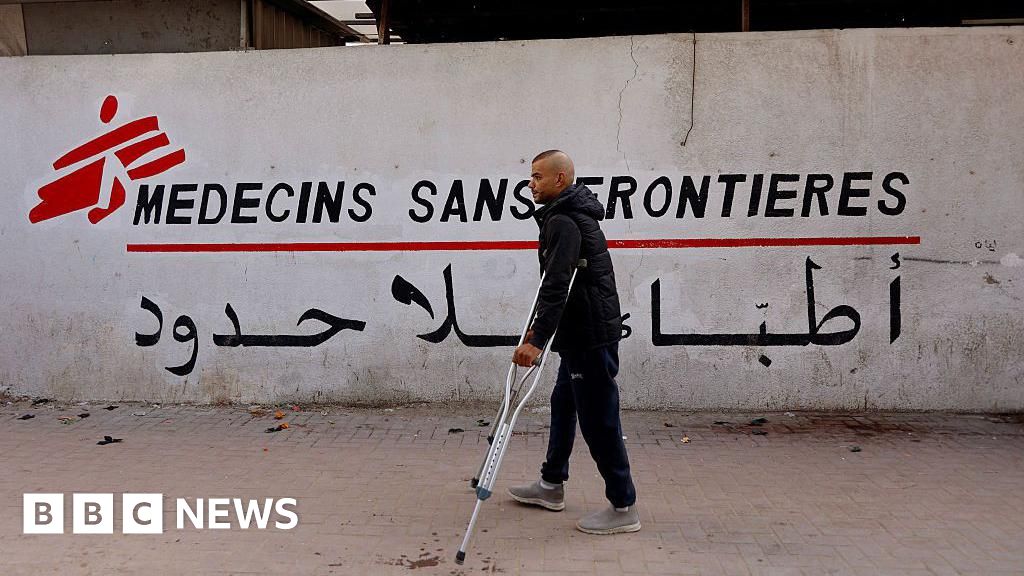
In an era marked by geopolitical upheaval and rising international tensions, the decision by Medical Sans Frontières (MSF) not to disclose its recent operational list underscores the growing complexities faced by humanitarian organizations working in the world’s most volatile regions. Citing safety concerns for its staff, MSF emphasized that sharing detailed operational information could jeopardize the lives of its personnel amidst ongoing conflicts. This stance reflects a broader awareness among NGOs that, in a fractured global landscape, the safety of aid workers increasingly depends on delicate, often clandestine, planning and secure communication channels.
The refusal to publish operational data highlights a critical shift in how aid agencies navigate conflict zones. Analysts note that, since the escalation of violence in regions such as Syria, Yemen, and parts of Africa, aid organizations face unprecedented risks—not only from hostile armed groups but also from collapsing governments and chaotic border controls. The decision by MSF also signals the urgent need for international institutions to reevaluate security protocols and reinforce the safety frameworks for humanitarian missions. Without transparency, however, the international community faces increased difficulty in assessing the scope of humanitarian needs and coordinating effective responses.
Historians and geopolitical analysts warn that these developments have a far-reaching geopolitical impact. As aid organizations retreat into silence, state actors and warring factions may interpret their silence as weakness or disorganization, potentially emboldening further aggression or territorial expansion. Furthermore, the United Nations and other multilateral bodies find themselves caught between the necessity of diplomatic engagement and the realities of dangerous operational environments. The decision by MSF underscores a growing consensus: the safety of aid workers is now an integral part of the larger geopolitical struggle for influence and stability in fragile states.
Veteran analysts warn that these trends could significantly influence future international responses to crises. Noted geopolitical strategist Jonathan Rees emphasizes that the loss of transparency could hinder diplomatic efforts—reducing international pressure on conflict parties to cease hostilities, while encouraging more clandestine and unpredictable violence. As global power dynamics continue to shift, and as nations prioritize national security concerns over international humanitarian commitments, the world stands at a crossroads. The ongoing challenges faced by organizations like MSF serve as a stark reminder: the very fabric of humanitarian work is intertwined with the volatile and often violent realities of contemporary geopolitics.
In the shadow of these unfolding events, history beckons us with a somber warning. As aid agencies grapple with the dangerous landscape of today’s conflicts, the question persists: will the international community rise to secure both the lives of aid workers and the stability of zones torn apart by war? Or will silence become the new language of diplomacy, leaving countless vulnerable populations without aid? The answer, undoubtedly, will further define our era—a chapter written in the blood and resilience of those caught in the crossfire of history’s relentless march forward.

In recent months, social and public health institutions across the United States have signaled a significant shift in their approach to childhood vaccinations. The Advisory Committee on Immunization Practices (ACIP), the longstanding body responsible for setting vaccine recommendations, is re-evaluating its stance, emphasizing individual choice and medical advice over mandated immunizations. This move, led by figures like Kirk Milhoan, a pediatric cardiologist and current chair of ACIP, reflects a broader cultural transformation in perceptions of personal autonomy versus public health responsibility. While advocates argue that this approach preserves individual rights, critics warn it risks undermining the collective safety that decades of vaccination campaigns have built, especially for vulnerable communities.
This renewed focus on personal freedom in vaccine decisions resonates strongly within families and local communities, many of whom have expressed concern that recent policy relaxations could lead to a resurgence of dangerous, yet preventable, diseases. Sociologists like Dr. Michelle Malkin warn that such shifts tend to fragment social cohesion, creating divisions not only between vaccinated and unvaccinated individuals but also within communities where trust in public health authorities wanes. School vaccination requirements, historically a cornerstone of disease prevention, are now being challenged as states and localities gain more authority to set their rules—some permitting philosophical exemptions that many experts believe threaten herd immunity and endanger children with weakened immune systems.
As epidemiologists raise alarms over rising cases of measles, mumps, and polio—diseases once believed eradicated in the U.S.—the debate about personal rights versus collective safety intensifies. The recent surge in measles cases, from a grim 416 confirmed cases this year compared to over 2,200 last year, exemplifies how fragile the health defenses built through vaccination have become. Historians of medicine note that these outbreaks threaten to unravel progress made during the vaccine era, which has saved millions of lives. Yet, the narratives now emphasize risks and fears, fueled by a vocal minority advocating for vaccine optionality, often rooted in concerns over potential side effects. Critics argue that this trend reinforces societal divisions and amplifies health disparities among underserved populations.
Amid this tumult, social commentators and public health advocates emphasize that the rights of the individual must be balanced against the rights of others—especially those incapable of vaccination due to health conditions. They contend that a community-oriented approach, rooted in scientific consensus and moral responsibility, is essential for safeguarding future generations. The challenge for society remains: can community bonds withstand the strain of individual choices, or will society need to forge a new understanding of shared responsibility? As the next ACIP meeting approaches and states consider further exemption policies, society stands at a pivotal point—where hope lies in unapologetically embracing both personal freedoms and collective accountability. In this delicate dance, the resilience of our communities will determine if society can turn the tide and preserve the safety and integrity of our shared future—a future where health, trust, and hope are woven together once more.
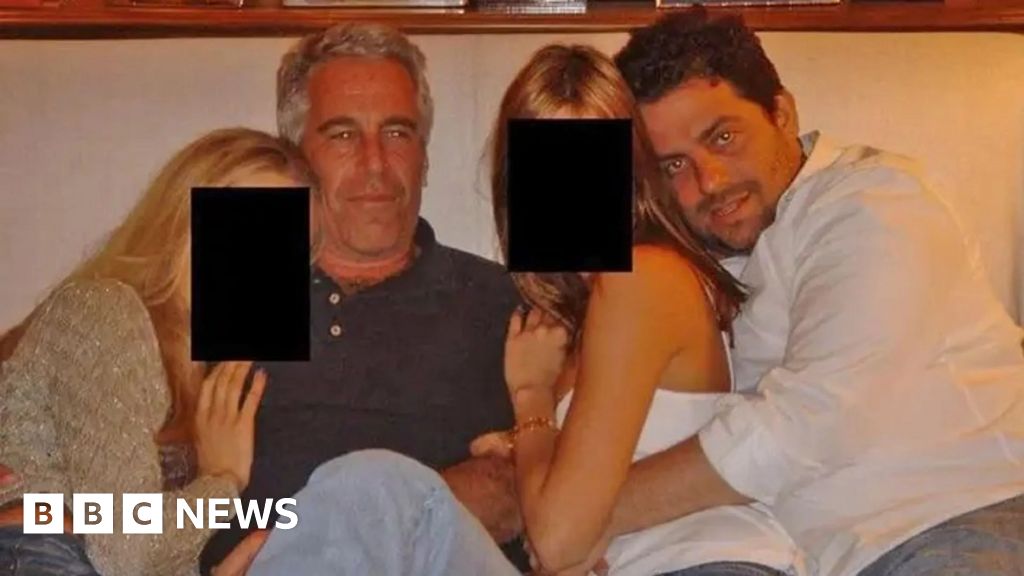
The recent release of photographs featuring American financier Jeffrey Epstein alongside entertainment figure Glenn Ratner and unidentified women has sent ripples across the international community, coinciding with Ratner’s controversial documentary about the First Lady of the United States. These images, emerging on the same day, have re-ignited debates over elite networks and their influence on global politics and society. While some may dismiss them as personal scandals, analysts and geopolitical observers recognize a deeper significance rooted in the power dynamics of transnational elites that span borders and disciplines.
The timing of this revelation is often viewed by experts as a calculated move, designed to divert global attention from more pressing geopolitical shifts. According to international relations scholars, the interplay between scandal and political discourse illustrates the fragility of public trust in institutions—particularly when intertwined with influential figures connected to wealth, power, and political agendas. The images highlight a broader concern: how clandestine associations among the world’s elite can impact governance, policy decisions, and international stability. From the corridors of Washington to diplomatic capitals worldwide, questions are emerging about the extent to which such networks control or influence paramount issues ranging from economic policy to national security.
In response to the fallout, numerous organizations and analysts have voiced warnings about the potential erosion of transparency and accountability. For instance, the European Council on Foreign Relations emphasizes that these revelations underscore the importance of scrutinizing transnational elite connections, especially in an era marked by rising geopolitical tensions. The United Nations and other international bodies continue to call for investigations into these influential circles. Meanwhile, historians warn against dismissing such scandals as mere distractions. Instead, they argue that these incidents are *markers* of larger shifts that threaten to redefine the balance of power—fostering a new era of clandestine diplomacy that operates beneath the veneer of public scrutiny.
As the world watches, the narrative remains unwritten; history’s pen continues to inscribe each development with profound consequences. The revelations serve as a stark reminder that the forces shaping our future are often hidden behind the facade of civility and diplomatic protocol. Whether these images will herald a decisive turning point or fade into the background remains uncertain. Nonetheless, the weight of history presses heavily on current events, urging societies to reflect on the unseen currents that now threaten the foundations of democratic transparency and international order. As the shadows lengthen over the corridors of power, only time will reveal the true scope of this unfolding story—an epoch where alliances, secrets, and scandals may determine the trajectory of nations for generations to come.

Recently, circulating rumors suggest that a former Philadelphia Eagles player, specifically a center, has committed to donating $300,000 to support a specific cause or fund. Such claims, while attracting attention, warrant careful scrutiny to determine their accuracy. As responsible citizens, it’s essential to differentiate verified facts from unsubstantiated rumors, especially when they involve large sums of money from public figures.
The initial report appears to lack direct confirmation from credible sources such as the athlete’s official social media accounts, reputable news outlets, or verified press releases from charities involved. The rumor seems to have gained traction on social media platforms, where misinformation can spread rapidly. To assess the validity, fact-checkers at organizations like FactCheck.org and PolitiFact typically examine official statements, financial disclosures, and direct quotes. As of now, there’s no publicly available evidence suggesting that the player has formally committed to such a donation. Absence of confirmation from verified sources indicates the claim is likely misleading.
The individual in question reportedly played the center position for the Philadelphia Eagles, a team with a storied history and active engagement in community outreach. Among former players, several have contributed to charitable causes and nonprofits, with some publicly announcing donations of significant amounts. For example, Jason Kelce and Brent Celek have engaged in community service, but there is no verified record of either committing $300,000 to a specific fund recently. Having no official or credible confirmation raises doubts about the rumor’s authenticity. The football player’s current public statements or charitable activities available through trusted sources like the NFL Players Association also do not report such a pledge.
If a high-profile athlete were to donate such a substantial sum publicly, it would likely be announced with transparency, involving press releases, media interviews, or official social media posts. This not only promotes transparency but also enhances the player’s reputation as a responsible and engaged member of the community. The absence of such confirmation suggests that the claim might be False. Furthermore, basing decisions or perceptions on unverified social media rumors jeopardizes trust and undermines responsible citizenship—especially when civic engagement and charitable donations play vital roles in societal well-being.
In an era where misinformation spreads rapidly online, especially around celebrities and sports figures, it’s crucial to rely on verified information from reputable sources. Organizations like the NFL, verified news outlets, and accredited charities serve as reliable indicators of actual commitments and donations. Without corroboration, claims of a $300,000 donation by a former Philadelphia Eagles center are, at best, unsubstantiated rumors and, at worst, misleading misinformation. Upholding the truth is the backbone of democracy and responsible citizenship—empowering individuals to make informed decisions based on facts rather than speculation.


