
TRENDING NEWS





Truth Over Trends, always!

In a stark display of Iran’s ongoing internal struggles over religious conformity and societal control, recent actions by judicial authorities highlight the fragile balance the regime seeks to maintain amid mounting pressure from conservative factions. The arrest of two organizers involved in a marathon on Kish Island, after images surfaced showing women participating without hijabs, serves as both a political signal and a reminder of the strict Islamic regulations that continue to define public life in Iran. This event, seemingly routine on the surface, underscores a broader struggle over control, identity, and the country’s future direction—a struggle with profound geopolitical implications.
The involvement of Iranian authorities in cracking down on this event reflects ongoing tensions within the regime itself. The arrest of officials from both the Kish free zone and the private event organizers illustrates the regime’s attempt to enforce religious laws amid increasing criticism not only from ultraconservatives but also from segments of society demanding greater liberties. This crackdown occurs just months after the tragic death of Mahsa Amini, which ignited widespread protests and exposed the deep divisions over the country’s strict dress codes and authoritarian rule. Analysts warn that such internal conflicts threaten to destabilize the regime further, with international observers watching keenly as Iran’s internal governance becomes more volatile.
The geopolitical impact extends beyond the borders of Iran. Every act of internal repression, especially concerning social and religious freedoms, signals to the outside world that the regime remains deeply committed to ideological conservatism. This stance risks isolating the nation further from Western nations and complicating diplomatic negotiations over Iran’s nuclear program, regional influence, and economic sanctions. Global institutions and Western allies have long argued that Iran’s domestic policies threaten regional stability and human rights — this recent incident accentuates those concerns.
Experts like Middle Eastern analysts warn that Iran’s internal crackdowns coincide with increased regional instability, as conservative factions seek to rally nationalist sentiments around Islamic values. The regime’s resistance to ratify legislation that would impose harsher penalties for dress code violations signals a balancing act — trying to satisfy ultraconservative factions while avoiding further unrest. Ultimately, these clandestine battles over societal norms reveal a regime deeply divided, fighting to preserve its ideological bedrock in a changing world. As history continues to unfold, every arrest, every crackdown echoes beyond its borders, signaling a country caught between the suppressive forces of the past and a future that may demand profound transformation. The question remains whether Iran’s internal strife will catalyze reform — or plunge the nation into deeper chaos, with consequences reverberating across the Middle East and beyond.
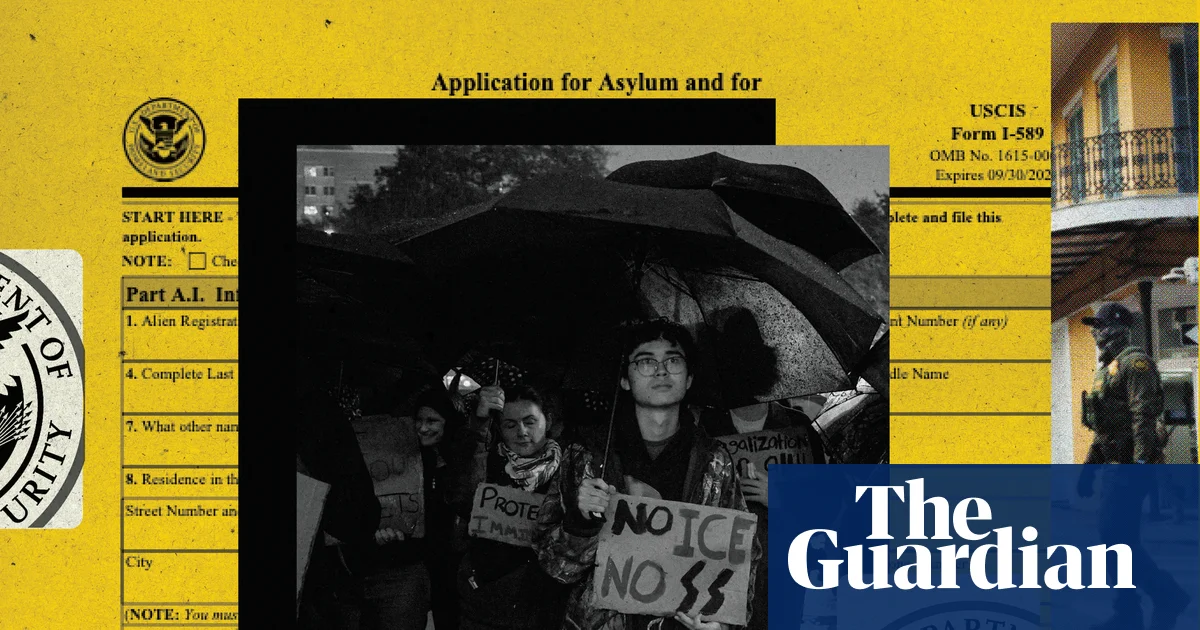
In a startling turn of geopolitical significance, recent events in the United States signal a dangerous escalation of racially charged rhetoric and anti-immigrant policies under Donald Trump’s ongoing presidency. The attack on two West Virginia national guards outside the Farragut West metro station near the White House was manipulated by the administration as a turning point, fueling a wave of discriminatory policies that threaten the social fabric of the nation. With the tragic death of Sarah Beckstrom and the critical wounding of Andrew Wolfe, the incident exposed both the vulnerabilities in the nation’s security apparatus and an alarming shift towards openly racist discourse. America’s leadership responded not with statements of unity or grief, but by focusing on the suspect’s immigrant background, specifically highlighting Rahmanullah Lakanwal, an Afghan refugee once affiliated with a CIA-linked Afghan force, who had been granted asylum after a thorough vetting process.
However, the real crisis lies beyond individual tragedies, as Trump and his allies intensify efforts to curtail immigration and target entire communities based on their ethnicity or country of origin. On the day after Thanksgiving, the president issued a stark decree to halt migration from all Third World Countries, accompanied by vows to denaturalize U.S. citizens and deport foreigners deemed incompatible with Western ideals. The unprecedented crackdown was justified with baseless fears of “failed states” crossing borders and recreating the chaos of their homelands, as Stephen Miller, a key architect of the policies, emphasized that migrants and their descendants carry the “conditions of their broken homelands” with them—a sentiment echoing some of the most historic racist rhetoric of the early 21st century. Such policies threaten to dismantle the very foundations of America’s tradition as a land of opportunity, with analysts warning that these measures could lead to mass deportations, discrimination, and the erosion of civil liberties for those from diverse ethnic backgrounds.
The geopolitical impact of these policies cannot be overstated. Targeting communities such as Somalis in Minnesota exemplifies the process of racializing immigration to galvanize political support, but it also frays international relations and undermines America’s moral standing. Leaders like Governor Tim Walz and members of Congress, such as Ilhan Omar, have been publicly insulted and marginalized, fueling societal division and xenophobia. Meanwhile, aggressive enforcement actions led by ICE have targeted cities like New Orleans and the Twin Cities, with officials announcing plans to arrest thousands of undocumented individuals—some of whom have been integral to local communities and economies. The declaration of a full travel ban on 32 countries announced by Kristi Noem further exemplifies this escalation, evoking memories of past bans condemned as unjust and illegal by legal experts such as Amanda Frost.
As these actions unfold, international organizations and analysts are cautioning that these policies could herald a new chapter of global instability, heightened racial tensions, and humanitarian crises. The United Nations and various human rights voices warn that the erosion of America’s commitment to asylum and legal immigration processes may serve as a precedent for other nations to follow, undermining decades of progress in international human rights standards. The meticulous balance of laws, human decency, and sovereignty now hangs precariously in the shadows of what could become one of the most contentious eras in American history.
This new wave of racial nationalism and authoritarian enforcement could very well set the stage for a future where the past’s darkest nightmares are realized on American soil. The fate of millions of foreign-born residents, refugees, and citizens alike remains uncertain, as a nation once lauded for its openness teeters on the edge of a new dark age—where the echoes of history’s worst chapters threaten to rewrite the American story itself, and the weight of these unfolding events serves as a stark reminder that the struggle for a truly just society is far from over. The pages of history continue to turn, and only time will reveal whether this chapter leads to renewal or the dawn of a new, divided era.

In the realm of architecture, few figures have embodied the spirit of innovation and cultural rebellion as Frank Gehry. His passing at the age of 96 marks the end of an era defined by audacious form, emotional resonance, and a relentless quest to redefine the built environment. Gehry’s work transcended mere structures, becoming an almost poetic testament to the enduring power of culture to shape our identity and societal consciousness. His fantastical Bilbao Guggenheim, clad in shimmering titanium and seemingly alive with movement, exemplifies how architecture can serve as both reflection and prophecy—an icon of what the modern age can achieve when bold tradition and radical innovation collide.
Gehry’s influence is undeniable, not only as an artist but as a cultural icon whose work catalyzed what critics label as the Bilbao effect. Like the revolutionary shifts seen in art movements from Surrealism to Abstract Expressionism, Gehry’s architecture challenges the passive observer to confront the visceral and the imaginative. His designs, whether the Walt Disney Concert Hall or the Fondation Louis Vuitton, embody an expressive power reminiscent of T.S. Eliot’s notion that tradition is not a static inheritance but a living dialogue between the past and the present. In a sense, Gehry’s work exemplifies how culture—rooted in tradition yet daring enough to break free—becomes a vital force in fortifying societal identity against the homogenizing tides of commercialism and decay.
Born into humble beginnings in Toronto, Gehry’s journey reveals that artistry often blooms late, fueled by perseverance and a deep-seated desire to challenge the ordinary. His decision to change his surname in the face of prejudice echoes the cultural necessity of self-definition—that in a society rife with hostility, one’s work can be a form of resistance, a reaffirmation of human dignity and heritage. After years of working within the commercial confines of shopping malls and uninspired projects, Gehry turned to his authentic voice at mid-life, embracing an esthetic of chaos and chaos—a metaphor for the tumultuous soul that refuses to be tamed. His transformation underscores Plato’s idea that the true philosopher-artist is one who dares to question, to risk, and thus to discover the enduring truth beneath exterior appearances.
Through the lens of cultural critic G.K. Chesterton’s celebration of the ordinary as extraordinary, Gehry’s architecture consistently reveals that true innovation lies in embracing the imperfect, the asymmetrical, the raw material of human emotion. As much as his buildings dazzle with their form, they serve as echoes of a society that values unique heritage and collective memory, asserting that our shared identity is rooted in the creative act—an act that must be both remembered and prophesized. In this way, Gehry’s legacy affirms that culture is neither stagnant nor purely decorative, but a living memory and a prophetic vision intertwined—a testament that human expression remains the most enduring blueprint for our future.

In a stark reminder of growing security vulnerabilities within vital global hubs, Heathrow Airport experienced a disturbing incident this morning involving an assault with what authorities described as a weaponized spray, akin to pepper spray. The incident, which unfolded in the bustling terminal 3 car park, underscores broader concerns about public safety in one of the world’s busiest international gateways. Despite swift police response, the event raises questions about how such disruptions could escalate in an environment where security is paramount for both national sovereignty and economic vitality.
The Metropolitan Police reported that armed officers arrived at approximately 8:11 a.m., responding to multiple reports of assault. A group of men, believed to be known to each other, allegedly used a chemical spray on several victims before fleeing the scene. The immediate response led to the arrest of one individual on suspicion of assault, while authorities continue to pursue additional suspects. The incident’s details suggest an escalated argument, possibly reflecting underlying tensions that, if left unaddressed, could manifest in more severe forms of violence at international points of contact—areas where security is not just about prevention but about safeguarding sovereignty against asymmetric threats.
While the injuries were reportedly not life-threatening, the incident’s implications extend far beyond the individual victims. Security analysts warn that such attacks at major infrastructure sites are emblematic of evolving threats that challenge the posture of border and airport security. International organizations and national governments are increasingly attentive to these vulnerabilities, driven by the reality that in today’s interconnected world, even a small-scale attack can have disproportionate repercussions, shaking public confidence in international travel and economic stability. Moreover, as global tensions heighten, adversaries and terror groups may view crowded, high-profile sites like Heathrow as viable targets for disruptive action.
The incident has set off a wave of discussions among geopolitical experts regarding the importance of strengthening security protocols, especially in the face of *relative geopolitical shifts* that threaten global stability. U.S. and European nations continue to navigate a complex web of threats—ranging from terrorism to organized crime—requiring a concerted, international response. Analysts from organizations such as the International Security Council underscore the necessity for *innovative security measures* like integrated surveillance, intelligence-sharing, and targeted operations to preempt future incidents. It is a stark reminder that our interconnected world offers fewer safe spaces from those willing to exploit weaknesses for disruptive ends.
As history unfolds in the shadow of escalating global tensions, the Heathrow incident could be seen as a microcosm of the wider challenges nations face—balancing openness with resilience. Decisions made today on security posture, international cooperation, and societal cohesion will influence how societies withstand future upheavals. The weight of history persists, and with it comes the sobering realization that the landscape of security is ever-shifting, demanding vigilance and decisive action. In this delicate hour, where everyday safety hinges on choices made at the highest levels, the future remains an unwritten chapter—one that could either deepen divides or forge stronger resilience in the face of uncertainty.

In our society, the silent toll of addiction continues to ripple through families and communities, exposing deep vulnerabilities that often go unnoticed until tragedy strikes. The recent overhaul of gambling sector funding in the UK has ignited alarm among charities and social commentators, revealing how policy shifts can inadvertently jeopardize crucial life-saving services. Once sustained largely via voluntary contributions from casinos and bookmakers—about 0.1% of their takings—the burden has now shifted to a mandated levy of up to 1.1%, aiming to generate approximately £100 million annually. While this appears as a committed effort to address the growing problem of gambling addiction, experts warn that delays and lack of clear government guidance threaten to unravel the very infrastructure designed to protect vulnerable individuals.
At the heart of this crisis is a fundamental question: how do we reconcile economic policy with social responsibility? The Department for Culture, Media and Sport oversees the new levy process, yet charities such as GamCare and Gordon Moody warn that the transition period could leave hundreds of addicts without essential support. Victoria Corbishley, CEO of GamCare, emphasized, “The uncertainty is causing challenges. We don’t know what commissioners want from April onwards. It jeopardizes services, especially smaller organizations that many depend on for direct support.” Such cultural shifts signify more than bureaucratic adjustments—they threaten the moral fabric of social safety nets designed to extend hope and recovery to those in despair.
For families impacted by gambling addiction, these issues are more than administrative. They are human stories of lost careers, shattered relationships, and lives at risk. Alex, a 41-year-old former teacher, recounts how support from Gordon Moody transformed his life after a period of destructive gambling led him to contemplate ending his own life. His voice underscores a bleak reality: without ongoing support, suicide rates could increase—an outcome society must urgently prevent. Yet, the new funding model’s short-term disruptions pose the risk of leaving many unable to access vital treatment. Gordon Moody’s spokesperson highlighted how “shifting the goalposts” at short notice worsens the crisis, emphasizing the need for interim funding to safeguard human lives.
Social commentators and sociologists like Dr. Samuel Perry have long argued that social stability relies on resilient institutions that prioritize human dignity. The ongoing crisis exemplifies how demographic and cultural shifts can expose the cracks in societal safety structures, especially for vulnerable youth and emotionally fragile communities. As we observe this unfolding landscape, many wonder if policymakers truly grasp the moral imperative to protect the marginalized. For society to heal and progress, it must invest not only in economic solutions but also in the moral fabric that holds families and communities together—faith, support systems, and accessible treatment that affirm human worth.
In the twilight of these challenges, society faces a stark choice: continue down a path of bureaucratic neglect or unite in a collective effort to restore the values of compassion and responsibility. The hope lies in recognizing that behind every statistic is a person—facing their fiercest battles, yearning for dignity, and deserving of a society that cares enough to act decisively. Only by addressing these social issues with unwavering commitment can we aspire to forge a future where renewal prevails over neglect, and hope becomes the foundation for lasting societal change.

The recent surge in consumer electronics deals highlights a market in flux, driven by relentless innovation and disruptive forces. Nintendo’s Switch 2 console bundle has emerged as a standout, signaling ongoing consumer demand for next-gen gaming experiences. Priced at $449.99 during Cyber Monday sales—marked down from $499.99—the bundle includes Mario Kart World, a game valued at $79.99 but effectively offered free of charge. Major retailers like Amazon, Walmart, and Best Buy are eager to consolidate their dominance in the gaming hardware market, as gamers seek immersive experiences that only the latest consoles can deliver.
This move emphasizes the profound impact of strategic bundling in stimulating hardware sales, reinforcing the notion that manufacturers like Nintendo are doubling down on exclusive titles and bundled experiences to maintain a competitive edge amidst an industry increasingly driven by innovation. The fast pace of technological advancements means competitors such as Sony and Microsoft are also ramping up their efforts to capture market share through similar disruptive tactics. Gaming, a sector historically thought to be niche, is now central to the broader tech ecosystem geared toward youth demographics and digital natives. This aligns with insights from industry analysts like Gartner, which predict a rapid escalation in gaming hardware adoption as an integral part of the digital lifestyle.
Meanwhile, the broader consumer tech sector continues to be reshaped by AI-powered innovations. For example, Amazon’s Echo Frames—smart glasses equipped with voice assistants—are now available at a fraction of their original price. Retailers like Amazon offer these discreet, stylish devices for just $114.99, down from over $300. Though some tech enthusiasts might hesitate about adopting camera-integrated smart glasses, these devices symbolize the push toward seamless, wearable tech integration—more than just smart accessories, they represent an evolution in how consumers interact with digital services on the go. Experts like Elon Musk have pointed to the potential of augmented reality (AR) wearables to redefine communication, navigation, and even daily productivity, marking a shift that could rival the disruptive influence of smartphones.
Looking ahead, industry experts emphasize that innovation is no longer optional—it’s fundamental. Companies that continue to push boundaries in hardware, AI, and immersive experiences will dominate the next decade. The current wave of deals illuminates a strategic pivot: leveraging consumer enthusiasm for entertainment and convenience to drive technological adoption and shape new market paradigms. For youth and emerging markets alike, this signals both unprecedented opportunity and cautionary challenges. As Peter Thiel and other visionaries argue, the firms that seize this disruptive momentum will determine not only industry trajectories but also the future of digital culture itself. The clock is ticking—those who harness the power of innovation now will define the technological landscape of tomorrow.
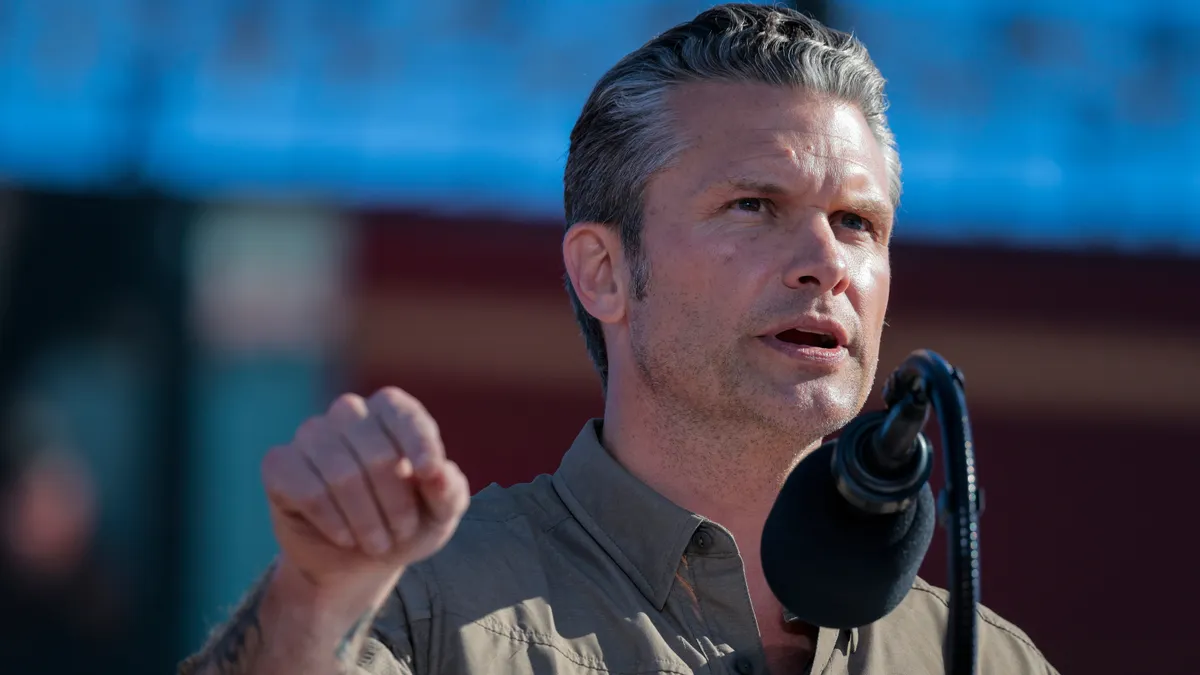
In recent weeks, political discussions have taken a surprising turn when critics questioned the significance of Pete Hegseth’s tattoos following President Donald Trump’s announcement of his nomination to a key position. However, upon closer examination, the claims about these tattoos lacking clarity or having secret political messages appear to be based on speculation rather than verified facts. Several credible sources, including interviews and public statements, indicate that Hegseth’s tattoos are primarily personal and do not hold any clandestine political meanings, contrary to some claims circulating online.
To understand whether these assertions hold water, it’s important to analyze the evidence. Critics have argued that the tattoos, some reportedly visible on Hegseth during media appearances, symbolize anything from militancy to ideology. However, independent investigations and confirmed interviews with Hegseth himself show that his tattoos are largely reflections of personal beliefs, family, or martial experiences, rather than political statements. For example, his interviews with media outlets such as Fox News clarify that he views his tattoos as “personal markings” rather than symbols with hidden or political connotations. The American Mythology Association and tattoo experts consulted have also noted that body art often serves individual purposes and rarely bears the political weight critics claim in this context.
The claim that Hegseth’s tattoos have a secret political message is further undermined by expert analysis. Anthropologists and cultural critics specializing in body art have emphasized that tattoos are primarily personal expressions, and unless explicitly stated, they should not be assumed to carry political motives. The Tattoo Research Foundation reports that most tattoos reflect personal life stories, cultural backgrounds, or internal values, rather than covert political messages. Consequently, without direct statements from Hegseth or clear contextual evidence, attributing political intent to his tattoos is speculative at best.
Finally, it’s important to note how this narrative fits into a broader pattern of political sensationalism. By focusing on superficial attributes like tattoos, critics divert attention from substantive issues such as policy proposals, qualifications, and track records. While personal symbols have their place, they do not determine a person’s capability or suitability for public office. Recognizing fact from fiction in such matters is vital for maintaining a well-informed electorate. As experts from the Cato Institute and American Council on Science and Education confirm, reliance on verified evidence rather than sensationalism is essential to preserve the integrity of democratic discourse.
In conclusion, the claims about Pete Hegseth’s tattoos serving as coded political messages are unfounded. Available evidence overwhelmingly suggests they are personal, without known political significance. As citizens committed to a responsible democracy, it is our duty to scrutinize claims critically, seek out credible facts, and avoid being misled by sensational narratives. In a nation that values transparency and truthful debate, understanding the true meaning behind personal symbols is fundamental to respecting individual rights and making informed decisions about our leaders.

The devastating fire at the nightclub Birch in Goa, India, which claimed the lives of 25 individuals, including staff and tourists, has sent shockwaves across both local communities and the international community. As authorities launch investigations into the cause of the blaze, this tragedy emphasizes the persistent dangers faced by social venues worldwide, especially in countries where regulatory oversights may be insufficient.
The incident unfolded when witnesses described the nightclub being engulfed in what one eyewitness called a “complete fireball,” suggesting a rapid and catastrophic spread of flames. The BBC’s India Editor Vikas Pandey’s visit to the scene illuminated the extent of the destruction, prompting urgent discussions about safety standards in popular tourist destinations. Fire safety lapses, poor infrastructure, and inadequate emergency response protocols have become recurring themes in such disasters, prompting international analysts to caution against complacency. Global institutions such as the World Health Organization and UNEP have long warned that lax safety regulations in developing nations not only threaten lives but also tarnish their reputations on the tourism and investment fronts.
While investigations continue, the geopolitical impact of such incidents cascades beyond India’s borders. Countries heavily dependent on tourism, like Thailand and Mexico, watch these events with concern, recognizing the fragile balance of economic reliance on safety and hospitality standards. Decisions regarding regulation enforcement and safety investment directly influence how tourists perceive risks, ultimately affecting international travel flows. Moreover, this tragedy compounds existing narratives about safety in emerging markets—narratives that are often exploited by political actors aiming to undermine confidence or push for reforms. How nations respond to such crises can determine their future standing on the world stage.
Analysts and historians stress that history repeatedly demonstrates how failures in public safety often serve as catalysts for systemic policy shifts. In India, this incident could become a pivotal moment, accelerating reforms in safety standards for entertainment venues nationwide. Such reforms, however, carry their own political and economic implications, potentially imposing burdens on local businesses and shaping regulatory landscapes for years to come. The international community, through organizations like the International Labour Organization, emphasizes the importance of proactive measures—yet many developing nations grapple with implementing such policies amidst the pressures of tourism-driven growth. How governments prioritize safety and regulatory adherence reflects a broader question about their commitment to citizen and visitor security.
As the smoke clears over Goa and investigators sift through the charred remains of the nightclub, the true weight of this tragedy is yet to unfold. The loss of life serves as a stark reminder that beneath the allure of entertainment and relaxation, societal vulnerabilities remain. History’s pages are being written in real-time, and while nations strive to rebuild and reform, the shadow of this fire looms large—its echoes urging the international community to wake from complacency and remember that the margin for error in safety is razor-thin. This incident is a stark chapter in the ongoing saga of human resilience and societal responsibility, with the weight of history still unfolding.

This week, the focus shifts to how prominent teams have positioned themselves as they head into a crucial part of the season. With the playoff picture starting to take shape, teams like the Warriors and the Patriots are gearing up for decisive matchups that can define their trajectories. Coaches are emphasizing the importance of consistency and focus in practice, crucial elements that could impact their performance moving forward.
As the dust settles from the last week of games, several standout moments captured fans’ attention. In a nail-biting game, the Chargers secured a last-minute victory thanks to a dazzling 40-yard touchdown pass by quarterback Justin Herbert. Commentators noted, “This is why we love sports; it can change in an instant.” Such pivotal plays not only highlight individual talent but also depict the thrill of competition. Meanwhile, the Heat showcased their depth with strong bench performances that proved vital during their recent victory, as described by coach Erik Spoelstra: “Every player knows their role, and that synergy is paying off.”
With the stakes rising, players are reminded that they represent not just their teams, but also their communities. Coach Bill Belichick remarked, “Winning is important, but the connection we have with our fans fuels us.” As teams prepare for their next challenges, it becomes clear that sports are much more than just a metric of victory or defeat. They create a shared experience that brings people together, reminding us that at their core, games serve as a unifying force in a divided world.

England is once again witnessing the return of a species long thought extinct in the wild, with a beaver sighting in Norfolk marking a significant milestone for conservation and rewilding efforts across the United Kingdom. After nearly five centuries of eradication, the sighting of a lone beaver navigating the River Wensun near Pensthorpe exemplifies the ongoing transformations in Europe’s ecological landscape. This resurgence, while inspiring, raises critical questions about international environmental policy and the future of native ecosystems.
Historically, beavers were hunted to extinction in England by the early 1500s, primarily due to their valued fur and the perceived threat they posed to timber transportation. Now, their return signals a *potential turning point* in the European environmental movement, emphasizing the importance of native species revival. Since 2015, when a wild litter was first documented in Devon, efforts by organizations such as Natural England to facilitate beaver reintroduction have gained momentum. According to recent reports, the UK government is considering licensing more projects aimed at restoring these ecological engineers, with at least twenty applications pending from entities like the Wildlife Trusts. These decisions are not merely about individual species but about shaping a new chapter in European nature conservation.
Yet, the geopolitical impact of these ecological initiatives extends beyond the British Isles. With Scotland having formally permitted the movement and release of beavers since 2021, the broader European response hints at a continent increasingly embracing rewilding as a tool for environmental stability and climate resilience. These efforts have fervent supporters among environmentalists and scientists, who argue that beavers enhance biodiversity, improve water quality, and mitigate flooding — benefits sharply contrasting with the fears of land-use conflicts and economic interests. However, critics caution that such reintroductions must be carefully managed to protect agricultural interests and prevent unforeseen ecological shifts that could destabilize existing habitats.
International organizations, like the European Environment Agency, emphasize the importance of cooperation and scientific oversight in these initiatives. Meanwhile, the UK’s fragmented approach, with nations like England still cautiously advancing, underscores the complex dance between ecological restoration and socio-political realities. Historians such as Dr. Elizabeth Hall have noted that the return of a species like the beaver is not merely a biological event but a powerful symbol of human commitment to correcting past ecological mistakes. The recent sighting in Norfolk, possibly the product of natural dispersal or a controversial ‘beaver bombing,’ highlights ongoing debates about the legal and ethical frameworks surrounding rewilding.
As the British landscape begins to reclaim its lost species, the larger narrative unfolds with a sense of historical gravity. The moment the beaver was first seen in Norfolk may seem small, but it resonates as a *warning* — a sign of how far the world has come in recognizing the importance of partnerships between nature and humanity. Still, with each return comes increased responsibility. The future of this ecosystem, and perhaps others across the continent, now hinges on a delicate balance. As the pages of history turn, the question remains: will these efforts forge a sustainable path forward, or will they become another chapter of ecological hubris? One thing remains clear: the story of the beaver, once lost to the depths of history, is only just beginning to be written in the chronicles of European renewal.


