Dissecting the Truth: DHS Claims vs. Video Evidence in Minneapolis Shooting
In the wake of the tragic shooting of Alex Pretti on January 24 in Minneapolis, official accounts from the Department of Homeland Security (DHS) and law enforcement representatives have come under scrutiny. While initial statements portrayed Pretti as an armed threat, subsequent video analyses and expert evaluations reveal inconsistencies that challenge these claims. As responsible citizens, understanding the facts behind such incidents is fundamental to safeguarding democratic principles rooted in transparency and accountability.
The DHS Narrative Versus Video Evidence
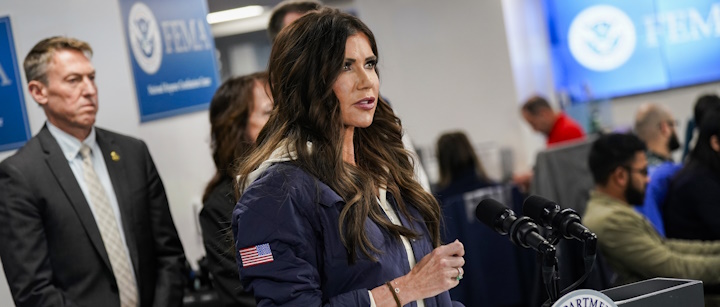
According to DHS and officials such as Border Patrol Commander Gregory Bovino and DHS Secretary Kristi Noem, the agency’s initial statement claimed that Pretti “approached US Border Patrol officers with a 9 mm semi-automatic handgun, seen here,” and that he “wanted to do maximum damage and massacre law enforcement.” These statements depicted Pretti as actively threatening officers and intending harm, which served as a rationale for their use of deadly force. However, independent video review by outlets like the Star Tribune and CNN casts serious doubt on this narrative.
- Multiple video analyses show Pretti holding a cellphone, not a gun, at the time of the incident.
- Eyewitness accounts and videos do not depict Pretti brandishing or pointing a firearm in a threatening manner.
- Agent testimony indicates that officers did not see Pretti brandishing the weapon until after restraining him on the ground.
The New York Times and Washington Post further emphasize that the videos do not support claims of Pretti threatening law enforcement with a firearm. Instead, they show a man stabilizing on the ground, seemingly recording the event, with the gun reportedly found inside his waistband — a lawful possession under Minnesota law with a permit. Yet, the DHS’s public claims suggest an active threat that, according to these videos, might not have existed at the moment of shooting.
Official Statements and Their Contradictions
Public statements from DHS and affiliated officials have repeatedly characterized Pretti as dangerous and intent on violence. DHS, for instance, claimed that he “violently resisted” an attempt to disarm him, and that he “wanted to do maximum damage.” Yet, experts like John Cohen, a former DHS official, point out that the available video evidence does not depict Pretti in a threatening act. Cohen highlights that “there’s nothing in the video to support DHS’s statement that he intended to shoot law enforcement officers.”
Further complicating the official narrative are discrepancies over whether Pretti ever brandished the firearm or posed an immediate threat. Border Patrol officials have been reticent about releasing body-camera footage, citing an ongoing investigation, which leaves a significant gap in public understanding. Meanwhile, media investigations reveal that officers appeared to realize only after suspecting him of having a gun, raising questions about the justification for the use of lethal force.
The Political and Media Amplification
Figures like President Donald Trump and White House Homeland Security Adviser Stephen Miller have amplified the DHS narrative, calling Pretti a “gunman” and an “assassin.” Such characterizations, based on limited evidence, can skew public perception and undermine objective inquiry. DHS Secretary Noem’s statements about Pretti “attacking” officers and “wishing to inflict harm” align with this narrative but clash with video evidence showing no threatening gestures or aggressive stance.
The media’s role is equally crucial. An independent review by outlets such as CNN, the Star Tribune, and the Washington Post underscores the importance of corroborating official claims with visual and eyewitness evidence. This independent analysis reveals that the initial, emotionally charged statements may have overstepped the available facts, highlighting the dangers of premature conclusions amid ongoing investigations.
Conclusion: The Imperative of Truth in Democracy
The case of Alex Pretti exemplifies the necessity for transparency and thorough fact-finding in incidents involving law enforcement and lethal force. When official narratives contradict visual evidence and expert assessments, it becomes imperative to scrutinize statements and demand accountability. Protecting democratic freedoms depends on a society where truth prevails over misinformation, especially in scenarios where public trust and justice hang in the balance. As responsible citizens, understanding the facts and demanding clarity is not just advisable — it is essential to uphold our democratic ideals and ensure that justice is truly served.