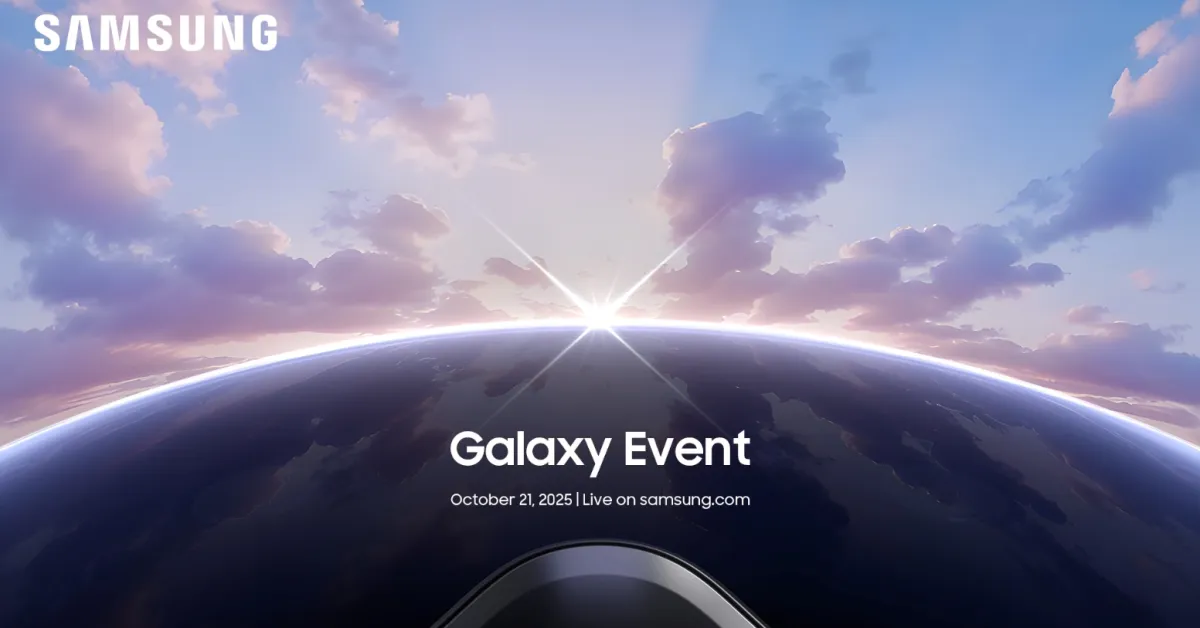
The upcoming reveal of Samsung’s Project Moohan signals a pivotal moment in the evolution of mixed reality (XR) technology. Scheduled for October 21st during the “Worlds Wide Open” Galaxy event, this headset aims to harness the innovative Android XR platform, a collaborative development by tech giants Samsung, Google, and Qualcomm. The initiative marks a serious push toward scaling XR across diverse form factors, with the explicit goal of making AI-integrated immersive experiences a cornerstone of everyday life. This strategic move could fundamentally reshape how consumers and businesses interact with digital environments, steepening the disruption curve in the XR space.
Initial hands-on impressions, gained by industry journalist Victoria Song late in 2024, suggest that Android XR is designed with broad utility and seamless integration in mind, positioning it as an open and scalable platform. Samsung claims that Project Moohan “blends everyday utility with immersive new experiences,” highlighting an industry trend where XR moves beyond niche applications towards mainstream adoption. The implications for business are profound; companies that adopt this technology could significantly enhance remote collaboration, training, and consumer engagement — fueling a new era where immersive AI-driven content becomes standard in both professional and entertainment sectors. As this device is poised for a full launch, analysts from Gartner emphasize that this development could accelerate market consolidation, forcing other tech giants like Apple and Meta to innovate more aggressively to remain competitive.
The industry’s attention is also on Apple’s anticipated upgrade to its Vision Pro, reportedly featuring a faster chip and possibly a new headset design. FCC filings have already hinted at a new Vision Pro model, prompting speculation about Apple’s strategic pivot towards lighter, more user-friendly smart glasses — a shift confirmed by reports of sidelined work on a less bulky headset. This move signifies a broader industry disruption, where headsets become less invasive and more integrated into daily wearables, shifting the paradigm from isolated devices to a ubiquitous digital overlay. Industry experts like Elon Musk and Peter Thiel have long warned of the importance of disruption as a driver of innovation, and the imminent competition in XR hardware underscores the emerging landscape where innovation is expected to accelerate exponentially.
Looking forward, the combination of Samsung’s tailored XR ecosystem and Apple’s pursuit of smarter, lighter glasses indicates a transformative phase in immersive technology. The fact that industry leaders are now investing heavily in AI-powered, scalable XR solutions highlights a future where digital and physical worlds converge seamlessly. Organizations, developers, and consumers must prepare for an impending era where immersive AI is not just a novelty but an essential element of everyday business and social interaction. The race to dominate the XR ecosystem is heating up, and those who innovate rapidly will define the next chapter of technological disruption and digital transformation, leaving competitors in the dust as the future of mixed reality unfolds.”