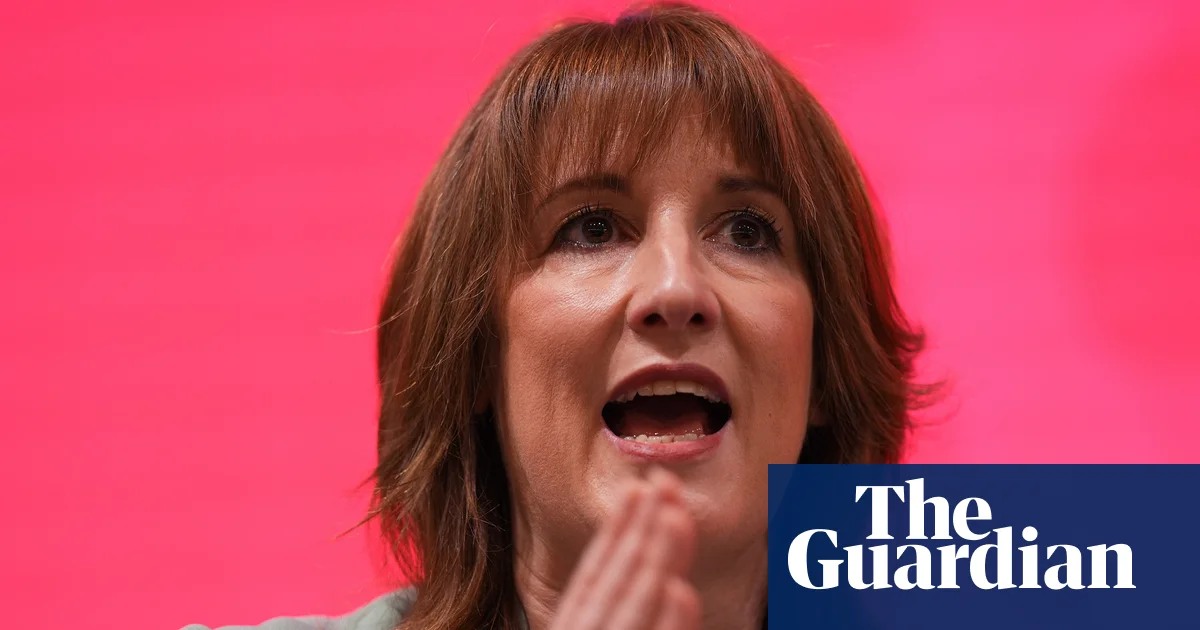

The United Kingdom faces an increasingly precarious economic landscape as new official figures reveal a higher-than-expected monthly deficit of £14.3 billion. The Office for National Statistics (ONS) attributed this widening gap to the timing of government debt repayments, underscoring the fragility of fiscal measures in a turbulent geopolitical climate. While the government has successfully reduced the current budget deficit for the first eleven months of the fiscal year by 21.1%, reaching £62.1 billion, the outlook remains uncertain. Analysts warn that rising energy prices, inflation, and interest rates—driven by ongoing conflicts in the Middle East—could soon jeopardize the £23 billion buffer the Chancellor, Rachel Reeves, claims to have left against fiscal rules. The economic decisions made today could shape Britain’s capacity to withstand the storm of international turbulence, with experts emphasizing how vulnerable the nation’s fiscal stability truly is in the current global context.
The UK’s approach has been to balance increased borrowing for investment projects with significant tax hikes, aiming to shrink the deficit while fostering economic growth in an uncertain environment. Prime Minister Reeves contends that her government’s strategy has bolstered the nation’s resilience, citing recent tax revenue increases and targeted energy bill cuts from April. However, critics from economic think tanks and international bodies warn that these measures might be insufficient as external shocks intensify. The Bank of England remains cautious, holding interest rates at 3.75%, with hints that they could rise if inflationary pressures escalate—particularly in light of rising oil prices above $100 a barrel and the effective closure of the Strait of Hormuz.
International analysts and economic historians note that the UK’s fiscal maneuvering is occurring against a backdrop of rising geopolitical risks. As entities like the IMF and OECD warn of heightened global instability, Britain’s monetary policy decisions are scrutinized for their potential to either mitigate or exacerbate vulnerabilities. The ongoing conflict in the Middle East has global reverberations—disrupting energy supplies, pushing inflation upwards, and making interest rate adjustments more complex. The “turning point” in international stability could dramatically reshape economic forecasts, with the UK caught between safeguarding fiscal credibility and responding to the unpredictable tides of global conflict.
In the grand narrative of history’s unfolding, Britain’s fiscal response today may be remembered as either a calculated resilience or a perilous gamble. As the world watches shadows lengthen across geopolitics and economies brace for the storm, the decisions made in Westminster will echo through generations. When future historians look back, they may see these years as a crucible—testing whether a nation grounded in free enterprise and strategic foresight could withstand the relentless march of global chaos or succumb to the weight of its own vulnerabilities. In the end, the question remains: whose fate will be written in the ashes of this turbulent era? The answer, like history itself, remains *unwritten*.