
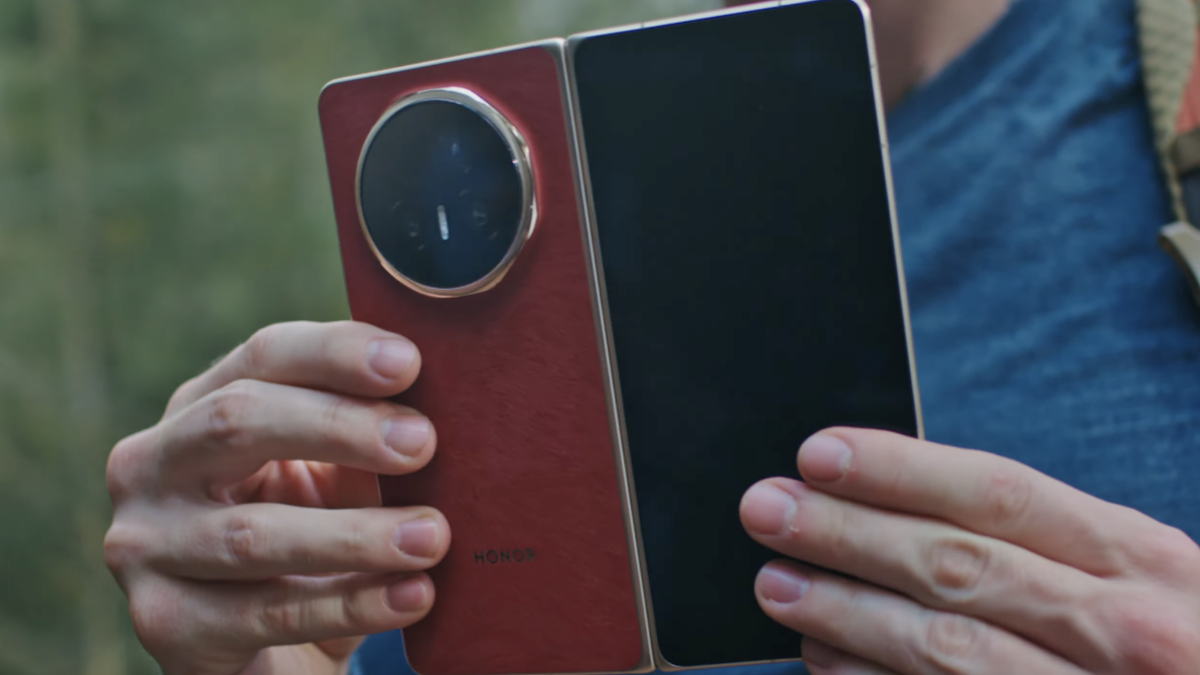

As the tech world converges on Barcelona for this year’s Mobile World Congress, one theme resonates louder than ever: slimness as the new frontier of innovation. Leading brands like Honor are unveiling devices that push the boundaries of thinness while packing cutting-edge features. Their latest creations, the Honor Magic V6 foldable phone and the MagicPad 4 tablet, exemplify a cultural trend where design minimalism merges with technological prowess. The Magic V6, for example, is only 8.75mm thick—so slim it challenges traditional notions of what a smartphone can be—while the MagicPad 4 flaunts a mere 4.8mm profile. These devices signify not just an evolution in hardware but also an emerging societal desire for unobtrusive, sleek technology that seamlessly fits into a fast-paced lifestyle.
The Cultural Impact of Slim Tech
This focus on ultra-thin gadgets reflects a broader social relevance in a society obsessed with minimalism and convenience. In a world where attention spans are dwindling, and multitasking is king, these sleek devices serve as both functional tools and status symbols—accessories that communicate success and modernity. Influencers and trendsetters, from tech bloggers to social media personalities like Marques Brownlee and Unbox Therapy, are elevating these gadgets to cultural icons, showcasing how a phone or tablet can be both powerful and fashionable. Scholars like Dr. Joseph Pine argue that this shift indicates a move towards experience-driven consumption, where consumers are less interested in owning bulky objects and more eager for intangible value, style, and user experience.
Meanwhile, AI integration remains a key component of this trend. Honor’s deployment of Google Gemini symbolizes how software—especially AI-powered features—is transforming these devices into intelligent companions. These advances mean our gadgets are becoming more than just tools; they’re evolving into social extensions, capable of understanding and adapting to individual behaviors, further reinforcing the social relevance of tech innovation. From syncing effortlessly with Apple devices to offering dynamic eye comfort features, these devices are designed to be unobtrusive yet intimately integrated into everyday life.
The Next Big Question: Are We Entering an Era of Invisible Tech?
With these ultra-slim smartphones, tablets, and even laptops, a provocative question arises: Are we approaching a future where technology becomes so seamlessly integrated into our lives that it becomes essentially invisible? The ongoing miniaturization signals a shift toward disappearing devices: gadgets so refined they practically vanish, leaving us with a pure, distraction-free experience. The social implications of this are profound. If our next devices are less about conspicuous presence and more about subtle integration, what does that say about our relationship with technology? Will this trend lead to a society where our devices are no longer objects of display but silent enablers of connectivity? And how will this influence future societal norms concerning privacy, dependency, or even our concept of identity?
As the tech industry channels its efforts into making hardware thinner and smarter, the ultimate challenge remains: how will societal expectations and behaviors adapt in this new era of invisible, AI-enhanced devices? The answers may redefine lifestyle trends for generations to come, challenging us to consider whether true innovation resides not only in what our gadgets can do but also in how seamlessly they blend into our lives, perhaps even before we notice they’re there.





