
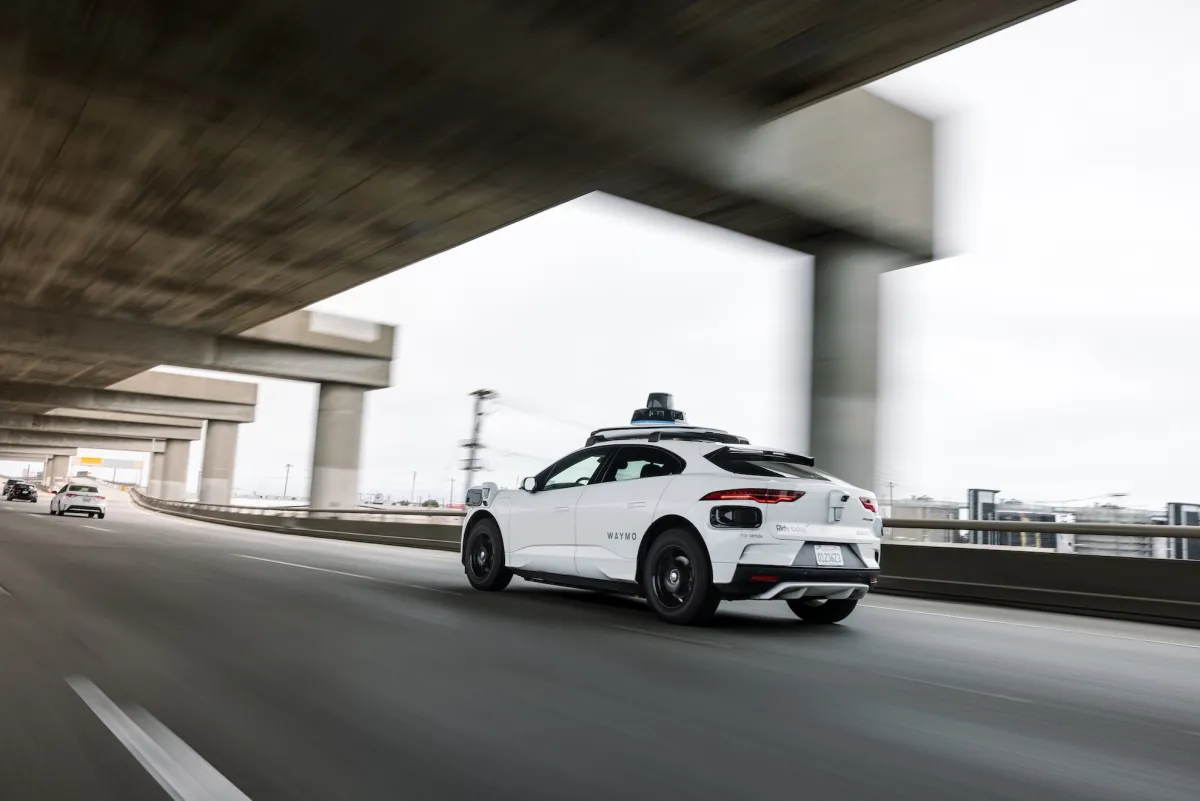

In a remarkable demonstration of disruption and innovation, Waymo, the pioneer in autonomous vehicle technology, is on the verge of closing a colossal $16 billion funding round, which positions the company at an impressive $110 billion valuation. Backed heavily by Alphabet, the parent company of Google, this funding underscores the strategic importance of AI-powered mobility as a critical frontier for tech giants vying for dominance in the future of transportation. With significant investment from venture powerhouses like Sequoia Capital, Dragoneer, and DST Global, Waymo is clearly positioned not just as a leader but as an industry disruptor set to redefine urban mobility.
This influx of capital signifies more than just financial backing; it reflects confidence in autonomous vehicle technology as a game-changing force. The company’s rapid expansion, exemplified by its recent launch in Miami, marks a strategic pivot to urban environments where demand for safe and reliable autonomous taxis is surging. However, technological hurdles remain, as the company has faced setbacks—such as instances of robotaxis stalling during significant blackouts—highlighting the challenges inherent in scaling next-gen transport systems for real-world urban settings.
- High-growth trajectory with over 20 million trips completed
- Existing annual recurring revenue exceeding $350 million
- Recent Series C fundraise valued at $45 billion
The strategic investment landscape reveals a clear message: autonomous vehicle technology is no longer just a niche innovation but a cornerstone of future urban infrastructure. As MIT researchers and tech analysts like Gartner emphasize, the combination of advanced AI, real-time decision-making algorithms, and scalable infrastructure will make autonomous mobility the primary solution for urban congestion and pollution concerns. This trend indicates a tectonic shift towards a mobility ecosystem driven by disruption, where traditional automotive giants will face intensifying competition from autonomous-first startups backed by elite venture capital.
Industry insiders warn that while the technological breakthroughs from companies like Waymo and others will revolutionize the landscape, they also introduce new markets of political, regulatory, and safety challenges. Yet, the momentum remains unstoppable—investors and industry leaders are betting heavily on a future where these autonomous platforms become dominant. The scale of this latest funding round marks a turning point; it is a wake-up call for established automakers and a clarion call for startups aiming to accelerate their autonomous solutions. Time is running out for incumbents to adapt, innovate, and capture the transformative potential of autonomous mobility before the industry is reshaped completely.
In conclusion, Waymo’s aggressive push into new cities, backed by monumental funding and strategic partnerships, reflects a high-stakes race for supremacy in the autonomous vehicle domain. As the industry hurtles toward widespread deployment, only those capable of pioneering disruptive innovations and navigating complex regulatory landscapes will survive. The future belongs to those who can harness this wave of technological revolution—markets must brace for a new era where autonomous mobility becomes the backbone of modern urban living, and the stakes have never been higher.





