

Tuesday’s primary elections in Nebraska, West Virginia, and New Jersey have set the stage for the highly anticipated 2026 midterm elections, offering early indicators of the political currents shaping the battle for control of Congress. With less than six months until the general election, these state-level contests are crucial for both parties as they strategize to secure or expand their legislative power.
Republicans currently hold razor-thin majorities in both the House and Senate, making every race significant. Democrats, meanwhile, are aiming to mount a “blue wave” to shift the balance of power. The outcomes of these initial ballot box showdowns will undoubtedly influence national narratives and campaign strategies moving forward.
Nebraska’s Pivotal Senate Race
In red-leaning Nebraska, the focus is squarely on the Senate race, where incumbent Republican Senator Pete Ricketts is seeking a full six-year term. Appointed in 2023 and winning a special election in 2024 to complete a partial term, Ricketts faces several primary challengers, though he is widely expected to secure his party’s nomination. His campaign is already looking ahead to the general election, where he is slated to face independent candidate Dan Osborn.
Osborn, an industrial mechanic and military veteran, previously demonstrated his electoral strength by mounting a surprisingly strong challenge against Republican Senator Deb Fischer in 2024. While the Nebraska Democratic Party has indicated support for Osborn in the general election, two Democrats, community college instructor Cindy Burbank and pastor Bill Forbes, are also vying for their party’s nomination in the primary. This dynamic suggests a potentially competitive general election, underscoring the importance of Nebraska’s contribution to the broader midterm primaries narrative.
West Virginia’s Republican Dominance Tested
West Virginia, a state with a strong Republican leaning, also held significant primary contests. Veteran Republican Senator Shelley Moore Capito is facing five primary challengers as she seeks re-election. Despite the number of opponents, Senator Capito enjoys the strong backing of former President Donald Trump, a significant advantage in the state’s GOP-dominated political landscape. Her expected victory in the primary will pave the way for a general election contest where she will be a formidable incumbent.
The West Virginia primary serves as a reminder of the enduring influence of key endorsements and the solid conservative base that defines the state’s electoral politics. The results will be closely watched for any shifts in voter sentiment within the Republican party, particularly concerning establishment figures versus more insurgent candidates.
“These primary contests are not merely local battles; they are the foundational skirmishes that will ultimately decide the composition of our national legislature and the direction of our country.”
New Jersey’s Local Impact
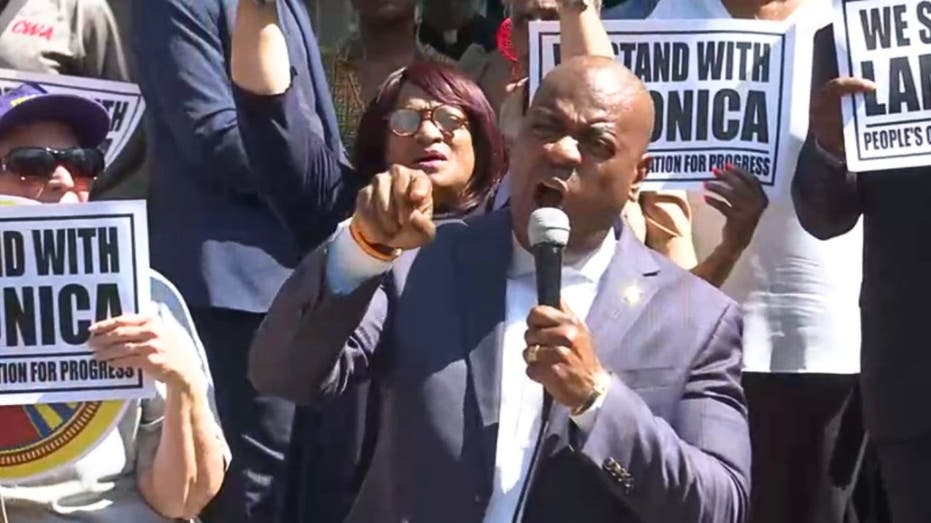
Across the country in New Jersey, the focus was on a significant municipal race with broader implications. Newark Mayor Ras Baraka, who garnered national attention last year during an anti-ICE protest, is seeking a fourth term. He faces seven challengers in a contest that highlights local governance and urban policy debates. Baraka’s re-election bid, as reported by News Desk, tests his enduring appeal in the Garden State’s largest city and reflects on the evolving political dynamics within Democratic strongholds.
While a mayoral race, Baraka’s past national visibility and the city’s role as a major urban center lend this primary a degree of interest beyond its immediate local scope. It underscores the diverse range of electoral contests that contribute to the overall political climate leading into the midterms.
The Road Ahead for Congressional Majorities
The outcomes of these initial midterm primaries provide crucial insights into voter priorities and party strengths as the nation gears up for the 2026 general elections. The fight for congressional control remains tight, with both Republicans and Democrats facing distinct challenges and opportunities.
Key takeaways from these early contests include:
- The continued importance of endorsements from prominent national figures in primary races.
- The potential for strong independent candidates to disrupt traditional two-party contests in general elections.
- The ongoing struggle for party cohesion amidst diverse ideological factions.
As the campaign season progresses, these early results will inform strategies, resource allocation, and messaging for candidates across the country, all striving to shape the future of Congress and the nation.
The results from Nebraska, West Virginia, and New Jersey offer an initial blueprint for the political battles to come. The journey to the 2026 midterms promises to be a dynamic one, with each primary victory and defeat contributing to the larger narrative of who will govern and how. The stakes are clear, and the path forward will be forged through continued engagement at every level of the ballot.






