
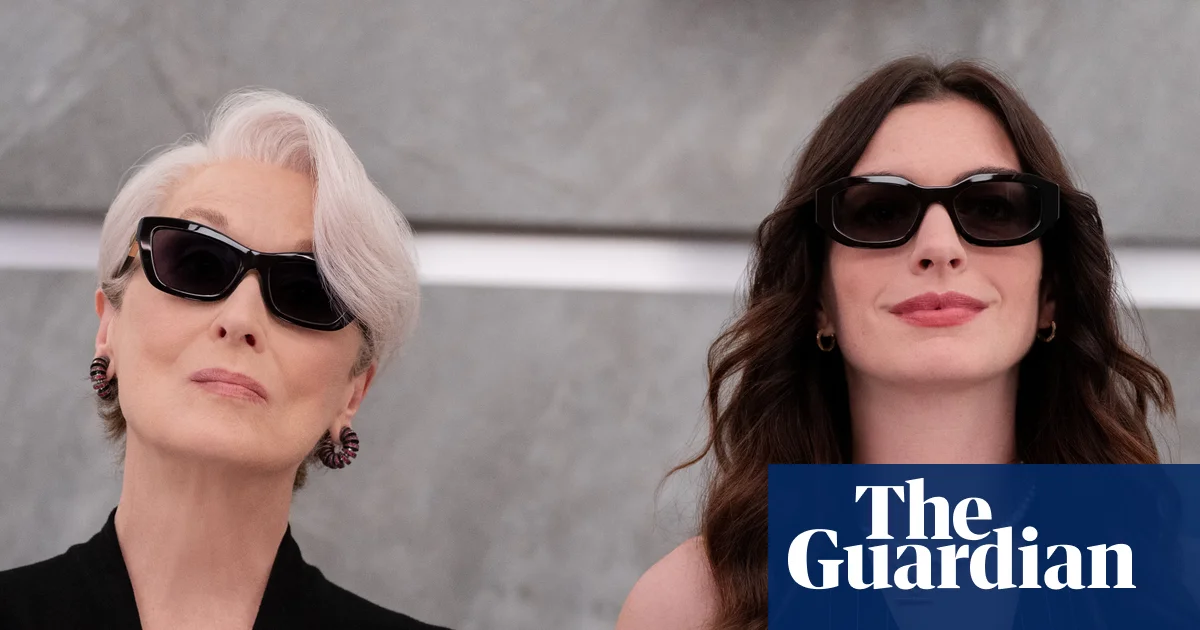

The unparalleled success of The Devil Wears Prada 2 at the international box office signals not only a triumph for Hollywood but also underscores shifting cultural currents in a time of significant geopolitical tension. With a staggering $233 million globally, primarily fueled by an overwhelmingly female audience, the film’s performance exemplifies a notable departure from traditional blockbuster patterns dominated by male-centric superhero franchises. This shift is more than cinematic; it echoes the growing influence of culture as a tool of soft power, shaping perceptions and societal narratives worldwide.
Analysts highlight that this movie’s record-breaking numbers—besting even classic motifs like Mamma Mia and Oppenheimer—demonstrate a broader trend: how Hollywood’s choices significantly impact international perceptions of the West and its societal values. The film’s global reach, spanning Tokyo, London, and New York, was amplified by high-profile appearances from icons like Anna Wintour and the cast, bolstering Hollywood’s cultural diplomacy amid rising geopolitical rivalries. Experts warn that entertaining the masses with stories rooted in fashion and female empowerment subtly shifts societal norms and expectations, influencing consumerism and gender discourse across borders.
Furthermore, this Hollywood triumph emerges amid ongoing tensions between Great Power blocs and a media landscape increasingly polarized and influenced by geopolitical agendas. The strategic release during the opening of the summer movie season, a period traditionally dominated by Marvel’s blockbuster dominance, signifies Hollywood’s resilience and adaptive power. The film’s extraordinary performance—particularly in the North American market, which is currently seeing a 14% increase in ticket sales—demonstrates that cultural capital remains a potent weapon in the global arena, capable of swaying opinions and fostering a sense of shared identity.
Historians and international commentators have long observed the nexus of culture and geopolitics. A recent report by the United Nations Educational, Scientific and Cultural Organization (UNESCO) emphasized how cinema influences international cultural diplomacy, subtly reinforcing or challenging existing power structures. As analysts warn of the rising influence of soft power strategies, Hollywood’s latest blockbuster encapsulates a moment where entertainment becomes both a reflection and an agent of social and geopolitical transformation. The true significance lies not only in the $233 million box office but in the unfolding narrative of a world where culture wields an increasingly decisive influence in shaping the future of nations and societies.
As the credits roll on this summer’s Hollywood premiere, history’s pen remains poised. The magnitude of this cultural phenomenon—initially dismissed as merely entertainment—may ultimately be recorded as a pivotal moment where the stories we tell, the images we project, and the cultural symbols we embrace changed the course of history itself. For in an era defined by geopolitical upheaval and shifting alliances, Hollywood’s glittering lights cast long shadows—foretelling that the stories we choose to amplify now will echo through generations, shaping the global order for years to come.






