
Severe Tropical Cyclone Narelle: A Harbinger of Climate and Geopolitical Tensions
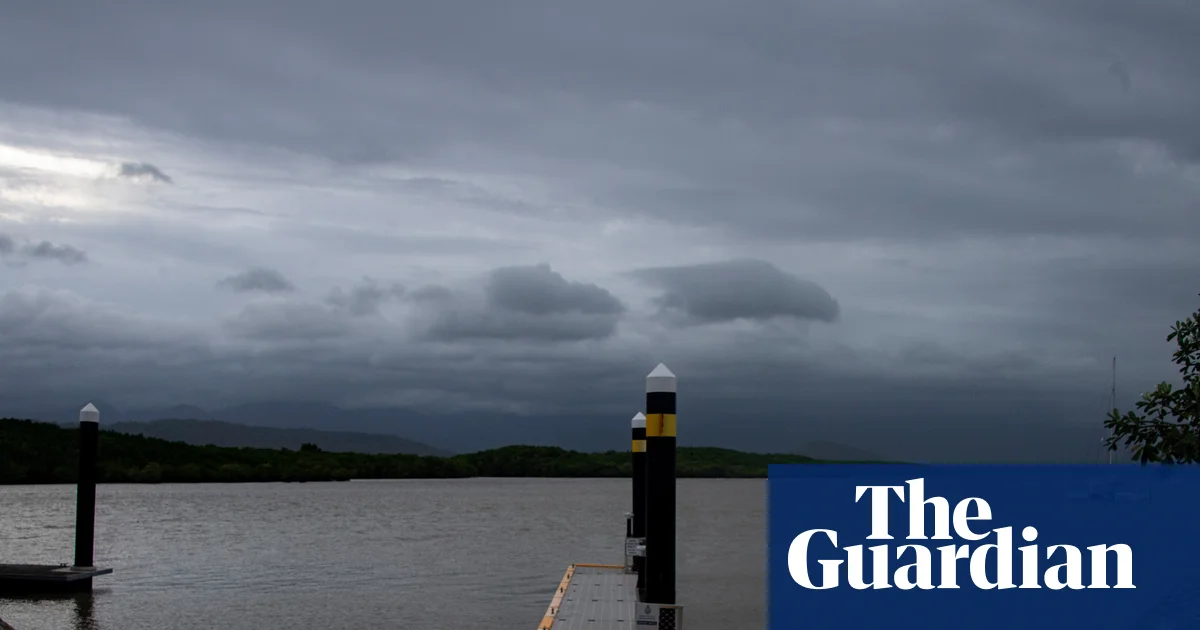
As Australia’s latest extreme weather event, Tropical Cyclone Narelle struck the far north of Queensland with devastating force, exemplifying the ongoing impact of global heating on natural disasters. Making landfall as a “high-end” category 4 system, Narelle’s winds reached sustained speeds of 195km/h, just shy of the catastrophic level of category 5, with gusts exceeding 270km/h. Authorities issued warnings for coastal communities like Coen and Port Stewart, emphasizing the danger of storm surges, rainfall-induced flooding, and destructive winds. This storm highlights a global crisis where climate change acts not merely as a backdrop but as a catalyst fueling more frequent and ferocious weather phenomena, destabilizing societies and threatening livelihoods.
Scientists attribute the intensification of storms like Narelle to rising ocean temperatures—an unmistakable signature of unchecked global heating. Higher sea surface temperatures provide more fuel for cyclones, allowing them to grow stronger and more unpredictable. According to climate models and international climate agencies, this warming pattern is expected to continue, meaning that coastal regions worldwide will face increasing vulnerability. The Bureau of Meteorology has warned that rising sea levels and intensified rainfall will augment the risk of coastal inundation, especially in already vulnerable communities. As analysts point out, such local catastrophes are a symptom of a broader geopolitical challenge: nations worldwide must confront the consequences of energy and environmental policies that ignore the mounting evidence of climate urgency.
Global Responses and Geopolitical Implications
- The United Nations and other global institutions have called repeatedly for ambitious climate action, yet progress remains hampered by geopolitical conflicts and economic self-interest.
- Major emitters like China and the United States face mounting pressure as their policies continue to influence global climate trends.
- In the Pacific, rising sea levels threaten the sovereignty and security of island nations, fueling regional tensions and migration crises that ripple across international borders.
International analysts warn that, amidst these mounting challenges, the decision to prioritize economic growth over environmental sustainability could accelerate the destabilization of regional and global stability. Historians like Michael T. Klare have long argued that resource scarcity and environmental degradation tend to exacerbate geopolitical conflicts. In this evolving landscape, climate-induced disasters like Narelle serve as stark reminders that the future of international security depends not only on diplomacy but on genuine commitments to sustainability. The United States and European Union, for example, have begun discussions on a shared strategy to combat climate-related chaos, yet the path remains fraught with political division and economic interests.
Societal Shifts and the Road Ahead
On the ground, the impact of Narelle has been severe—roof damages, uprooted trees, and vulnerable communities bracing for ongoing threats. As experts highlight, the human toll underscores how climate disasters disproportionately affect remote and underfunded regions, thus magnifying social inequalities. The storm’s potential to produce unprecedented rainfall and storm surges risks turning local tragedies into wider crises that demand immediate international aid and strategic resilience planning. This unfolding story is not merely about weather—it is about the resilience of societies confronting a rapidly changing climate, and how international cooperation can determine their future security.
As history unfolds in the wake of Cyclone Narelle, the questions loom: Will nations reconcile their economic pursuits with the necessity of environmental stewardship? How will geopolitical power dynamics adjust in an era where climate disasters threaten to redefine boundaries and alliances? The weight of history is now in the balance, with each decision echoing through generations. The storm’s fury reminds us that while the winds of change are relentless, the choices we make today will determine whether societies emerge stronger or are swept away by the tide of history.