
Europe at a Crossroads: Denmark’s Drone Crisis Sparks Geopolitical Uncertainty
In recent weeks, Denmark has become the epicenter of a series of unsettling drone incursions in its airspace, exposing vulnerabilities that threaten not only national security but also the broader stability across Europe. Authorities now firmly believe that these attacks are orchestrated by a professional, hybrid entity rather than rogue private operators, marking a significant escalation in the use of drone technology as a tool of strategic disruption. Such systematic attacks, occurring at multiple locations including Aalborg airport, have prompted Danish officials to consider activating Nato’s Article 4 proceedings—an act of consultation that signals heightened concern about external aggression and regional destabilization.
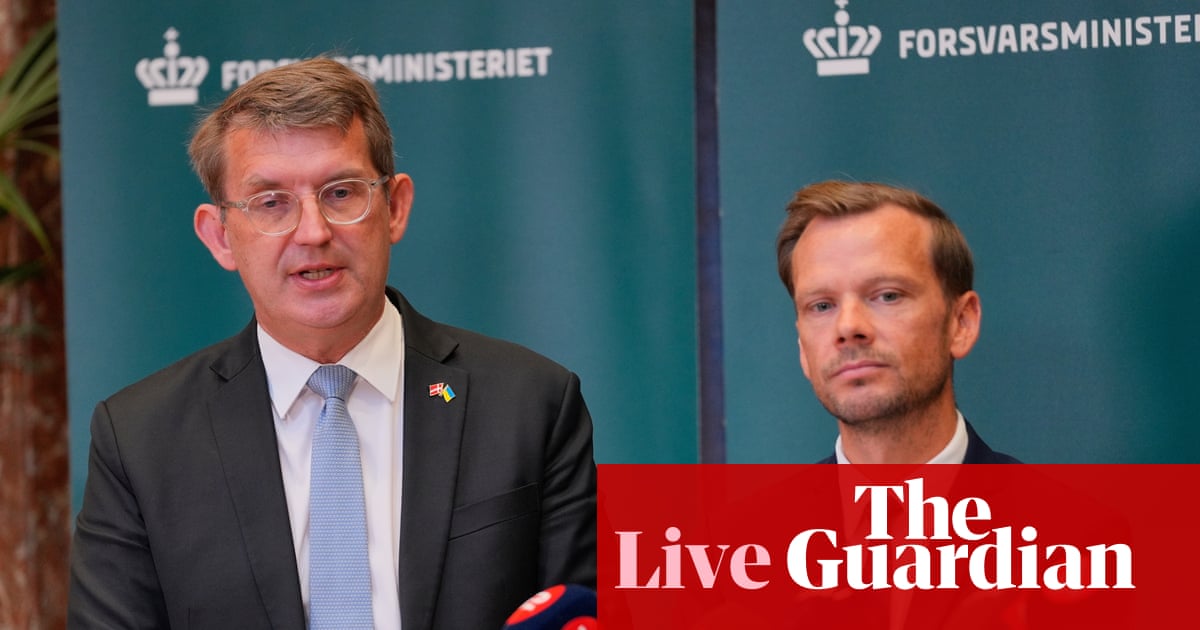
Defense Minister Troels Lund Poulsen has emphasized the sophisticated nature of these operations, likening them to a hybrid attack using different types of drones. This assessment underscores a broader pattern of hybrid warfare—a strategy employed by state and non-state actors designed to create chaos and sow division, often without direct military confrontation. The incident comes amidst a crescendo of geopolitical tension that involves not just Denmark but the entire continent. Analysts from the European Union and global security think tanks warn that these incidents may portend a new era of covert conflicts, where technology-driven asymmetric warfare becomes the norm.
The strategic significance of Denmark’s response cannot be understated. The government’s consideration of requesting Nato Article 4 consultations indicates a potential shift toward collective security measures in the face of evolving threats. Although the country has yet to officially invoke the article, the ongoing engagement with Nato and the European Union reveals a deliberate effort to bolster defenses and establish a unified front. Historically, security experts like Dr. Emily Carter and notable organizations such as EUROPOL suggest that this escalation could serve as a precursor to intensified security cooperation across the Atlantic Alliance, redefining the geopolitical landscape even further.
While Denmark’s leadership states there is no evidence linking the drone incidents to Russia, fears persist over the broader implications of escalating tensions in Eastern Europe. The possibility that these attacks aim to undermine Denmark’s support for Ukraine aligns with patterns observed in recent European confrontations, where technological infiltration has played a tactical role. As the country gears up for a major diplomatic event—the upcoming EU summit—the emphasis on expanding defense capabilities and legal frameworks suggests a definitive move toward hardening national infrastructure against future hybrid assaults. This crisis, often dismissed as a mere technological nuisance, risks evolving into a catalyst for broader geopolitical realignments.