Matox News

Truth Over Trends, always!

ABC Highlights Ex-ASI Operative’s Warning on Bondi Attack Radicalization Despite Agency Criticism

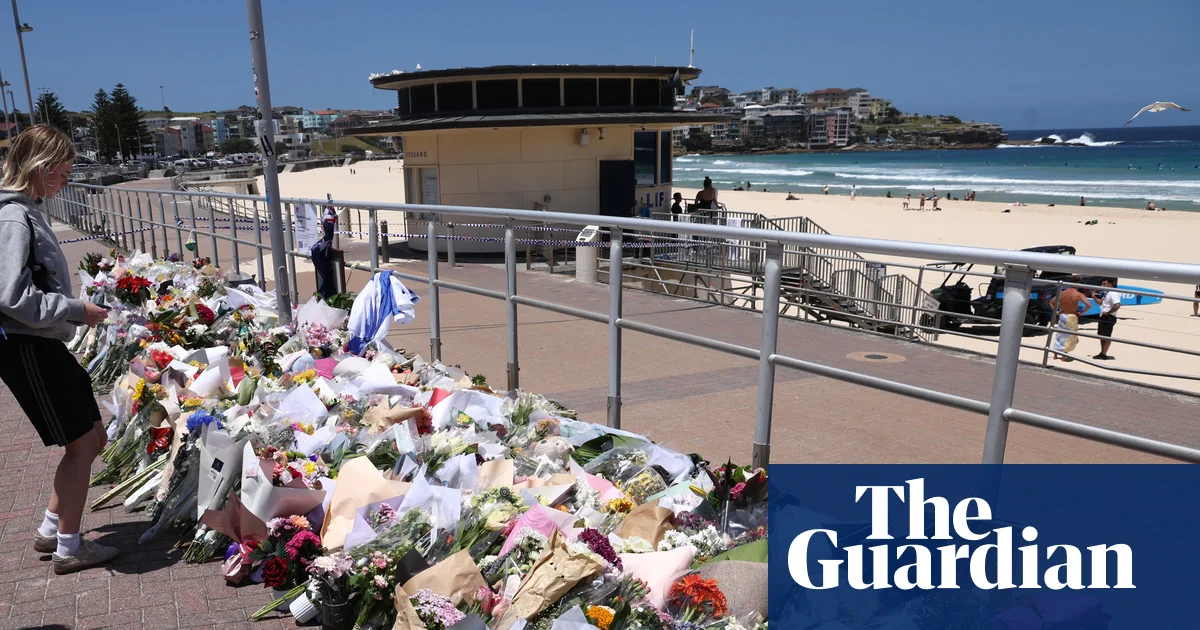
The recent broadcast by ABC’s Four Corners has ignited a fierce debate over national security and the adequacy of counter-terrorism measures in Australia. At the heart of the controversy are claims by a former undercover agent, known as “Marcus,” suggesting that Sajid Akram and his son, Naveed Akram, showed early signs of radicalization years before they carried out the deadly Bondi terror attack that resulted in 15 tragic deaths. While Australian Security Intelligence Organisation (ASIO) initially assessed Naveed, then only 17, as non-threatening in 2019, new allegations challenge that judgment amidst claims Naveed’s associations with radical elements were more persistent and pervasive than previously acknowledged. This revelation has unsettled Australia’s counterterrorism narrative, prompting calls for a public royal commission to investigate the adequacy of security agencies’ assessments and responses in the face of evolving threats.

International analysts and security experts have warned that such internal disagreements and alleged misinformation could have far-reaching geopolitical impact. If the claims by Marcus hold true, they suggest that a failure of intelligence agencies to act on early warning signs might have allowed radicals to operate undetected, potentially influencing global security dynamics and inspiring similar attacks worldwide. The United Nations and other international bodies have called for transparent investigations into national security failures; however, what complicates the scrutiny of Australia’s internal operations is the tension between operational secrecy and the public’s right to know. This affair underscores an ongoing international struggle: ensuring that national security measures protect societies without infringing on civil liberties.

Adding to the complexity, Prime Minister Anthony Albanese announced a royal commission to assess the circumstances surrounding the Bondi attack, with a particular focus on antisemitism and how societal divisions can be exploited by extremist factions. Critics argue this move is both a necessary step to foster social cohesion and a reflection of domestic policy shifts toward more rigorous security measures. Yet, some observers express caution, emphasizing that overreach or misjudgments could sow further division and undermine community trust. Historian Dr. Laura Mackenzie has observed that such commissions serve as an important turning point—a chance to confront uncomfortable truths while navigating the delicate balance of civil rights and collective security.

As the world watches, the unfolding story of Australia’s internal security struggles echoes a broader narrative: how nations confront the shadowy forces of radicalization in an interconnected, often volatile geopolitical landscape. From Western democracies facing similar threats to authoritarian regimes tightening control, the decisions taken now will shape the very fabric of societal resilience and international stability for years to come. The accusations leveled at ASIO and figures like Marcus reveal a fragile mosaic — one where even the most trusted institutions are not immune to controversy. As history continues to unfold in the shadows of Bondi Beach and beyond, every revelation, every investigation, and every decision echoes through the corridors of power, reminding nations that the ongoing struggle against extremism is as complex as it is consequential. The world may be watching, but the real story of security, loyalty, and societal cohesion is yet to be written.”

Sinclair and Nexstar Bring Back Kimmel on ABC Stations Amid Conservative Pushback

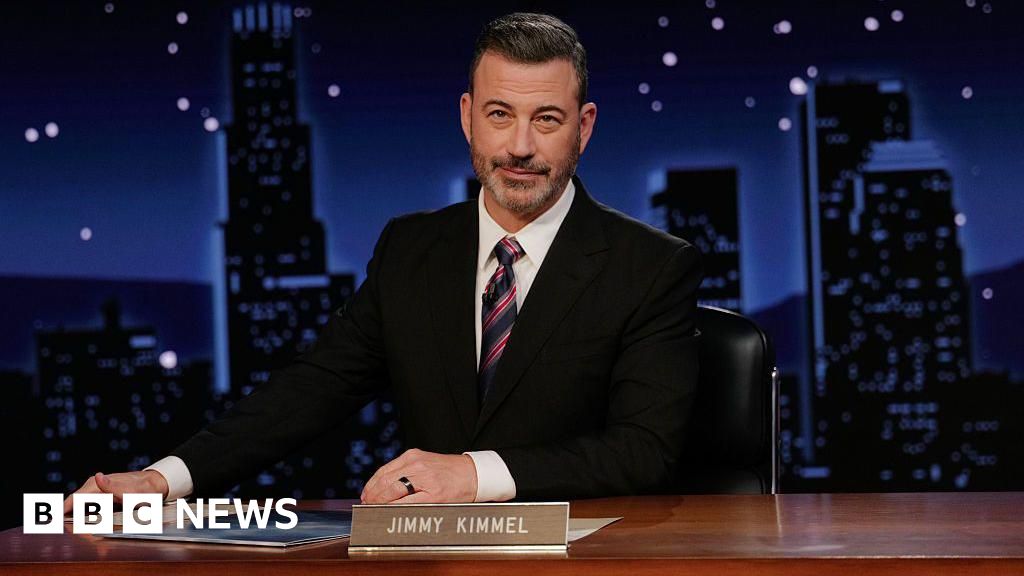
International politics is increasingly shaped by cultural conflicts and the struggle over free speech—a terrain that, in recent weeks, has erupted into a highly visible clash involving U.S. media giants, government agencies, and public figures. The controversy centers around Jimmy Kimmel’s return to ABC, after a brief suspension and removal from several affiliated stations, amid accusations of censorship and political suppression. This incident underscores a broader, global debate on how societies manage free expression in the era of digital activism and political polarization.

It began when Kimmel made controversial comments on his show about the death of Charlie Kirk, a prominent conservative figure. His remarks, which some interpreted as crossing boundaries of political decency, provoked a chain reaction that saw Sinclair Broadcast Group and Nexstar Media Group, major U.S. media conglomerates, pull his show from hundreds of local ABC affiliates. The move was justified by the companies as responses to public and advertiser feedback. However, critics, including conservative commentators and international analysts, argued that this was a clear case of cancel culture suppressing dissent and undermining First Amendment rights. The ensuing debate has rapidly spread beyond national borders, fueling protests over the erosion of media independence and free speech as the political weaponization of broadcast platforms intensifies, in line with historian Samuel Huntington’s warnings about “clash of civilizations” extending into cultural and media spheres.

The reinstatement of Kimmel’s show on all ABC channels signals an ongoing tension within the United States’ media landscape. Disney’s decision to allow Kimmel back on air, despite ongoing opposition from Sinclair and Nexstar, represents a nuanced shift—an internal conflict between corporate free expression and local broadcasters’ political sensitivities. According to international observers and global press watchdogs, such as Reporters Without Borders, these events highlight a concerning trend: how political and corporate interests influence what gets broadcast, often disproportionate to public debate’s true scope and importance.

Looking beyond America, the episode serves as a case study in the geopolitical impact of media governance. Countries worldwide grapple with similar issues—balancing state-controlled narratives against international standards of free speech. The episode hints at a shift where narrative control is shifting from traditional state censorship towards corporate censorship, which can be equally stifling, especially when media moguls align with political agendas. As analysts warn, the ongoing power struggle over media content is shaping the global information environment, influencing societal perceptions and, ultimately, international diplomacy. Just as the Cold War defined the ideological contours of the last era, it appears the battle over narrative control is becoming a defining feature of the current geopolitical order, where media outlets act as battlegrounds for ideological dominance and societal control.

The conflict remains unresolved, with history yet to be written. As nations and societies continue to navigate these turbulent waters, the outcome will determine whether free expression remains a cornerstone of democracy or becomes a casualty of political expediency. The unfolding drama surrounding Kimmel, ABC, and the broader dispute over speech censorship exemplifies a pivotal moment—an epoch where the world watches whether the ideals of free discourse can survive the relentless march of political interests, or if a new, more controlled era of information will take hold. The future of free speech, and with it the very essence of open societies, hangs precariously in the balance, as history’s next chapter begins to unfold amidst the echoes of a global struggle for truth and transparency.

Social Media Auto Publish Powered By : XYZScripts.com


