Matox News

Truth Over Trends, always!

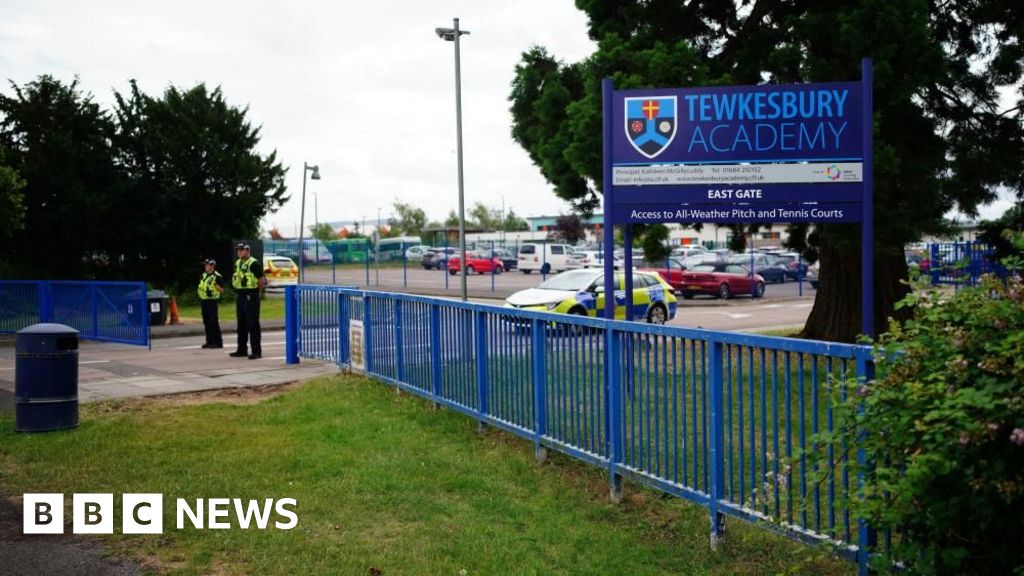
Tewkesbury Academy Teachers Strike Again Over Rising Behavior Issues Affecting Youth Development

In recent times, our educational institutions have become a microcosm of broader societal upheavals, revealing underlying tensions that threaten to destabilize the fabric of families, communities, and the future generations. As reports surface from schools across the country, it becomes evident that behavioral issues and disruptions are not isolated incidents but reflections of deeper social shifts. A striking example emerged recently when PE teacher Ian Brownhill, with over three decades of experience, expressed concern over the school’s declining discipline. Brownhill highlighted that the institution is “losing good kids” amidst rampant unruly behavior, including students going “on the rampage around site most lessons.”

This phenomenon underscores a wider societal malaise that impacts not just the educational environment but also the moral fabric of our younger generations. Sociologists such as Christopher Lasch have warned that the erosion of community values and the decline in social cohesion have a corrosive effect on youth, often manifesting as aggression and indiscipline within schools. Many experts argue that inadequate family stability, declining civic engagement, and the pervasive influence of social media contribute significantly to this decline, creating an atmosphere where respect for authority and discipline are increasingly subordinate to immediate gratification and peer validation. The social isolation and moral relativism that pervade contemporary society threaten to undermine the very core of educational discipline and community trust.

Moreover, the disruption resonates deeply with families who are trying to navigate the challenges of raising well-rounded individuals amid these chaotic influences. The disconnection between home and school environments creates a cycle where behavioral issues at school often mirror familial and societal dysfunctions. Without cohesive guidance and community support, schools become battlegrounds rather than places of learning. Historian Dr. David Hollinger emphasizes that today’s student unrest signals a need for resilient, value-driven societal structures — ones that reinforce shared responsibility among families, educators, and policy makers to restore order and moral purpose.

While these issues pose significant challenges, they also open a window for transformative change. Education authorities and communities must collaborate to foster environments that emphasize respect, accountability, and moral clarity. Solutions like increased engagement in civic education, mentoring programs, and community outreach can serve as anchors in turbulent waters. As we observe this ongoing societal saga, a question lingers: can we, as a collective, rekindle the moral compass that guides our youth and rebuild the bonds of trust and discipline critical to societal stability? The answer depends on our resilience and willingness to confront uncomfortable truths, recognizing that the future of our families and communities hinges on the moral and social groundwork we lay today. Society’s capacity to evolve, fostering hope amid adversity, remains the ultimate testament to our enduring commitment to a better tomorrow.

Academy boss steps back as youth strikes shake society

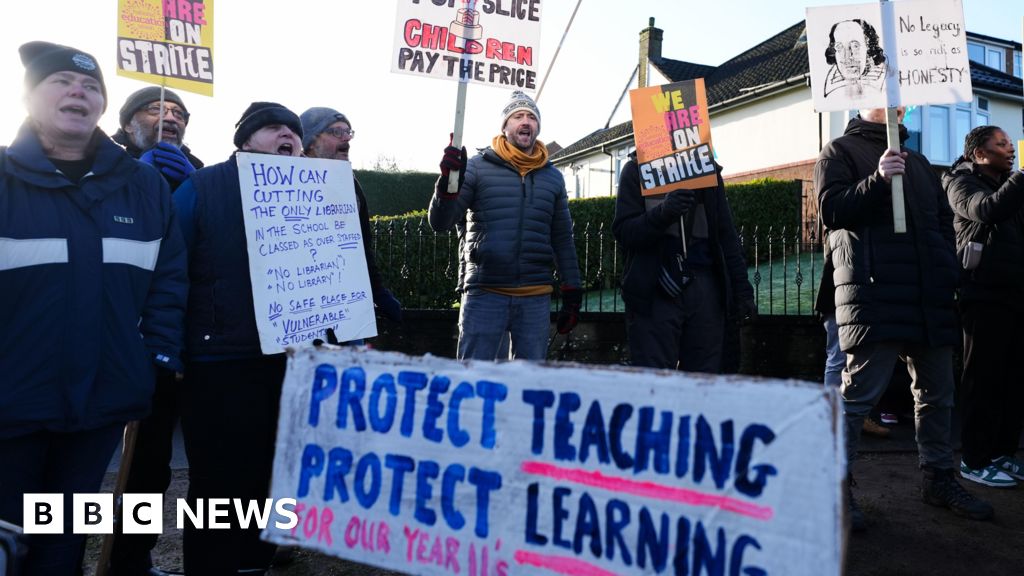
In an unfolding demonstration of societal tension, over 800 school staff members across 20 schools in the West Midlands have recently gone on strike. This significant industrial action underscores deep-rooted issues within the educational landscape, issues that ripple beyond the classroom and into the fabric of families and communities. The strike serves as a stark reminder of the mounting pressures faced by educators, which are reflective of broader social challenges affecting society at large.

At the core of the dispute are concerns over working conditions, salaries, and resource allocations. Teachers and support staff assert that their salaries have not kept pace with inflation, thereby eroding their purchasing power and straining their ability to provide stability for their own families. Moreover, inadequate resources and heavy workloads have heightened stress levels, diminishing the quality of education and support given to students. Historically, sociologists such as James Coleman have demonstrated that the quality of teachers directly influences student achievement, community cohesion, and social mobility. When educators struggle, entire communities feel the repercussions, facing a cycle of underachievement and declining social capital.

This disruption calls into question the very purpose of public education as a pillar of societal progress. As historians like E.P. Thompson have pointed out, a well-educated populace is fundamental to societal stability. Yet, as social strains increase—be it economic hardship, demographic shifts, or cultural tensions—the fractures within institutions become visible. The strike exemplifies how the deterioration of support and respect for educators undermines families’ confidence in the public education system, affecting generations of youth and potentially widening existing social inequalities. Without adequate investment and recognition, the hope of fostering a resilient, educated workforce diminishes, leaving communities vulnerable to long-term decline.

  • Many families depend on predictable school schedules for stability and employment continuity.
  • Students from less advantaged backgrounds face even greater setbacks when schools are disrupted.
  • Communities are left to grapple with the aftermath, often resorting to informal support networks that may lack consistency or reach.
  • Proposed solutions include increased funding, improved working conditions, and more inclusive dialogues between policymakers, educators, and families.

As social commentators warn, neglecting the foundational role of education threatens to widen the cultural and economic divides that already challenge modern society. Addressing these grievances requires a recognition that educators are not merely service providers but vital guardians of societal integrity. By fostering a renewed respect for teachers and investing in the necessary resources, society can begin to rebuild the broken links that threaten to widen the gap between generations and communities. Ultimately, the challenge lies in transforming social issues into opportunities for collective renewal, igniting hope that even amid hardship, society can confront its deepest contradictions and forge a future rooted in resilience, fairness, and shared purpose.

Social Media Auto Publish Powered By : XYZScripts.com


