Matox News

Truth Over Trends, always!

Trump Warns Iran: Accept Deal or Prepare for New U.S. Strikes in Escalating Tensions

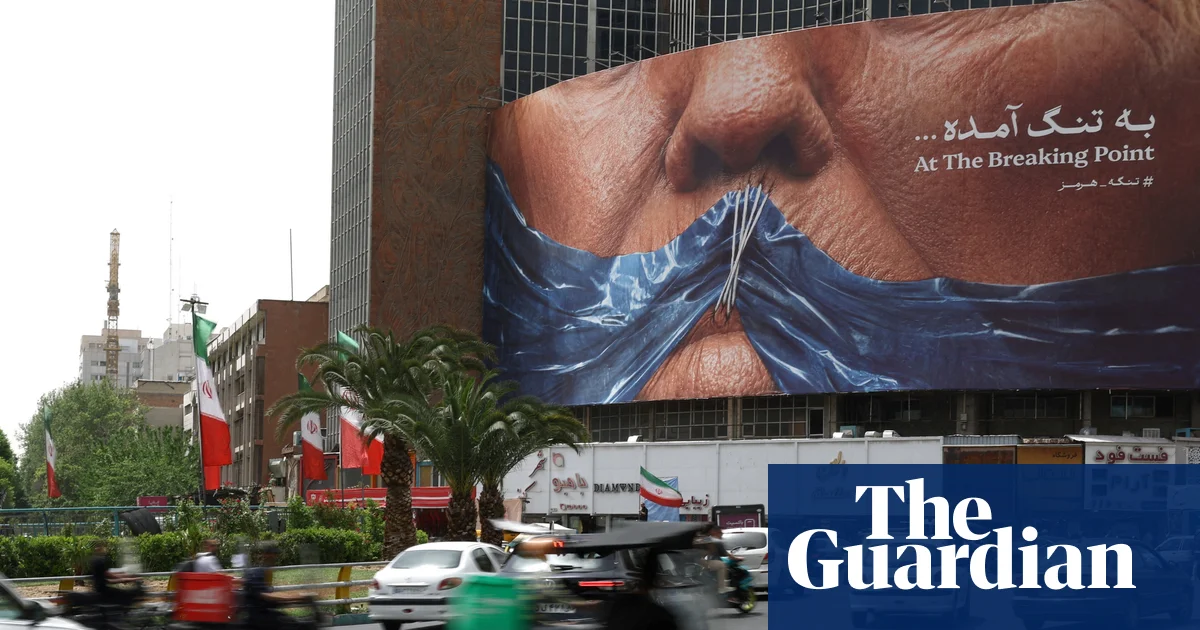
Amid mounting tensions and fragile negotiations in the Middle East, President Donald Trump has issued a stark ultimatum to Iran: accept a proposed peace deal or face a dramatic escalation in U.S. military action. In a recent social media statement, Trump warned that **if Tehran refuses** to comply with Washington’s conditions, the U.S. will initiate a wave of bombing “at a much higher level and intensity than it was before.” This rhetoric signals a volatile crossroads in the ongoing confrontation rooted in decades of geopolitical rivalry, with America asserting and reasserting its dominance, while Iran maintains its defiant stance against what it perceives as aggressive encirclement and economic strangulation.

Negotiations in the Crossfire of War and Diplomacy

Unconfirmed reports suggest that extensive negotiations between Tehran and Washington may be on the verge of a breakthrough, with some officials indicating a tentative agreement on a *one-page memorandum* aimed at ending the war. Yet, the prospects remain uncertain. Analysts and diplomats from the region highlight that trust deficits and external influences—especially China’s role—continue to complicate the diplomatic process.

  • Washington appears eager to claim victory ahead of key diplomatic visits, particularly Trump’s upcoming trip to Beijing.
  • Portrayed as an opportunity, the proposed framework could involve a temporary ceasefire, possibly lasting 60 days, to facilitate substantive dialogue on Qatar’s nuclear ambitions and regional stability.

However, the hardline rhetoric from Tehran’s senior negotiator, Mohammad Bagher Ghalibaf, accuses Washington of attempting to “destroy” Iran through economic blockade, naval threats, and media manipulation. Such language underscores the depth of mistrust and the complex web of interests that continue to threaten any fragile peace.

Strategic Dynamics and the Oil Waterway

Adding to the geopolitical firestorm, the *strut of the Strait of Hormuz* has become a pivotal flashpoint. Earlier in the week, Trump ordered a pause to the naval convoy, dubbed “Project Freedom,” which had been attempting to safeguard shipping lanes and ensure the flow of roughly 20,000 ships annually through what is arguably the world’s most vital maritime chokepoint. Despite this, Iran has threatened to deploy mines, drones, and missile strikes should Washington attempt another blockade, risking a major escalation in the region’s already volatile environment. The potential shutdown of the strait—a lifeline for global oil supplies—could ignite fuel prices worldwide and send markets into chaos, illustrating how intertwined regional conflicts are with global economies.

Among international observers, China emerges as a critical player with its historical ties to Tehran. While Beijing advocates for a *comprehensive ceasefire*, skepticism remains about its capacity to influence Iran’s radical regime—yet many analysts see China’s “role as a guarantor” as perhaps a key to lasting peace. Meanwhile, Pakistan and regional intermediaries are striving to broker a *temporary relaxation of hostilities*, emphasizing the importance of trust-building measures amid ongoing negotiations. As Turkey and other regional actors watch closely, the U.S. seeks to leverage these dynamics to pressure Iran into acceptance, while avoiding full-scale war that could destabilize the entire Middle Eastern balance of power.

The Stakes and the Future of History

With oil prices soaring earlier this week and the specter of renewed conflict looming large, domestic and international pressures converge on Trump. His diplomatic dance—balancing aggressive posturing with the hope of a negotiated settlement—reflects a broader strategy that seeks not just regional stability but also to cement his legacy ahead of the upcoming U.S. congressional elections. Yet, the core questions remain: Will Tehran capitulate to U.S. demands, or will this crisis spiral into an unpredictable chapter of open conflict? As the world holds its breath, history continues to write itself in the flames of diplomatic negotiations and military posturing, with each new move echoing far beyond the sands of the Middle East. The ultimate outcome—whether peace or chaos—stands as a stark testament to the fragile architecture of power in the 21st century, where the lines of diplomacy blur with the shadows of war, and the weight of history presses heavily on the unfolding future.
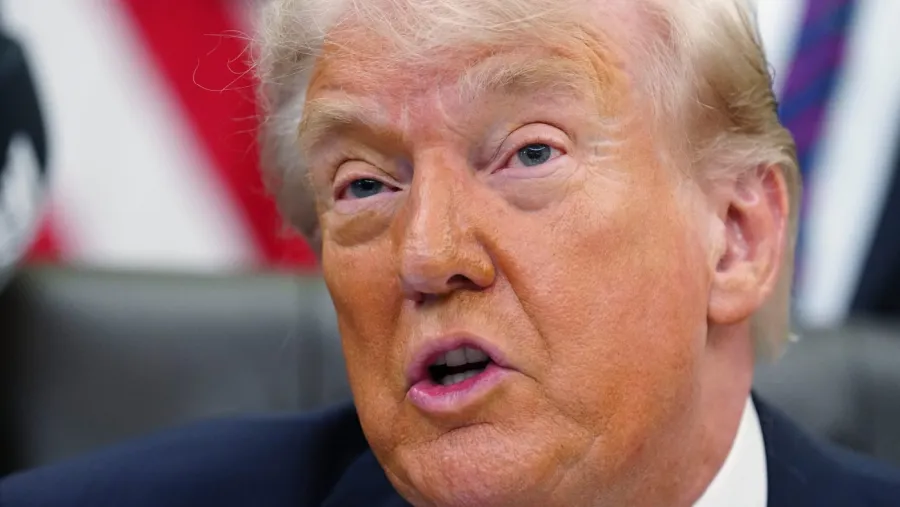
Trump warns Iran: Accept deal or risk increased military action

In an era marked by relentless power struggles and geopolitical chess, the recent reports suggesting that the United States and Iran are nearing a potential peace deal serve as a stark reminder of how decisions made in the corridors of power can reshape (or threaten to reshape) global stability. President Donald Trump has signaled a hardline stance with a blunt warning, suggesting that failure to reach an agreement will result in severe military action. His statement, posted on Truth Social, made it clear: “If they don’t agree, the bombing starts, and it will be, sadly, at a much higher level and intensity than it was before.” Such rhetoric underscores how America’s political elite view Iran’s nuclear ambitions not merely as a regional concern but as a direct existential threat requiring decisive, even brutal, responses.

Historically, U.S. policy towards Iran has oscillated between engagement and confrontation, often reflecting internal power struggles within Washington’s political apparatus. The current discourse exemplifies how the stakes are not only about diplomacy but about the very nature of American assertiveness. The administration’s push for a deal aligns with a broader strategic calculation: either leverage diplomacy to contain Iran’s influence or risk a precipitous escalation that could drag the Middle East into chaos. The use of aggressive rhetoric by Trump, reminiscent of the confrontational tone during his previous tenure, signals a desire to reassert America’s dominance on the global stage. Such decisive declarations are rooted in a worldview popular among conservative hawks, who see militarism as a necessary tool to project strength and uphold national interests.

Meanwhile, the public debate over the potential treaty exposes the underlying conflict between diplomacy and military intervention. Legislative and constitutional experts scrutinize whether Biden’s diplomacy can be sustained without forcing a confrontation that could spiral out of control. Historically, this mirrors moments when executive authority was wielded either to de-escalate or to escalate tensions — reminiscent of Cold War crises where timing, perception, and power dynamics dictated the course of history. In this context, the choices made today could either usher in a period of détente or plunge the region into an intensified conflict that redefines regional power balances. The primary question remains: will diplomacy prevail, or does the shadow of military force dominate decision-making?

Amid the underpinning power struggles, one thing remains clear: how these decisions are made directly impact the people. The citizens of Iran, the United States, and the broader Middle East shoulder the consequences of each diplomatic shift or military threat. As political theorists like Machiavelli have long argued, power is the ultimate arbiter of human fate. The current episode of high-stakes negotiation underscores this truth — where the diplomatic stage is often a battleground for control over history’s narrative. Ultimately, as the world watches, the future will be written by those wielding the most decisive power, leaving no doubt that in the arena of geopolitics, destiny is a commodity fought over with every policy enacted and every rhetorical assault launched.

Trump sets Sunday deadline for Hamas to accept Gaza peace deal

The escalation of violence in Gaza has once again thrust the Middle East into the global spotlight, with US President Donald Trump taking an unprecedented stance. On his Truth Social platform, Trump issued a stark ultimatum to Hamas, demanding the militant group accept a proposed US peace plan or face “all hell,” a phrase that underscores the gravity of the current situation. The plan, set to be enforced by a strict deadline of 18:00 Washington time (22:00 GMT) on Sunday, calls for an immediate cessation of hostilities and the release of 20 Israeli hostages within 72 hours—along with the remains of those believed to be deceased— in exchange for hundreds of Gazans detained by Hamas. This intense diplomatic ultimatums reflect America’s strategic pivot to project influence amidst rising tensions, a move strongly opposed by many analysts concerned about the unpredictable consequences of such escalations.

International mediators have reportedly engaged with Hamas’s military leadership in Gaza, but internal divisions threaten the viability of the US proposal. According to credible sources, Hamas’s military wing refuses to accept the plan, primarily because it demands the immediate handover of all hostages within the first three days of a ceasefire—a move analysts describe as effectively stripping Hamas of its strongest leverage. Meanwhile, some elements within Hamas’s political hierarchy in Qatar appear more receptive, though their influence remains limited due to their lack of control over the armed group’s core operations and hostages. Such internal disagreements highlight the complex web of power struggles within Hamas itself, complicating international efforts to mediate a sustainable resolution. The fact that only 20 of the roughly 48 hostages believed to be held are confirmed alive adds a layer of tragedy and urgency to the negotiations, with many fearing that the window for safe resolution is rapidly closing.

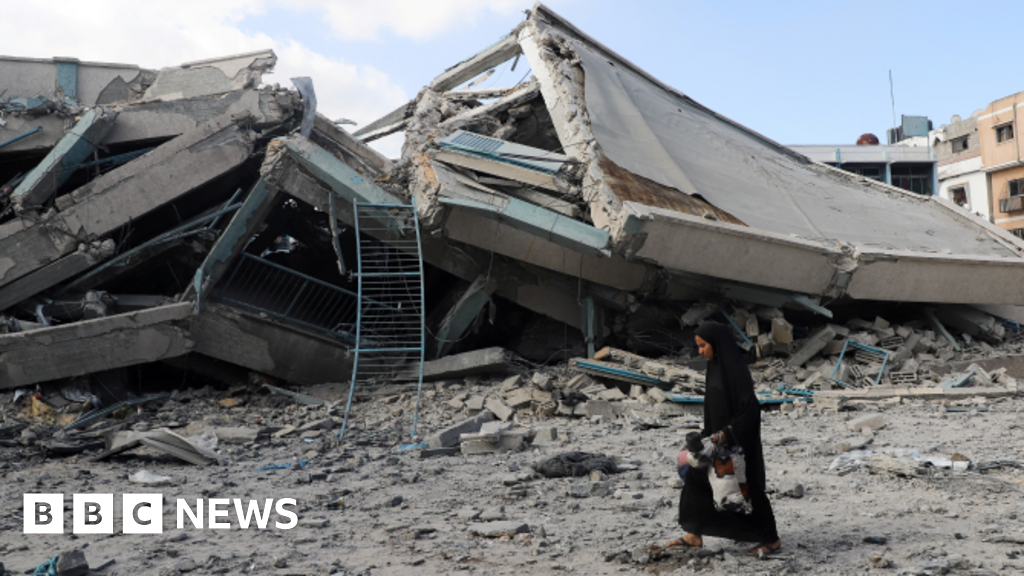
The backdrop to this crisis is the devastating Israeli offensive launched in response to the October 7 attack by Hamas, which resulted in approximately 1,200 fatalities and 251 hostages taken—an atrocity that shattered Israel’s sense of security and prompted a sweeping military campaign in Gaza. The Israeli Defense Forces have responded with relentless aerial and ground assaults, leading to over 66,288 Gaza residents reported killed by Hamas-controlled health authorities. These staggering figures illustrate the profound human toll of the conflict, and experts warn that continued fighting risks a broader regional escalation, with global powers watching intensely. The United Nations and other international organizations have issued calls for ceasefires and negotiations, but their influence is waning in the face of entrenched hostility and deep-seated grievances.

Within this maelstrom of violence and diplomacy, the geopolitical impact is undeniable. The unfolding crisis tests the limits of international diplomacy and underscores the fragile balance of power in the Middle East. Leaders from Europe to Asia are watching with wary eyes, aware that any misstep could trigger a larger regional conflict. Historians and strategic analysts warn that decisions made in these critical days could shape the course of history—either paving the way towards peace or unleashing a relentless cycle of violence. As civilians bear the brunt of these hostilities—caught between political agendas and military might—the question remains: how much longer can the world afford to stand by and watch as history continues to be written in blood?

In the shadows of diplomacy and war, the future hangs precariously, with each decision echoing through the corridors of power and the lives of those entangled in this enduring conflict. The weight of history presses down heavily—every choice a chapter in a story still unwritten, yet profoundly felt. The question now is whether the international community can forge a path toward lasting peace, or if the flames of ongoing hostilities will consume all hopes of resolution, plunging the region—and perhaps the world—into chaos once more.

Social Media Auto Publish Powered By : XYZScripts.com