Matox News

Truth Over Trends, always!

Hidden shipwrecks still lost at sea—plus the few that finally surfaced

In a world increasingly obsessed with personal well-being and lifestyle enhancement, the pursuit of adventure remains a timeless catalyst for growth. Far beyond the typical gym session or meditation retreat, the depths of the ocean harbor stories—treasures, mysteries, and lessons—that inspire a modern, youth-centric quest for meaning. From the icy waters near Antarctica to historic shipwrecks scattered across the globe, each sunken vessel embodies resilience and discovery, fueling not just adventure tourism but also a renewed appreciation for personal impact—health, leisure, and inspiration wrapped into one daring expedition.

One of the most recent and captivating chapters in maritime history unfolded in March 2022, when the remarkably preserved wreck of Ernest Shackleton’s HMS Endurance was found nearly two miles beneath the Antarctic seas. This discovery isn’t just about relics of exploration; it’s a reminder that embracing the unknown can propel individuals into a deeper understanding of themselves and the world. For young explorers, these tales evoke a sense of limitless possibility—a vital sentiment in a culture that champions adventure-driven wellness and physical resilience. As the endures of such expeditions demonstrate, pushing the boundaries of exploration directly correlates with a sense of personal empowerment and life enrichment.

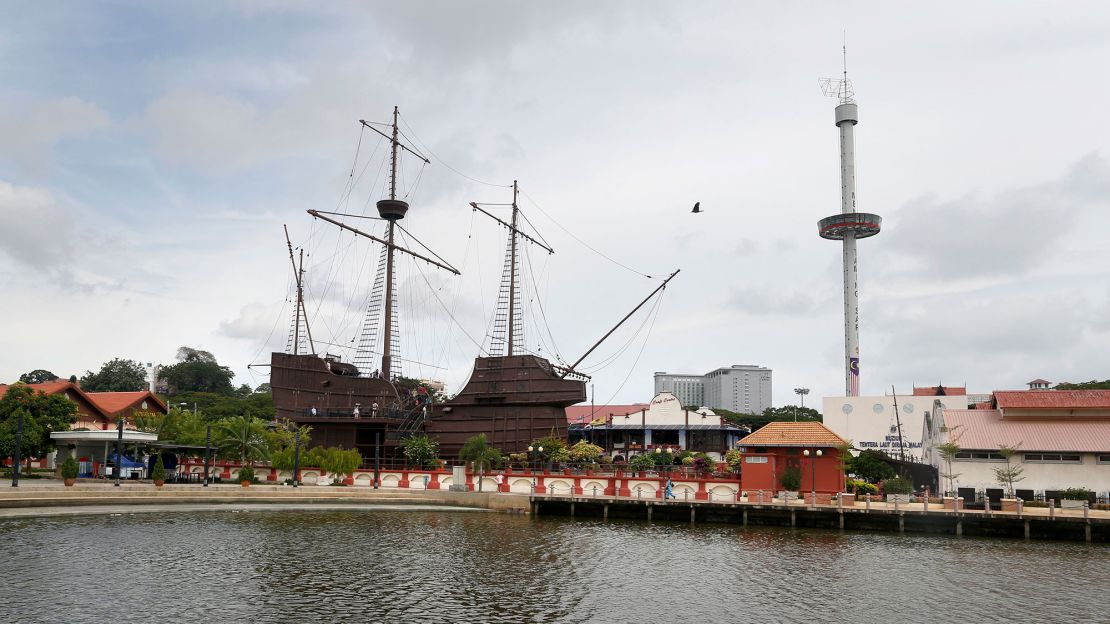
Travelers seeking authentic experiences are increasingly drawn to extraordinary sites where history whispers from sunken ships like the Vasa in Stockholm or the mysterious Chuuk Lagoon. The Vasa, a 17th-century Swedish warship recovered after sinking on its maiden voyage, now stands as an inspiring symbol of historical resilience. Meanwhile, the haunting coral-covered remains in Chuuk Lagoon—left behind after Operation Hailstone during WWII—offer divers a chance to connect deeply with history and cultivate mental wellness. These experiences don’t just add stories to one’s travel portfolio; they foster a narrative of curiosity and resilience that encourages youth to pursue adventures that challenge and transform.

  • Travel tip: Devote time to uncover hidden histories—whether through snorkeling, diving, or museum visits—allowing yourself to be immersed in stories of perseverance and discovery.
  • Lifestyle hack: Integrate exploration into your routine—be it weekend hikes, local archaeological sites, or historical tours—to nurture resilience and curiosity.
  • Main takeaway: Rediscover the thrill of personal impact through active engagement with history and adventure, forging a lifestyle rooted in curiosity, health, and inspiration.

Ultimately, these deep-sea stories remind the modern youth that life itself is an adventure worth embracing. As explorers like Clive Cussler echoed in their pursuits, the elusiveness of sunken ships fuels a quest that mirrors life’s own unpredictable voyage—full of surprises, setbacks, and triumphs. Just as recovered artifacts from the Uluburun ship reveal treasures of the Bronze Age, our journeys—whether literal or metaphorical—are about uncovering what lies beneath the surface. By daring to venture into the unknown, young minds and bodies can **transform challenges into opportunities**, forging a path that synthesizes wellness, discovery, and purpose. So, set sail with the conviction to seek not just new destinations, but new perspectives that will shape your story—one of resilience, adventure, and profound personal impact.
Lake Powell’s shrinking capacity hits critical levels, new report reveals

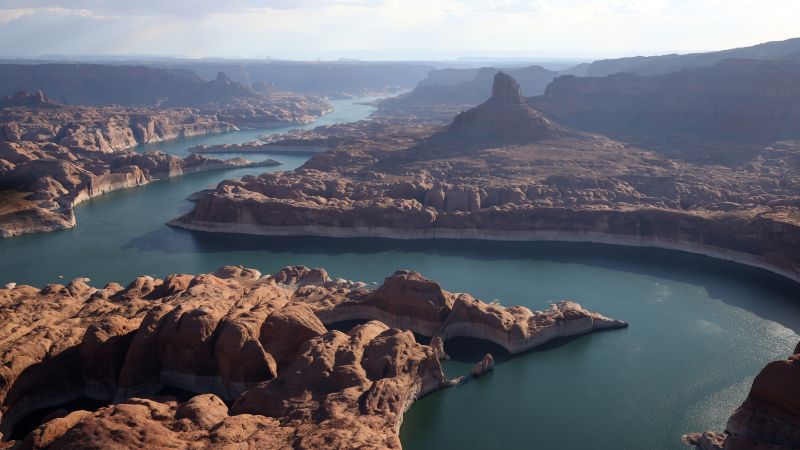
Lake Powell, the second-largest human-made reservoir in the United States, exemplifies the mounting hydrological crisis threatening the American Southwest and beyond. Since the construction of Glen Canyon Dam in 1963, this vital water resource has seen an alarming decline, losing nearly 7% of its storage capacity. New reports from the US Geological Survey and the Bureau of Reclamation reveal an ongoing, relentless reduction primarily driven by an intense multiyear drought. This decline isn’t just a matter of water levels but a seismic shift that exposes the fragile relation between natural resource management and national security in a climate-stressed era. As Lake Powell’s capacity diminishes, falling to just about 25% full, the consequences ripple across the geopolitical landscape, affecting millions, economic stability, and regional power dynamics.

Historian Harald Malmgren and analysts at international organizations warn that such environmental distress is more than just a regional concern. Lake Powell’s shrinking is a stark warning about the growing stress on transboundary water systems. The reservoir’s waters—crucial for over 40 million people across seven American states and northern Mexico—serve as the lifeblood for drinking, agriculture, and hydroelectric power. The report highlights sediment accumulation from rivers like the Colorado and San Juan, further diminishing capacity—an internal degradation echoing a broader systemic failure in managing natural resources amid changing climate patterns. This crisis escalates as Lake Powell and nearby Lake Mead — the nation’s largest reservoir — continue to drain at an alarming rate. Lake Mead even triggered the historic declaration of a water shortage in August, the first in history, with mandatory water cuts beginning in January, directly impacting urban centers, industry, and agriculture.

The geopolitical stakes extend beyond mere water rights. The implications threaten regional stability, especially as water scarcity fosters tensions among states and native communities. Analysts argue that, unless federal or international interventions occur, conflicts over access and sustainable management will intensify. Countries like Mexico rely heavily on the Colorado River’s water, introducing diplomatic pressure and potential border tensions. According to United Nations reports, such transboundary resource conflicts could destabilize diplomatic relations and threaten cooperation under international treaties like the 1944 Water Treaty between the U.S. and Mexico. The scenario forewarns a future where scarcity becomes a catalyst for instability, with nations vying for control over dwindling resources. Echoing statements from climate experts, if present trends persist, the Southwest may soon face severe social upheaval, rural depopulation, and environmental degradation that could span generations.

As the crisis deepens, climate change and mismanagement are often cited as primary culprits; however, many critics emphasize that policy failures and insufficient infrastructure investments compound the crisis. With experts warning that drought conditions could worsen in the coming months, the future of this vital water system remains uncertain. The unfolding story of Lake Powell mirrors a broader historical lesson: that ignoring environmental realities in favor of short-term gains can leave societies vulnerable to devastating consequences. The narrative of water scarcity in the American West is nothing less than a dramatic chapter in global geopolitics — a stark reminder that, as the pages of history turn, humanity’s ability to adapt will determine whether societal resilience endures or succumbs to the relentless forces of nature.

Social Media Auto Publish Powered By : XYZScripts.com



