Matox News

Truth Over Trends, always!

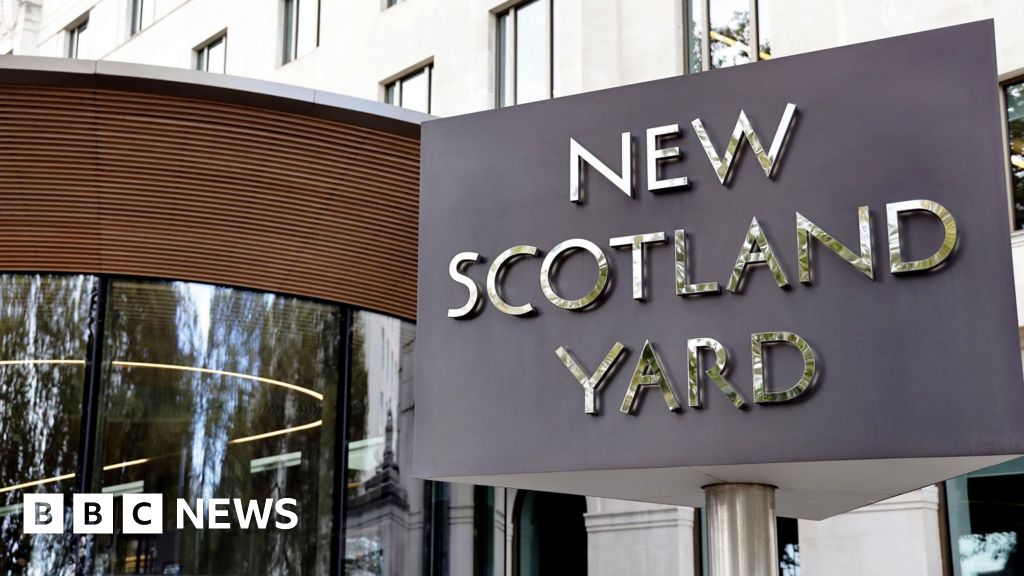
UK detains three men over suspected Chinese espionage activity

The Metropolitan Police have announced that they are investigating three men suspected of aiding Chinese intelligence services within the United Kingdom. This development marks a significant escalation in concerns over foreign interference in domestic affairs, with implications that stretch across the geopolitical landscape. Authorities believe that these individuals may have facilitated espionage activities, aiming to deepen influence and collect sensitive information, a practice increasingly scrutinized amid escalating tensions between London and Beijing.

The investigation, confirmed by senior officials, underscores a pattern seen in recent years: foreign espionage networks operating covertly on Western soil. Analysts highlight that China’s intelligence apparatus has grown more aggressive, seeking to extend its reach into Western political, economic, and technological spheres. The UK’s intelligence community has consistently raised alarms over the potential threat of such clandestine activities, viewing them as a strategic challenge intertwined with broader geopolitical rivalries. As historian and security analyst Dr. Emily Carter notes, “This isn’t just about a few individuals; it signals an increasingly assertive Chinese effort to influence and gather intelligence in global strategic centers.”

Meanwhile, international organizations such as the United Nations have issued warnings about the growing prevalence of state-sponsored espionage and its implications for sovereignty and national security. The UK’s firm stance demonstrates an intention to *increase resilience*—adopting tighter counterintelligence measures and scrutinizing foreign academic and business networks. Relations with China remain strained, particularly as recent diplomatic disputes surrounding trade, human rights, and technological competition have deepened. This incident adds to the complex tapestry of tensions that could reshape alliances and security policies across the Atlantic and beyond.

As this story unfolds, experts warn that such espionage cases serve as a harsh reminder of the high-stakes nature of 21st-century geopolitics. The decision by the UK authorities to pursue this investigation sends a clear message: nations must safeguard their sovereignty against external threats that threaten their democratic institutions and technological infrastructure. Yet, critics caution that overreach could fuel diplomatic conflicts, risking escalation rather than resolution. The global community watches with bated breath, knowing that the ripple effects of these covert struggles will likely influence international stability long after this chapter is written. In the shadowy dance of espionage and diplomacy, history’s next defining moment waits, silently shaping the future we all share.
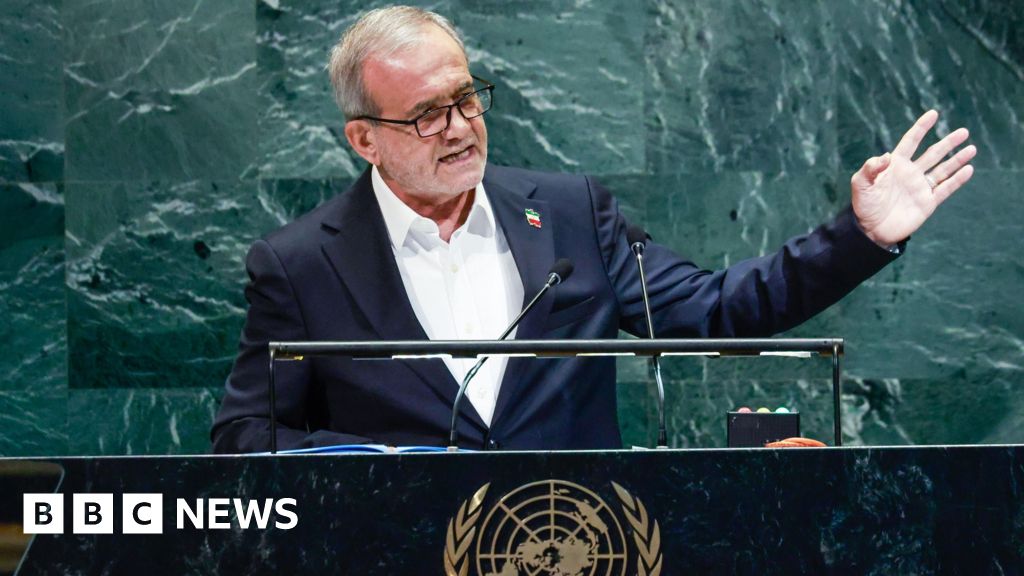

UN sanctions on Iran to resume after banned nuclear activity emerges

As Iran faces the looming reimposition of UN economic and military sanctions, the international community stands at a pivotal crossroads in Middle Eastern geopolitics. Nearly a decade after the landmark 2015 Joint Comprehensive Plan of Action (JCPOA) temporarily curtailed Iran’s nuclear ambitions, recent developments suggest a significant departure from diplomatic détente. The United Nations is poised to reinstate a broad set of sanctions—spanning arms embargoes, uranium enrichment bans, and asset freezes—that threaten to plunge Iran back into economic hardship, echoing the tumult of the pre-deal era. This move follows a letter from Britain, France, and Germany accusing Iran of violating its commitments—a step that has galvanised efforts by Russia and China to delay the measures, but with limited success.

Historians and analysts observe that the reimposition of sanctions is more than just about nuclear proliferation; it underscores a fundamental shift in international power dynamics. Russia and China have positioned themselves as strategic counterweights to Western influence, with Moscow signing a $25 billion deal to construct four nuclear reactors in southern Iran. Such moves are viewed by Western nations as a bid to deepen Iran’s energy independence while undermining U.S. sanctions. Meanwhile, Tehran insists that its nuclear program remains civilian, condemning any accusations of weaponization as “unfair, unjust, and illegal.” However, the International Atomic Energy Agency (IAEA) has reported a resumption of inspections, highlighting ongoing concerns about Iran’s nuclear trajectory—concerns that are unlikely to be mollified without significant diplomatic breakthroughs.

Despite Tehran’s claims of peaceful intent, the European Union and Western powers have intensified efforts to uphold the sanctions, emphasizing that Iran’s continued enrichment activities threaten regional stability. The regional tension is further exacerbated by Israel’s repeated threats to strike Iran’s nuclear facilities, threatening a broader conflict in the Middle East. Iranian Foreign Minister Abbas Aragchi’s assertion at the UN that “the negotiation with the United States is in fact a pure dead end” signals Tehran’s growing distrust of Western diplomatic motives. Nonetheless, Iran maintains it is bound by international treaty obligations to cooperate with the IAEA, even as the possibility of resumed negotiations appears increasingly fragile, and the prospect of conflict edges closer.

The geopolitical impact of these developments extends beyond the borders of Iran. The re-imposition of sanctions could further destabilize the already volatile region, prompting countries across Europe, Asia, and beyond to recalibrate their strategic calculations. International organizations warn that prolonged sanctions may push Iran closer into the embrace of authoritarian allies, reshaping alliances and intensifying the arms race. The looming sanctions serve as a stark reminder that the corridors of diplomacy are narrowing, and that the unfolding drama in Iran could be a significant chapter in a larger story—one written in the language of power, resilience, and the relentless pursuit of national sovereignty. As history continues to unfold, the question remains: will diplomacy prevail, or will this chapter usher in a new era of conflict that tests the very fabric of international peace?

Social Media Auto Publish Powered By : XYZScripts.com


