
Matox News

Truth Over Trends, always!

Social media giants face lawsuits over mental health harm—are their platforms driving addiction among today’s youth?

Global Impact of the Social Media Addiction Trials and Their Geopolitical Significance

In what many analysts describe as a pivotal moment in the ongoing battle over the influence of tech giants on society, legal proceedings against Meta, YouTube, Snap Inc, and TikTok are taking center stage. Dubbed the “social media addiction trials”, these lawsuits are rooted in allegations that these platforms have caused significant harm to minors’ mental health, including depression, eating disorders, and catastrophic cases of self-harm and suicide. While the scientific community remains divided on whether social media can truly be classified as “addictive,” the legal actions highlight a broader concern: how these platforms leverage neurobiological techniques akin to those used by gambling and tobacco industries to captivate vulnerable users.

This legal confrontation extends beyond individual cases, touching on deep issues of international influence and corporate responsibility. The plaintiffs argue that these platforms borrow heavily from the behavioral techniques exploited by slot machines and cigarettes to extend engagement—techniques that manipulation experts warn could be steering billions into digital dependency. Major global institutions and watchdogs, such as the World Health Organization and American Psychological Association, are scrutinizing the role social media plays in the emerging youth mental health crisis. The lawsuits, therefore, serve as a flashpoint revealing how social media giants might be undermining societal health for profit, drawing parallels with past industry influences that shaped public health policy.

Economic and Geopolitical Ramifications of Platform Regulations

The firms have forcefully rejected the allegations, defending their role in providing “safer, healthier experiences” for young users, but the controversy cuts deeper than corporate PR. The European Commission’s recent move to examine TikTok’s “addictive design” reflects a continent-wide shift toward regulating digital platforms under the premise of protecting societal well-being. This European stance bears not just moral weight, but significant geopolitical implications: as the European Union begins to regulate and potentially restrict certain features, the fight over digital sovereignty heats up, with Western and Eastern blocs vying for control over the future digital landscape.

Historically, major international institutions have shown a tendency to regulate industries once the harmful impacts become undeniable—initially facing resistance from corporate interests eager to preserve profits. Similar patterns emerged during the tobacco wars and the regulation of chemical substances, with industry-funded studies attempting to obscure health risks. Today, the tech giants’ vehement denials echo those historical tactics, as they aim to sideline regulations while continuing to defend their vast markets and influence over youth populations across the globe. This contest over mental health, digital control, and cultural influence signifies a shift with profound geopolitical resonance: amid rising tensions between Western democratic values and authoritarian state models, who controls the digital space becomes a strategic battleground.

Shaping Societies: The Future of Technology, Responsibility, and Liberty

As the debate intensifies among scientists and policymakers, the broader question remains: how will nations respond to the challenge of regulating social media without infringing on individual liberties?

Many experts warn that unchecked corporate influence can lead to societal fragility, especially among the youth, whose brains are still in formative stages. The revelations about platforms’ neurobiological techniques and the potential for dependency draw stark parallels to previous industries that prioritized profits over public health. Turel, a neuroscientist, compares social media’s addictive features to the “intermittent reinforcement” mechanisms exploited in gambling, emphasizing the need to understand addiction as a multifaceted issue that influences both reward systems and self-control in the brain. The stakes now extend beyond health— the battle for digital sovereignty and cultural integrity is intertwined with questions of national security.

In the unfolding narrative of this new digital age, history may yet record these legal battles as the moment when society drew the line against corporate manipulation—on the brink of a new era of accountability or unrestrained tech dominance. The choices made today, regarding regulation and societal resilience, will either safeguard future generations or consign them to a landscape where addiction, misinformation, and social fragmentation define the human condition. As history watches silently, the story of digital society is still being written, its ending yet unwritten but inevitably decisive in shaping the course of human civilization.
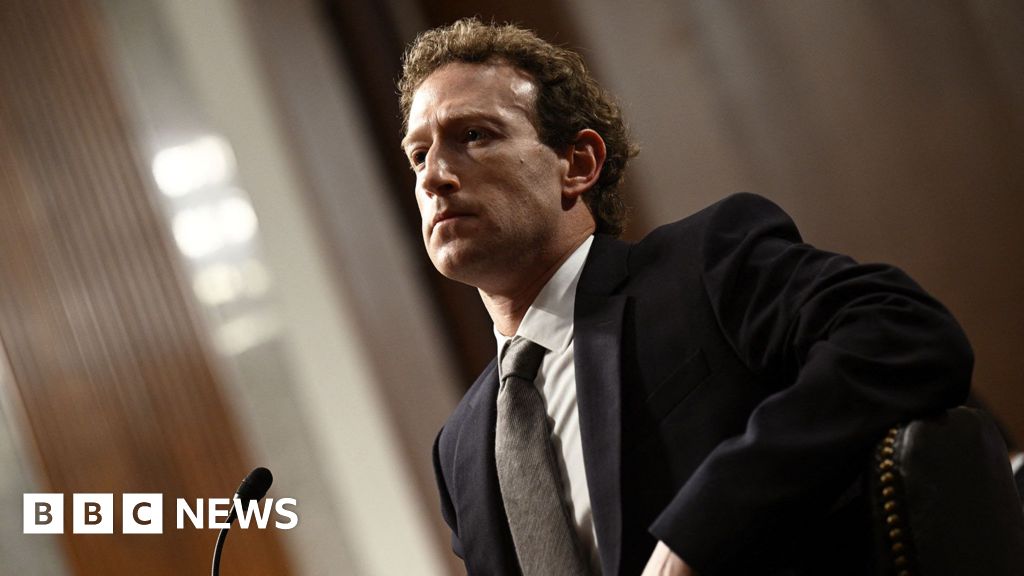

Major social media trial kicks off over addiction concerns

In what many are calling a historic turning point in the regulation of digital platforms, the United States has embarked on a landmark legal journey that could redefine the accountability of tech giants like Meta, TikTok, and Google. Starting in California, a high-profile court case pits a 19-year-old woman—identified by her initials, KGM—against some of the world’s most powerful social media conglomerates. The plaintiff accuses these companies of designing algorithms intentionally to foster addiction, causing mental health deterioration among youth, and raising serious questions about the responsibility of social media platforms for societal harms.

  • The lawsuit highlights manipulated design choices—such as algorithmic notifications and content flows—that aim to maximize engagement but at what cost?
  • Defense argues that harms are caused by third-party users, and the platforms are shielded by Section 230 of the Communications Decency Act, which has historically granted tech firms immunity.
  • Meta CEO Mark Zuckerberg, among other witnesses, is expected to testify, with some experts warning this case could threaten the legal shield that, for decades, has kept tech giants largely unaccountable.

Historians and legal analysts observe that this case marks a *potential* shift in how the US legal system treats the societal impacts of social media, especially as mental health issues linked to digital addiction increasingly dominate public discourse. Prof. Eric Goldman of Santa Clara University warns that a loss could pose an existential threat to these corporations, yet he also underscores the difficulty of proving direct causation between content and physical harm. Meanwhile, international scrutiny intensifies, with Australia enforcing a social media ban for under-16s and the UK hinting at similar measures. These decisions signal a global shift as governments grapple with how to regulate addictive technologies that are deeply embedded within daily life.

Moreover, this legal showdown comes amid mounting demands from families, educators, and officials, fueling an atmosphere where the once-deferential tech industry faces increased accountability. Critics argue that until now, big tech has enjoyed a protective shield, with authorities reluctant to challenge their influence beyond superficial regulation. But the tide seems to be turning. As the court prepares to hear internal documents and testimony from Zuckerberg himself, the case embodies a broader discourse on how decisions made in Silicon Valley reshape societies and the fabric of childhood itself.

As history increasingly weighs the discrepancies between monumental profits and the wellbeing of future generations, the outcome of this trial will echo far beyond California’s borders. Will this be the moment when the power balance shifts, demanding greater oversight and responsibility from those who shape our digital world? Or will the industry’s entrenched influence continue to shield its design flaws under legal protections? In the shadows of these proceedings, the weight of history presses down, a reminder that the unfolding narrative of digital regulation is far from over, and nations across the globe are watching—waiting to see which way the scales will tip.

Princess of Wales Urges End to Stigma on Addiction and Mental Health

In recent discourse, society’s recognition of addiction as a complex mental health issue is gaining momentum, yet deep-seated stigma continues to hinder progress. The Princess of Wales has called for an urgent recalibration of societal attitudes, emphasizing that addiction is not a moral failing, but a health challenge that requires compassion rather than condemnation. Her appeal highlights the pervasive fear, shame, and judgment that still cloud conversations about substance dependence, alcohol, or gambling, factors that profoundly impact families and communities. When society treats addiction as a moral weakness, it effectively isolates those affected, pushing their struggles behind closed doors and making it impossible for families to seek help.

This societal mindset creates a chain reaction that extends into families and educational institutions. Children grow up in environments where addiction remains taboo, hampering open dialogue and leading to silent suffering. Sociologists like Dr. George Vaillant have long argued that support systems rooted in empathy are crucial in breaking the cycle. The result is a community’s fractured fabric, where misguided judgments contribute to the cycle of despair rather than healing. In fact, a recent Ipsos survey for the Forward Trust revealed that more than half of those questioned either personally experienced addiction or knew someone who did, underscoring the widespread nature of the crisis. Yet, societal responses often lack the necessary support structures to turn empathy into effective action, leaving many vulnerable and underserved.

Furthermore, the social tension surrounding drug and alcohol dependencies reveals itself in an alarming statistic: 81% of respondents believe individuals facing addiction must be treated with understanding and care. This is a pivotal shift from traditional punitive approaches, suggesting a movement toward reforming how society approaches these issues. However, without systemic change—such as expanded mental health services, community-based support, and public education—the cycle persists. Sociologists like Jonathan Heywood have pointed out that addressing addiction at social and policy levels can transform communities, turning neighborhoods from pockets of judgment into havens of hope. It is imperative that educational programs and health policies incorporate these insights to nurture resilience in families and foster a climate of acceptance and support.

While societal attitudes begin to shift, innovative initiatives like the Royal Foundation Centre for Early Childhood’s £100,000 fund illustrate hope for future change. By targeting one of society’s most crucial communication junctures—the family—such programs aim to combat “technoference” and bolster parent-child bonds. These efforts acknowledge that the social fabric is fragile but repairable, and that empowering families through research and resource sharing can lay the groundwork for healthier communities. As society stands at this crossroads, the challenge remains: will we persist in hiding these issues in shadows or illuminate them with understanding and action? Society’s greatest strength lies in its capacity for healing and renewal, reminding us that, amid the chaos, hope for transformation endures—through compassion, through dialogue, and through collective resilience.

Fact-Check: New Study Finds Lower Smartphone Addiction Rates Among Teens

Investigating the Truth Behind Claims of Transgender Individuals as Mass Shooters

In recent debates surrounding gun violence and transgender rights, a recurring narrative suggests that transgender individuals are responsible for a disproportionate number of mass shootings in America. Prominent figures like Donald Trump Jr. and Sebastian Gorka have cited figures that imply a significant connection between gender identity and violent acts, with claims of dozens of mass shootings involving transgender perpetrators over the last few years. However, a rigorous review of available data from reputable sources reveals a starkly different reality. When scrutinized with precise definitions and verified data, the number of transgender mass shooters in the U.S. remains exceedingly small, accounting for less than 0.1% of incidents over the past decade.

According to the Gun Violence Archive (GVA), an independent organization that tracks gun-related incidents, only five mass shootings have been confirmed to involve transgender suspects since 2013. These incidents include the tragic Chattanooga church shooting, the Highland Ranch school shooting, the Memphis warehouse shooting, the Colorado Springs gay bar attack, and Minneapolis’ recent church shooting. Notably, in cases like that of Anderson Lee Aldrich in Colorado, who identified as nonbinary, the gender identity was verified during court proceedings. When comparing these five incidents against the thousands of annual shootings, the proportion remains negligible—less than 0.1%.

It’s crucial to emphasize that the term “transgender” encompasses a broad spectrum; not all—particularly nonbinary individuals—may identify as transgender. This nuance complicates any direct causal link. Experts like James Densley, co-founder of The Violence Project, clarify that transgender individuals are statistically underrepresented among known mass shooters. Their comprehensive database, which applies a stricter definition—such as four or more victims killed or injured in a public setting—documents 201 cases since 1966, with only a single confirmed transgender perpetrator. Moreover, Dr. Ragy Girgis, a psychiatrist specializing in mass violence, states plainly: “Being transgender is not a causative factor in mass shootings.” The data overwhelmingly support that violence is committed almost exclusively by men, with over 97% of mass shooters being cisgender males, well aligning with societal patterns rather than challenging them based on gender identity.

Despite the clear data, misinformation persists. Figures like Gorka or the claims of “many” transgender shooters tend to rely on loose definitions or anecdotes, which inflate the perception of a link where none exists. As one fact-checker summarized, “even if you expand the definitions, transgender individuals responsible for mass shootings remain a tiny fraction of such crimes, overshadowed by the broader trend of male perpetrators.” The numbers tell a straightforward story: most mass shootings are carried out by men, across all gender identities, and transgender individuals are statistically rare among these perpetrators. This accurate data is vital, not only for honest debate but also for upholding the integrity of our democratic discourse, where facts must guide policy and public understanding.

Conclusion

In a democracy, informed citizens are the backbone of responsible policy—especially on issues as consequential as gun laws and gender rights. The evidence demonstrates that the narrative linking transgender identity to mass violence is deeply misleading. It is essential that we differentiate between anecdotal claims and comprehensive, verified data. As experts confirm, the presence of transgender individuals among mass shooters is vanishingly small, making it clear that gender identity is not a factor in violent behavior. Only through accurate information can we foster a fair, informed debate that respects both facts and responsible citizenship, foundational to our shared democracy.

Social Media Auto Publish Powered By : XYZScripts.com