
The intricate web of allegations surrounding Jeffrey Epstein has once again captured global attention, revealing much about the intersections of wealth, power, and international influence. Congressman Robert Garcia of California articulated a stark warning regarding the systemic enabling of Epstein’s activities, affirming that “there would be no Epstein island, no Epstein plane, no money to traffic women and girls”. His remarks underscore a growing consensus among policymakers and observers that Epstein’s network was not merely the product of isolated criminality but was sustained through complicated ties to elite circles and influential figures. This sentiment echoes the concerns of numerous international analysts who believe that uncovering the full extent of Epstein’s connections could reshape perceptions of power and accountability across nations.
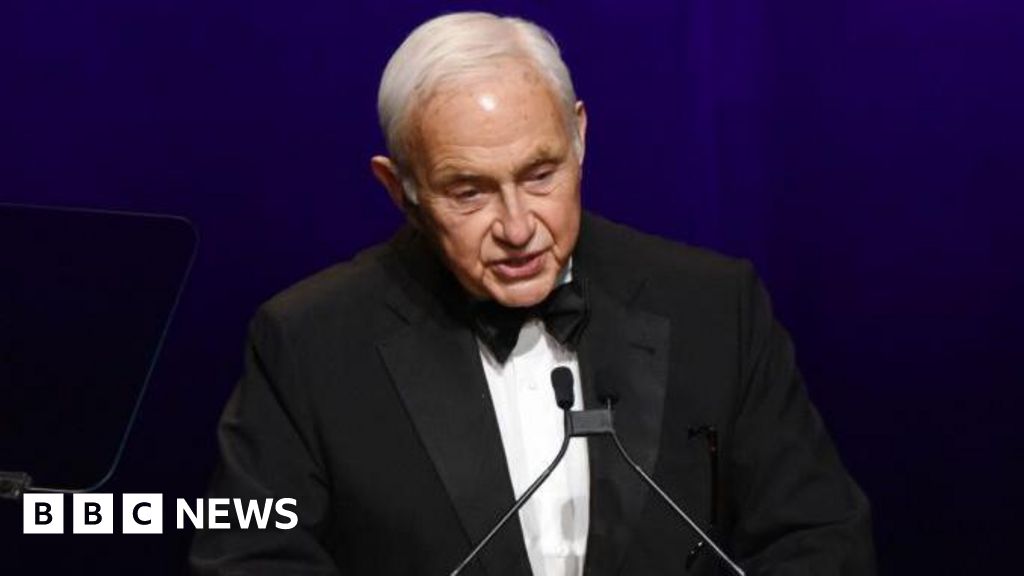
Furthermore, Congressman Garcia highlighted a critical factor in Epstein’s allegedly unchecked operations — the support from high-profile figures like Lex Wexner, the founder of Limited Brands. “Mr. Epstein would not have been the wealthy man he was without the support of Lex Wexner,” Garcia asserted, shedding light on the possible complicity of established business magnates. This revelation emphasizes how economic and political networks can provide a shield for criminal endeavors, complicating efforts to pursue justice and transparency. Many international organizations, such as Interpol and Human Rights Watch, warn that such powerful affiliations threaten to perpetuate cycles of abuse under the guise of influence. The danger lies in the potential for these networks to distort legal processes \u2014 a revelation that challenges global society to scrutinize how wealth and influence distort the rule of law.
As investigations continue to unfold, the international community faces a stark choice. These revelations serve as a stark reminder that fundamental issues of morality, governance, and justice are intertwined across borders. Historians of political corruption and societal decay warn that when elites evade accountability, the social fabric begins to unravel, fueling distrust and unrest. The growing scrutiny of Epstein’s association with influential figures signals an era demanding greater transparency and accountability at both national and international levels. While the full scope of Epstein’s network remains elusive, the ongoing unraveling signifies a radical shift in global attitudes toward unchecked power.
In the shadow of these revelations, the world watches as new disclosures threaten to topple long-standing pillars of authority, forcing nations to confront uncomfortable truths. The case of Jeffrey Epstein persists as a potent reminder that the corridors of power often harbor secrets darker than most dare to imagine. As history presses forward, one question hangs ominously in the air: will justice finally pierce the veil that protects the powerful, or will these revelations be just another chapter in a long history of silence and complicity?<\/em> The weight of future generations will depend on how this complex saga is resolved, for in the grand theatre of geopolitics, the truth often waits in the shadows, quietly shaping the course of history.”<\/p>