
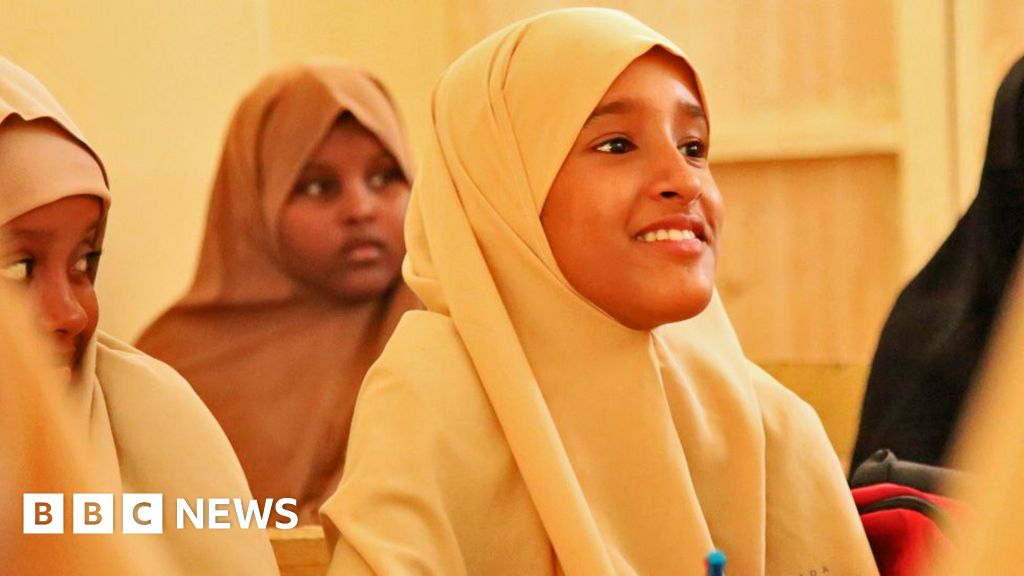

In a move that highlights a broader shift toward regional integration and cultural identity, Somalia has announced plans to incorporate Swahili into its national curriculum. This development unfolds amid a backdrop of decades of conflict, social fragmentation, and evolving regional dynamics. Historically, Somalia’s education system has been dominated by English at higher levels and Arabic at Islamic schools, reflecting colonial and religious influences. The decision to emphasize Swahili, the lingua franca of East Africa, signals a recognition that language is power—an asset for families, teachers, and communities seeking to rebuild trust, expand economic opportunities, and forge regional bonds.
- The adoption of Swahili aims to foster regional integration, making Somalia more connected with its East African neighbors and facilitating trade, diplomacy, and education exchanges.
- Swahili, spoken by over 200 million people, is among the world’s top ten most spoken languages, representing a significant cultural and linguistic bridge for Somalia’s youth and working families.
- Increased use of Swahili is already evident along Somalia’s southern coast and among refugees in Kenya, many of whom learned the language as part of their adaptation after fleeing violence.
This cultural shift underscores a profound demographic and social transformation. Decades of civil war, which erupted in 1991, have led to social dislocation and an erosion of traditional authority, forcing communities—and especially the youth—to adapt in unpredictable ways. The proliferation of Swahili in everyday life, particularly among those who have crossed borders or served in regional peacekeeping missions, exemplifies how social bonds are evolving outside conventional national boundaries. Leaders like President Hassan Sheikh Mohamud emphasize that cultivating Swahili at academic institutions—especially at the Somali National University—will promote regional cooperation and integrate Somalia’s economy more closely with East Africa’s emerging markets.
Critics and social commentators warn that such rapid cultural shifts could ripple through families and societal structures, challenging long-held identities rooted in language and religion. As Historians note, language is often intertwined with cultural sovereignty; thus, the push to prioritize Swahili may provoke tensions among those who cling to Arabic or English as symbols of religious and colonial heritage. However, proponents argue that this multilingual approach could foster a new generation of citizens equipped to navigate a multi-lingual world—one where economic empowerment and social cohesion depend on linguistic adaptability. Education Minister Farah Sheikh Abdulkadir envisions Swahili replacing English as the dominant language of trade and learning, a move seen as both pragmatic and strategic.
Ultimately, how families, schools, and communities adapt in the coming years will determine whether this linguistic pivot bolsters national unity or deepens cultural fissures. It is a testament to society’s ongoing battle between preserving identity and embracing progress—a confrontation familiar across many nations shaping their destinies amidst modern global challenges. As the sun sets over Mogadishu and a new chapter begins, society stands at a crossroads: will it forge a resilient, inclusive future by harnessing the power of language, or will it find itself divided by the echoes of a past reluctant to fade? In this fragile moment, society’s resilience lies in its ability to envision transformation, not just as empty rhetoric but as a tangible hope—an enduring testament to the human spirit’s capacity to reinvent itself amid chaos and change.





