Matox News

Truth Over Trends, always!

Slovakia's security adviser quits over Epstein scandal—raises questions for youth security mindset
Slovakia’s security adviser quits over Epstein scandal—raises questions for youth security mindset

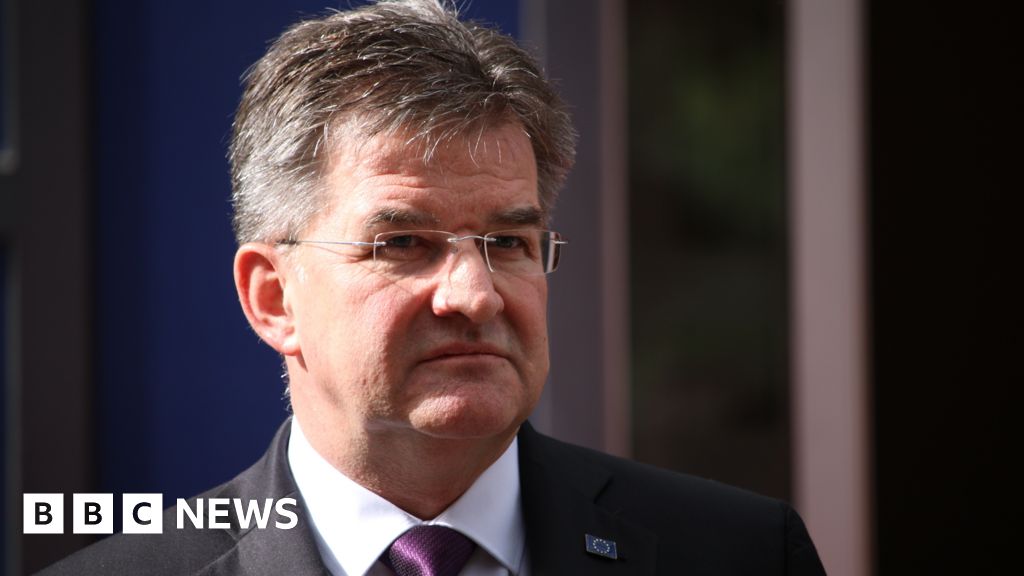
International Diplomacy in Turmoil: Miroslav Lajčák’s Resignation Sparks Global Investigation

In a startling development that underscores the fragile state of international diplomacy, Miroslav Lajčák, a prominent figure in global diplomatic circles and former high-ranking official at the European Union, has resigned amid revelations of inappropriate exchanges involving the late sex offender. Recently released communications paint a troubling picture, revealing Lajčák discussing personal relationships, including references to girls, in conversations with a figure linked to severe criminal conduct. Such disclosures have ignited an international debate over integrity within diplomatic ranks and the potential ramifications for global diplomacy’s credibility.

The controversy erupted after leaked transcripts surfaced, illustrating that Lajčák engaged in discussions that breach the expected boundaries of diplomatic decorum. While some analysts initially speculated on the motives behind releasing these conversations, the broader implication remains clear: questions about accountability and the ethical conduct of high-profile diplomats are now front and center. The international community’s trust in diplomatic channels—especially those involving key mediators in multilateral agreements—comes under unprecedented scrutiny. Critics argue that these revelations threaten to undermine years of diplomatic effort aimed at fostering stability, cooperation, and peace among nations, especially in regions heavily reliant on diplomatic negotiations.

Against this background, international institutions such as the United Nations and influential regional organizations have issued statements emphasizing the importance of integrity and transparency. Notably, some geopolitical analysts argue that these developments could serve as a turning point, exposing underlying vulnerabilities in diplomatic oversight. Historically, figures like Lajčák have been regarded as skilled negotiators, yet now their reputations are scrutinized through the lens of personal conduct. The gradual erosion of trust in diplomatic figures might influence future engagement strategies, forcing nations to reassess the vetting processes for those entrusted with sensitive negotiations. In the broader sense, this case illuminates how individual moral lapses can threaten entire diplomatic architectures—potentially leading to a reevaluation of international protocols on conduct and accountability.

The geopolitical impact of this scandal extends beyond individual careers. It raises pressing questions about how decisions made behind closed doors affect entire societies. Countries that rely on diplomatic mediators to navigate conflicts, denuclearization efforts, or trade negotiations could find themselves facing increased instability if trust falters. As international observers dissect the implications, voices from respected historians and foreign policy analysts warn of a dangerous precedent: that the credibility of diplomacy itself is fragile and can be compromised by scandals of personal misconduct. The ongoing investigations and potential repercussions threaten to alter the landscape of international negotiations, compelling governments to implement stricter ethical guidelines and oversight mechanisms.

As history continues to unfold in real time, the world watchfully stands on the precipice of change. The luster of diplomatic authority dims in the shadow of personal malfeasance, yet this moment also insists on reflection: can trust be restored once breached? With the weight of the global community at stake, the fallout from Miroslav Lajčák’s resignation serves as a stark reminder that the fabric of international diplomacy is woven carefully through both words and deeds. The future hinges on whether nations will learn to uphold integrity in the face of scandal—or allow these revelations to fracture the delicate web of cooperation that sustains peace in an increasingly volatile world.
Ukrainian Anti-Corruption Raids Target Zelensky's Adviser Yermak’s Home
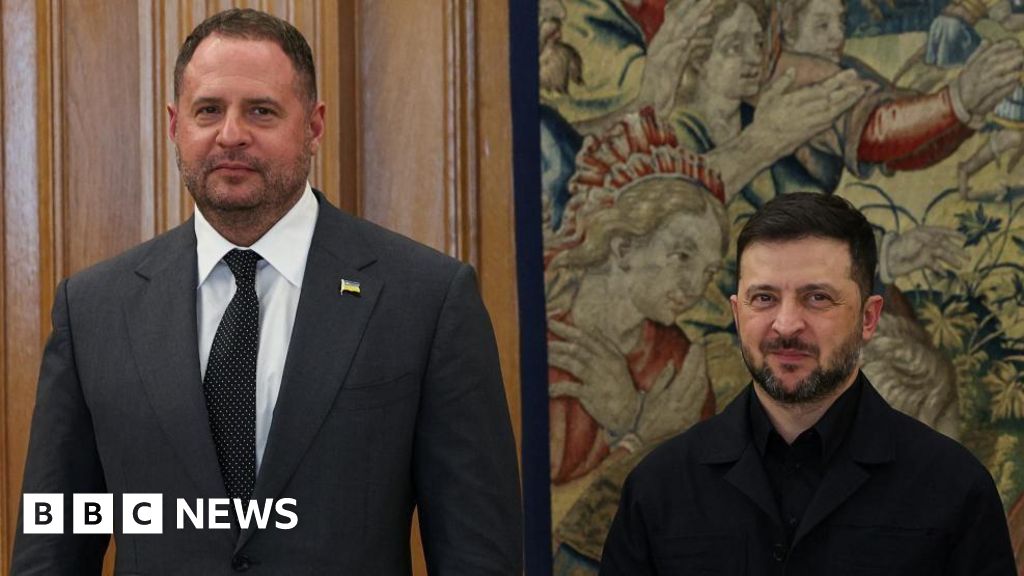
Ukrainian Anti-Corruption Raids Target Zelensky’s Adviser Yermak’s Home

In a move that underscores the volatile landscape of Ukraine’s internal politics amidst ongoing conflict, Ukraine’s anti-corruption agencies have initiated searches at the residence of President Volodymyr Zelensky’s chief of staff, Andriy Yermak. This development, confirmed by the anti-corruption bureau Nabu, signals a significant turn in the domestic fight against corruption, a persistent issue that has long hampered reform efforts in Ukraine. Despite these investigations, neither Zelensky nor Yermak have been formally accused of wrongdoing, but the unfolding events highlight internal struggles that threaten to destabilize Zelensky’s fragile political base.

Ukraine’s fight against corruption takes on particular importance amid the broader geopolitical contest involving Russia. Yermak, once praised for orchestrating diplomatic efforts and serving as Kyiv’s primary negotiator in peace talks with Western allies, now faces increasing scrutiny. Critics within Ukraine argue that the scandal reveals deeper issues of transparency and accountability, which could undermine foreign aid and international support crucial for Ukraine’s resistance against Russian aggression. As Ukrainian analysts and historians debate the significance of these events, some warn that internal divisions may be exploited by Moscow to weaken Kyiv from within, further complicating the fight for sovereignty.

International organizations, including the European Union and United States, watch closely. Their support remains conditional on Ukraine’s ability to demonstrate political stability and good governance. Yet, the political shakeup raises the stakes; each move of domestic power struggles resonates beyond national borders, reshaping perceptions of Ukraine’s resilience. As Yermak publicly cooperates, with full access granted to his lawyers, his case symbolizes the broader international dilemma: can Kyiv maintain unity and focus on defeating Moscow or will internal conflicts fracture its fragile front?

  • Yermak’s role as Kyiv’s chief negotiator makes his investigation a potential turning point in Ukraine’s diplomatic standing.
  • Critics suggest the scandals may be a result of internal power struggles more than genuine corruption.
  • Ukraine’s internal stability is essential for securing continued Western military and economic aid.
  • Geopolitical analysts warn that prolonged political infighting could embolden Russia’s ambitions.

The broader geopolitical imprint of these scandals extends beyond Ukraine’s borders, affecting international perceptions of its leadership and governance. As historians continue to analyze the unfolding events, the question remains: will Ukraine emerge from this crisis with strengthened resolve or fracturing alliances? The narrative of a nation fighting both external invaders and internal disloyalty hangs in the balance, carrying with it the weight of history still being written. Each action, each investigation, echoes across the halls of power in Kyiv and beyond, shaping the future of a country at the crossroads of East and West, caught in the relentless tide of history’s unfolding story.

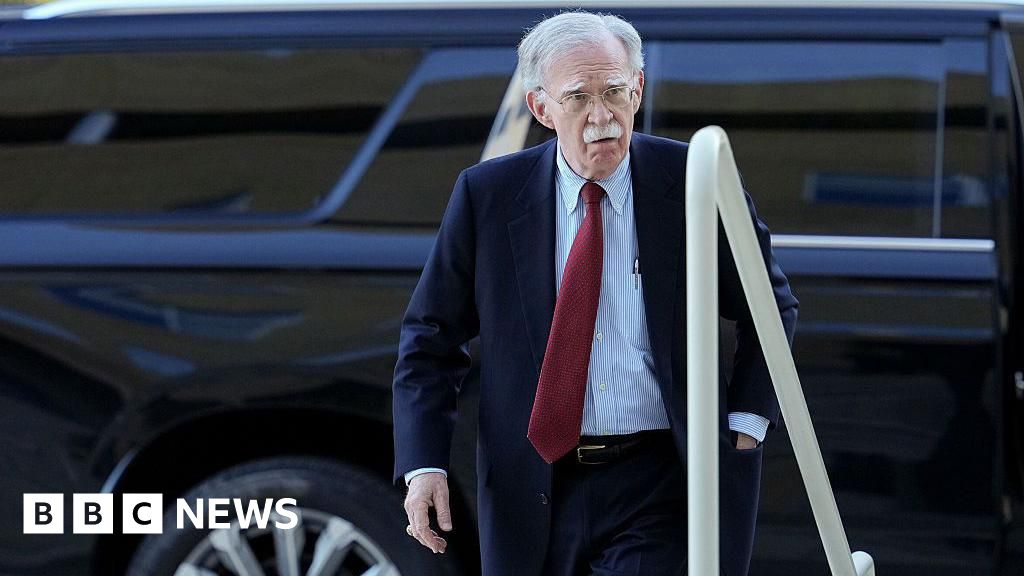
Former Trump adviser Bolton turns himself in over leaked classified info

In a move signaling a stark escalation in
the ongoing legal battles surrounding political figures in the United States, John Bolton, the former national security adviser to President Donald Trump, has surrendered to federal authorities on charges related to mishandling classified information. This development marks a significant chapter in the erosion of political norms and a deepening of partisan divides that threaten the fabric of American democracy. Bolton, a controversial figure who parted ways with the White House bitterly and publicly criticized Trump, now finds himself at the center of a high-profile legal controversy that could have profound geopolitical impact.

The indictment alleges that Bolton utilized personal messaging apps and email to transmit sensitive intelligence, revealing future attack plans, foreign adversaries’ strategies, and foreign policy negotiations—acts prosecutors argue constitute illegal conduct. Such revelations, if proven true, threaten the delicate international balance of security cooperation and risk exposure of classified information to hostile nations. The case underscores the increasingly contentious environment surrounding national security in the digital age, with experts warning that these developments could ripple beyond domestic politics, impacting global stability. Historians and international analysts alike point out that the mishandling or reckless disclosure of intelligence not only jeopardizes the safety of citizens but complicate diplomatic relations with key allies and adversaries alike.

Further, Bolton’s case has broader implications within the context of U.S. internal conflict and the weaponization of justice. Bolton’s lawyer, Abbe Lowell, dismissed the charges as part of a pattern seen in recent years, claiming that “many public officials throughout history kept diaries—that is not a crime.” However, critics contend that the Justice Department’s actions demonstrate a dangerous precedent where political rivals are targeted to undermine their influence, especially in a time when the country is polarized like never before. As international organizations scrutinize America’s internal stability, the case raises urgent questions about the rule of law and the limits of political accountability. Analysts argue that how the U.S. handles Bolton’s case could influence its global image—whether as a beacon of justice or a nation mired in political vendettas.

Adding further complexity, allegations of cyber attacks linked to
the Islamic Republic of Iran reveal that espionage and cyber warfare continue to be prime tools for hostile nations trying to influence U.S. political and security landscapes. The potential hacking of Bolton’s accounts underscores the broader threat posed by state-sponsored cyber operations, which increasingly target top officials in major powers —a development condemned by security experts worldwide. This attack highlights the perilous intersection of technology and geopolitics, where the security secrets of nations can be compromised with alarming ease, thus threatening international peace and stability. Many analysts warn that these cyber threats are a prelude to a new form of diplomatic warfare, demanding urgent international cooperation but also exposing the vulnerabilities of democracies grappling with pervasive digital espionage.

As the world watches, the trajectory of this internal U.S. saga will resonate far beyond its borders, casting shadows over global diplomatic relations and shaping the legacy of an American political landscape fractured by controversy. The headlines are only beginning to unfold, yet their echoes threaten to define an era—one marked by power struggles, evolving technology, and the relentless march of history’s worst conflicts. Future generations will remember whether the United States, once a symbol of stability, was consumed by internal strife or rose to redefine justice amidst chaos. As the courtroom doors close on Bolton’s legal battle, the larger question remains: how will this chapter be written in the annals of history, and what lessons will it hold for the world to follow?

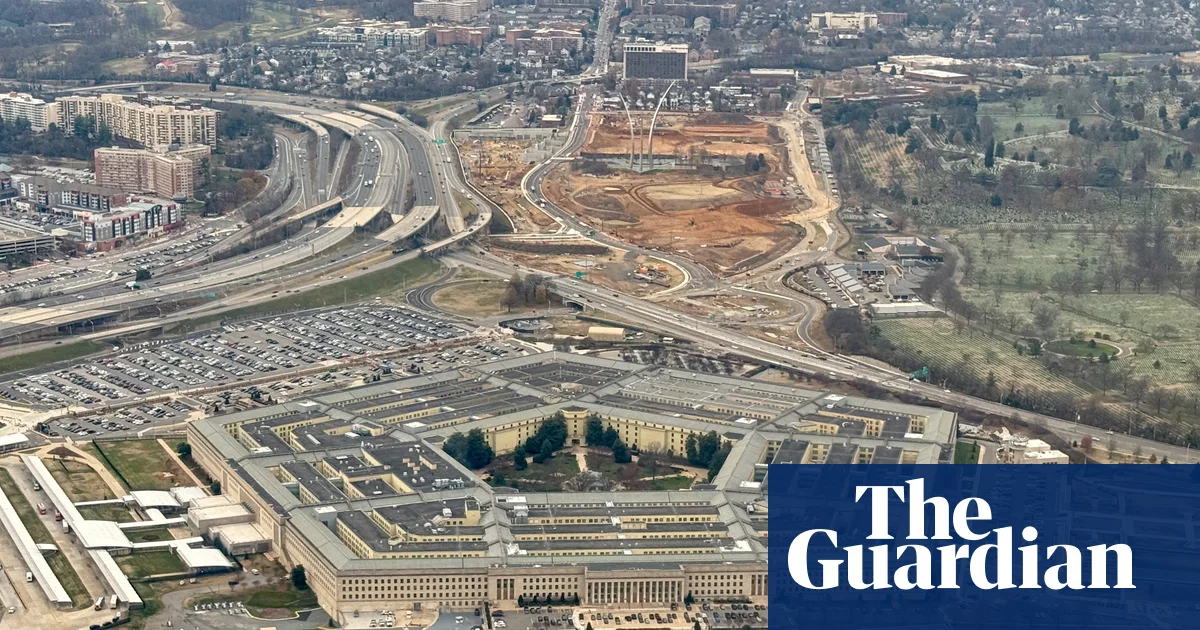
Former Bush Adviser Charged with Stockpiling Top Secret Files—Threatening National Security

In a revealing turn of events that underscores the fraught landscape of international security, India-born scholar and former US government adviser Ashley Tellis has been arrested on charges of unlawfully possessing and sharing top secret information. This arrest, occurring amidst rising tensions within global intelligence communities, signals a potential new phase in the ongoing contest for technological and military supremacy. The case is not merely a matter of individual misconduct but a reflection of broader geopolitical struggles that are shaping the future of international power balances.

Tellis, a prominent figure who has played a significant role in negotiating the historic US-India nuclear deal, was found in possession of thousands of classified documents—including material related to U.S. military capabilities—raising alarm bells about the security of sensitive information. According to federal authorities, the FBI discovered these documents at his residence in Virginia, where he held a top-secret security clearance due to his past employment. Allegations orbiting his interactions with Chinese officials further complicate the narrative, suggesting a web of espionage that spans continents and threatens diplomatic stability. These developments come at a time when Western nations and China are engaged in a high-stakes race for technological dominance, especially in areas like artificial intelligence, military systems, and cybersecurity.

This incident sparks a broader debate among international analysts and historians about the authenticity and reliability of global alliances. According to experts at the Council on Foreign Relations, such breaches are not isolated but indicative of a new era where the transnational flow of information can destabilize long-standing diplomatic agreements. For nations like Russia and China, tension-filled espionage cases like Tellis’s serve as both warnings and opportunities—reminders that information is the most potent weapon in the modern geopolitical arsenal. Officials have promised stringent measures in prosecuting those who mishandle classified information, echoing the warnings issued by US intelligence agencies about the potential security risks involved.

The repercussions extend far beyond the United States and directly impact the global geopolitical fabric. The arrest sends a powerful message about accountability and the fragile trust between allied nations, underscoring that even high-profile intellectuals and policymakers are not immune to the relentless tides of espionage and cyber warfare. How this case will influence future intelligence-sharing agreements, especially between India and the US, remains uncertain. Yet, its significance is in how it underscores the perilous fragility of modern diplomacy where secrets are currency—more valuable than ever, but increasingly vulnerable. As international organizations and national governments recalibrate their security protocols amid these revelations, the shadow of espionage looms large over the corridors of power. The true weight of history in the making can be felt palpably, reminding the world that in this intricate game of shadows, the line between ally and adversary can shift with a single revelation.

Social Media Auto Publish Powered By : XYZScripts.com