
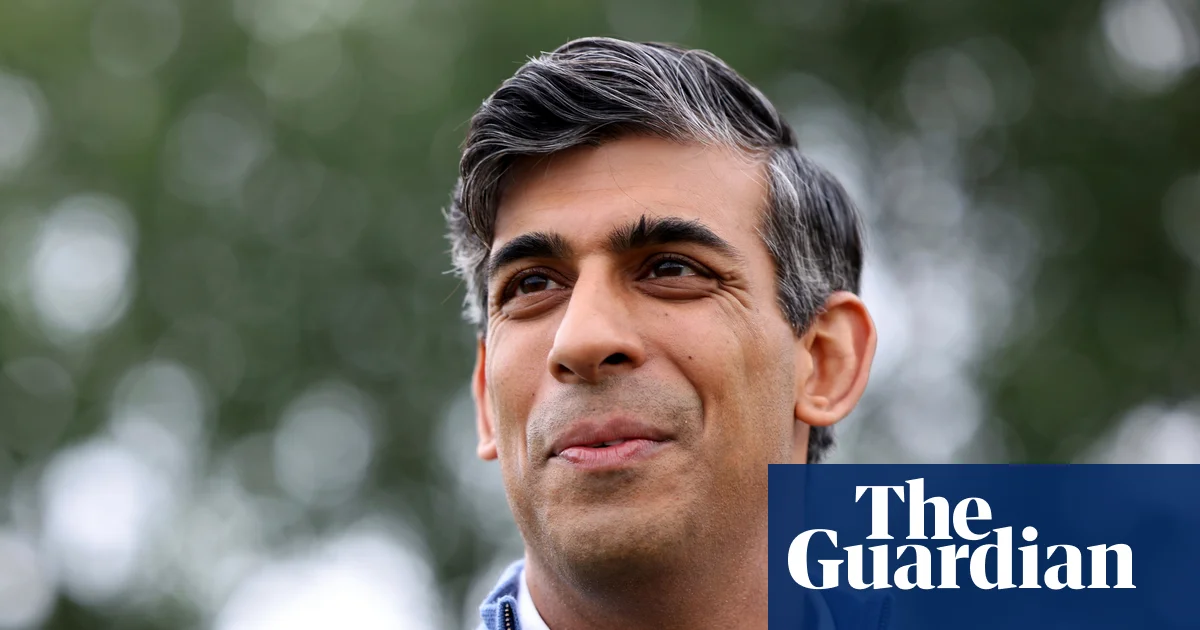

In a move that underscores the shifting tide of global influence and the intertwining of politics and big technology, Rishi Sunak, the former UK Prime Minister, has secured prominent advisory positions with Microsoft and Anthropic. These appointments, officially disclosed through the Westminster Advisory Committee on Business Appointments (Acoba), mark a significant development not only for Sunak’s career but also for the geopolitical landscape shaped by the relentless advance of artificial intelligence and digital dominance. As Sunak joins these tech giants, the global community must scrutinize the deeper geopolitical impact—what such insider influence signifies amidst rising tensions over technological supremacy and international regulations.
- Sunak’s new roles include advising Microsoft, a titan with a market capitalization surpassing $3.9 trillion, which has been at the forefront of AI and cloud computing innovation and has extensive collaborations with governments across the globe.
- The appointment follows his previous engagements—serving as a senior adviser to Goldman Sachs, and as a paid speechmaker for US investment giants like Bain Capital and Makena Capital, which collectively have earned him over £150,000 per engagement.
- Sunak’s strategic meetings with key figures, including Bill Gates and representatives from OpenAI, coincided with major investments and agreements—most notably his £2.5 billion deal to establish new datacentres aligned with Microsoft’s push into AI infrastructure and digital transformation.
The geopolitical implications of these developments cannot be overstated. As Sunak continues to bridge the worlds of politics and technology, critics argue that the lines between national governance and corporate influence are blurring to an unprecedented degree. This is particularly significant as nations worldwide grapple with the security risks associated with advanced AI—risks that include economic disruption, information manipulation, and even political interference. Historians and analysts warn that such revolving door politics may reshape national sovereignty, raising questions about the ability of democratic institutions to regulate powerful industry giants whose influence now straddles global borders.
Furthermore, the technological rivalry between superpowers—particularly between the United States and China—is intensifying, with AI and digital infrastructure at the center of strategic competition. The U.S. government’s deepening ties with corporate giants like Microsoft and Anthropic signal an era where liberal democracies may increasingly rely on private sector alliances to maintain their technological edge. Meanwhile, China advances its own AI initiatives, aiming to challenge Western dominance; but the depth of Western corporate influence, exemplified by Sunak’s appointments, complicates the narrative of national independence in the tech race.
International organizations and security analysts emphasize the importance of transparent regulation amidst the geopolitical shifts. The European Union, for example, is pursuing rigorous AI legislation, seeking to curb undue influence and safeguard societal interests. Yet, in London, the recent acceptance of Sunak’s advisory roles, coupled with the prior government’s involvement in blocking deals like Activision’s overhaul, signals a divergence from a clear regulatory trajectory. It hints at a future where Corporate-Political alliances may supersede the public’s oversight, potentially jeopardizing societal trust and national security in the process.
As the layers of this unfolding saga are peeled back, the world stands on the precipice of profound transformation. Will the decisions forged in smoke-filled rooms among billionaires and ex-politicians shape a new era of digital dominance, or will they serve as a cautionary tale about unchecked influence and the perils of technological hubris? The weight of history, as it continues to be written, reminds us that in the age of rapid innovation, every alliance, treaty, and appointment reverberates beyond borders—reshaping the very fabric of societies and the geopolitical chessboard itself. This ongoing drama is far from over; indeed, it is only just beginning, with the next chapter poised to define the course of our collective future.




