Matox News

Truth Over Trends, always!

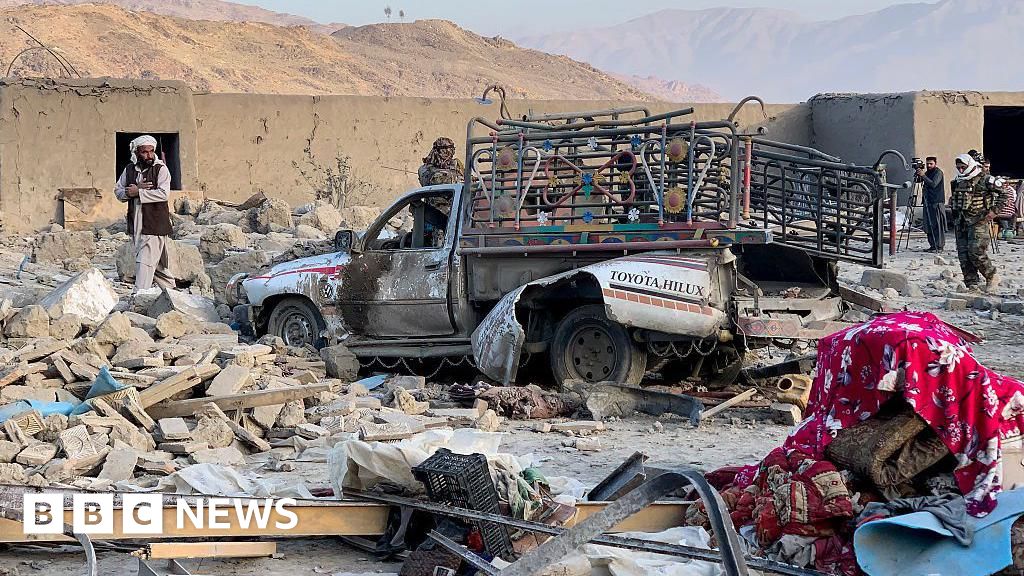
Pakistan targets Afghan cities as border tensions escalate

The recent escalation between Afghanistan and Pakistan marks a critical turning point in South Asian geopolitics, inviting global scrutiny and raising concerns about regional stability. According to reports, the Afghan Taliban has officially announced that it responded to recent Pakistani military strikes, which targeted Afghan cities including Kabul and Kandahar. This development underscores a spectrum of complex intertwining issues—territorial disputes, security threats, and the fragile balance of power—that have long defined the relationship between these two nuclear-armed neighbors.

The Pakistani military entered Afghan territory, citing counter-terrorism operations against militant groups operating across the border. However, the Taliban’s claim of response signifies a shift from previous Taliban neutrality, hinting at a broader escalation that could destabilize the entire region. Military analysts warn that such exchanges risk fueling a cycle of retaliation, pushing South Asia closer to outright conflict. The recent moves come amid an increased militant threat and growing tensions over Afghanistan’s future political landscape following NATO’s withdrawal and the Taliban’s return to power.

The regional implications of these strikes are far-reaching. Pakistan, a key U.S. ally during the Cold War and in the ongoing war on terror, now finds itself entangled in an unpredictable crisis that challenges its strategic interests. The Taliban, supported by elements within and outside Afghanistan, has reiterated its stance of defending its territorial integrity, implicitly warning Pakistan against further military incursions. Meanwhile, China and Russia observe cautiously, understanding that prolonged instability could undermine their interests in Central Asia and beyond. The United Nations calls for restraint but remains deeply concerned about the possibility of escalation leading to a wider regional conflict, jeopardizing prospects for peace in a volatile part of the world.

Historians and foreign policy analysts point to these events as a pivotal moment. Dr. Samuel Peterson, a senior researcher at the International Institute for Strategic Studies, notes that “the response of the Taliban indicates a potential shift in their approach to regional security, possibly signaling a more assertive stance in defending their borders, which could destabilize the fragile peace in the region.” The aftermath of these military actions could reshape alliances, influence internal politics, and determine whether South Asia will step into a new era of conflict or find pathways toward diplomacy. The interplay of national sovereignty, militant insurgency, and international interests continues to hang in the balance, with the world watching closely.

In this unfolding narrative of conflict and diplomacy, history is again being written. The decisions taken by Pakistan and the Taliban at this critical juncture could have enduring consequences, echoing through generations. As diplomats scramble for solutions and military tensions simmer dangerously, the fate of millions remains uncertain. The shadow of history looms large, reminding us that in the high-stakes game of regional power, one misstep could ignite a conflagration that reshapes the geopolitical landscape forever. The weight of this unfolding story underscores the harsh reality: in the theatre of international relations, peace is often the fragile exception in a world driven by conflict and national interests.
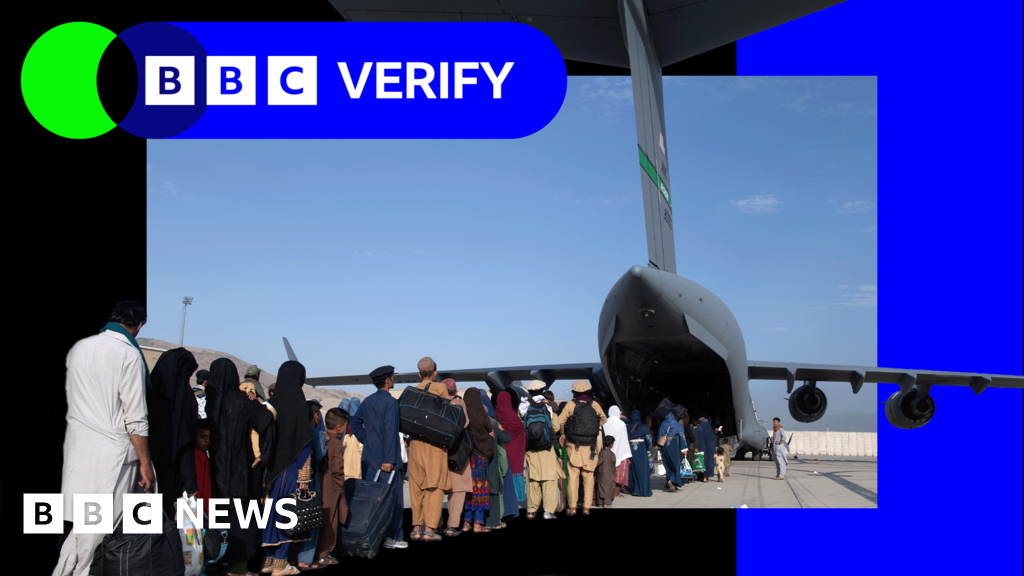
Who truly vetted Afghan evacuees during Biden's watch?
Who truly vetted Afghan evacuees during Biden’s watch?

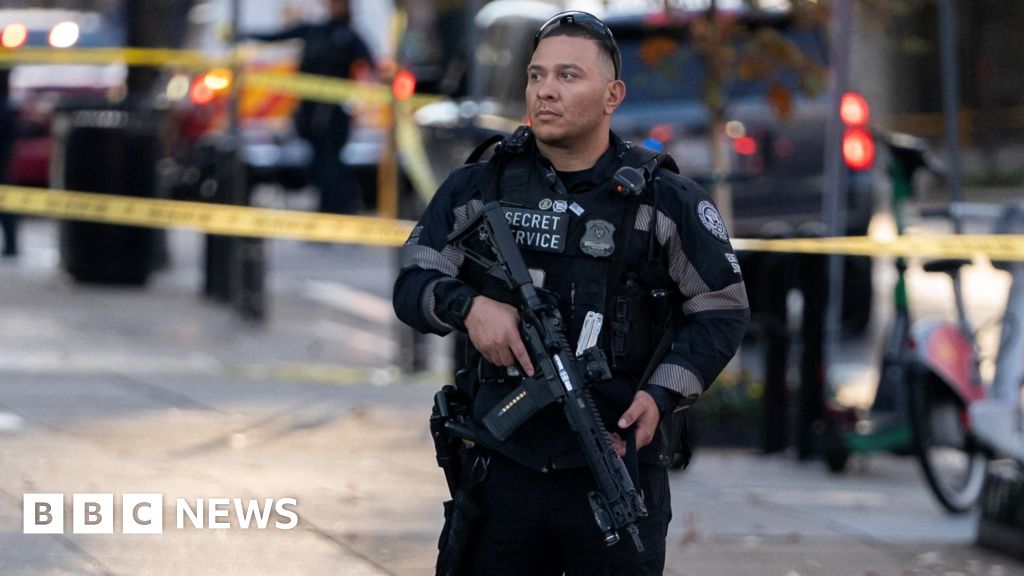
The recent violent incident in Washington DC, where two National Guard members were shot—one of whom tragically succumbed—has ignited a fierce national debate over how the United States handles Afghan refugees and vetting protocols. The suspect, identified as Rahmanullah Lakanwal, entered the country under the Operation Allies Welcome scheme, a Biden-era initiative aimed at resettling vulnerable Afghans following the Taliban’s return to power in August 2021. While the current administration insists that the vetting process was rigorous and multi-layered, critics from the opposition, including prominent Republicans, argue that chaos and insufficient screening have left the nation vulnerable to threats emerging from within. Such events underscore a critical geopolitical impact—shaping public perception, influencing policy, and testing America’s commitments to both its national security and international obligations.

The scheme, launched ostensibly to quickly resettle those most at risk from Taliban reprisals, was heralded as a humanitarian effort by President Biden and his administration. However, the aftermath has been clouded by reports suggesting a less than perfect vetting process. The US Department of Homeland Security claimed that evacuees, including Lakanwal, arrived with “unvetted” backgrounds, raising concern among security analysts and officials. Critics point out that the vetting process, which involved biometric data collection and background checks by agencies such as the FBI and the National Counterterrorism Center, was compromised by systemic issues—such as incomplete data and lax procedures during the chaotic evacuation. A 2022 audit by the Office of Inspector General highlighted that vital information about some evacuees was inaccurate, leading to concerns that potentially dangerous individuals may have slipped through the cracks. According to security expert analysis, these pitfalls in the vetting cascade have contributed to a fragile national security environment, as underscored by recent events.

Internationally, the geopolitical impact of the US’s handling of Afghan refugees extends far beyond America’s borders. Critics, including former President Trump, argue that the Biden administration’s policies created vulnerabilities that enemies could exploit. The disputed claim that Lakanwal was “unvetted” and potentially dangerous feeds into fears of a “Trojan horse” scenario, which opponents equate with a weakening of America’s border integrity. The narrative has been amplified by claims—though lacking transparency—by Republican officials that individuals like Lakanwal were allowed into the country without proper screening. As analysts from international organizations warn, such vulnerabilities could embolden hostile nations and terrorist groups, undermining $ecurity alliances and destabilizing regions across the globe. The debate reflects a broader contest between humanitarian obligations and national sovereignty—a line that international advocates warn is increasingly fragile amid rising threats.

As the story unfolds, the crisis extends into the realm of history and future policy. How nations respond to these challenges will likely define the next decade—shaping whether America’s promise of refuge withstands the weight of threats internal and external. Renowned historians and security experts have warned that the decisions made now will be scrutinized by generations to come. The tragic shooting in Washington serves as a stark reminder that the battle for security versus openness is ongoing, with the weight of that decision bearing heavily on the fate of nations and societies worldwide. The pages of history are still being written, and in the shadows of this incident lie the unresolved questions of trust, vetting, and the true cost of compassion in a perilous age—leaving us to ponder whether the next chapter will see a renewed resolve or a further unraveling of security in the face of complex geopolitics.

US Suspends Afghan Immigration Requests Following Guard Shooting Incident

Recent incidents in Washington, D.C., have underscored the volatile intersection of immigration policy, national security, and domestic stability. A shooting near the White House, involving an alleged Afghan national — Rahmanullah Lakanwal — has reignited fierce debates over U.S. immigration protocols and the efficacy of vetting procedures instituted since America’s chaotic withdrawal from Afghanistan in 2021. This event marks a critical juncture, exposing vulnerabilities in the U.S. border and immigration systems, which have become focal points of partisan contention and strategic reassessment.

The incident, involving a suspect identified as a criminal alien from Afghanistan, who arrived during Biden‘s administration under the Operation Allies Welcome program, has prompted a nationwide review of security measures. Following the attack, U.S. authorities suspended processing all immigration requests from Afghan nationals, citing concerns over security and vetting standards. This decision underscores a pivotal shift in policy, driven by fears that individuals like Lakanwal might pose risks to domestic safety, especially amid rising tensions over refugee and immigrant integration. Analysts from respected institutions warn that such dramatic policy reversals could undermine America’s standing as a land of opportunity while simultaneously fueling fears among citizens seeking safety first.

The geopolitical impact of these policy shifts extends beyond domestic borders, affecting US relations with neighboring nations and allies. The Biden administration’s reduced refugee protections and the ending of Afghanistan’s temporary protected status have created a sense of insecurity among Afghan-American communities and international observers who see these moves as a reflection of broader strategic withdrawals. Meanwhile, President Trump’s rhetoric—labeling the shooting as an “act of terror” and advocating for the removal of foreigners—resonates with a significant segment of the demographic seeking a tough stance on security. Such rhetoric risks emboldening nationalist and anti-immigrant factions worldwide, potentially destabilizing diplomatic relations and fueling regional tensions in already fragile zones.

Experts, including historians and security analysts, emphasize that this incident is emblematic of a larger narrative: how decision-making in Washington profoundly shapes the perceptions and realities of security for ordinary citizens. The deployment of thousands of National Guard troops—initially to curb amplified crime in the city—has become a political symbol of strength or overreach, depending on the lens. The decision to escalate military presence reflects an underlying challenge: balancing civil liberties with national security, especially when the stability of society is called into question after such violent events. As the debate intensifies, the outcome will likely influence future policies, emphasizing either increased security measures or cautious reforms aimed at preserving civil rights.

As the dust settles over this disturbing event, history remains in the making. With each decision, from immigration vetting to military deployment, the course of America’s future is being charted—its strength measured by how effectively it navigates internal divisions and external threats. The unfolding narrative reminds us that in the crucible of crisis, nations are tested not just by their response to violence, but by their ability to uphold sovereignty and social cohesion amid chaos. In the shadows of this violent act, the weight of history presses heavy, as the world watches whether America will emerge resilient, or falter under the mounting pressures of its own choices.

Social Media Auto Publish Powered By : XYZScripts.com



