Matox News

Truth Over Trends, always!

Pakistan Tells Afghanistan: Enough Is Enough—Declares Open War After Border Attack

Escalating Tensions Between Pakistan and Afghanistan: A New Chapter in Geopolitics

The serene yet volatile relationship between Pakistan and Afghanistan has spiraled into a dangerous new phase, shaking the stability of South Asia and reverberating across global geopolitics. Just months after a fragile ceasefire brokered by Qatar and Turkey aimed to halt the deadly border clashes, both nations now find themselves embroiled in what many analysts are calling an “unprecedented escalation.” The situation echoes the historical tensions over the disputed Durand Line, but recent events mark a stark departure—the direct military engagement between the two neighboring powers.

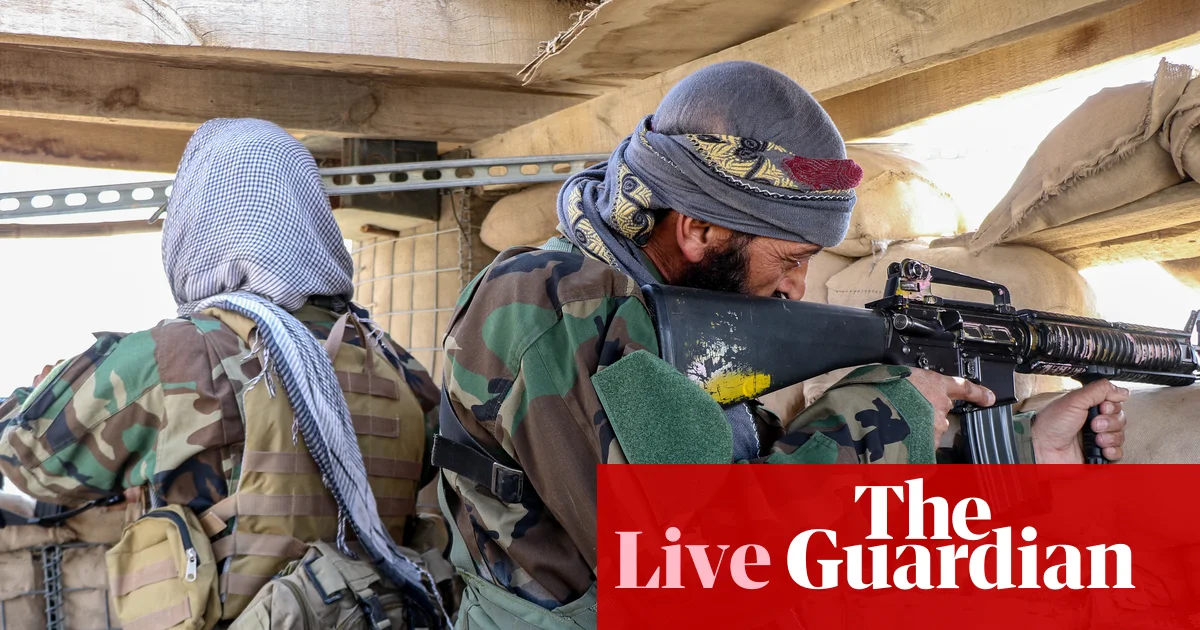
On February 27, 2026, Pakistan declared an “open war” following alleged unprovoked cross-border firing from Afghan territories. In a decisive move, Pakistani forces launched Operation Ghazab lil-Haq (“Righteous Fury”) targeting Afghan military positions, including Kabul, Kandahar, and Paktia—an unprecedented escalation that risks destabilizing the entire region. Khawaja Mohammad Asif, Pakistan’s defense minister, openly articulated the nation’s grim new stance: “Our patience has now run out. Now it is open war between us.” Such rhetoric signals a dangerous departure from diplomacy, reflecting mounting frustrations over what Islamabad claims are harboring Afghan Taliban and militant groups within Afghan borders.

Meanwhile, Afghanistan’s Taliban government has responded with retaliatory attacks, including claims of drone strikes targeting Pakistani military sites. Afghan officials have asserted that their military retaliated after Pakistani airstrikes, with reports of casualties reportedly both statistical and conflicting, as each side leaks vastly different figures. Official statements from Afghanistan speak of over fifty Pakistani soldiers killed, whereas Pakistani authorities claim significant Taliban casualties in the thousands, emphasizing the opaque and chaotic nature of today’s conflict. Many international organizations, including the United Nations, have expressed grave concern over the rising civilian toll—highlighting that the true human cost remains hidden amid diverging narratives.

  • The escalation begins as analysts point out it is the first time Pakistan has directly targeted Afghanistan’s Taliban rather than solely militant TTP positions.
  • Examining the wider geopolitical impact, this conflict threatens to undo the tentative peace processes and threatens regional stability.
  • Global powers, from Russia to China, are calling for restraint, but their diverging interests complicate swift resolution.

International responses continue to underscore the gravity of this evolving crisis. The UK, through Foreign Secretary Yvette Cooper, urges both sides to engage in de-escalation and mediated dialogue, echoing widespread calls for restraint. Conversely, Russia, the only country with formal recognition of the Taliban government, has urged both Afghanistan and Pakistan to return to diplomatic negotiations, warning that further escalation risks catastrophe. China, a regional powerhouse and key player in mediating through its channels, has expressed deep concern, calling for a swift ceasefire to prevent further bloodshed and chaos.

Within this tempest of military exchanges and diplomatic appeals, the destiny of South Asia hangs precariously in the balance. The recent direct confrontations breathe new life into a long-standing conflict that could ignite larger regional confrontations, involvingierleaning nations wrestle with the brutal realities of sovereignty, militant sanctuaries, and geopolitical dominance. As historians and analysts observe, “This moment may very well be the defining juncture of the 21st century’s regional order,” and the decisions taken in these tense days will undoubtedly echo through history’s halls for generations to come.

The unfolding chapter of this crisis leaves the world with a haunting question:

Will diplomacy prevail, or are we witness to the very brink of a wider, perhaps even catastrophic, regional war?
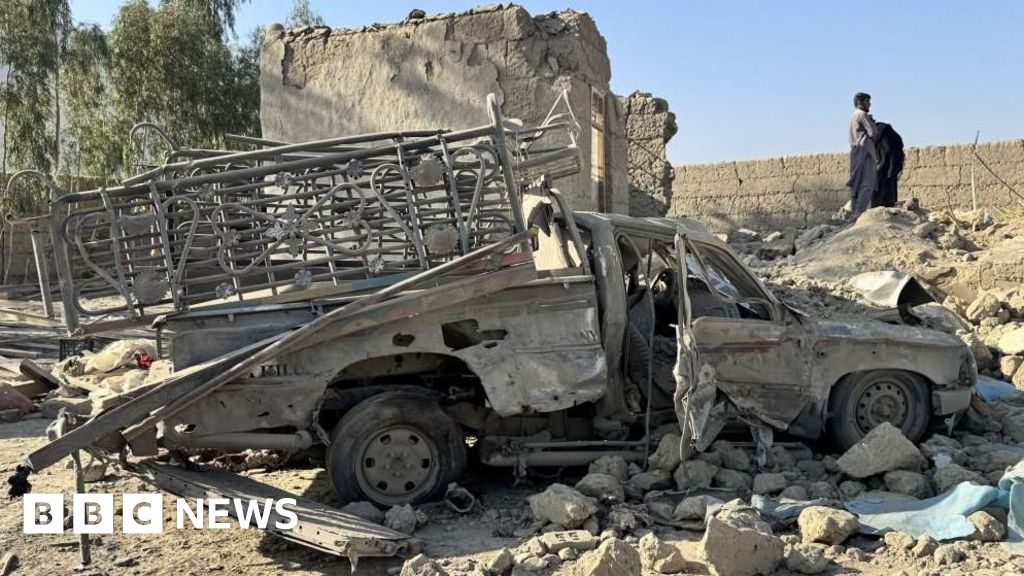
Pakistan strikes Afghanistan; Taliban reports dozens dead amid rising tensions

In a swift and forceful response, Pakistan announced that its military conducted targeted strikes in regions they allege harbor insurgents responsible for recent terrorist activities. The Pakistani government characterized these actions as an act of retaliation for the devastating suicide bombings that recently struck the nation. This escalation highlights the ongoing and deeply complex security challenges faced by South Asian nations amidst rising extremism and unresolved regional tensions.

According to statements from Pakistani authorities, the military launched air and ground operations ostensibly aimed at dismantling militant hideouts in border areas adjacent to Afghanistan. These operations underscore the persistent instability within Pakistan’s tribal regions, where militants often take refuge and orchestrate attacks across the border. Analysts note that Islamabad’s calculus appears rooted in a desire to project strength and deter future assaults, while critics warn of the risk of broader escalation in a volatile geopolitical landscape.

This confrontation has significant geopolitical impact, as regional powers watch closely, wary of the potential for renewed conflict to spill beyond national borders. International organizations, including the United Nations and regional players like India, have expressed concern over the cross-border tensions. Historically, these areas have been a flashpoint for instability, complicating diplomacy and peace initiatives that seek lasting resolution. Experts argue that such military responses, while perhaps pragmatic or necessary from a security perspective, often risk intensifying a cycle of violence that hampers diplomatic progress.

Leading international analysts and academicians caution that, without comprehensive strategies addressing the root causes of militancy and socio-economic grievances, conflicts like these threaten to deepen divisions within societies and destabilize neighboring nations. The decision by Pakistan to escalate military action thus marks a pivotal moment, illustrating how countries under threat must balance the imperatives of security with the broader goal of stability. As history continually unfolds in this troubled region, the world remains captivated — and cautious — about whether this cycle of violence will eventually give way to dialogue or descend further into chaos.

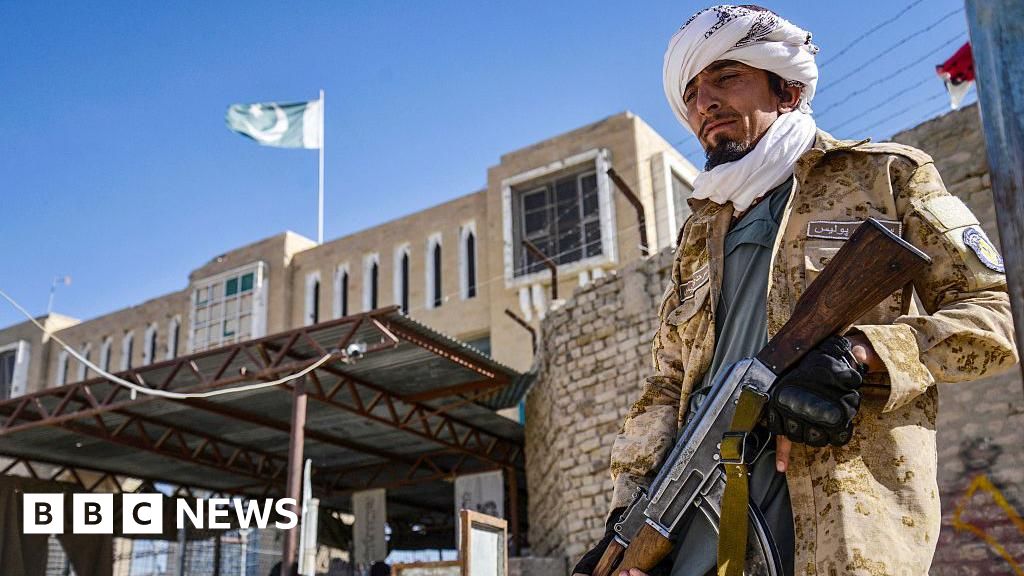
Tensions flare as Pakistan and Afghanistan clash again

Recent border clashes between Pakistan and Afghanistan’s Taliban regime have once again underscored the fragile nature of peace in this volatile region. Despite international efforts to broker calm, hostilities erupted overnight along the nearly 1,600-mile frontier, resulting in casualties and mass civilian displacement. Both sides accused each other of initiating the confrontation, with sporadic fighting and accusations of air strikes igniting fears that longstanding tensions are reaching a boiling point. This flare-up highlights the complex interplay of security concerns, geopolitical interests, and deeply rooted mistrust that has persisted since the Taliban’s return to power in 2021.

The immediate aftermath saw residents fleeing in terror, with reports of mortar fire damaging civilian homes — a tragic reminder that regional conflicts often spill into innocent communities. Surgeons and aid workers describe a grim scene of the wounded arriving at hospitals, with at least four dead on the Afghan side and additional casualties reported across both nations. Analysts warn that these clashes threaten to undo recent diplomatic progress, casting doubt on prospects for a sustainable peace settlement sustained by mediators from Qatar, Turkey, and regional actors. Despite a ceasefire agreement inked less than two months prior, tensions flared anew, revealing how fleeting and fragile this diplomatic window has proven to be.

  • The Pakistan government accuses the Taliban of sheltering armed groups responsible for numerous attacks in Pakistan, cultivating a cycle of violence and suspicion.
  • The Taliban deny these accusations, asserting that Pakistan’s security failures and provocations are unprovoked and unjustified.
  • Both sides have engaged in repeated negotiations, including recent talks in Saudi Arabia, but a conclusive agreement remains elusive amid mutual accusations and geopolitical rivalries.

The geopolitical impact of these border conflicts extends well beyond Kabul and Islamabad. With international powers carefully watching shifts in influence, the ongoing violence complicates regional stability, especially considering the strategic interests of China, India, and the United States. Historians and global organizations warn of a potential escalation if unresolved grievances deepen, emphasizing the importance of balanced diplomacy and the dangers of allowing insurgency and militancy to flourish unchecked. As the world witnesses this tense chessboard, the future of centuries-old border lines—and the societies they divide—hangs in a delicate balance, their fates intertwined with decisions made in distant capital cities and hidden corridors of power.

Special Forces Boss Hid Worries Over SAS Conduct in Afghanistan, Inquiry Reveals

UK Special Forces Under Scrutiny: Allegations of Unlawful Killings in Afghanistan Shake International Trust

In a developing chapter of military accountability and international law, the ongoing inquiry into alleged war crimes committed by UK special forces in Afghanistan has unveiled disturbing evidence of a possible cover-up and systemic misconduct. Led by Lord Justice Haddon-Cave, the investigation has revealed chilling allegations that extrajudicial killings may have been sanctioned or overlooked by senior military figures, raising profound questions about Britain’s military ethics and adherence to international law. The revelations jeopardize not only the United Kingdom’s military reputation but also threaten to undermine the broader legitimacy of Western interventions in conflict zones.

At the heart of the scandal lies a whistleblower, known only by the codename N1466, who has accused high-ranking officials of ignoring clear warning signs of war crimes dating back to 2011. According to transcripts and testimony, N1466 detailed how concerns about unlawful shootings—resentfully dismissed by the chain of command—were met with an intent to conceal rather than rectify. Of particular gravity are accusations that special forces units carried out **shootings of children and unarmed civilians**, including a tragic incident where two toddlers, Imran and Bilal, were shot in their beds in 2012, with their parents killed during the raid. These reports not only evoke horror but also threaten to further destabilize public trust in the British military’s role abroad.

International analysts, including war crimes experts and human rights advocates, have expressed concern that such misconduct, if proven, could set a dangerous precedent. How nations handle allegations of misconduct in wartime impacts their standing on the global stage: failure to address, investigate, or prosecute these crimes may invite international sanctions or diminish the moral authority of Western allies. The UN’s Office of the High Commissioner for Human Rights and other global bodies have historically condemned extrajudicial killings, emphasizing the importance of accountability, especially when detainees are executed or evidence suggests weapons are planted on victims.

Revealed Patterns of Cover-Up and Systemic Issues

  • Allegations that military authorities ordered reviews of tactics to obscure evidence of unlawful killings, reflecting a potential **institutional effort to avoid accountability**.
  • Inconsistent official responses, with the Ministry of Defence claiming commitment to transparency while waiting for the outcomes of a probe that reveals troubling systemic issues.
  • Evidence suggesting a disproportionate ratio of killings to recovered weapons in raids, with repeated reports of detainees being shot after being taken along in operations. Such patterns raise questions about adherence to the Geneva Conventions and international humanitarian law.

This scandal echoes a broader debate about the limits of military power and the cultural forces within special forces units that may prioritize secrecy and success over legality and human rights. Historians and security analysts warn that if these allegations are true, it could irreparably damage the UK’s international reputation, casting a shadow over previous military achievements and calling into question the moral integrity of the forces involved. As one veteran remarked, “We didn’t join UKSF for this—children shot in their beds or random killings. It’s not what being ‘special’ or ‘elite’ should stand for.”

The Road Forward: Justice or Denial?

As the inquiry continues, the weight of potential justice hangs heavily in the balance. The international community watches cautiously, aware that how Britain addresses these allegations may influence future standards of conduct for all military forces involved in complex conflicts. The outcome may determine whether the legacy of the UK’s special forces is one of heroism or shame, shaping global perceptions of Western military intervention for generations to come. In the shadows of history, it is the decisions made today—whether to confront or conceal—the ones that will ultimately define the moral framework of a nation torn between security and justice.

Afghanistan Withdraws from Cricket Series in Protest Over Pakistan Airstrike Killings

International Tensions Reach Boiling Point as Afghanistan Cuts Ties in Sport and Peace Talks Show Fragility

The international community faces a precarious moment marked by escalating violence and fragile diplomacy between Afghanistan and Pakistan. In a dramatic display of national grief, Afghanistan’s cricketing authorities have announced their withdrawal from a tri-nation T20 series scheduled for November, after three young Afghan cricketers were tragically killed in an air strike. The attack, described by Afghanistan’s Cricket Board as targeted and carried out by Pakistan’s regime, underscores the deeply intertwined nature of regional conflict and cultural identity.

This incident not only devastates Afghanistan’s burgeoning sports scene but also highlights the profound impact of military conflicts on societal cohesion. As noted by international analysts, the deaths of Kabeer Agha, Sibghatullah, and Haroon—who did not even represent the national team—are emblematic of how conflict permeates every facet of life, from sports to national morale. The International Cricket Council expressed deep sadness and condemned the violence, framing it as a tragic loss for the entire cricketing family. Yet, beyond the sporting arena, the violence has broader geopolitical implications, threatening the stability of a region already scarred by decades of conflict.

Amid these tragic events, efforts are underway to forge some semblance of peace through diplomatic channels. A temporary truce has been announced, extending for 48 hours to facilitate negotiations in Qatar, as Afghan and Pakistani delegations meet to address border tensions and cross-border terrorism. Former Afghan President Hamid Karzai called for reconsideration of Pakistan’s policies, urging a move toward civil and cooperative relations—an appeal echoed by regional observers who see the current approach as a cycle of provocations and reprisals. However, Pakistan’s official stance remains defensive, with Defense Minister Khawaja Asif emphasizing ongoing efforts to curb militant activities, claiming that recent strikes targeted militants and not civilians.

This fragile diplomacy comes at a crucial moment when Islamabad’s claims of counterterrorism efforts clash with local reports of civilian casualties, fueling mutual accusations. The situation on the border remains tense, with casualties reported on both sides, further complicating prospects for peace. Historians and security experts warn that unresolved border disputes and cross-border militancy threaten to unravel hard-won diplomatic advances, risking another cycle of violence with profound regional and global repercussions. As international powers watch nervously, the region’s trajectory hangs in a delicate balance, where each decision could either pave the way for reconciliation or thrust the region into renewed chaos.

As the shadows of war lengthen across this borderland, the voices of youth and hope within Afghanistan and Pakistan seem drowned out by the relentless echo of violence. The deaths of promising cricketers symbolize far more than a tragic loss—they are a stark reminder of how war’s destructive hand reaches into every corner of society, dismantling dreams and futures. As historians speculate on the unfolding chapters of history, the weight of tension presses heavily on the shoulders of nations eager for peace but unable to escape their turbulent past. The world watches as this fragile peace hangs by a thread, its next move potentially sealing the fate of an entire region, where the echoes of conflict threaten to drown out the possibility of coexistence—leaving history still in the making, with the future uncertain and the stakes higher than ever.

Border tensions flare between Pakistan and Afghanistan amid escalating clashes

In a dramatic turn of events, Pakistan and Afghanistan find themselves embroiled in a dangerous cycle of violence that threatens regional stability and the delicate balance of power in South Asia. Clashes along their shared border erupted with alarming intensity after a series of provocations and accusations that underscore how fragile the peace process has become. The recent escalation was triggered by an attack on Pakistani military posts allegedly carried out by Taliban forces in response to Pakistani airstrikes in Kabul, sparking fears of a wider regional conflict that could have devastating consequences for neighboring nations and international security.

Initial reports reveal that Taliban militants launched armed reprisals against Pakistani troops, claiming that their territory was violated by Islamabad’s air operations. Senior Taliban officials from several provinces accused Pakistan of conducting strikes inside Afghan borders, leading to increased violence and the seizure of border posts, notably in the strategic Helmand province. Pakistani security officials confirmed exchanges of fire at multiple border points; a Pakistani government spokesperson described the situation as “an act of aggression” that warranted a forceful response involving artillery, tanks, and assorted weaponry. This tit-for-tat escalation emphasizes the volatile nature of bilateral relations under stress, where miscalculations could spiral out of control.

International analysts, including security expert Michael Kugelman, warn that these recent hostilities reflect a fundamental breach in trust and a dangerous potential for regional destabilization. Kugelman emphasized that the convergence of cross-border attacks, Pakistani strikes into Afghanistan, and Taliban retaliation form a “perfect storm” that could rapidly escalate. Furthermore, the ongoing refusal of the Taliban regime in Kabul to acknowledge the international borders or crack down on terrorist groups like Tehreek-e-Taliban Pakistan (TTP) complicates diplomatic efforts. Observers point out that Islamabad’s demand for Kabul to cease harboring the TTP, a terrorist organization linked to numerous attacks within Pakistan, has been met with silence or dismissiveness. Without concerted intervention, the danger of an expanding conflict appears imminent, risking further destabilization across South Asia.

Historians and policy analysts warn that these tensions are no isolated incidents but symptoms of deeper geopolitical struggles. Pakistan and Afghanistan have long been entangled in a complex web of alliances, rivalries, and conflicting interests, with India and China also playing influential roles. The situation is compounded by Kabul’s lack of official recognition of international borders, which fuels ongoing disputes. As U.S. and European organizations urge restraint, regional powerbrokers recognize that the outcome of this confrontation could reshape borders, alliances, and national identities for decades. In this precarious moment, every military stance, diplomatic gesture, or misstep could rewrite the narrative of the region, sending shockwaves across the global stage.

As the night falls on a tense border, the ominous shadow of history looms large, reminding the world that peace in this part of the world remains fragile, elusive, and profoundly vital. The question now is whether diplomacy can outmaneuver hostility before the tinderbox ignites into a full-scale conflict, forever altering the geopolitical landscape. With each passing hour, the risk of a broader war grows—not as a distant threat but as a stark reality awaiting in the wings, a testament to how fast the currents of history can turn and how devastating their consequences may be for generations to come.

Afghanistan Suffers Internet Blackout as Taliban Cuts Fiber Optic Cables, Raising Concerns

The recent total internet blackout in Afghanistan marks a significant escalation in the Taliban’s concerted effort to control information and suppress dissent within the country. Weeks after severing fibre-optic internet connections under the guise of moral enforcement, Taliban authorities now enforce an all-encompassing shutdown of telecommunications, including services vital for daily life, commerce, and international communication. As reported by the internet watchdog Netblocks, this blackout not only curtails access to information but strategically isolates the nation, leaving its population in a silence that echoes across the international stage. Such measures have profound geopolitical impact; they serve as a stark indication that the Taliban’s grasp on Afghanistan is tightening, with potentially far-reaching consequences for regional stability and global diplomacy.

Analysts warn that this shutdown represents a deliberate move to consolidate control, particularly over the country’s youth and political opposition. The Taliban, since their 2021 return to power, have aggressively enforced a strict interpretation of Sharia law, removing women from universities, censoring books, and restricting individual freedoms. The recent telecommunications blockade compounds these efforts, effectively cutting off Afghan voices from the outside world. Observers such as historians and international agencies note that this level of information suppression is unprecedented—not even during North Korea’s isolationist regimes has a nation entirely blacked out the internet in this systematic manner. The impact on society is palpable: many Afghan citizens report feeling isolated, their ability to communicate and access vital services abruptly halted. The blackout thus not only disrupts daily life but signals a dangerous normalization of authoritarian control that could persist for years.

In response, regional and international actors are watching cautiously. While the Taliban claim the shutdown is temporary, experts warn that it sets a dangerous precedent and signals a deeper attempt at to entrench their totalitarian rule. Governments in neighboring Pakistan and India, along with global powers like the United States and China, scrutinize this development for its potential to ignite instability or spark humanitarian crises. The United Nations and human rights organizations have issued cautious statements, condemning the restrictions on fundamental freedoms but lacking concrete leverage to alter Taliban policies. Meanwhile, many Afghan citizens living abroad lament the loss of their compatriots’ voices, echoing the sentiment that Afghanistan now stands on a precarious brink—where the **dictatorship’s grip tightens amidst a silenced population**. History warns that prolonged information blackouts tend to consolidate power while dehumanizing dissent, thus threatening to permanently alter Afghanistan’s social fabric.

As the world observes an unfolding chapter of repression, the shadow of history looms large. This blackout is more than a technological failure—it’s a stark symbol of how emerging power factions redefine sovereignty through control over information. The voice of the Afghan people, muffled and crippled, becomes a tragic testament to the cost of inaction by the international community. The question remains: will this silence usher in a new era of darkness for Afghanistan, or will global resolve ignite a response capable of breaking this cycle? Time will tell, but the echoes of this moment will resonate through the corridors of history, reminding future generations of the dangers when nations choose silence over liberty, and control over the human spirit. Thus, the story of Afghanistan’s current silent crisis continues to be written—one that may yet define the fate of a nation in the crucible of a new geopolitical epoch.

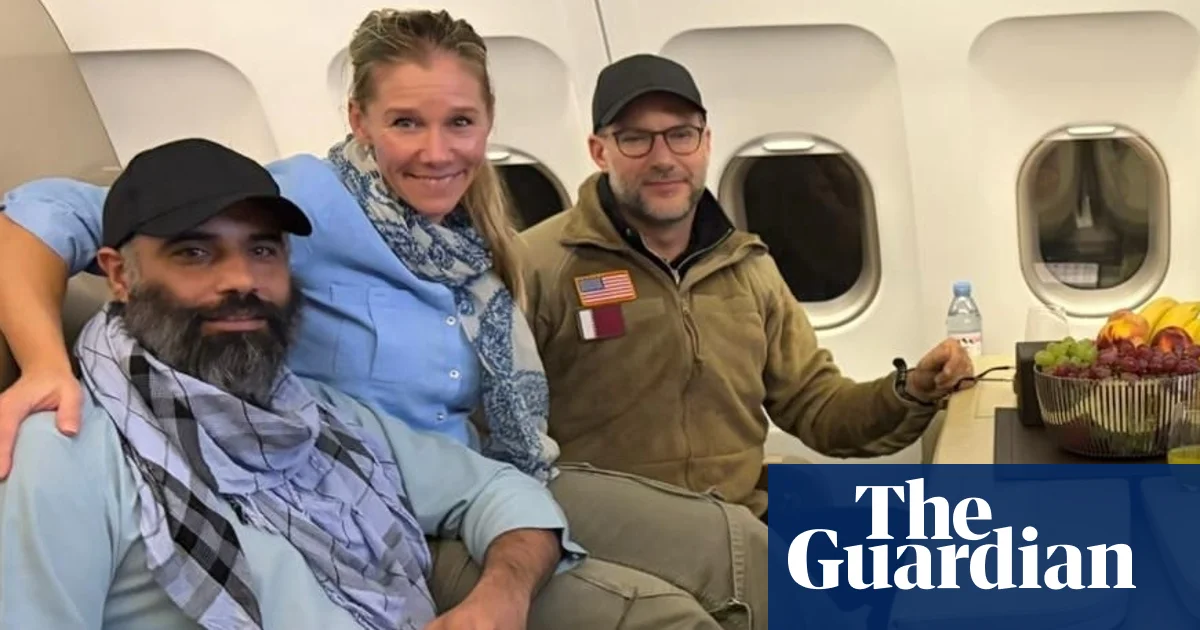
US Citizen Amir Amiry Secured by Taliban in Afghanistan

The recent release of Amir Amiry, a US citizen detained in Afghanistan, underscores the fragile and complex geopolitical dance ongoing in the heart of Central Asia. After weeks of diplomatic negotiations facilitated by Qatar, the Taliban’s decision to free Amiry highlights the layered diplomacy at play, one influenced heavily by strategic interests and international pressure. This development is not merely a humanitarian milestone but a clear signal of shifting power dynamics, where regional players and global institutions shape the future of a nation whose stability remains pivotal for global security.

U.S. Secretary of State Marco Rubio framed the release as a reflection of America’s unwavering commitment to protect its citizens abroad, especially in the shadowy corridors of Taliban-controlled Afghanistan. His remarks echo recent directives from President Trump, emphasizing that the United States will pursue a policy of relentless pursuit of justice for those unjustly detained. Yet, the broader question remains: what are the true costs and implications of such negotiations? Reports suggest that Qatar’s involvement in securing the release demonstrates how regional powers now hold significant sway in Afghanistan’s ongoing saga. This diplomatic leverage raises questions about the long-term influence of outside nations and whether their roles inadvertently legitimize Taliban governance.

The case of Mahmood Habibi, an Afghan-American businessman vanished in 2022, underscores the ongoing suffering of families caught amidst the fragile peace process. Habibi’s disappearance, attributed by his family to Taliban custody, illustrates a broader reality: many Americans and Afghans remain ensnared in a web of uncertainty and danger. While the US government insists that any future exchanges will be ‘all or nothing,’ the situation on the ground suggests that Afghanistan continues to be a geopolitical chessboard, with the Taliban serving as a key piece manipulated by larger regional and international interests. Analysts warn that these negotiations might merely yield short-term relief without resolving the underlying political crisis, which remains a tinderbox for future conflict.

Meanwhile, Afghanistan’s economic and humanitarian crisis deepens amid dwindling international aid and mounting humanitarian disasters, such as the recent magnitude-6 earthquake. The country’s isolation is compounded by global indifference and internal instability, which threaten to turn Afghanistan into a breeding ground for terrorism and insurgency. Despite this, Trump remains fixated on regaining former US military positions, such as Bagram airbase. His repeated demand to recapture strategic facilities signals an enduring interest in asserting military dominance. Yet, this pursuit risks reigniting conflict in a country exhausted by decades of war, potentially triggering broader regional destabilization, especially with Iran, China, and Russia watching with keen interest. Such actions could entrench Taliban control further and complicate efforts to forge a stable, tolerant society.

As history continues to unfold, the question endures: who truly benefits from the ongoing negotiations and what footprint will this leave on international stability? The story of Afghanistan illustrates how decisions made behind closed doors ripple outward, influencing global power shifts and shaping the lives of millions. With each release, each diplomatic handshake, the silent weight of history presses down, reminding us that in the shadows of diplomacy, the fate of nations remains precariously balanced — a turbulent dance where every move writes the next chapter of an enduring saga of freedom, control, and survival.

Social Media Auto Publish Powered By : XYZScripts.com