Matox News

Truth Over Trends, always!

South African DJ among five busted in Russia recruitment scheme

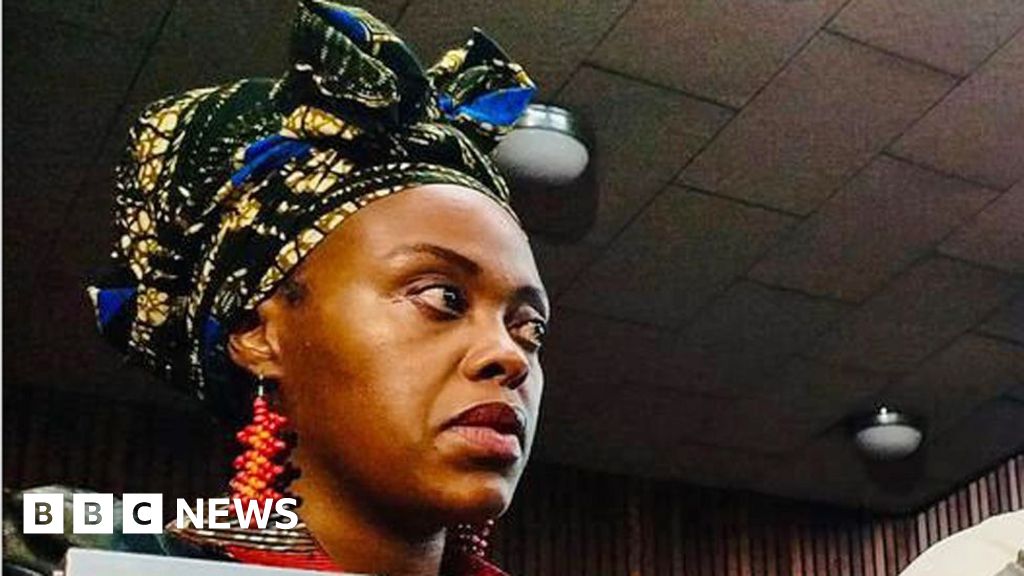
In a noteworthy development that underscores the complexities of international diplomacy, South Africa finds itself at the center of a burgeoning controversy involving illegal recruitment of its citizens by foreign military forces. Recently, a prominent radio presenter, Nonkululeko Patricia Mantula, appeared in court facing charges linked to the alleged facilitation of the recruitment and travel of South Africans to join Russian military forces. This arrest marks a critical point in a series of escalating efforts by South African authorities to clamp down on citizens being lured into foreign conflicts—particularly amid Russia’s ongoing confrontation with Ukraine.

  • In November, the government disclosed that 17 South Africans had been “seemingly” enticed to join mercenary units fighting for Russia, with some reportedly trapped in the Ukraine conflict zone.
  • Police intercepted five individuals—including Mantula—at Johannesburg’s main airport, as they attempted to travel to Russia via the United Arab Emirates.
  • These arrests followed a broader investigation into alleged recruitment networks that exploit South Africa’s high unemployment rates, especially among youth, to lure vulnerable young men with promises of lucrative contracts.

The geopolitical impact of these developments extends beyond South African borders. Analysts emphasize that the recruitment of foreign fighters by Russia complicates the broader geopolitics of the Ukraine conflict, with Russia seeking to bolster its forces through an international pool of mercenaries. At the same time, Western nations and Ukrainian authorities have expressed concern over the influx of foreign nationals being used as pawns in a proxy war. These efforts appear to be part of a larger strategic move by Russia to undermine Western influence and extend its military reach with the help of destabilized and economically vulnerable societies like South Africa.

Many national and international voices, including well-respected security analysts and international organizations, warn of the long-term consequences of foreign engagement in conflicts like Ukraine. Especially in a country like South Africa, where social issues such as unemployment are pervasive, the lure of high-paying military contracts often obscures the deadly realities. The case of Mantula and others involved finally puts into focus the dangerous movie of foreign interference and recruitment drives, which threaten the stability and sovereignty of nations. History has shown that allowing foreign mercenaries to operate within national borders often leads to long-term destabilization, undermining local governance and social cohesion.

Ultimately, this unfolding drama leaves an indelible mark on the record of modern history—a stark reminder of how individual choices, driven by poverty and manipulated by global powers, can influence the balance of international sovereignty and security. As South African authorities continue their investigations and diplomatic efforts, the world watches, mindful that the outcome will not merely define the fates of a handful of citizens but will also chart the course of global conflict, sovereignty, and the limits of national authority. The weight of history remains heavy on this fragile point where personal and national destinies intersect in the shadow of a widening geopolitical struggle—an ongoing saga that may yet redefine the contours of future conflict.

South African man caught at neo-Nazi rally loses Australian visa, protecting our values

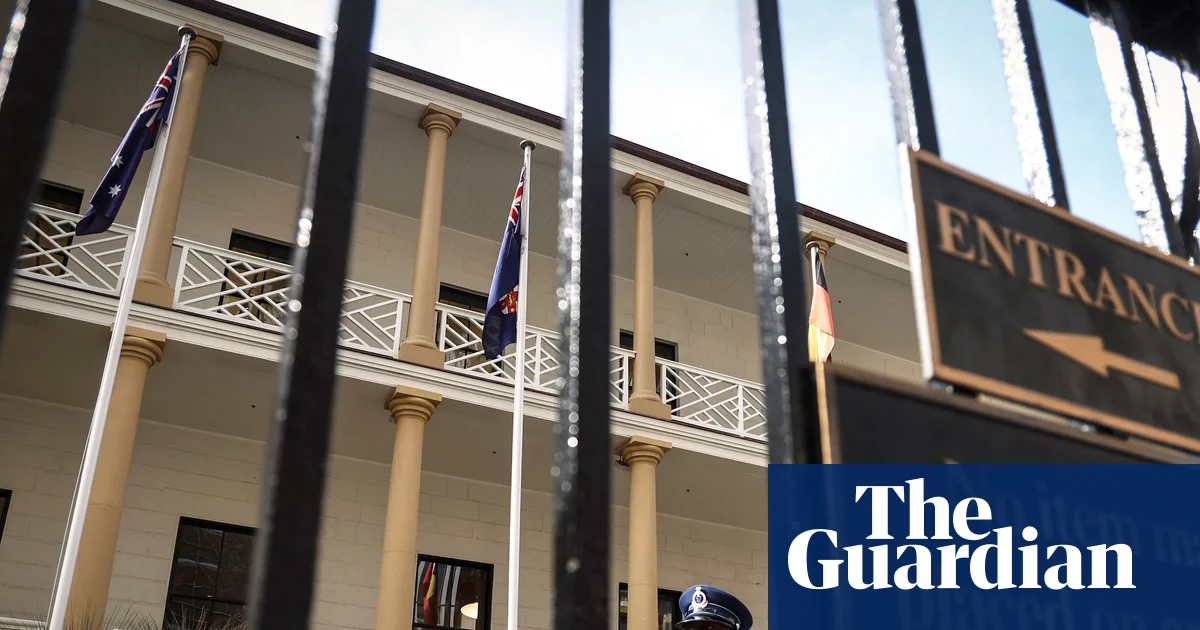
In a disturbing display of rising populist extremism, Australia recently confronted a stark reminder of the global threat posed by far-right ideology and neo-Nazi sympathies. A South African immigrant, Matthew Gruter, who has been residing in Australia since 2022, was seen participating in a neo-Nazi rally outside the New South Wales parliament organized by the National Socialist Network. The event, attended by approximately 60 men dressed in black and chanting racist slogans, revealed that Europe’s old demons are finding fertile ground in the Pacific continent—a development that nations must take seriously in the face of returning fascist rhetoric and anti-Semitic mobilization. Australian authorities swiftly responded, revoking Gruter’s visa on character grounds and detaining him as they prepare to deport him, underscoring the government’s firm stance against hate speech and Extremism.

This incident comes amid heightened efforts by the Australian government to combat the resurgence of extremism in the region, which many analysts warn could threaten the fabric of multiculturalism that has defined Australia’s modern identity. Home Affairs Minister Tony Burke emphasized that visa holders in the country are considered guests, and those who actively promote hatred or division are unwelcome. “Like any household, if a guest turns up to show hatred and wreck the household, they can be told it’s time to go home,” Burke stated, making clear that the Australian government views such acts as unacceptable breaches of societal norms. The decision to deport Gruter was based on concerns that his participation in the rally not only contravenes Australia’s anti-racism laws but also undermines the nation’s commitment to multicultural values—a stance supported by many international organizations advocating for the preservation of pluralistic societies amid growing global intolerance.

The rise in neo-Nazi activity and anti-Semitic incidents in Australia has elicited alarm from various advocacy groups. The Jewish Council of Australia warned that such hate groups pose a direct threat to multiculturalism, emphasizing the need to distinguish between peaceful protests and acts of hate. The rally’s chants of “blood and honour,” a phrase linked to Hitler Youth, evoke a dark chapter of history that should serve as a warning rather than a rallying cry. The Australian government’s decisive action signals a broader commitment to uphold the values of modern, inclusive society in the face of divisive and extremist rhetoric. Meanwhile, international observers, including analysts from regional security think tanks, warn that what occurs within Australia could mirror a distrubing wave of similar radicalism elsewhere, as global politics ferment conflicts around identity and sovereignty.

History’s gaze lingers over this modern chapter where nations are forced to confront the re-emergence of dangerous ideologies: a reminder that the struggle against extremism is not confined within borders but is a shared, global challenge. With the resurgence of such hate-mongering, international institutions and governments alike find themselves at a pivotal crossroads. As the Australian government asserts its authority to cleanse its society of those who threaten its cultural harmony, the bigger story unfolds—a story of nations defending their sovereignty and values against forces that threaten to unravel them. Here, amidst the echoes of history’s darkest moments, the watchful eyes of the world remain, knowing the weight of the future is still being written, piece by piece, in this unfolding struggle for civilization itself.

South African Man’s Visa Pulled Over Neo-Nazi Rally Near NSW Parliament

Australia’s Tightening Grip on Dangerous Ideologies: Visa Cancellation Sparks International Reflection

The recent incident involving a neo-Nazi-led protest outside New South Wales’s parliament marks a significant moment in Australia’s ongoing effort to shield its societal fabric from extremist influences. The protest, orchestrated by a group identifying as “White Australia, formerly the National Socialist Network,” drew swift and decisive action from the Home Affairs Minister, Tony Burke. The cancellation of the South African national Matthew Gruter’s visa exemplifies how the government is actively combatting foreign nationals involved in propagating hatred, signaling an unwavering stance against extremism that transcends borders and issues a strong message about national values.

The demonstration itself, though brief—lasting less than 20 minutes—was meticulously planned and legally authorized, raising questions about the legal frameworks that govern public protests in Australia. Despite police confirming that they had no objection to the rally, the authorities’ ability to swiftly revoke Gruter’s visa underscores the country’s concerted strategy to prevent hate-driven activities from taking root. Analysts and human rights groups have long emphasized the importance of pre-emptive legal action to counteract the spread of extremist ideologies, especially when these groups wield social media to amplify their message. The protest’s openly racist symbolism and banners, such as “Abolish the Jewish Lobby,” highlight the threat these ideologies pose to societal cohesion and the delicate balance of free speech versus hate speech. The government’s decisions reflect a clear intent: to deny platforms to those who promote divisiveness and racial hatred, thereby asserting that Australian society prioritizes unity and tolerance over divisive extremism.

This incident also reveals the broader geopolitical impact of Australia’s vigilant policies. Australia has historically sought to position itself as a multicultural and tolerant nation; however, incidents like this activate international debate on how Western democracies should respond to rising far-right movements. The Australian government’s move to block foreign nationals involved in “inciting discord” parallels actions taken by other Western nations—such as Canada and the United Kingdom—where authorities have banned controversial figures from entering or participating in public discourse. These policies aim to protect national security and social harmony, yet they also raise questions about the limits of free expression and the potential for political misuse.

The societal consequences of such governance decisions are profound. Young Australians, particularly those who feel threatened by the normalization of racial hate, see these actions as vital steps toward ensuring a cohesive future. Conversely, critics argue that rigid laws may risk curbing legitimate debate or political dissent. For now, the Australian authorities appear to be focused on reinforcing the boundary between acceptable protest and dangerous extremism, drawing a firm line against ideologies that threaten social stability. With a national review underway—as announced by NSW Premier Chris Minns—the trajectory of Australia’s laws and policies on protests and hate speech may soon evolve, shaping how societies handle systemic threats in an age of social media proliferation and globalized extremism.

As history continues to unfurl, the actions taken by Australia reflect a broader pattern among resilient democracies confronting the mounting threat of radicalization. The legacy of this era hinges on whether the pillars of freedom and security can coexist without inadvertently empowering the very forces they aim to suppress. With international observers watching, this unfolding story tests the resolve of nations committed to defending their core values while confronting the dark realities of ideological extremism. In this turbulent chapter, the weight of history presses heavily upon the present: every policy, protest, and decision leaves an indelible mark on the unfolding narrative of a society striving to define itself amidst the shadows of hatred.

Controversy in Nigeria: Clash Over Benin Bronzes at West African Art Museum

Geopolitical Tensions Escalate as Nigeria’s New Museum of West African Art Becomes a Political Battleground

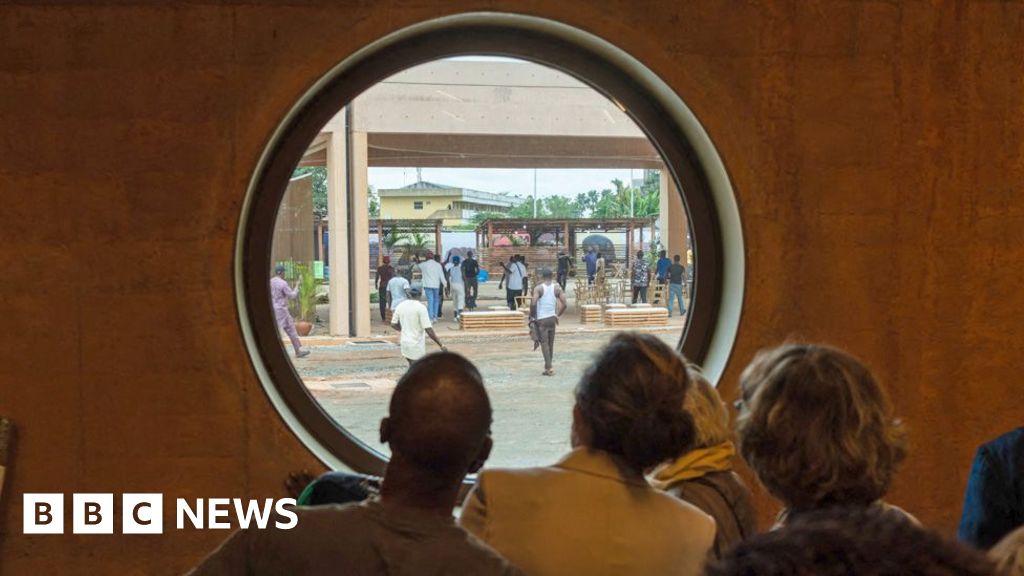
In a dramatic turn of events, Nigeria’s quest to establish a world-class cultural institution has been marred by intense local political rivalry and unresolved historical grievances. The Mowaa project, a sprawling six-hectare museum in Benin City, intended to showcase West Africa’s rich artistic heritage—including the prized Benin Bronzes—was set to inaugurate a new chapter in Nigeria’s cultural renaissance. Designed by renowned architect Sir David Adjaye, the museum aimed to rival global institutions and reassert regional pride. But the ambitious project faced immediate opposition, reflecting deeper conflicts rooted in history, power, and identity that continue to ripple across Nigeria’s socio-political landscape.

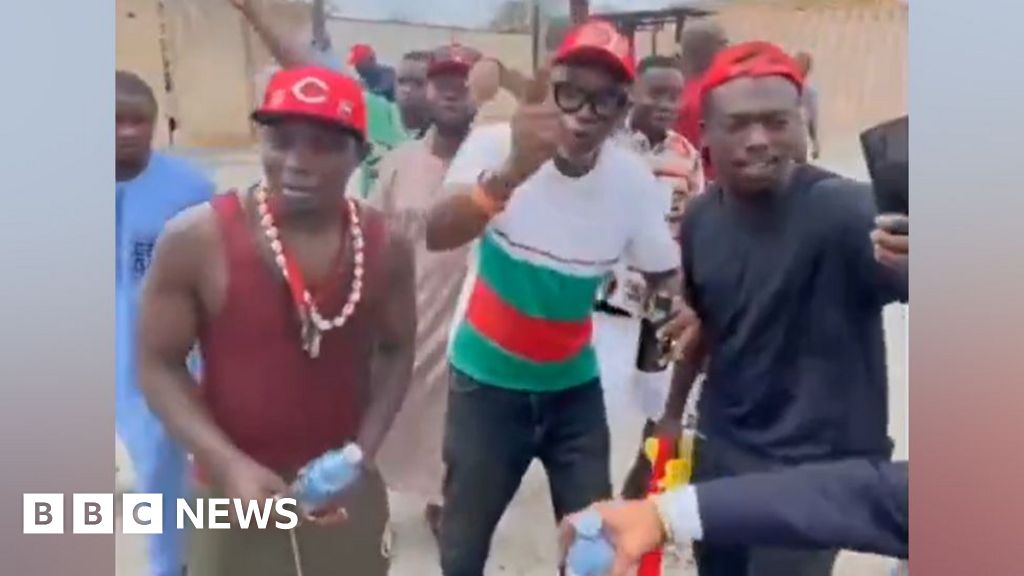
As Mowaa within moments of preparing for its grand opening, protesters stormed the campus demanding it be rebranded as the Benin Royal Museum and placed directly under traditional custodianship of the Oba of Benin. The row highlights a simmering debate about ownership and restitution of Africa’s most treasured artifacts—the Benin Bronzes—looted in 1897 during British colonial expeditions. While international museums such as the British Museum and the Berlin Humboldt Forum have tantalizingly returned some pieces, the core debate persists: Should these artifacts remain in Western institutions or be repatriated to Nigeria? The controversy is not merely about artifacts but touches on national identity, sovereignty, and historical justice. Historians and cultural analysts warn this dispute could further complicate ongoing efforts to restore Africa’s stolen cultural heritage.

Politics, Power, and Cultural Legacy in Nigeria

The political impetus behind the backlash stems from internal power struggles, with local elites vying for control over cultural symbols. The recent upheaval traces back to a conflict between the administration of Nigeria’s current governor—aligned with traditional authority figures—and former political allies. The protesters, many driven by historic loyalty to the Oba and regional rivalries, demanded that the museum be under royal authority, echoing the ancient prestige of the Benin Kingdom. Such tensions exemplify how cultural heritage has become a battleground for broader political authority, with historians noting that this rivalry mirrors Nigeria’s persistent struggles with governance, legacy, and decentralization.

Despite diplomatic efforts by President Bola Tinubu to quell the unrest and preserve Nigeria’s global image, the crisis reveals wider geopolitical implications. The focus on indigenous control over cultural patrimony ties into a larger narrative of decolonization and sovereignty that many African nations are eager to champion. Yet, Western museums remain cautious, citing concerns over the conservation and legal ownership of looted artifacts. The ongoing debate about who should hold the Benin Bronzes threatens to derail Nigeria’s diplomatic push for restitution and complicates international collaborations aimed at cultural repatriation, as highlighted by both regional officials and global institutions.

The Future of Africa’s Artistic Heritage and Identity

Amidst controversy, Nigerian artists and cultural leaders advocate for a new vision—one where contemporary African creativity stands at the heart of national identity. The museum’s broader mission now emphasizes fostering a creative ecosystem that includes film, music, fashion, and visual arts, transcending debates over relics and focusing on living, breathing culture. Prominent artist Yinka Shonibare’s thought-provoking installation, Monument to the Restitution of the Mind and Soul, featuring replicas of the bronzes in clay, symbolizes Africa’s spiritual connection and mourning for its lost treasures. His work underscores a vital theme: how nations can reconcile history with modern identity and reimagine their cultural narrative without losing touch with the past.

As Nigeria grapples with these issues, the Mowaa project symbolizes hope for a future where African voices shape their history and legacy. But the shadows of colonialism, political rivalry, and cultural custodianship loom large, reminding the world that this is not just about art—it is about the soul of a continent still fighting to define itself in the face of history’s forces.

In the unfolding story of Nigeria’s cultural renaissance, the weight of history hangs heavy. The battle for the Benin Bronzes* and the soul of Nigeria’s societal identity continues to evolve. Will this chapter mark a victory for sovereignty and cultural dignity, or will it be yet another lost opportunity amid political strife and international indecision? As history watches silently, the echoes of ancient brass and modern ambition forge an uncertain path forward—an enduring reminder that Africa’s story is still very much being written.

Edo Youths Rally Against New West African Art Hub in Bold Protest

In a development that underscores the persistent tensions between cultural sovereignty and global prestige, Nigeria has faced a disruptive protest at its recently inaugurated Museum of West African Art (Mowaa) in Benin City. The museum, a $25 million (£19m) project designed by renowned British-Ghanaian architect David Adjaye, was intended as a hub for contemporary and historical West African art. However, its launch has been marred by unrest that highlights deeper undercurrents of cultural identity, national pride, and historical claims. Protesters, driven by feelings that the museum is a form of cultural hijacking, forced postponement of its opening and engaged in insulting foreign visitors, revealing underlying domestic discontent regarding cultural patrimony and governance.

This incident is not an isolated event but a strategic flashpoint within the broader dispute over ownership of the Benin Bronzes. These priceless artifacts, looted during British military incursions in the 19th century, have long symbolized colonial exploitation and the ongoing debate over rightful restitution. While the museum’s leadership clarified that they never claimed the Bronzes and focus primarily on modern and contemporary art, the controversy underscores the sensitive nature of cultural symbols in Nigeria’s national consciousness. As historians and analysts interpret these events, they emphasize how cultural controversies fuel *resentment and political leverage*, influencing Nigeria’s internal stability and its diplomatic posture on reparations and cultural sovereignty. The protests reflect a broader dangerous shift: from colonial legacy to sovereign identity, where control over cultural heritage becomes a vital aspect of national legitimacy.

The controversy extends into the realm of political influence and how decisions on cultural institutions impact societal unity. Critics argue that the museum’s development has been hijacked by political actors, with residents claiming that the project’s current trajectory sidesteps local traditions and authority. The Nigerian government, along with traditional rulers—particularly the Oba of Benin—has expressed dissatisfaction, viewing the museum as a symbol of erosion of their cultural authority. The museum’s independent and non-profit status, along with its broad regional scope, has sparked accusations of external interference and a neglect of Benin’s unique heritage. International organizations have weighed in, with some urging Nigeria to prioritize dialogue and respectful reconciliation, recognizing that these conflicts threaten not just cultural preservation but also regional stability. As one prominent analyst notes, “The battle over these artifacts and institutions is ultimately a struggle for national sovereignty.”

As the shadows of history stretch long over Nigeria’s future, the clash at Mowaa serves as a stark reminder of how cultural disputes are intertwined with geopolitics, colonial legacies, and national identity. The unrest signals a possible turning point—where the struggle for control over cultural symbols could either forge a stronger self-determined nation or deepen fissures that threaten regional stability. The weight of these unresolved conflicts hangs heavy, as history continues to unfold on the fragile stage of Nigeria’s evolving narrative—a testament to the fact that nations are often defined as much by their internal struggles as by their place in the international order, and that the outcome of this cultural war could reverberate far beyond Benin City. In the face of ongoing tension, the world remains watchful, knowing that history is at a crossroads—an uncertain path toward either reconciliation or further division.

South African farm worker reveals women were fed to pigs to hide evidence, shocking court testimony

South Africa’s Darkest Day: A Case That Exposes Deep-Rooted Tensions

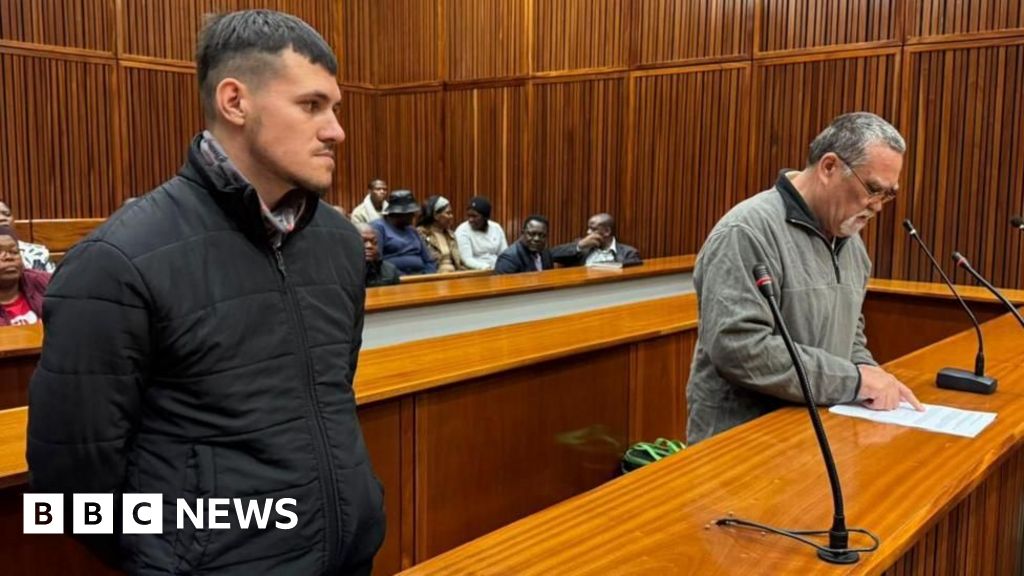
The sordid details emerging from a court case in South Africa have shocked the global community and laid bare the ongoing struggles within this once oppressed nation. A 21-year-old farm worker, Adrian De Wet, has testified to a gruesome series of events involving the murder of two women, Maria Makgato and Lucia Ndlovu, whose deaths have ignited widespread outrage. De Wet, who was coerced into assisting his boss, Zachariah Johannes Olivier, and another man, William Musora, in disposing of the victims’ bodies by tossing them into a pigsty, has provided chilling details that paint a stark picture of brutality rooted in racial and economic tensions still festering beneath South Africa’s surface.

According to De Wet’s court testimony, the incident unfolded during a night when Olivier and himself, armed with hunting rifles, waited for trespassers on the farm near Polokwane. When voices approached, they opened fire, killing the women who were simply seeking food — an act that reveals much about the desperation and social divide in the country. The gruesome aftermath, including pigs frenzied over the remains and the subsequent destruction of evidence, underscores a disturbing attempt to hide the violence. Court exhibits showing mutilated bodies and evidence of the pigs’ attack highlight the far-reaching consequences of such unthinkable acts, and the contamination of justice and morality in this rural landscape.

Geopolitical Impact and Societal Ramifications

This case is not just a tragic criminal story; it’s a flashpoint with deeper implications for South Africa’s geopolitical stability. As noted by international analysts, the incident exemplifies the persistent racial disparity and economic inequity that continue to pervade the country, two decades after the official end of apartheid. Most farmland remains in the hands of a white minority, while a majority of black farmworkers live in poverty and are vulnerable to violence and neglect. This division fuels resentment and undermines societal unity, exacerbating tensions that threaten to destabilize the fragile political landscape. Human rights organizations and historians warn that such tragedies could serve as catalysts for greater unrest unless comprehensive reforms address economic disparity and promote integration.

Moreover, the international community watches with concern as South Africa grapples with its identity and path forward. While the nation aspires to be a leader on the continent, incidents like this expose a failure in governance, rule of law, and social cohesion. The ongoing trial, scheduled to resume next week, is seen by many as a critical test of whether justice can be truly served amid profound societal fractures. As United Nations and African Union officials stay alert, questions about the country’s stability and commitment to progress remain salient. This case underscores the dangerous potential of unresolved racial and economic grievances, with some analysts warning that neglect could lead to further escalation and destabilization across the region.

This tragedy yet echoes the haunting shadows of a nation still grappling with its past and present

As the court proceedings unfold, the weight of history presses down on South Africa’s shoulders, a reminder that the scars of racism, inequality, and violence are far from healed. The vivid images of mutilated bodies and footprints of apathy threaten to become symbols of a society at a crossroads. Will justice rectify this deep wound, or will the pattern of brutality continue to haunt the land? The answers remain uncertain, but one thing is clear: The story of South Africa’s struggle is far from over, and the pages being written today will determine the course of its future in the annals of history.

South African MP with strong views convicted for shooting in public

South Africa’s Controversial Political Actor Faces Legal and International Scrutiny

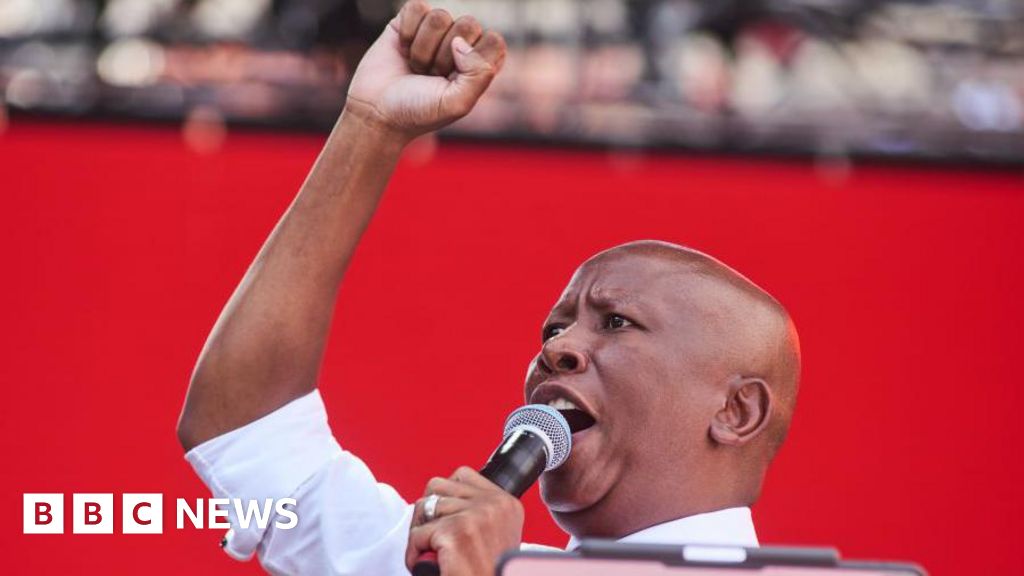
The recent conviction of Julius Malema, leader of the Economic Freedom Fighters (EFF), marks a significant chapter in South Africa’s ongoing struggle with internal divisions rooted in its apartheid past. The magistrate’s decision to find Malema guilty of discharging a firearm in public — an offence carrying a maximum of 15 years in prison — underscores the persistent tensions and volatile political landscape that continue to define post-apartheid society. The 2018 incident in the Eastern Cape, where he fired between 14 and 15 rounds during a party remembrance, was more than a youthful display; it became a symbol of the nation’s deeper struggles with violence, racial identity, and calls for radical economic reform.

Internationally, this incident has reverberated beyond South Africa’s borders, influencing perceptions of the country’s stability and leadership. The controversy surrounding Malema’s fiery rhetoric and actions reached as far as the White House, where then-President Donald Trump used a video of Malema as supposed evidence of genocide against white Afrikaners—a claim that has since been widely discredited by experts and international observers. Such gestures highlight the dangerous intersection of domestic politics and international narratives, where figures like Malema are weaponized to justify external interventions or pressure. Moreover, Malema’s vocal calls for the seizure of white-owned land and wealth redistribution continue to fuel a heated debate about racial justice and economic policies in a nation still wrestling with the legacy of apartheid.

Legal Battles, Rhetoric, and Regional Impact

  • Malema’s conviction for unlawful possession and discharge of a firearm coincides with his broader pattern of provocative speech, including recent hate speech convictions that have drawn sharp criticism from both domestic and international legal bodies.
  • His statements, such as advocating for “killing” during altercations and urging revolution through violence, raise alarms about the potential for social destabilization, especially in a country still suffering from racially charged tensions despite over three decades since the end of apartheid.
  • Foreign governments, notably the UK, have responded by barring him entry, citing support for terrorist organizations and incendiary remarks that are deemed “non-conducive to the public good,” reflecting mounting concern over the impact of figures like Malema on regional security and diplomatic relations.

Analysts and historians emphasize that Malema’s case exemplifies how post-conflict societies often struggle with balancing free speech against the threat of inciting violence and societal division. The international community watches closely as South Africa grapples with political extremism, racial grievances, and economic disparity—elements that threaten to undermine its stability and place it further at the mercy of global powers vying for influence in Africa’s most developed yet divided nation. As Malema prepares to challenge his sentence in the Constitutional Court, the fate of his influence remains uncertain, but the broader geopolitical impact of South Africa’s internal strife is undeniable. Every decision, every verdict, shapes not only the nation’s future but echoes across an increasingly unstable continent where history’s shadows loom large, and the weight of unresolved injustices presses down like an ominous cloud over the unfolding story of Africa’s “rainbow nation.”

Social Media Auto Publish Powered By : XYZScripts.com