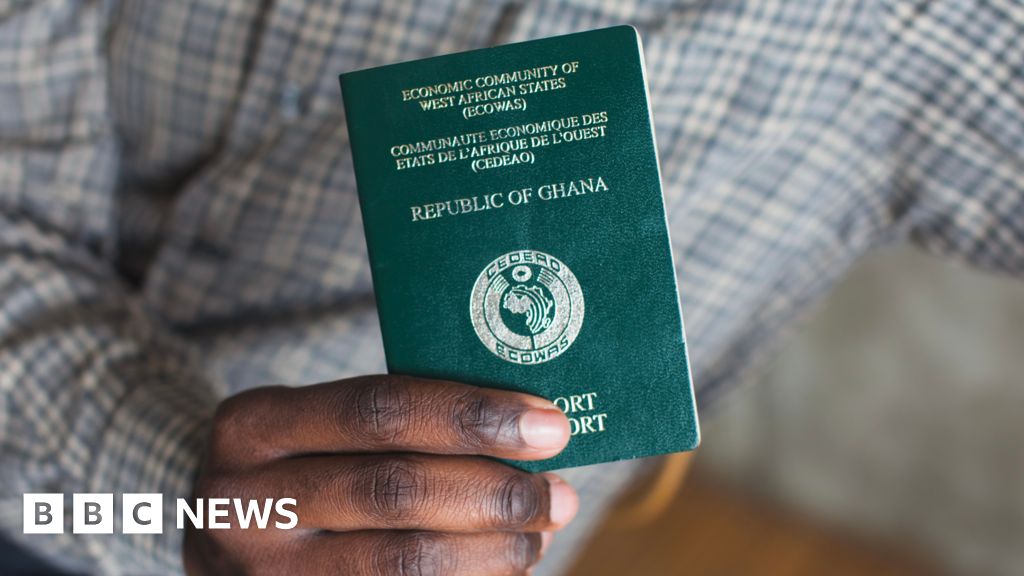

The recent difficulties faced by prospective migrants seeking to relocate to Ghana, as highlighted by Dr. Erieka Bennet, ambassador for the Diaspora African Forum, underscore a broader challenge at the intersection of migration, sovereignty, and international governance. The Forum’s role in facilitating the return of the African diaspora has been celebrated as a pivotal step towards fostering continental unity and economic revival. However, the bureaucratic hurdles—particularly the rigid DNA verification process—have cast a shadow over Ghana’s ambitious vision for a united African identity. Many applicants have expressed concerns that the deadline imposed within just a week is virtually impossible, stirring debates not only about logistical feasibility but also about the reliability and ethical considerations surrounding DNA testing in a geopolitical context.
Ghana’s recent policies are a reflection of a larger geopolitical shift, driven by the government’s desire to verify claims of descent and prevent fraudulent claims that could hamper resource allocation and investment initiatives. International analysts note that this move coincides with Ghana’s efforts to assert greater sovereignty amidst a transformative period marked by economic rebuilding and regional diplomacy. Yet, critics—including human rights advocates and diaspora community leaders—warn that such policies might exacerbate digital divides and social inequalities. The reliability of DNA testing, often contested, raises questions about the how international institutions and health authorities collaborate on standardizing such sensitive procedures. The debate echoes back to controversies seen in other migration initiatives, where race, ethnicity, and genetic data intersect with political ambitions.
The geopolitical impact of these policies extends beyond mere bureaucracy. As international organizations like the United Nations and regional African blocs observe Ghana’s approach, they grapple with defining the balance between national sovereignty and international oversight. Prominent analysts warn that mishandling this delicate balance could undermine regional stability and sow distrust among African nations striving for economic integration and collaborative development. Historically, migration has been both a catalyst of growth and conflict; thus, the manner in which Ghana implements these directives will serve as a test case for other nations contemplating similar measures. The risk lies in fostering exclusion or misjudging the social fabric, potentially fueling grievances that threaten regional cohesion.
As history continues to unfold, the question lingers: will Ghana’s effort to solidify its national identity and manage diaspora contributions bolster regional unity, or will it ignite divisions rooted in mistrust and incompatible policies? The decisions made today carry the weight of history, as they shape not only the fate of individual migrants but also the geopolitical landscape of Africa. With international stakeholders watching closely, the outcome of Ghana’s reform efforts may well serve as a blueprint—either a blueprint for sovereign assertion or a cautionary tale of bureaucratic overreach—etched into the chronicles of a continent riding the delicate edge of change. The future remains uncertain, its course written by choices made in the corridors of power amid the loud echoes of history’s relentless march.