Matox News

Truth Over Trends, always!

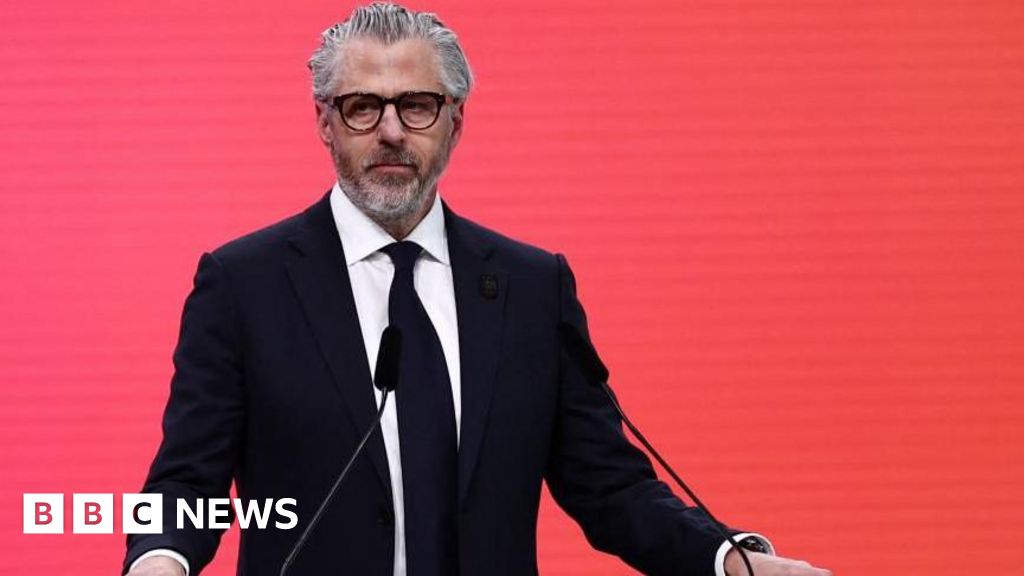
Casey Wasserman plans to sell talent agency following Epstein controversy, reports say

In a development that has sent shockwaves through the international political and social landscape, the prominent agent and LA Olympics chief is now under intense scrutiny owing to revealed past associations with controversial figures such as Jeffrey Epstein and Ghislaine Maxwell. This revelation has ignited a broad debate on accountability, transparency, and the moral standing of those entrusted with managing some of the world’s most influential sporting events. As investigations unfold, the potential implications for the upcoming Los Angeles Olympics extend beyond the realm of sports, touching on issues of international reputation and diplomatic integrity.

The timing of this controversy could not be more critical. The Olympics, long considered a symbol of unity and peaceful global cooperation, now faces questions about its governance and the influence of power brokers behind the scenes. Critics argue that such associations, if true, cast a shadow over the integrity of international sporting organizations and threaten to undermine public trust. Historians and analysts point to precedent cases where scandals involving influential figures have significantly impacted geopolitical relationships and national prestige. The revelations also illuminate the deeper challenge facing global institutions: how to reinforce standards of morality and transparency amid the complex web of political and corporate interests that often underpin major international events.

These events could have far-reaching geopolitical impact, especially as nations reflect on their responsibilities to uphold civic virtues amidst the seductive allure of economic gains and diplomatic symbolism. How global leaders respond in the coming weeks will likely set a precedent, influencing public perception and future accountability measures. International organizations such as the International Olympic Committee (IOC) are under pressure to demonstrate decisive action, large-scale reforms, or face accusations of complicity. Meanwhile, geopolitical analysts warn that such scandals provide opportunistic states and opponents with rhetorical ammunition, potentially fueling uprisings, diplomatic tensions, and credibility crises across borders.

Ultimately, this controversy underscores the fragile line between achievement and integrity in an interconnected world. As investigative entities deepen their probe into the allegations, the importance of adherence to moral principles and judicial accountability becomes more urgent than ever. History warns that when societies ignore the shadows cast by those in positions of power, the consequences can ripple across generations, eroding the foundational pillars of justice and fairness. The unfolding story remains a stark reminder that, in the arena of international diplomacy and cultural influence, the true cost of scandal often extends long after headlines fade—the weight of history continuing to unfold beneath the surface of global spectacle.

Chappell Roan cuts ties with Wasserman agency amid Epstein controversy

The recent revelation of Wasserman’s flirtatious emails to Ghislaine Maxwell from the Epstein files has sent shockwaves through international political and judicial circles. These documents, released amidst ongoing investigations into Jeffrey Epstein’s network, expose a web of clandestine communications that potentially implicate influential figures across multiple nations. The contents detail a pattern of clandestine ties that are now under scrutiny for possible diplomatic and legal repercussions, revealing how interconnected and opaque the world of the global elite truly is.

Analysts warn that these disclosures threaten to destabilize established narratives regarding the so-called “elite justice” system—a system often criticized by conservative observers as biased towards protecting powerful individuals. Historians from institutions such as the Smithsonian Institution and think tanks like the Cato Institute have pointed out that these revelations highlight recurring themes of systemic secrecy and impunity for the privileged in international law. The timing of their release underscores the broader geopolitical debate about accountability among the world’s most influential figures, and how such networks can shape global stability.

The geopolitical impact of this case extends beyond individual scandals, touching upon the delicate balance of power among nations. The revelations about Wasserman’s interactions with Maxwell suggest possible links to high-level operatives or intelligence agencies—a development that experts say could deepen mistrust between nations already wary of each other’s agendas. As countries like the United States, United Kingdom, and Russia assess the implications, questions arise about what international protocols are in place to monitor such clandestine exchanges and how they influence diplomatic relations. Moreover, these disclosures threaten to undermine public confidence in national and global institutions tasked with maintaining justice and transparency.

Ultimately, these leaked emails symbolize more than a scandal; they are an unsettling reminder that the forces shaping our world are often shielded behind layers of secrecy. As investigations intensify and the media picks up pace, the course of history remains uncertain. The unfolding narrative is a stark warning of the unchecked power of the few over the many—power that, if left unchallenged, could propel the world into an era of even greater instability. The weight of this revelation underscores a pivotal moment: a society must decide whether to confront its hidden hierarchies or continue to turn a blind eye, allowing history’s most enduring conflicts to persist in the shadows.

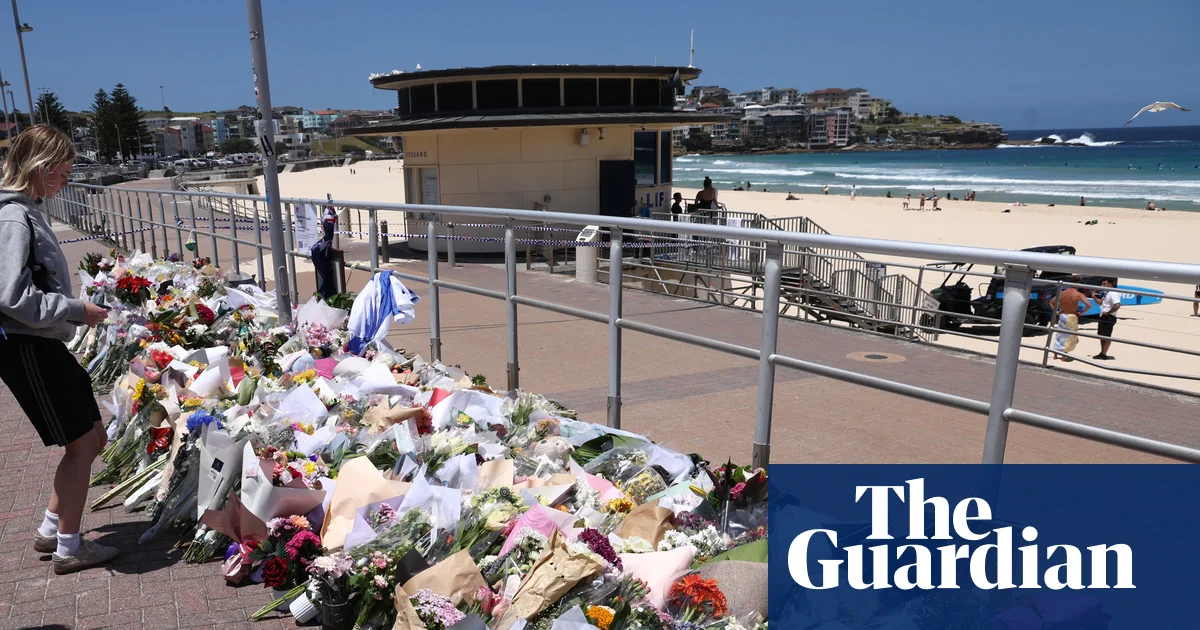
ABC Highlights Ex-ASI Operative’s Warning on Bondi Attack Radicalization Despite Agency Criticism

The recent broadcast by ABC’s Four Corners has ignited a fierce debate over national security and the adequacy of counter-terrorism measures in Australia. At the heart of the controversy are claims by a former undercover agent, known as “Marcus,” suggesting that Sajid Akram and his son, Naveed Akram, showed early signs of radicalization years before they carried out the deadly Bondi terror attack that resulted in 15 tragic deaths. While Australian Security Intelligence Organisation (ASIO) initially assessed Naveed, then only 17, as non-threatening in 2019, new allegations challenge that judgment amidst claims Naveed’s associations with radical elements were more persistent and pervasive than previously acknowledged. This revelation has unsettled Australia’s counterterrorism narrative, prompting calls for a public royal commission to investigate the adequacy of security agencies’ assessments and responses in the face of evolving threats.

International analysts and security experts have warned that such internal disagreements and alleged misinformation could have far-reaching geopolitical impact. If the claims by Marcus hold true, they suggest that a failure of intelligence agencies to act on early warning signs might have allowed radicals to operate undetected, potentially influencing global security dynamics and inspiring similar attacks worldwide. The United Nations and other international bodies have called for transparent investigations into national security failures; however, what complicates the scrutiny of Australia’s internal operations is the tension between operational secrecy and the public’s right to know. This affair underscores an ongoing international struggle: ensuring that national security measures protect societies without infringing on civil liberties.

Adding to the complexity, Prime Minister Anthony Albanese announced a royal commission to assess the circumstances surrounding the Bondi attack, with a particular focus on antisemitism and how societal divisions can be exploited by extremist factions. Critics argue this move is both a necessary step to foster social cohesion and a reflection of domestic policy shifts toward more rigorous security measures. Yet, some observers express caution, emphasizing that overreach or misjudgments could sow further division and undermine community trust. Historian Dr. Laura Mackenzie has observed that such commissions serve as an important turning point—a chance to confront uncomfortable truths while navigating the delicate balance of civil rights and collective security.

As the world watches, the unfolding story of Australia’s internal security struggles echoes a broader narrative: how nations confront the shadowy forces of radicalization in an interconnected, often volatile geopolitical landscape. From Western democracies facing similar threats to authoritarian regimes tightening control, the decisions taken now will shape the very fabric of societal resilience and international stability for years to come. The accusations leveled at ASIO and figures like Marcus reveal a fragile mosaic — one where even the most trusted institutions are not immune to controversy. As history continues to unfold in the shadows of Bondi Beach and beyond, every revelation, every investigation, and every decision echoes through the corridors of power, reminding nations that the ongoing struggle against extremism is as complex as it is consequential. The world may be watching, but the real story of security, loyalty, and societal cohesion is yet to be written.”

Peer Calls Out Environment Agency for Neglecting Toxic Dump in Wigan—Rats, Maggots, Fumes Threaten Local Youth

In a troubling display of environmental negligence with significant geopolitical impact, the recent revelations from the United Kingdom expose a deepening crisis that extends beyond local concerns. A 25,000-tonne illegal waste dump adjacent to a primary school in Wigan serves as a stark reminder of how unchecked waste crime can threaten public health, undermine local governance, and challenge national sovereignty over land management. Despite claims by agencies like the Environment Agency that they lack sufficient funds to tackle such dumps, the problem persists, casting doubt on the UK government’s capacity to uphold environmental standards amid rising criminal activity and economic constraints.

Historian and environmental analyst Dr. James Craig warned that the proliferation of waste crime across the UK reflects a broader, international trend of environmental disorder that threatens to destabilize societal norms. The infamous incident last summer, when the Wigan dump caught fire for ten days—forcing school closures and releasing hazardous fumes—illustrates how such illegal activities can escalate into major public safety emergencies. Meanwhile, drone footage reveals a “mountain” of fly-tipped waste in Oxfordshire, with videos circulating as grim visual evidence of a crisis spiraling out of control. These events are no longer isolated; they are part of a pattern that analysts say risks undermining trust in local authorities and national institutions.

For international organizations and environmental watchdogs, this crisis signals a danger that transcends national borders. The United Nations and the European Union have long emphasized the importance of international cooperation in combating transnational waste crime, which often involves cross-border smuggling and organized networks. Yet, the UK’s internal refusal or inability to mobilize sufficient resources to clean up sites like Bolton House Road in Wigan exposes a key vulnerability: when nations falter in enforcing environmental laws, the ripple effect weakens global efforts against ecological degradation. Experts like environmental lawyer Laura Simmons warn that if this trend continues, it will embolden criminal syndicates and erode the foundations of international environmental agreements.

While the government highlights ongoing criminal investigations—four arrests have been made in relation to the Kidlington site—the overarching issue of land ownership complicates efforts to remediate the damage. Ownership of the affected land in Wigan now rests with the Duchy of Lancaster, which, under common law principles, complicates enforcement. Critics argue that bureaucratic delays and ambiguity in land rights serve as barriers to swift cleanup, thereby prolonging environmental hazards and endangering communities. Such procedural bottlenecks, according to political analyst Mark Selby, threaten to undermine public confidence and exemplify how bureaucratic inertia can impede national security and environmental resilience.

In an age where global instability often arises from internal fault lines, the UK’s waste crisis is a microcosm of larger, geopolitical struggles over sovereignty, resource management, and law enforcement. As nations across the world grapple with similar issues—whether in former colonial territories, emerging economies, or established powers—the question remains: are current political and economic frameworks equipped to confront the rising tide of environmental chaos or will the shocks of future crises catch them unprepared? The unfolding story of illegal waste dumping and legislative inertia underscores a profound truth: history is still shaping itself at the intersection of environmental stewardship and national security, with the weight of the future resting heavily on the decisions made today.

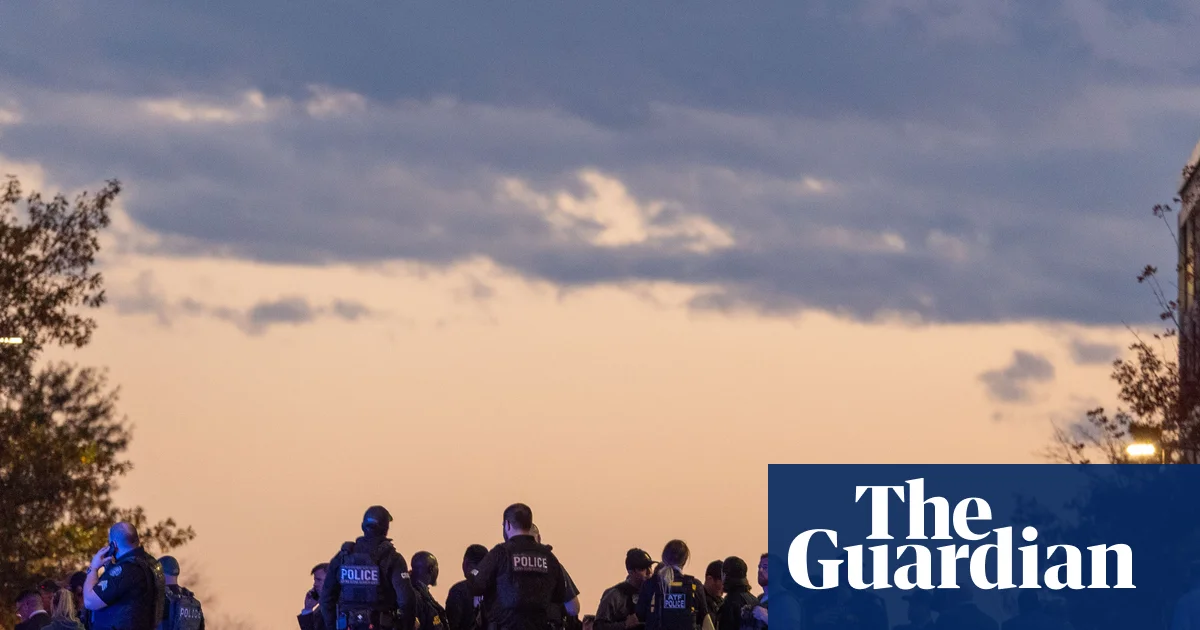
DC National Guard Shooter Linked to CIA, Agency Confirms

The recent shooting in Washington DC that injured two members of the National Guard has sent shockwaves through the political and security establishments of the United States. As authorities scramble for answers, it has emerged that the suspected assailant, Rahmanullah Lakanwal, has ties to the CIA-backed military operations in Afghanistan. According to official sources, Lakanwal, 29, arrived in the U.S. under the Operation Allies Welcome program—a controversial effort enacted by the Biden administration to expedite the resettlement of Afghans who had worked for the U.S. government in the war-torn nation. The revelation underscores a complex and contentious chapter in U.S. foreign policy: the repercussions of policies aimed at integrating former allies into American society, which in this case, appears to have possible unintended consequences for national security.

Analysts and international security experts warn that the connection between the suspect and US military operations in Afghanistan raises significant questions about vetting processes and the oversight of those who enter the country. John Ratcliffe, the CIA director, confirmed the suspect’s ties to the agency, elaborating that Lakanwal served in a CIA-backed unit in Kandahar. The turning point here is clear: despite efforts to use assimilation policies as a tool of soft power and diplomacy, there remains an undercurrent of risk stemming from the chaos that marked the withdrawal from Afghanistan. The fact that the FBI has labeled this as an act of terrorism highlights America’s ongoing struggle to confront the ideological and security threats emerging from its recent foreign engagements. Law enforcement is now investigating whether individuals linked to Lakanwal also pose a broader threat in the U.S., as American society increasingly grapples with questions about national loyalty, immigration, and security.

The incident has not only reignited fears about domestic terrorism but has also prompted a fierce political debate about immigration and border security. President Donald Trump, already vocal in condemning recent immigration policies, ordered an additional 500 troops to fortify the District of Columbia. In his statement, he called the attack an “act of terror” and launched a pointed critique of current immigration protocols, asserting that immigration remains “the single greatest national security threat”. This stance aligns with a broader conservative narrative emphasizing strict vetting and the need for stronger security measures. Meanwhile, city officials, including Mayor Muriel Bowser, have criticized the federal government’s handling of security, underscoring a political divide that persists in interpreting how best to safeguard Americans from threats both foreign and domestic.

International organizations and scholars have expressed concern over the broader geopolitical impact of this incident. The Washington shooting underscores the delicate balance that the U.S. must strike: integrating allies from conflicted regions without compromising national security. The pause in processing Afghan immigration applications by the U.S. Citizenship and Immigration Services reflects the gravity of the threat, but critics argue that it could hinder genuine efforts to resettle those fleeing violence. The investigation’s scope, which involves finding any overseas associates of Lakanwal, hints at a wide-reaching network that could threaten American interests at home and abroad. Historically, similar incidents have demonstrated how quickly the lines between foreign policy, immigration, and national security can blur—warnings of a future where the chaos of war follows the warriors it turns into.

As the nation confronts the aftermath of this violent act, the weight of history remains profound. The unfolding investigation will test the resilience of America’s security apparatus and the efficacy of policies designed to vet and integrate foreign nationals. With tensions rising and the specter of lone-wolf terrorism looming, the question remains: how many more scars of foreign or domestic conflict must be inflicted before definitive answers are found? Under a sky dark with uncertainty, the story of this attack—like countless others before it—becomes a fragment of a larger, ongoing narrative. A nation once again faces the challenge: will it succumb to fear, or will it rise, vigilant, toward a future shaped by the decisions made today in the shadowy corridors of power?

K-pop group fails to win legal fight against agency, raising questions about artists' rights
K-pop group fails to win legal fight against agency, raising questions about artists’ rights

The recent legal confrontation involving South Korean K-pop sensation NewJeans and their agency, Ador, has sent ripples through the global entertainment landscape, spotlighting the underlying power dynamics within South Korea’s burgeoning cultural export. The notorious court decision, which upheld the validity of the group’s contractual commitments until 2029, underscores a broader trend of entrenched corporate control over artists that raises questions about the autonomy of creative talents in modern geopolitics and economics.

In a move that defies the normative expectations of artist-initiated rebellion, the Seoul Central District Court dismissed the group’s plea for contract termination, emphasizing the legal binding nature of their agreement. The dispute emerged amid allegations of mistreatment and manipulation by the agency, a scenario that echoes narratives from other big markets where corporate giants—such as America’s Hollywood or Japan’s idol businesses—hold disproportionate sway over their talents. Yet, what makes this case extraordinary is its potential to influence how nations strategize cultural diplomacy and the international community perceives Asian entertainment industries as geopolitical tools.

Analysts note that Hybe, South Korea’s largest entertainment conglomerate, operates not merely as a label, but as a soft power behemoth, shaping not only music charts but also international perceptions of Korea’s cultural economy. The case reveals a complex web of influence extending beyond the stage, affecting how governments and trade partners approach intellectual property rights and artist protections. The international community, including organizations like UNESCO and WIPO, is increasingly scrutinizing such disputes, recognizing their impact on cultural stewardship and legal sovereignty.

Furthermore, the fallout from this legal battle extends well beyond South Korea’s borders. The burgeoning global influence of K-pop—despite its cultural allure—faces challenges from internal power struggles that threaten to undermine its soft power agenda. This incident, with new Jeans asserting their desire to break free from entrenched corporate control, potentially signals a shift—a desire among young artists worldwide to assert their independence in an industry historically rooted in hierarchical, top-down directives. The international community watches intently as these developments unfold, understanding that these disputes reflect broader societal tensions over **autonomy, fairness, and the global governance of cultural industries**.

As the legal proceedings continue and NewJeans plans to appeal the court’s decision, history remains at a critical juncture. The story of this talented group and their battle against corporate giants echoes an enduring narrative: the struggle for autonomy against an overbearing system. This is a decisive moment in which the world’s eyes are drawn to how nations will adapt their geopolitical strategies to harness or curb the influence of cultural juggernauts. The outcome will not only shape the future of South Korea’s entertainment industry but also serve as a benchmark for how societies everywhere can balance the allure of soft power with the protection of individual rights—an ongoing saga that continues to unfold amidst the relentless march of history’s tide.

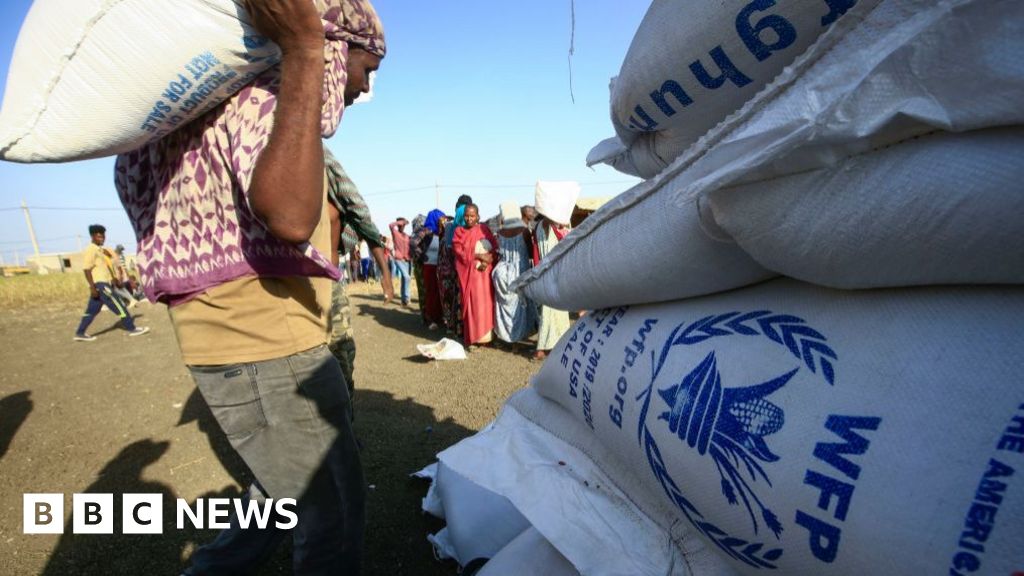
Sudan kicks out UN Food Agency staff as chaos worsens

Sudan’s Humanitarian Crisis Deepens as Military Expels UN Aid Officials

In a move that signals a troubling escalation, Sudan’s military government has ordered two senior officials from the United Nations’ World Food Programme (WFP) to leave the country within 72 hours. This unjustified expulsion comes amid a relentless civil war that has plunged the nation into an unprecedented humanitarian catastrophe. The ongoing conflict, which erupted in April 2023, has resulted in a catastrophic food blockade, leaving over 24 million Sudanese facing severe food insecurity. The removal of key aid personnel at this critical juncture is no coincidence; it underscores the regime’s intent to undermine crucial international aid efforts aimed at alleviating suffering in a conflict zone that has now become a battleground for influence and survival.

Conflict Escalation and Humanitarian Atrocity

  • The reprisals came days after the capture of el-Fasher in Darfur by the paramilitary Rapid Support Forces (RSF), a protracted victory following an 18-month siege that included a food blockade. This event has compounded fears that the violence in Darfur—once a region scarred by genocide—may be reawakened.
  • The fighting has directed international attention to the profound suffering of civilians caught amidst partisan violence, with reports of atrocities and mass killings spreading across the region.
  • Amidst rampant looting, shootings, and violations, eyewitnesses describe el-Fasher as a site of chaos and despair, reminiscent of Sudan’s darkest days during the early 2000s.

The situation illustrates a grim pattern: the resurgence of ethnic violence in Darfur’s rugged terrain, which has long been emblematic of regional instability. Historians and analysts warn that these events are a stark reminder of how internal conflicts can erupt into international crises, with regional and global consequences. The UN and regional bodies like the European Union and African Union have issued alarmed statements, condemning the escalation and calling for international intervention. Yet, the military government’s refusal to provide clear explanations for the expulsion of aid workers reveals an intention to clamp down on any external efforts to document or influence the conflict.

Geopolitical Ramifications and How International Decisions Shape Nations

The expulsions and escalating violence underscore a broader geopolitical shift where resilient regional powers and international organizations face renewed challenge in maintaining stability and order. As Sudan teeters on the brink of renewed genocide, the implications extend beyond Africa’s borders. The renewed violence threatens to destabilize neighboring countries, potentially fueling refugee flows, fostering militant recruitment, and creating fertile ground for larger regional conflicts.

Moreover, this crisis exposes the strategic weakness of international diplomacy, as the Sudanese military’s move to silence aid organizations indicates its defiance of Western and regional pressure. Experts point out that Sudan’s internal turmoil is emblematic of the failure of international efforts to broker lasting peace. If the situation continues to deteriorate, it could invite greater foreign intervention or, conversely, further entrenchment of regional conflicts, reshaping the geopolitical landscape of North-East Africa.

The academic and diplomatic community warns that actions taken today—whether through sanctions, peacekeeping, or diplomatic isolation—will ripple through the historical fabric of the region. How the global community responds to Sudan’s unfolding tragedy could determine whether the country slips further into chaos or emerges anew, scarred yet resilient. The weight of history is pressing heavily on this fragile nation, signaling a pivotal moment where choices made in the halls of power might either curb or catalyze the next chapter of its tumultuous story.

Conclusion: The Unfolding Shadow of History

As the world watches this unfolding tragedy, it becomes clear that Sudan’s plight is not merely a regional concern but a warning—a stark reminder that unchecked violence and international neglect can ignite a conflagration of human suffering that spans generations. The decisions made in the coming days could set a precedent for how the international community confronts future crises—whether with steadfast resolve or tragic indifference. The pages of history remain unwritten, and the shadow of Sudan’s unfolding chaos continues to cast a long and ominous pall over the pursuit of peace and stability in the 21st century.

Social Media Auto Publish Powered By : XYZScripts.com