Matox News

Truth Over Trends, always!

US plans to deploy ICE agents at Winter Olympics, sparking Italian outrage

The United States has once again found itself at the center of an international controversy over its security policies, this time involving the presence of Immigration and Customs Enforcement (ICE) agents during the upcoming Winter Olympics in Milan, Italy. As the world prepares for the global event scheduled to run from February 6 to 22, a series of reports and diplomatic tensions have emerged, highlighting the far-reaching geopolitical impact of U.S. domestic security agencies extending their influence beyond American borders.

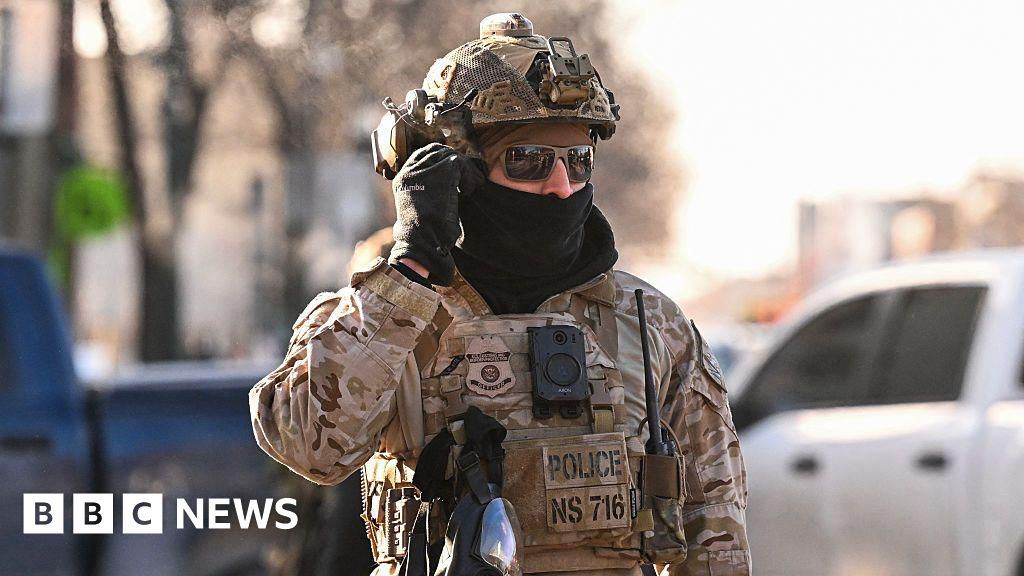
It was initially understood that the U.S. Department of Homeland Security (DHS) would provide support for security operations, a common practice at major international events. However, confirmation that ICE agents would be involved in support roles—distinct from direct law enforcement—prompted alarm among Italian officials and society. Milan’s Mayor Beppe Sala publicly condemned the move, likening the agents to a militia capable of deadly force and asserting they were “not welcome in Milan.” As images from Minneapolis surfaced, showing ICE agents involved in fatal shootings, the international community’s concern deepened. The controversy underscores a thorny question of sovereignty and how an internal U.S. agency’s actions can influence perceptions of Italy’s ability to guarantee its own security, especially when foreign agencies might operate on its streets.

The Italian government, eager to reassure allies and its citizens, insisted that “all security operations at the Olympics are directed and managed exclusively by Italian authorities.” Nonetheless, it became apparent that the US planned to set up an operations room at its Milan consulate, with various federal agencies ready to work jointly with Italian agencies to mitigate risks. Although official statements emphasized that ICE would only play a supportive, counter-terrorism role, the unsettling images and reports have ignited a wave of domestic dissent. Critics within Italy, including the opposition, have questioned the propriety of foreign agents operating within Italian territory, especially given the recent violent incidents involving ICE officers—most notably the fatal shooting of Pioneer Nicole Good in Minneapolis.

Analysts and international observers such as historians and think tanks warn that these incidents exemplify a broader erosion of sovereignty and a dangerous precedent for national security cooperation. The European Union and other global institutions are increasingly concerned about the United States’ expanding domestic security presence abroad, which some argue risks turning international events into potential battlegrounds for American agencies wielding lethal force. As Italy navigates the delicate balance of safeguarding its international reputation while hosting a major sporting event, the controversy leaves a lasting warning to the world about the consequences of unchecked transnational security policies. As the Winter Olympics commence, the weight of history remains heavy, reminding us all that the lines between national sovereignty and international cooperation are often blurred, and that decisions made today will ripple through the corridors of power for generations to come.

FBI dismisses agents seen kneeling at George Floyd protest, reports say

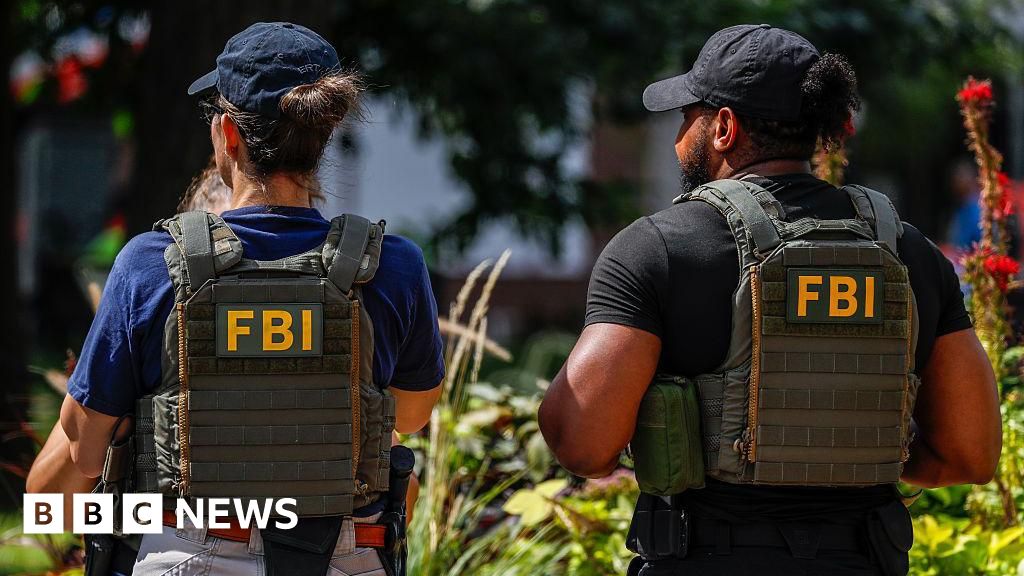
Recent developments within the Federal Bureau of Investigation (FBI) have ignited debates that resonate far beyond the confines of American justice agencies. Reports indicate that between 15 to 20 agents, who were photographed kneeling during a 2020 racial justice protest in Washington, D.C., have been dismissed. These agents participated in a symbolic gesture—kneeling at a demonstration sparked by the tragic death of George Floyd. Floyd, a Black man, was killed in a brutal incident where a police officer, Derek Chauvin, knelt on his neck for over nine minutes. The act became a global emblem of protest against police brutality and systemic racism. However, amidst a climate increasingly tense following the Trump administration’s push to purge what it perceives as “woke” ideology, these firings are portrayed by many as emblematic of the fight over the soul and role of law enforcement in America.

  • The firings have particular significance as they occur against the backdrop of an ongoing political campaign for Trump’s conservatives to reshape federal institutions. Critics argue this purge targets figures perceived as sympathetic to progressive violence and social justice protests, framing the move as part of a broader effort to “restore order” by removing perceived ideological contaminants.
  • International observers and analysts have noted this as a pivotal moment in the internal conflicts within U.S. institutions, where decisions made reflect a clash over how history should be remembered and what values law enforcement officials should embody.

The FBI’s choice to fire agents citing their participation in a gesture observed widely as a peaceful act of dissent raises concerns about the suppression of free expression within the ranks of American federal agencies. The agency has declined to comment on the matter, but the FBI Agents Association issued a blistering statement condemning the firings as violations of the agents’ rights and warning that the integrity and capability of the bureau are at risk. The controversy becomes even more profound considering recent legal actions by former agents suing FBI Director Kash Patel and the U.S. Attorney General, claiming their dismissals are politically motivated, aimed at placating the Trump legacy.

Internationally, this internal crisis feeds into the larger narrative of how Western democracies grapple with the legacies of social activism and identity politics. Historians and political analysts warn that the framing of these firings as ideological purges not only impacts public trust in law enforcement but also signals a shift in how the balance of order and dissent is navigated in the post-pandemic era. As countries across the world watch the unfolding drama, many are debating whether the American model is veering towards a new form of authoritarianism disguised as “restoring order,” or if this is merely a turbulent phase in the country’s ongoing evolution.

The decision to dismiss those who sought only to act as symbols of lawful dissent underscores a larger, more somber reality: history is watching, and the pages of the future are still being written. The unrest over police violence, social justice, and political partisanship has not yet reached its final chapter. As young Americans and global citizens await the next move, they are left to ponder: will history remember this as the moment when law and order surrendered to ideological extremism, or as the dawn of a new era where justice embraces dialogue over suppression? The answers depend on the choices made now, and on the resolve of societies to confront the true meaning of liberty and justice in a fractured world.

Social Media Auto Publish Powered By : XYZScripts.com


