Matox News

Truth Over Trends, always!

Trump rolls out $12B farm aid as global trade tensions intensify

Global geopolitical shifts echo through America’s agricultural front

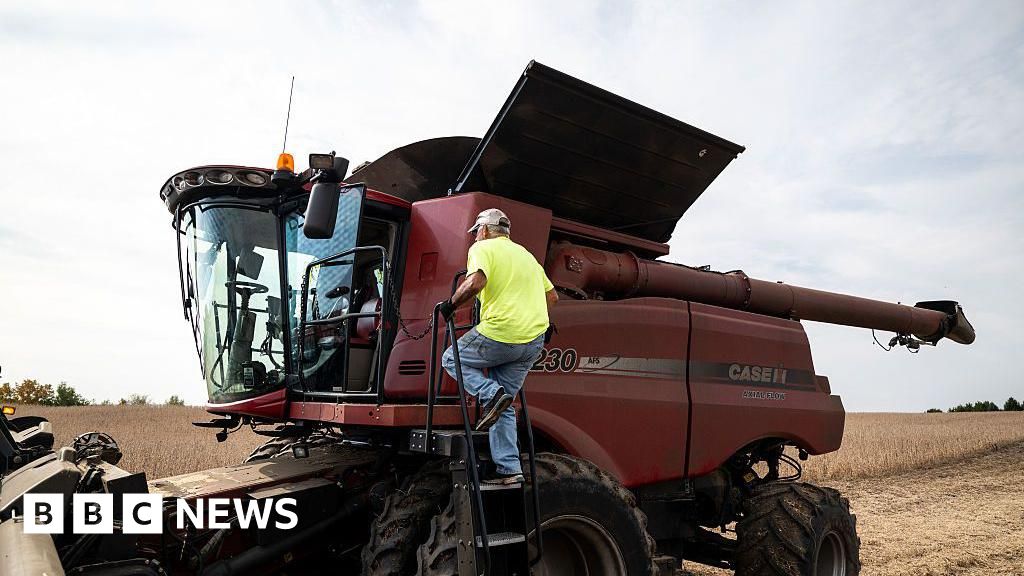
In what many analysts are calling a critical juncture for international stability and economic sovereignty, United States President Donald Trump has announced a substantial $12 billion aid package aimed directly at American farmers. This move comes amidst a backdrop of tense trade disputes and diplomatic confrontations, with impacts reverberating far beyond U.S. borders. The aid, primarily consisting of one-time payments, seeks to buffer the agricultural sector from the turbulent trade wars—chiefly with China—which have inflicted significant damage on key exports like soybeans, cotton, and grains. Historians now observe these developments as part of a broader strategy to protect domestic industries while asserting the country’s sovereign economic interests in the face of mounting international challenges.

Most notably, the trade war with China has reshaped the global agricultural landscape, with major importers like Beijing effectively halting massive purchases of American soybeans and other commodities. Despite Trump’s boast of a “bridge” for farmers to weather this storm, international organizations such as the World Trade Organization warn that such measures risk deepening the divides in a world economy increasingly characterized by protectionism. As economic analysts point out, market access for U.S. farmers remains precarious, compounded by a failure of the Chinese commitments made during high-level negotiations, which now seem more declarative than real. The geopolitical impact of these trade disruptions extends into diplomatic realms, threatening global supply chains and unsettling longstanding alliances.

The Water Rights Dispute with Mexico: A New Flashpoint

Adding to the mounting tensions, President Trump has lately threatened to impose a 5% tariff on Mexico—a nation long linked to the U.S. through historic treaties—over water rights disputes. The US accuses Mexico of violating an 80-year-old treaty that guarantees American access to water from the Rio Grande tributaries, a vital resource for agriculture in southern states. Such unilateral threats underscore a broader pattern of asserting American sovereignty and national interests; however, critics argue these actions risk destabilizing the regional balance and further fragmenting international cooperation on water and resource management.

Meanwhile, international legal and regional organizations monitor these developments with concern. The U.S.-Mexico water dispute exemplifies how resource competition, often driven by climate variability and demographic pressures, can escalate into diplomatic crises. For US farmers, this is not merely about water; it is a question of survival and control over their economic future. The geopolitical stakes are high—any escalation could have ripple effects, destabilizing agreements that have endured for generations and complicating future negotiations in an increasingly multipolar world.

Implications for Global Power Dynamics

As the Trump administration solidifies its stance, historians and geopolitical strategists observe an emerging pattern—the deliberate use of economic measures as tools of national assertion. America’s farming sector becomes a microcosm of the larger contest for supremacy, where trade, diplomacy, and resource control intersect. The aid packages and threats reveal a strategic attempt to bolster domestic resilience, but they also raise questions about how enduring such policies are in a swiftly shifting global landscape. As international institutions like the United Nations call for dialogue and cooperation, the US appears intent on forging a path defined by resilience through strength, rather than multilateral consensus.

In conclusion, the unfolding saga of trade wars, resource disputes, and economic aid illuminates the broader contest of power—one that will determine the future of sovereignty, global stability, and society’s resilience in an uncertain era. As history’s pages turn, the weight of this moment remains—an enduring testament to the enduring complexity of geopolitical ebb and flow, and the unyielding resolve of a nation striving to carve its own destiny amidst global storms. The question remains: will this chapter be a fleeting episode or the prologue to a new fragile equilibrium in the world order?
Australia pledges $95M military aid to Ukraine amid rising tensions; suspect faces murder charge in northern NSW

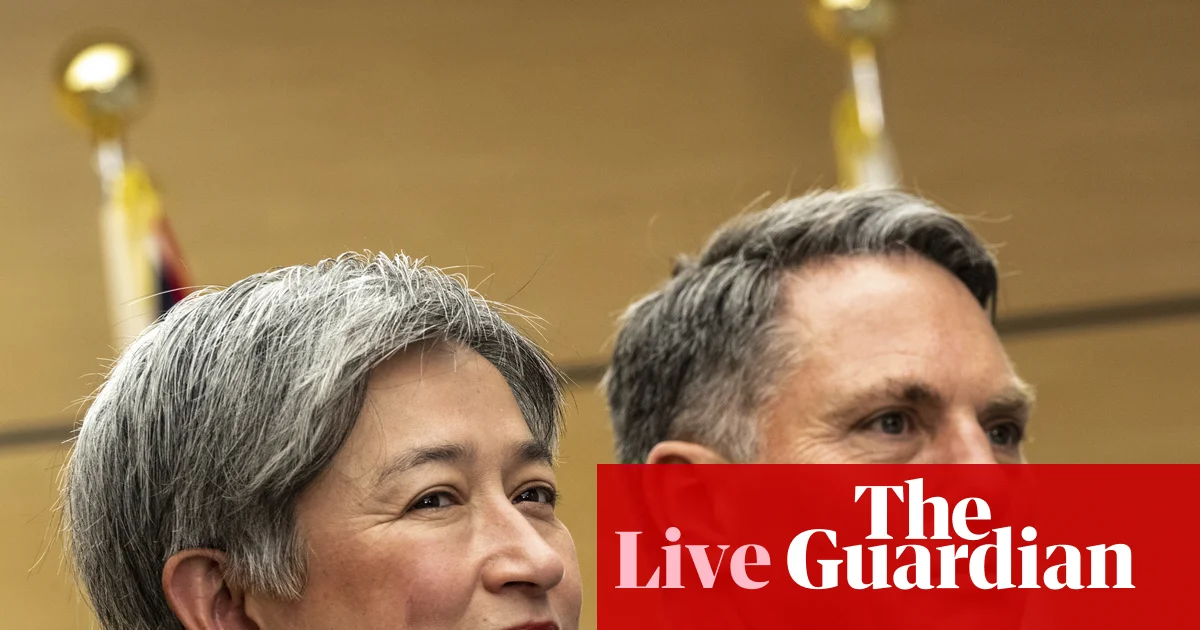
In a decisive move that underscores the mounting international tensions amid an ongoing conflict in Ukraine, the Australian government has pledged an additional $95 million in military support for Kyiv, bolstering its commitment to counter Russia’s aggression. Announced by Defence Minister Richard Marles and Foreign Minister Penny Wong, this latest aid package raises Australia’s total support since the conflict’s onset to over $1.7 billion. This reinforcement is not isolated; it aligns with NATO-led initiatives such as the Prioritised Ukraine Requirements List (PURL), aimed at delivering critical military equipment including radars, munitions, and the final deployment of 49 Abrams tanks to bolster Ukraine’s defenses.

As Australia exhibits unwavering backing for Ukraine’s sovereignty, the global repercussions of such commitments ripple across geopolitics. The decision to intensify sanctions against Moscow’s shadow fleet of oil tankers signals a broader effort by allied nations to choke Russia’s circumventing tactics—highlighted by the targeted measures on vessels supporting Moscow’s illicit energy trade. These diplomatic and military maneuvers, analyzed by international observers, reinforce the trajectory of multilateral efforts to uphold international law against Moscow’s provocations. Experts from institutions like the Council on Foreign Relations warn that these actions could set a precedent that complicates future diplomatic negotiations, potentially intensifying the geopolitical divide.

Simultaneously, domestic issues dominate the political landscape. In Australia, economic policy debates confront the reality of slow growth and persistent inflation, with Treasurer Jim Chalmers dismissing claims that the economy might be at its “speed limit.” The recent national accounts, showing just 2.1% annual growth, are being interpreted optimistically, with Chalmers emphasizing that private sector recovery and productivity gains signal a promising outlook. However, the buildup of inflationary pressures has sparked speculation of impending interest rate hikes by the Reserve Bank of Australia, risking a delicate balancing act for policymakers intent on maintaining economic momentum without igniting runaway inflation.

Meanwhile, issues underlying the nation’s internal security and resource management have gained prominence. The Australian Bureau of Statistics announced it would begin accounting for illegal cigarette sales—a covert economy that has seen a 29% drop in legal tobacco sales, an anomaly revealing deeper challenges. Experts warn that the surge in black market tobacco trade not only skews economic data but also facilitates criminal activity, exemplifying how organized gangs may exploit economic shifts. The government’s efforts to estimate illicit sales through innovative methods like wastewater detection aim to bring these shadow activities into the official economic framework, a move that could reshape how Australia measures its growth and stability.

From the battlefield of eastern Europe to the halls of domestic policy, Australia’s decisions reflect a nation grappling with international responsibilities and internal vulnerabilities. The support for Ukraine demonstrates an active role on the global stage, defending what many see as the values of sovereignty and democracy. At the same time, the challenges at home—economic slowdowns, inflation, and illicit trade—serve as a stark reminder that the weight of history is not only shaped by international conflict but also by the resilience and resolve of societies to confront their own crises. As policymakers navigate these intersecting currents, one thing remains clear: the unfolding story of national and international sovereignty continues to be written, and the next chapter may determine the balance of power for generations to come.

Supreme Court Upholds Trump’s Block on $4B Food Aid Boost, Youth Grip Tightens

The United States finds itself at a critical juncture as a series of escalating political disputes threaten the social safety nets for millions. The Supreme Court recently upheld the Trump administration’s request to *pause* a federal judge’s order that would have apportioned $4 billion to the Supplemental Nutrition Assistance Program (SNAP). This decision has effectively frozen funds for the largest anti-hunger initiative in the nation, placing 42 million Americans—including countless vulnerable children and the elderly—at heightened risk of food insecurity during an already strained economic climate.

Analysts warn that this move not only jeopardizes immediate access to food for countless families but reflects a broader geopolitical impact. Plunging millions into uncertainty amidst internal political chaos underscores the fragile stability of America’s social fabric. As the House of Representatives prepares to vote on a package that could mark the end of the longest government shutdown in U.S. history, the Biden administration and Congress remain at loggerheads over federal funding. The administration insists that only through legislative compromise can vital programs be restored, a stance that continues to delay relief efforts and deepen the social crisis. The ongoing shutdown, intertwined with the clash over legislative priorities, continues to ripple outward, affecting states’ ability to deliver support and undermining public confidence in governance.

Meanwhile, the Department of Agriculture has issued directives for states to “immediately undo” benefits already disbursed, creating chaos at a local level where food pantries and community services are already overwhelmed. With only partial benefits issued for November, and no guarantee of federal reimbursement, the geopolitical ramifications extend beyond domestic borders, highlighting the profound impact of internal instability on local communities. According to observers like historians and social policy analysts, this episode exemplifies how political decisions—particularly those rooted in partisan deadlock—can have tangible consequences, exacerbating societal divisions and threatening the social contract.

The international community watches with concern as the United States, traditionally seen as a bastion of stability and economic power, falters in its moral obligation to protect its most vulnerable. As aid agencies scramble to fill the gaps, domestic disarray risks expanding into a broader crisis. The looming holiday season and the approaching winter threaten to intensify the suffering with no clear resolution in sight. This harrowing chapter in American history—marked by political infighting and social neglect—reminds the world that the internal stability of a nation often hinges on its ability to meet the basic needs of its citizens. Yet, the true cost may extend far beyond national borders, influencing global perceptions of U.S. leadership and stability.

As the pages of history continue to turn, the fate of the American social safety net remains in the balance, a stark reflection of a nation deeply divided. The unfolding drama raises profound questions about governance, moral responsibility, and international leadership—questions that will resonate long after the current crisis subsides. In a world where geopolitical shifts accelerate and alliances are tested, the true measure of a nation’s strength is revealed not in its wealth or military power, but in its capacity to care for its people during times of crisis. Whether the United States will rise from this moment stronger or succumb to internal disarray remains to be seen; yet, the weight of history presses heavily upon all—reminding us that in the darkest hours, the dignity of a society is truly tested.

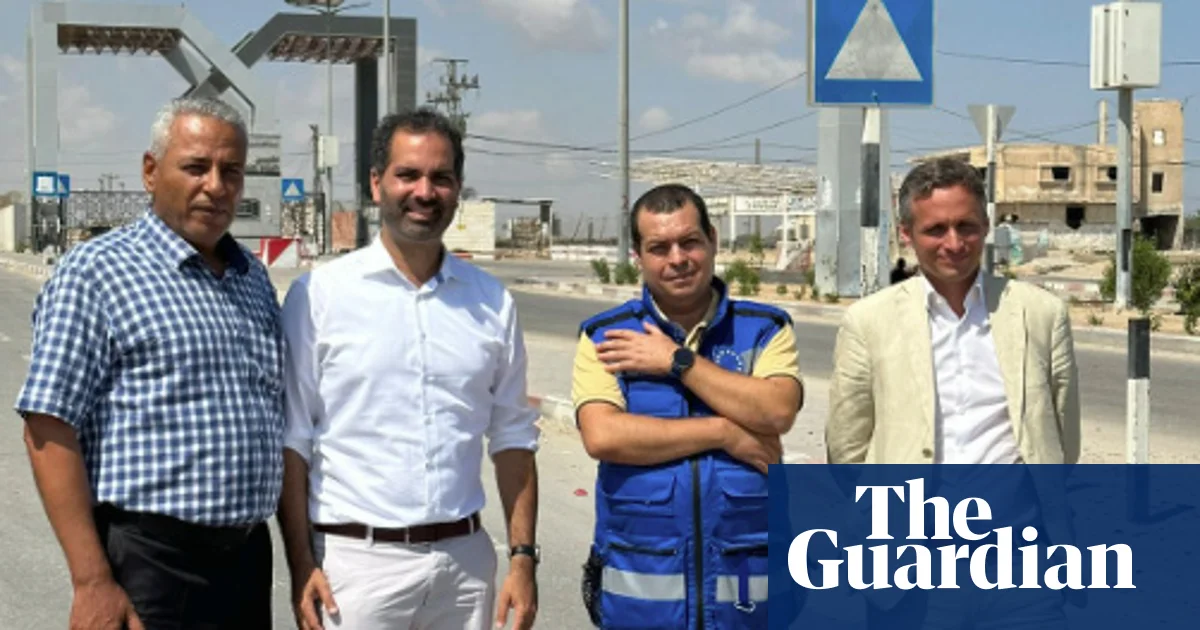
Palestinian man ousted from Gaza border aid role to challenge EU decision

The European Union, long heralded as a beacon of international cooperation and diplomacy, finds itself embroiled in a legal controversy that underscores the complex intersections of geopolitics, national laws, and human rights. Mohammed Baraka, a Palestinian man who served at the EU border assistance mission (EUBam) in Rafah since 2006, has filed a lawsuit in a Belgian court, alleging discrimination and breach of Belgian employment law. His case illuminates the often overlooked domestic repercussions of international policy and the repercussions of decisions made within the EU’s diplomatic machinery amid ongoing regional conflicts.

During the escalation of the conflict in Gaza, the EU had evacuated Baraka to Cairo, along with other colleagues in the West Bank, as part of a broader effort to safeguard its personnel. However, subsequent to the EU’s decision to close the Rafah office, Baraka was dismissed earlier this year, despite his longstanding service. His legal representative, Selma Benkhelifa, contends that Baraka’s firing was not based solely on security concerns but was victim to discriminatory practices, asserting that other colleagues—of different nationalities—were transferred rather than dismissed outright. The lawsuit hinges on claims that the EU’s practice of renewing fixed-term contracts for personnel in Lebanon and Gaza violates Belgian labor laws, which stipulate that after three consecutive contracts, employees must be made permanent. This contractual loophole, as argued, permits international institutions to circumvent workers’ rights and public policy protections, leading to what Baraka’s team characterizes as systematic exploitation.

This legal battle exposes a broader geopolitical impact that resonates well beyond the courtroom. Belgium, often considered a hub for European diplomacy and bureaucratic influence, faces scrutiny for enabling such practices that undermine national labor standards. Critics and analysts warn that EU institutional flexibility—crafted under the guise of operational efficiency—may be eroding the very legal safeguards that uphold workers’ protections across member states. International organizations like the International Labour Organization (ILO) have long emphasized the importance of safeguarding workers’ rights, particularly in conflict zones where international institutions are operating as quasi-sovereign entities. This case amplifies the debate about how international diplomacy sometimes conflicts with domestic legal frameworks, affecting not just individual lives but also the integrity of international law itself.

The fallout from Baraka’s case extends into the realm of international diplomacy and regional stability. As Israel and Palestine continue to be mired in conflict, the EU’s role as a mediator and aid supporter faces increased scrutiny. The decision to close the Rafah office—a move justified on security grounds—raises questions about transparency and accountability. The European Commission, declining to comment officially, leaves unresolved tensions that could influence future EU policy, especially in conflict zones where the line between diplomacy and moral responsibility becomes alarmingly blurred. Many international observers, including historians and consider researchers, warn that these internal disputes threaten to weaken the EU’s moral authority at a crucial juncture.

As history continues to unfold, the impact of this legal confrontation will be felt far beyond Belgium’s borders. The case of Mohammed Baraka serves as a stark reminder that the decisions made in Brussels and other diplomatic capitals are not just abstract policies—they shape the lives of those caught in the crossfire of geopolitics. As the world watches, the question remains: will the EU uphold its promises of justice and fairness, or will it let bureaucratic convenience override human rights? The answer could very well define the future of international cooperation, the rule of law, and the enduring struggle for dignity amidst chaos—leaving behind a legacy that history cannot afford to ignore.

Labour MPs warn Starmer cutting disease aid would be a moral mistake

UK Aid Funding Crisis Unfolds: A Battle of Morality and Geopolitical Strategy

In a remarkable display of internal dissent, seven Labour MPs who previously served as ministers under Keir Starmer have penned a private letter warning that a proposed 20% cut in UK aid funding for the Global Fund to Fight AIDS, Tuberculosis and Malaria would constitute not just a moral failure, but a strategic setback with far-reaching global consequences. As the UK government prepares to finalize its contribution to this vital multilateral initiative amidst mounting pressure, the debate underscores how national decisions are increasingly intertwined with geopolitical impact and the future stability of vulnerable societies.

Analysts and international organizations closely monitor this unfolding controversy, recognizing that the UK’s role in global health is emblematic of broader post-pandemic international strategy. The proposed decrease—potentially slashing the UK’s pledge from £1 billion to £800 million—comes amidst wider austerity measures that have already diminished Britain’s foreign aid budget to historically low levels, cutting its percentage of national income dedicated to aid from 0.7% to 0.3% by 2027. Critics argue such reductions threaten to derail advances made over decades, risking the lives of millions in the world’s poorest nations. According to reports from aid groups, a cut of this magnitude could result in up to 340,000 preventable deaths, undermining the incredible progress that has saved 70 million lives since 2002.

These developments occur at a time when international institutions such as the United Nations and the World Health Organization advocate for sustained multilateral cooperation, asserting that the relentless fight against preventable diseases is intertwined with global stability and security. Historians like Dr. Alan Turing have highlighted how health crises can foster instability, displacement, and conflict—emphasizing that investment in health infrastructure abroad is, in essence, an investment in national security. The UK’s apparent retreat from this strategy, especially after already withdrawing support from the Global Vaccine Alliance (Gavi), signals a troubling shift away from global engagement, risking the collapse of years of progress in fighting HIV/AIDS, TB, and malaria—diseases that know no borders.

Despite government claims of continued commitment, the political reality appears to be one of retreat and strategic retraction, with critics warning that such decisions weaken Britain’s standing in international affairs. The Foreign Office asserts that UK aid contributions have contributed to saving 70 million lives and a 63% reduction in death rates from HIV, TB, and malaria. Yet, with other nations decreasing their aid contributions—particularly the collapse of US aid funding—the global fight for these diseases is entering a perilous new era. As political scientists and international observers note, jeopardizing aid efforts at this crossroads risks reversing decades of momentum. In this context, the UK’s choice reflects more than a moral stance; it embodies a geopolitical gamble that could influence the shifting balance of power and the stability of developing societies for generations to come.

As history watches anxiously from the sidelines, the weight of this decision remains hung in the balance—an echo of Britain’s enduring role on the world stage and a test of its commitment to the principles of international cooperation. The coming days will reveal whether this battle is merely a policy debate or the beginning of a geopolitical realignment that challenges the very fabric of the global order—decisions that will echo through history, shaping destinies in the shadow of choices made today.

Aid Delayed in Rebuilding Hurricane-Hit Jamaican Towns

Hurricane Melissa Ravages Jamaica: A Nation’s Fight for Survival and Sovereignty

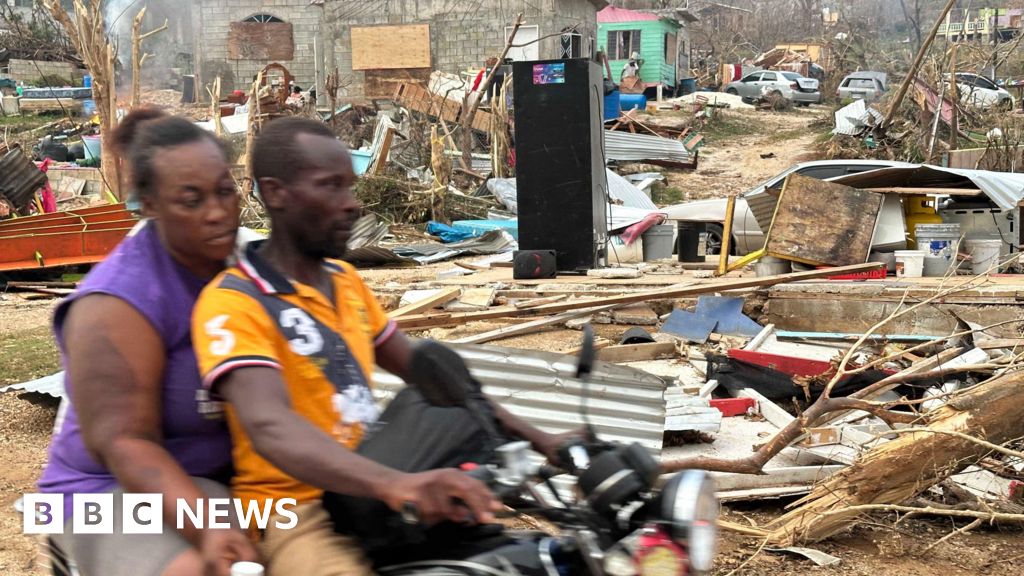
The recent onslaught of Hurricane Melissa has left Jamaica grappling with one of the most devastating natural calamities in its history. As the strongest storm to strike the Caribbean island in modern times, with sustained winds of 185 mph (297 km/h), Melissa’s ferocity has exposed the vulnerabilities of this small yet resilient nation. According to official reports, at least 28 lives have been lost—a grim milestone that encapsulates the storm’s brutality, with the death toll likely to rise as authorities gain access to previously unreachable areas. This tragedy underscores how natural forces continue to test a country’s capacity for resilience and sovereignty in the face of divine and climatic upheaval.

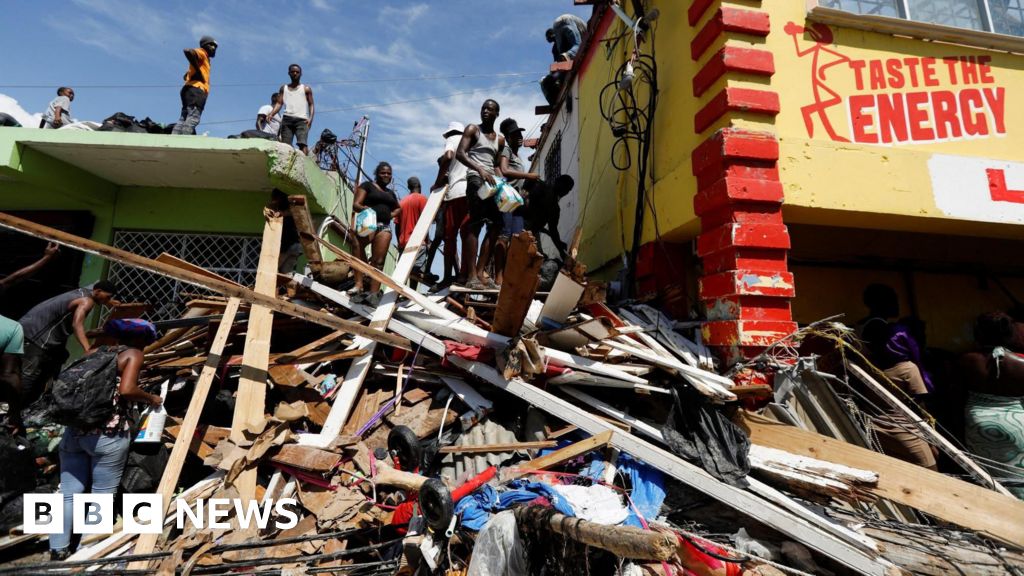
From the coastal town of Whitehouse in Westmoreland to the heart of rural farms, scenes of chaos and destruction dominate the landscape. The aftermath reveals piles of debris, mangled trees, and battered buildings that speak to the storm’s unrelenting power. Local authorities report that over 90% of homes have been destroyed in nearby St. Elizabeth, and communities are left in darkness—many without access to power, water, or communication networks. This emergency has prompted international aid efforts, with countries such as the United States deploying Disaster Assistance Response Teams and the United Kingdom pledging millions in relief. Yet, for thousands of Jamaicans, the immediate challenge remains: survival amid the ruins, with hope dwindling as frustrations mount.

The geopolitical impact of Melissa’s devastation extends beyond its immediate environmental consequences. It has laid bare the fragility of Jamaica’s infrastructure and the crucial need for sovereignty in crisis management. Prime Minister Andrew Holness has emphasized that priority must be given to clearing debris and restoring essential services—an effort impeded by blocked roads, inaccessible regions, and logistical hurdles. Meanwhile, the deployment of over 200 Starlink devices by the government signifies a step forward in bridging the communication gap, a vital move that highlights how international cooperation can serve as a lifeline during national emergencies. However, analysts warn that the true test lies in Jamaica’s capacity to maintain control over its own destiny amidst external aid, ensuring that aid reaches those most in need without becoming entangled in geopolitical interests.

Historians and international security experts point out that such natural disasters often catalyze broader political and societal shifts. While aid efforts are critical, the aftermath fuels a debate on whether Jamaica can build more resilient infrastructure or if it risks becoming increasingly dependent on foreign powers. As economist and geopolitical analyst Dr. Marcus Bennett notes, “It’s a stark reminder that sovereignty isn’t just contested in the realm of politics; it’s also forged in how a nation responds to nature’s fury.” The storm’s wrath could serve as a turning point—either galvanizing efforts toward greater self-reliance or exposing vulnerabilities that foreign players could exploit or influence. Such moments have historically redefined nations, and Jamaica now stands at a crossroads, with its future hanging precariously in the balance of resilience and external aid.

As the island continues its slow journey from despair toward recovery, the human spirit’s resilience shines through. Wounded communities, like that of Robert Morris, vow to rebuild despite losing everything, embodying a defiant hope that refuses to be extinguished. The narrative of this disaster remains unwritten, yet the weight of history presses heavily—doomsday warnings echo from the past about natural disasters catalyzing social upheavals or political realignments. As Jamaica walks this perilous path, the world watches—holding its breath as the product of countless choices, sacrifices, and struggles begins to shape the next chapter of Caribbean history. Whether the island’s sovereignty is preserved or further challenged, the unfolding saga of Melissa’s aftermath will be remembered as a stark testament to a nation’s relentless fight for survival in the eye of a relentless storm.

Death Toll Climbing as Aid Faces Blockades in Jamaica's Hardest-Hit Areas
Death Toll Climbing as Aid Faces Blockades in Jamaica’s Hardest-Hit Areas

Hurricane Melissa’s Devastation: A Stark Reminder of Nature’s Fury and Geopolitical Shifts

Hurricane Melissa, one of the most formidable storms to ever strike the Caribbean, has left a trail of destruction across multiple nations, reaffirming the continent’s vulnerability to increasingly powerful weather phenomena. Making landfall in Jamaica as a category five storm, with winds reaching 185 mph (295 km/h), the hurricane has demonstrated the intensifying severity of natural disasters linked to climate change, according to climatologists. Countries such as Haiti, Cuba, and even territories like Bermuda have experienced its wrath, exposing systemic weaknesses and the urgent need for international cooperation and robust disaster preparedness.

In **Jamaica**, the destruction has been severe, with entire communities cut off, homes flattened, and infrastructure left in ruins. Search and rescue efforts reveal scenes of devastation, especially in western regions where satellite imagery shows complete obliteration of some villages. Local residents articulately describe scenes of chaos, with roads blocked by fallen trees and widespread power outages—highlighting the challenge of providing aid in a country already strained by economic and social issues. Analysts warn that such natural calamities threaten to exacerbate existing inequalities, potentially destabilizing nations and fueling regional insecurity. It is a sobering reminder that the Caribbean’s geostrategic position has placed it on the frontline of climate change’s geopolitical impact, forcing neighboring nations and global institutions to confront a grim reality: the need for resilience in the face of unpredictable and increasingly destructive storms.

Meanwhile, in **Haiti**, the devastation intensified. According to UN reports, over 30 lives have been claimed, primarily due to flooding when a river overflowed in Petit-Goave. Around 15,000 civilians are sheltering across more than 120 relief centers, yet comprehensive assessments remain elusive due to inaccessible regions. Haiti’s fragile infrastructure—hindered by political instability and poverty—struggles to cope with such crises. International organizations like the UN warn that ongoing instability complicates disaster response efforts, threatening to turn localized tragedies into broader humanitarian crises. The storm’s impact underscores how conflicts and weaknesses in governance undermine a nation’s ability to survive such natural adversities, amplifying the impacts while exposing geopolitical vulnerabilities.

Turning to **Cuba** and its resilience, the island’s government reports that more than 3 million citizens faced life-threatening conditions. Nearly 240 communities have been cut off by landslides and flooding, with no fatalities yet, thanks to extensive evacuation campaigns. UN officials commend Cuba’s preparedness but emphasize that the island’s capacity to withstand such chaos is limited, especially with persistent economic constraints. The storm’s aftermath has increased calls within the global community—specifically from Western nations—to evaluate how aid and diplomatic support can bolster regional resilience. As international institutions analyze the repercussions, some argue that the response to Melissa reveals the urgent need for a restructuring of geopolitical alliances, prioritizing swift aid delivery and long-term climate adaptation strategies.

Beyond immediate relief, the storm intensifies ongoing debates over the geopolitical consequences of climate-induced disasters. Decisions by major powers to bolster humanitarian aid, or lack thereof, will significantly influence regional stability. The UK’s pledge of an additional £5 million, along with the United States deploying disaster response teams, exemplify how global actors maneuver in a landscape increasingly shaped by climate crises. As history demonstrates, failure to adapt and invest in resilient infrastructure amidst a changing climate could sow the seeds for future chaos, displacing millions and destabilizing entire regions. With the World Food Programme coordinating logistics across several nations, it becomes clear that the battle is as much about geopolitics as it is about saving lives.

As the world watches the Caribbean’s suffering unfold, the legacy of Hurricane Melissa underscores a profound truth—that our planetary fate is now intertwined with geopolitical choices, human resilience, and international cooperation. The storm’s wrath serves as a harrowing chapter in an ongoing story of climate change, conflict, and survival—reminding us that history is still being written, with every decision echoing through the corridors of power and the lives of countless innocents. Will this be a turning point leading to global unity, or merely another chapter in humanity’s struggle against the forces of nature? The answer remains uncertain, but the weight of history presses heavily upon our collective conscience.

Aid Cuts Threaten to Bring Back Malaria Crisis — Time to Prioritize Our Communities

The Hidden Crisis of Malaria: A Societal Wake-up Call

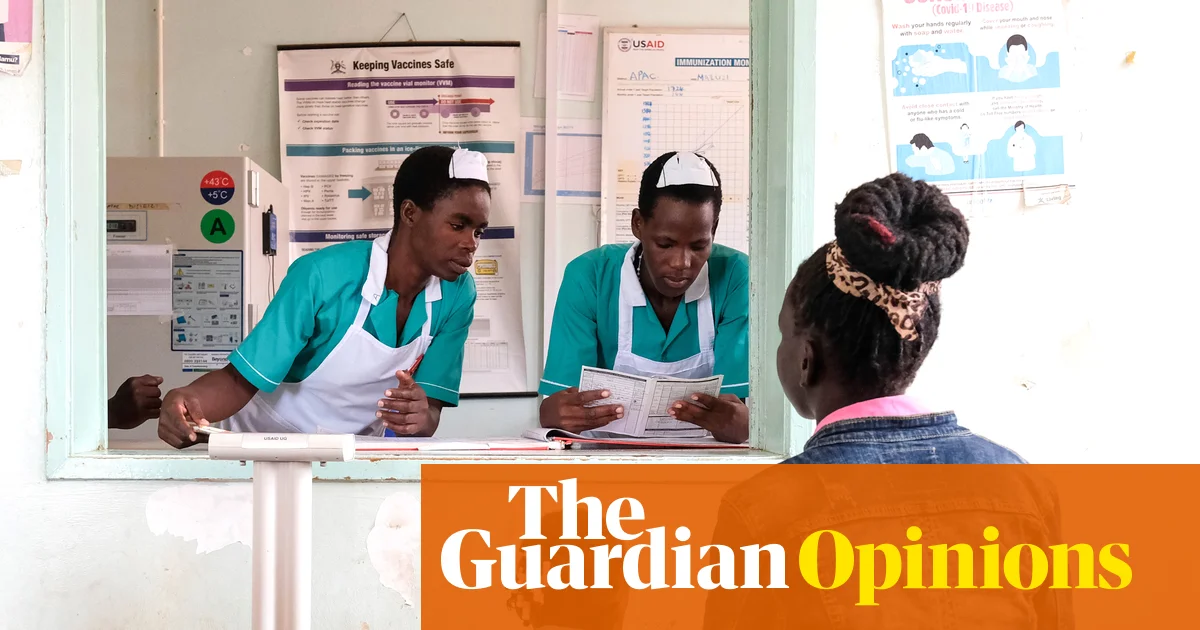
Malaria, a deadly infectious disease primarily impacting communities in Africa, continues to exact an unacceptably high toll on the most vulnerable—small children and expectant mothers. Responsible for nearly 600,000 deaths annually, this disease remains a stark reminder of how neglect, environmental changes, and waning international aid converge to threaten lives and societal stability. Despite ongoing promises to eradicate malaria, recent cuts in funding and global health aid are undoing decades of progress, pushing millions closer to death and disrupting families’ pursuit of security and prosperity.

The role of families and communities in combating malaria is profound, yet they are often the first casualties of the social and economic fallout when aid dwindles. Programs run by the Global Fund to Fight AIDS, Tuberculosis, and Malaria have historically been the backbone of efforts to control the disease. However, with its recent funding shortfalls—especially significant cuts from countries such as Germany and rumoured reductions from the UK—the capacity to deliver essential prevention tools, like bed nets and vaccines, is dwindling. These aid reductions threaten to reverse gains, with the potential to cause nearly a million additional deaths by the end of the decade, according to health experts.

Environmental and Demographic Shifts: Compounding the Crisis

Environmental degradation and climate change are intensifying malaria’s reach. Altered rainfall patterns and rising temperatures are expanding mosquito habitats, making eradication increasingly difficult. The resistance of parasites such as Plasmodium falciparum to existing drugs exacerbates the challenge, echoing past cycles where previously effective medicines—chloroquine and artemisinins—lost their potency. While vaccines offer hope, their limited protective scope and inability to stop transmission mean that without sustained, comprehensive control measures, malaria’s grip will tighten. Social commentator Dr. Robert M. Kaplan warns that these environmental and biological shifts threaten a “perfect storm” that could undo decades of hard-won progress, leaving vulnerable families to face devastation once again.

Importantly, the ripple effects extend beyond health, crippling economies and undermining social cohesion. The economic analysis emphasizes that maintaining the 2030 funding targets could save 1.86 million lives and catalyze an economic surge of $231 billion in African GDP. Conversely, a 20% funding cut could lead to approximately 82,000 additional deaths and a GDP decline nearing $5 billion, underscoring how intertwined health and economic wellbeing are. Families, often already strained by poverty, are pushed further into hardship when preventable deaths occur, eroding the moral fabric of societies built on hope and resilience.

Social Reflection and the Call for Action

As nations face tight budgets and competing priorities, it is crucial to recognize that the fight against malaria is ultimately a matter of moral urgency. The ethical responsibility rests not only with governments but with global society to prioritize life-saving interventions for the voiceless—children and pregnant women—whose futures hang in the balance. Historians and social theorists like Albert O. Hirschman have long argued that societal strength depends on caring for its most vulnerable. If this principle is abandoned, the fabric of our shared humanity frays, and inequalities deepen.

In this moment of crisis, society must reflect on the true meaning of progress. Does it mean just economic growth, or does it encompass the health, dignity, and future of all its members? The challenge lies in restoring faith in collective action, rekindling a spirit of global solidarity capable of rallying resources, innovation, and moral resolve. As society stands at this crossroads, the hope remains—like a flickering flame— that through determined effort, equitable investment, and environmental stewardship, the silent sufferers of malaria can be freed from their suffering. Society’s capacity for compassion and resilience might yet turn the tide, transforming despair into hope and death into life, one village at a time.

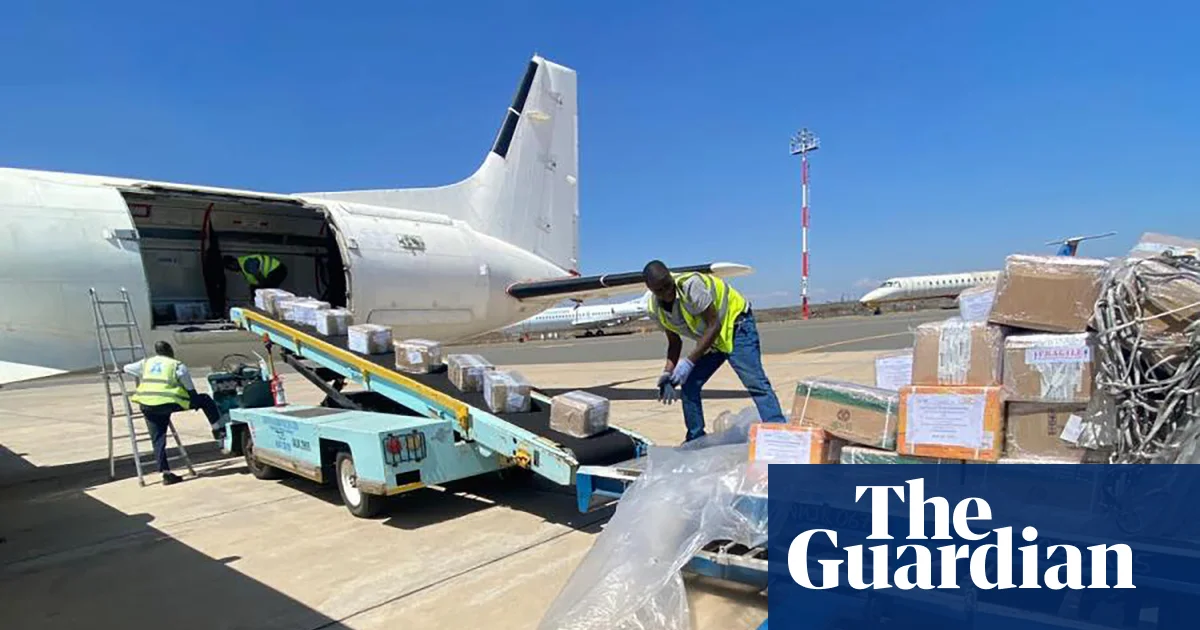
UK’s top arms maker BAE halts ‘lifeline’ aircraft delivering aid to the world

BAE Systems’ Withdrawal from Humanitarian Support: A Catalyst in Global Power Dynamics

In a move that underscores the shifting priorities within Britain’s top defense contractor, BAE Systems has quietly ended its support for a fleet of aircraft crucial for delivering life-saving humanitarian aid across some of the world’s most fragile regions. The decision, announced amidst record profits exceeding £3 billion, appears driven by BAE’s strategic pivot to bolster its hand in the ongoing global arms race spurred by increased defense spending among NATO allies. This change not only exemplifies the seeping influence of geopolitical tensions into humanitarian operations but also signals a disturbing trend where military interests undermine aid efforts in crises-ridden nations.

Key destinations such as South Sudan, Somalia, and the Democratic Republic of Congo are already suffering from escalating humanitarian disasters, with millions facing famine and acute malnutrition. Recent reports from international agencies highlight that nearly 7.7 million people across South Sudan and over 27.7 million in the DRC are caught in a maelstrom of conflict, climate crisis, and rising food prices. Hundreds of thousands of vulnerable lives depend on aid delivered via aircraft with short airstrips in remote regions—an operation that BAE’s aircraft model was uniquely suited to support. Yet, the firm’s abrupt withdrawal of support has grounded these vital missions, breaking a vital lifeline for countless civilians and raising questions about the true priorities of Western military-industrial complexes.

  • The cancellation of humanitarian contracts, including a 10-year operation in the DRC and aid deliveries in Somalia, underscores a calculated shift towards defending commercial interests, with BAE Prime among the beneficiaries.
  • The voluntary surrender of the aircraft’s type certificate by BAE, which renders the aircraft effectively obsolete for commercial use, signifies a strategic move to cease support while limiting legal liabilities.
  • Legal contention has emerged, with EnComm Aviation, the last known operator of these aircraft, claiming that they were misled about the duration of BAE’s support commitments and now face catastrophic losses—highlighting a troubling dissonance between corporate promises and actions.

Analysts and historians warn that these developments mark a dangerous departure from the longstanding tradition of leveraging military technology not only for power projection but also for humanitarian purposes. According to reports from prominent think tanks, the strategic reorientation of defense firms like BAE towards increased arms sales amid burgeoning global instability risks amplifying conflicts rather than mitigating suffering. Organizations such as the World Food Programme have warned that aid disruptions could exacerbate crises, fueling unrest and displacement, with far-reaching geopolitical consequences for regional stability and international diplomacy.

As Britain and its allies continue to allocate billions toward military expansion, the true price may be paid by the most vulnerable populations on Earth. The historic moment we find ourselves in is a stark reminder of how the collision of economic interests and geopolitical strategy can reshape the landscape of global aid. With each aircraft grounded, each contract canceled, the weight of history hangs heavily—an unfolding chapter that urges vigilance. Humanity stands at a crossroads in a world where the decisions made in smoke-filled boardrooms may determine whether millions will survive or succumb to the shadows of neglect and conflict enduring into the unknown future.

ICJ Demands Israel Let UN Deliver Essential Aid to Gaza’s Youth

International Judgment and Humanitarian Crises in Gaza

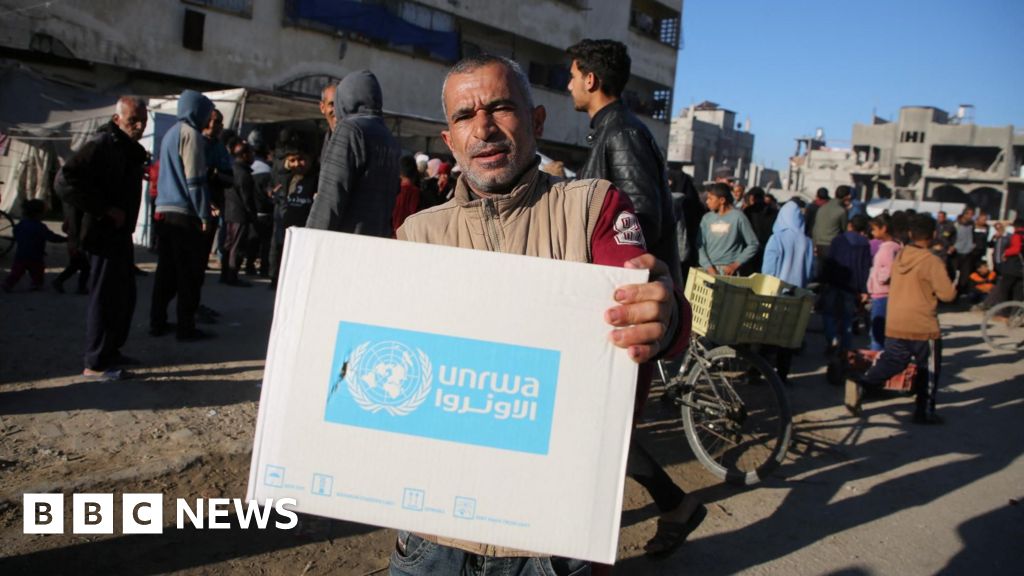
The International Court of Justice (ICJ) has delivered a significant advisory opinion regarding the ongoing crisis in the Gaza Strip, underscoring the legal responsibilities of Israel amidst escalating tensions in the region. The court’s ruling mandates that Israel facilitate the delivery of humanitarian aid by the United Nations and affiliated agencies, thereby emphasizing the international community’s stance on the dire need to meet basic human rights in the conflict zone. This opinion, while non-binding, carries immense diplomatic weight and accentuates the moral imperative for Israel to loosen its blockade that has effectively strangled Gaza’s civilian population for over two years.

The ICJ explicitly stated that Israel failed to substantiate claims that UNRWA — the UN agency responsible for Palestinian refugees — lacked neutrality or was infiltrated by armed factions like Hamas. The agency has repeatedly dismissed allegations of bias or clandestine affiliations, portraying itself as a neutral actor committed to humanitarian aid. Israel’s ambassador to the UN responded with unequivocal criticism, branding the ICJ’s opinion as “shameful,” illustrating the persistent divide over accountability for the humanitarian impasse. Historians and international legal analysts observe that the ICJ’s stance underscores a broader shift in international opinion toward prioritizing humanitarian obligations over political narratives.

Geopolitical Ramifications and International Reactions

  • The UN General Assembly had previously petitioned the ICJ in December to clarify Israel’s legal duties concerning operations in the West Bank and Gaza. This request followed a series of legislative measures by the Israeli parliament, which banned contact with UNRWA on Israeli soil and restricted aid activities—an act perceived by many as an escalation in the ongoing standoff.
  • Since the onset of hostilities with Hamas roughly two years ago, Israel has intensified its blockade, curbing access to essential supplies and implementing policies that have severely compromised the health, food security, and safety of Gaza’s 2.1 million residents. UN-backed experts warned of a “man-made famine,” with more than 640,000 people facing catastrophic shortages of food. Despite Israel’s insistence that aid flows are sufficient, independent assessments portray a starkly different reality.

The geopolitical impact of this crisis resonates well beyond the Mediterranean. Western nations, particularly those aligned with America and Europe, face mounting scrutiny over their diplomatic stance and relief efforts. Critics argue that uncontrolled aid restrictions serve as coercive tools, exacerbating suffering while political aims take precedence. International institutions, including the United Nations, are caught in a moral and strategic tug-of-war, with some analysts warning that failure to address these humanitarian concerns could fuel further instability and radicalization across the region.

Shifting Power Dynamics and the Weight of History

This moment in history beckons as a pivotal juncture where legal obligations, international diplomacy, and regional stability collide. The ICJ advisory adds fuel to the debate over accountability and sovereignty, spotlighting how their interpretations shape future interventions in conflict zones. As leaders and historians scrutinize these developments, the true test lies ahead: whether the international community’s moral authority can compel meaningful change or whether geopolitical interests will continue to weigh heavily in the shadows of diplomacy.

In the span of history, such decisions are destined to be remembered as either catalysts for humane reconciliation or as preludes to enduring cycles of violence. The unfolding story of Gaza’s suffering, and the global responses it provokes, serve as a stark reminder that the weight of history is still being written — with every act, every judgment, and every hope for peace shaping the world’s future.

Social Media Auto Publish Powered By : XYZScripts.com