Matox News

Truth Over Trends, always!

Aid Groups Use AI-Generated Fake Poverty Images to Push Their Agenda

AI-Generated Poverty Imagery Sparks Ethical Debate in Society

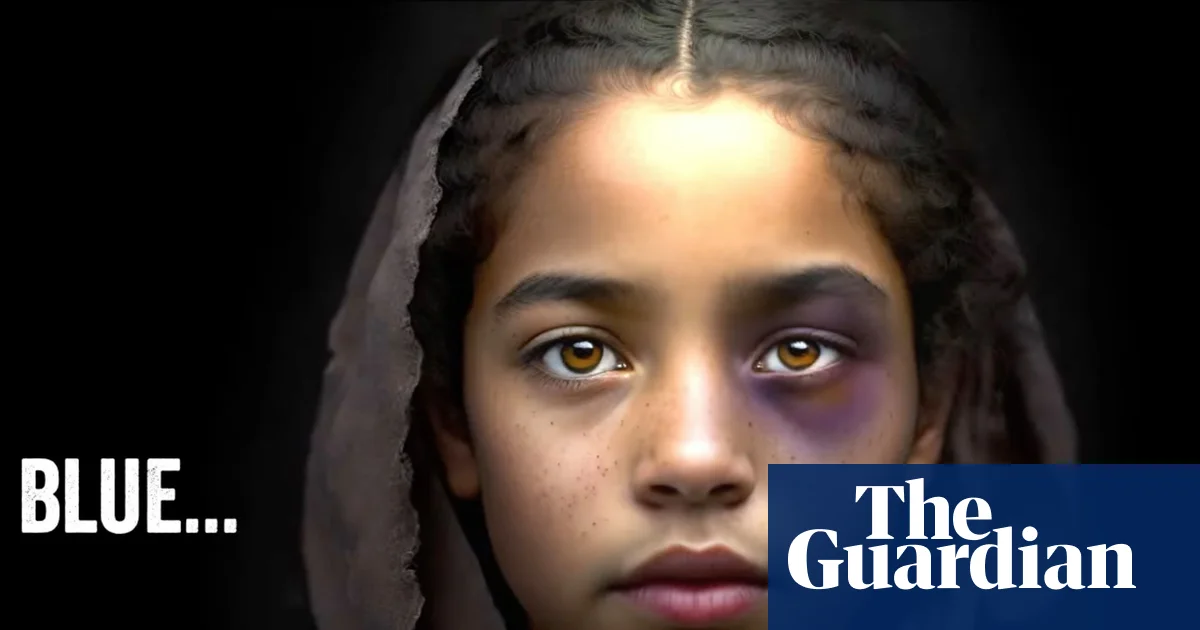
In recent years, the landscape of global development and humanitarian advocacy has been inadvertently transformed by the rise of artificial intelligence-generated imagery, a development that many sociologists and social commentators view as a double-edged sword. Stock photo giants like Adobe and Freepik are now flooded with AI-created images depicting extreme poverty and human suffering, such as children in refugee camps or victims of violence, often accompanied by captions that reinforce stereotypes. According to Noah Arnold of Fairpicture, these images are being used extensively, not just for their low cost but because they circumvent issues of consent and ethical considerations. This raises profound moral questions about how society visualizes and commodifies the suffering of vulnerable populations.

This shift in imagery is not merely a matter of aesthetics but has profound impacts on families, education, and community perceptions. Sociologists like Arsenii Alenichev argue that such images replicate a “visual grammar of poverty,” often portraying stereotypical scenes—children with empty plates, cracked earth—that shape public perceptions in ways that can deepen social stigmas and misconceptions. For families living in poverty, these images risk turning their real struggles into simplistic visual narratives, stripping away the nuances of resilience and community strength. Furthermore, educators and policymakers must grapple with the ideological influence of such “poverty porn,” which risks reinforcing societal divides rather than fostering informed empathy.

In the realm of global health and humanitarian outreach, organizations like the UN have historically used images — and now AI-generated visuals — to raise awareness and mobilize support. However, the ethical implications have become increasingly contentious. For instance, in 2023, the UN posted a video featuring AI-generated re-enactments of sexual violence, which was swiftly removed amid concerns over the manipulation of truth and the potential for misinformation. As social critics and historians highlight, this blurring of fact and fiction threatens to undermine trust and distort public understanding of real crises. Meanwhile, some NGOs, such as Plan International, have taken steps to adopt guidelines explicitly discouraging the use of AI in portraying individual children, to protect their dignity and privacy. Yet, the proliferation continues, fueled by the economic incentives to supply compelling visuals without the moral obligation to authenticity.

Ultimately, the societal consequences of AI-mediated suffering are profound, threading through every layer of community life—from families to institutions. As social commentator and historian Yuval Noah Harari warns, our society faces a critical juncture where images of hardship may do more harm than good if they lack authenticity and ethical oversight. Despite these challenges, hope remains that with deliberate restraint and moral clarity, technology can be harnessed not to exploit or distort, but to illuminate and empower. Society must forge a path where technology serves justice and dignity—a future where compassion is rooted in truth and respect, and where the human spirit endures amidst adversity, illumined by genuine hope rather than manipulated images.
Aid groups halt Gaza work amid ceasefire uncertainties

International Tensions Escalate as Gaza Humanitarian Efforts Face New Challenges

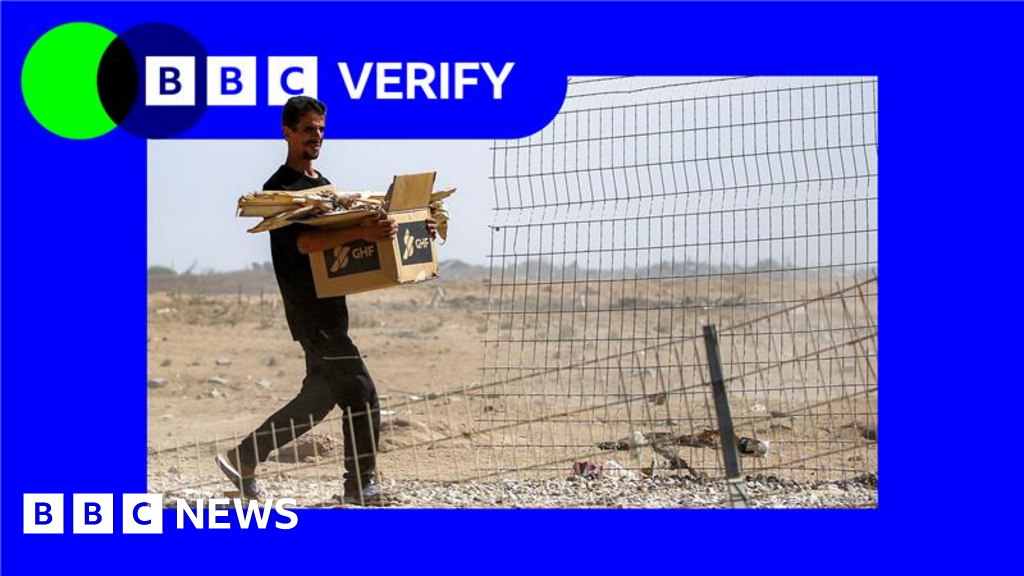
In the wake of the recent ceasefire between Israel and Hamas, the fragile stability of the Gaza Strip remains under intense scrutiny from international watchdogs and geopolitical strategists alike. The Gaza Humanitarian Foundation (GHF), a US and Israeli-backed relief organization, has officially suspended operations after its aid distribution sites, including the critical SDS4 site, were dismantled following the ceasefire’s inauguration on 10 October. Satellite imagery shows the dismantling was swift and deliberate, highlighting how the shift in control and territorial boundaries directly impacts aid efforts and raises deep concerns about the humanitarian crisis unfolding on the ground.

Despite promises of increased aid flows in the midst of this ceasefire, United Nations data reveals a sobering reality: only about 20% of aid crossing into Gaza since May has reached its intended recipients. Since the ceasefire, the daily aid collected has hovered at levels comparable to those of September, with UN analysts warning that the volume and efficiency of aid delivery remain inadequate for the needs of vulnerable Gazan populations. Amidst reports of aid trucks being intercepted—either peacefully by local populations desperate for essentials or forcibly by armed groups—the international community’s ability to influence the situation remains limited. The ongoing looting and lawlessness threaten to undermine the peace process, and many experts warn that without sustained efforts to restore civil order, the humanitarian crisis could deepen further.

How Decisions Shape Societies and Global Power Dynamics

The disassembly of aid sites and the suspension of operations by organizations like the GHF encapsulate the geopolitical tension that underpins this entire conflict. Analysts from institutions such as the Brookings Institution suggest that these actions are telling of the broader struggle for influence in the region, where the United States and Israel seek to consolidate strategic dominance while managing volatile regional alliances. The dilemma facing international policymakers is stark: uphold the ceasefire and allow aid delivery to flourish, or risk further destabilization if aid efforts are perceived as partial or insufficient. Meanwhile, Hamas and other militant factions leverage the chaos to justify their continued resistance, complicating diplomatic efforts and making it difficult for aid to reach those most in need.

Public sentiments across different nations are also shifting. Youths and students, increasingly aware of the long-term consequences of foreign interference and limited aid access, have begun questioning official narratives and demanding more transparent and effective international intervention. Historical analysts underscore that this ongoing crisis isn’t merely about land or resources, but about the contest for influence and narrative control in a region where global powers are vying for supremacy. The UN and various humanitarian agencies warn that failure to establish a sustainable, law-governed environment in Gaza could have repercussions far beyond the Middle East, including migrant flows, regional instability, and a reconfigured global order where chaos becomes the norm.

The Unfolding Story of Power and Humanity

As the dust settles over the dismantled aid sites and broken ceasefire promises, the world stands at a pivotal moment. The fate of Gaza—every crushed hope and every thwarted effort—becomes a symbol of the broader struggle for justice, security, and sovereignty. The UN warns of “looting, lawlessness, and unmet needs,” echoing the warnings of historians who differentiate between fleeting peace and durable stability. The weight of history presses heavily upon international shoulders, yet the pages are still unwritten. Will the global community learn from past failures or become complicit in an unfolding tragedy that threatens to redraw the geopolitical map? Only time will tell, but the continuing narrative reminds us that history is, after all, written by those who dare to shape the future amidst chaos and conflict.

Gaza Ceasefire Update: Aid Flows Increase as Hamas Agrees to Release Israeli Hostages Monday Morning

In an unexpected turn of events, Hamas has confirmed it will commence the release of Israeli hostages held in Gaza early Monday morning, marking a significant moment amidst ongoing regional tensions. This development comes as part of a broader ceasefire agreement brokered by a coalition of influential international actors, including the United States, Qatar, Egypt, and Turkey. According to Hamas officials, the prisoner exchange will see the release of twenty Israeli captives in exchange for nearly 2,000 Palestinian prisoners, signaling a potential suspension of hostilities that have lasted for over two years.

The agreement, which Israel’s military claims to have fulfilled its first phase of withdrawal from Gaza, reflects a critical *turning point* in an otherwise tumultuous landscape. Under the ceasefire’s terms, Hamas has until noon Monday local time to release the captives, an act that scholars and analysts see as both a humanitarian step and a calculated political maneuver. This pause in violence is being watched intensely by global leaders and international organizations, with the United Nations warning that such pauses carry the risk of temporary relief but must be followed by sustainable peace efforts. The upcoming summit in Sharm el-Sheikh, chaired by Donald Trump and Abdel Fattah al-Sisi, aims explicitly to “end the war in Gaza” and “usher in a new era of regional stability.” These diplomatic efforts underscore a geopolitical landscape where regional powers recognize that the status quo must evolve, for the sake of both nations and societies.

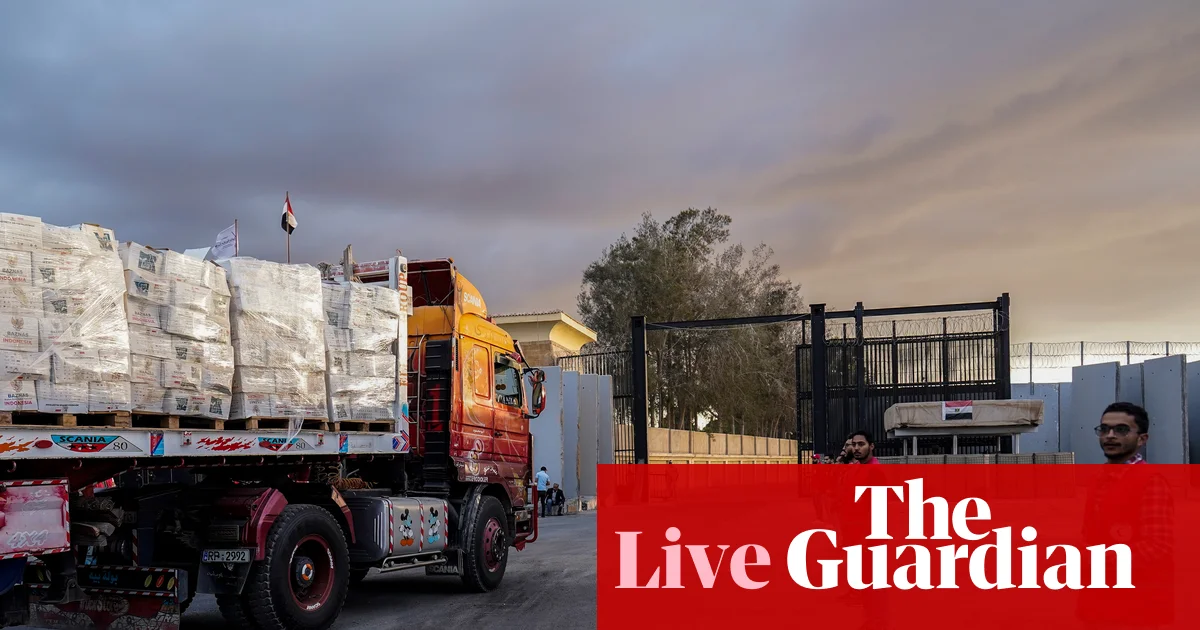
Amid these negotiations, humanitarian aid is beginning to surge into Gaza, which has endured catastrophic destruction and widespread starvation as a consequence of blockade and relentless Israeli strikes. Aid trucks have arrived at the Rafah border crossing with Egypt, with plans to inject approximately 600 truckloads of food and medical supplies daily — a crucial relief in a region suffering from famine and disease. As aid begins to flow, the international community assesses whether this temporary ceasefire will lead to a lasting peace or merely a respite in a broader conflict. Experts warn that such fragile agreements must be closely monitored, as history has shown that ceasefires can often be manipulated or broken, leading to renewed violence that threatens regional stability.

This fragility is further exemplified by the complex dynamics of prisoner releases, particularly involving high-profile figures like Marwan Barghouti and Ahmad Saadat. While Israel plans to release approximately 2,000 Palestinians, **Benjamin Netanyahu**’s government has refused to free Barghouti, a charismatic leader seen by many Palestinians as a future successor to Mahmoud Abbas. His continued imprisonment highlights persistent divisions and the ongoing struggle for Palestinian leadership figures who symbolize resistance and potential sovereignty. The fate of long-serving prisoners like Saadat, a leader of the Popular Front for the Liberation of Palestine, continues to be a contentious issue, reflecting the deep-rooted political and ideological splits that shape the broader conflict.

Analysts and international security experts emphasize that these developments, while momentous, do not guarantee long-term peace. Historians warn that profound geopolitical shifts hinge on decisions made in these high-stakes negotiations, which will reverberate across continents and generations. The decisions taken now will determine whether the region steps toward sustainable peace or plunges deeper into chaos. The unseen shadows of past failures and the weight of unresolved grievances threaten to undo fragile agreements, as history reminds us that in the grand theatre of Middle East diplomacy, the echoes of recent decisions forge the contours of the future — a future still shrouded in uncertainty, where the echoes of past conflicts continue to define the lives of millions. As the world’s eyes turn toward Gaza and the Red Sea resort of Sharm el-Sheikh, the true extent of history’s next chapter remains unwritten, waiting to be shaped in the crucible of diplomacy or chaos.

Israel warns Gaza aid flotilla to reroute amid navy intercepts — Middle East crisis escalates

The Middle East, long a powder keg of geopolitical tensions, is witnessing yet another flashpoint that threatens to destabilize an already fragile situation. Recent developments reveal a significant escalation involving the Israeli military and a pro-Palestinian aid flotilla attempting to breach the maritime blockade of Gaza. Around 75 miles off the coast, at least 20 Israeli vessels intercepted the Global Sumud Flotilla, which included notable figures such as Greta Thunberg and Nelson Mandela’s grandson, Mandla Mandela. This flotilla, composed of nearly 50 boats and 500 activists, was carrying a symbolic amount of humanitarian aid with the explicit goal of breaking what they viewed as an unjust blockade. The incident underscores the ongoing struggle over control of the Gaza Strip, a conflict that continues to draw international attention and concern. According to analysts at International Crisis Group, such confrontations are designed to spotlight global perceptions of injustice, yet they risk further inflaming hostilities in a region already marked by recurring violence.

The Israeli government’s response has been unequivocal. The Foreign Ministry asserted that the navy had contacted the flotilla and asked them to alter course, citing the approaching active combat zone and a lawful naval blockade. They reiterated an offer to facilitate aid transfer through “safe channels” into Gaza—an offer that activists have repeatedly rejected, viewing it as a mere pretext for suppression. Social media footage from activists shows Israeli naval vessels ordering boats to turn off engines, with some participants claiming they have been intercepted in international waters. The situation has rapidly evolved into a complex maritime standoff, with live feeds going dark amid reports that some activists have been detained, potentially against their will. The incident refocuses international debate on the legitimacy of Israel’s blockade, which critics argue constitutes collective punishment, while supporters emphasize the need to prevent weapons smuggling—an ongoing source of tension.

The geopolitical impact of this confrontation extends far beyond the immediate hostile waters. European nations, including Spain and Italy, initially sent naval escorts to support the flotilla, recognize the humanitarian intent while cautioning activists to avoid dangerous escalation. Nonetheless, accusations from Israel linking flotilla participants to Hamas—without solid evidence—are seen by many analysts as attempts to justify potential military actions and inflame regional divisions. This dynamic risks drawing in broader international actors, potentially sparking a wider conflict. The United Nations has called for restraint, yet the underlying issue remains unresolved: to what extent can aid effectively reach Gaza without serving as a stage for geopolitical combat? As historians warn, such interventions, if mishandled, can set long-term precedents that shape the narrative of resistance and oppression for decades to come. The unfolding events hint at a near-certain escalation that could see this maritime showdown evolve into a symbol of international neglect or intervention, depending on how world powers choose to respond.

In the shadows of this tense standoff, voices from within human rights circles are raising alarms. Pre-recorded videos from activists detained by Israeli forces reveal fears of kidnapping and calls for diplomatic intervention—an indication of how swiftly the situation can spiral from a peaceful humanitarian mission to a crisis of international proportions. The U.S. and European diplomatic desks face mounting pressure to navigate their alliances carefully, balancing support for Israel’s security while condemning actions perceived as excessive or provocative. The controversy ignites debates about sovereignty, international law, and the moral responsibility of major powers in a region still plagued by cycles of vengeance. As the world watches this unfolding narrative, the fate of those onboard the flotilla sustains a grim reminder: history is watching, and every decision today stamps the future of tomorrow with its indelible mark. The pages of history continue to turn—each chapter more critical than the last, shaping a conflict that may well redefine the geopolitical map of the Middle East for generations to come.

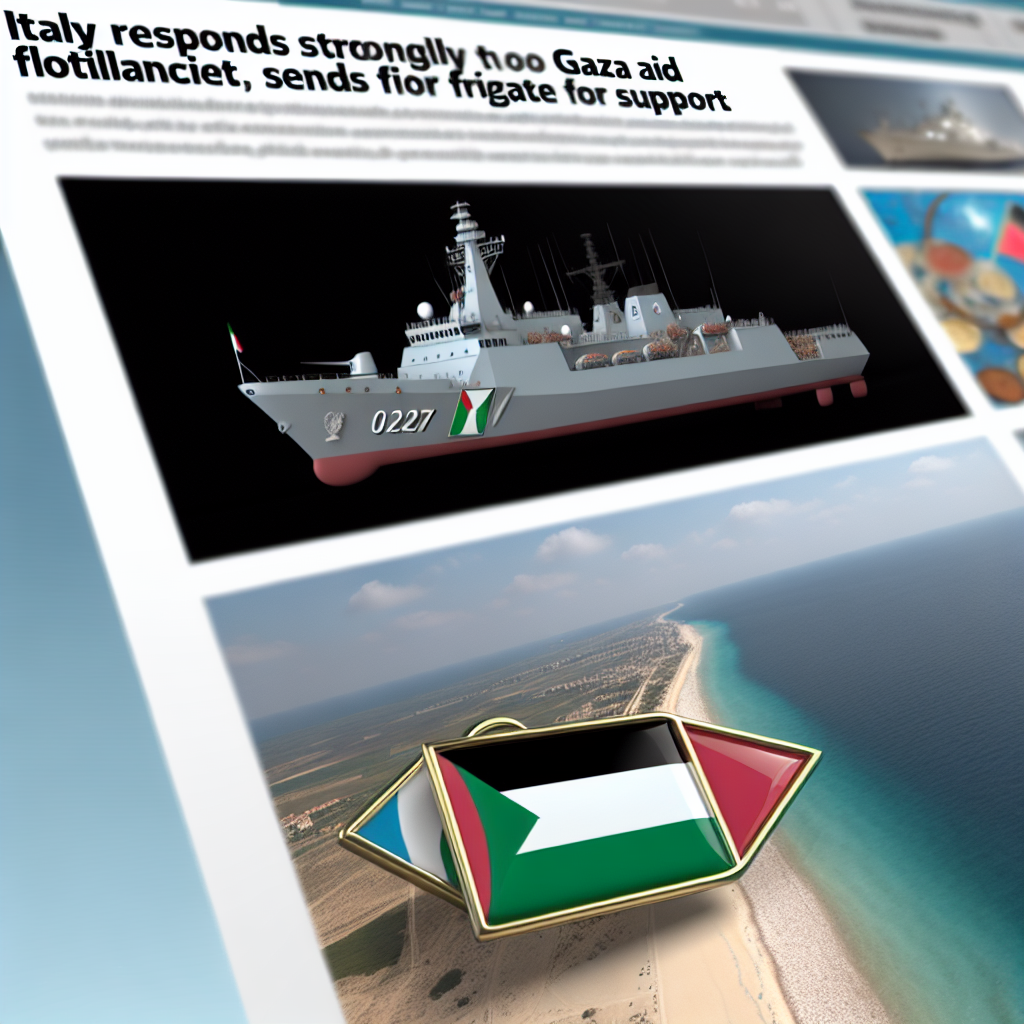
Italy Responds Strongly to Gaza Aid Flotilla Incident, Sends Frigate for Support

Drone Attack on Global Sumud Flotilla Sparks International Controversy

Italy’s Defense Minister, Guido Crosetto, condemned a recent drone attack on the Global Sumud Flotilla (GSF), which attempted to breach Israel’s naval blockade of Gaza to deliver humanitarian aid. The incident occurred approximately 50 kilometers south of Crete, in what has been characterized as an aggressive escalation by unidentified forces. To safeguard Italian citizens aboard the flotilla, Crosetto announced the deployment of an Italian Navy frigate to the region.

The GSF, comprising 52 vessels, reported multiple explosions and indicated that drones were present during the incident. The organization accused Israel of increasing tensions in an already volatile area. This has led to repercussions not just for passengers on the boats, but also raises broader questions about international intervention and the risks associated with navigating contested waters.

Israeli authorities have maintained a strict stance on the flotilla’s activities. While the Israeli government has refrained from commenting on the latest incident, it has previously declared its intent to prevent the flotilla from reaching Gaza. The Israeli foreign ministry has characterized the mission as being organized by Hamas, urging the ships to deliver their supplies to the port of Ashkelon instead. Israeli officials have reiterated that vessels attempting to breach the blockade would face legal action, citing national security concerns.

Adding further layers to the unfolding situation, environmental activist and prominent pro-Palestinian figure Greta Thunberg, who is involved in the flotilla, labeled the drone attacks as “scare tactics.” This perspective echoes sentiments among supporters of the flotilla who argue for the necessity of humanitarian assistance in Gaza. In response to the crisis, the United Nations has echoed demands for unrestricted humanitarian access, asserting that Israel’s obligation under international law includes providing sufficient aid to those in need.

The backdrop to this incident is a complex humanitarian crisis unfolding in Gaza, exacerbated by ongoing conflict, which has led to severe malnutrition and widespread famine. Reports indicate that since the outbreak of hostilities following the Hamas-led attack on Israel earlier this month, approximately 440 Palestinians have died from malnutrition-related causes. In light of these statistics, the GSF claims its mission is critical for breaking what it refers to as an “illegal siege” and for opening a humanitarian corridor to support the beleaguered population of Gaza.

The implications of the drone attack extend beyond immediate concerns for those aboard the flotilla. It raises critical questions about the legality of naval blockades, the role of international observers in conflict zones, and how countries like Italy choose to respond in complex geopolitical scenarios. As the situation continues to unfold, the international community remains watchful, closely monitoring responses from both governmental and non-governmental organizations in the context of human rights, international law, and humanitarian efforts.

Source link

Social Media Auto Publish Powered By : XYZScripts.com