Matox News

Truth Over Trends, always!

Airbus orders software update for thousands of planes over solar radiation safety concerns

Airbus A320 Fleet Recall Sparks Industry-Wide Disruption and Innovation Push

The aviation industry faces a significant upheaval after Airbus announced a proactive recall affecting approximately 6,000 of its flagship A320 series aircraft. The move, prompted by recent safety concerns linked to advanced solar radiation effects, exemplifies how emergent environmental factors are forcing technological innovation and regulatory adaptation at an unprecedented scale.

According to The Guardian, the recall follows a detailed analysis of a recent incident where a JetBlue A320 lost altitude mid-flight—a situation connected to data corruption caused by solar radiation interference. Airbus’s statement highlights a deliberate effort to **disrupt traditional aviation safety protocols** by integrating more resilient, radiation-hardened systems into their fleets. The move signals a major paradigm shift leveraging **cutting-edge materials engineering** and **software robustness** to disrupt existing standards.

This technical breakthrough is not just a safety upgrade but an industry disruptor poised to redefine fleet management and aircraft certification processes. As Gartner analysts note, such environmental vulnerabilities will accelerate innovation cycles in aerospace and push regulatory bodies to update standards rapidly, fostering a more agile response to emerging threats. The Federal Aviation Administration (FAA) has reportedly mandated an emergency airworthiness directive requiring affected aircraft to revert to older software versions before resuming service, with a subset of planes needing hardware replacements. This layered approach to risk mitigation exemplifies proactive technological transition and points to a future where **fleet safety is tightly integrated with adaptive digital systems**.

Implications for Business and Industry Disruption

  • Operational Delays: The recall has initiated widespread flight cancellations and delays globally, underscoring vulnerability within digital control systems and challenging airline logistics networks.
  • Cost and Supply Chain Impact: The hardware replacements and software rollback will place immense pressure on Airbus’s manufacturing and maintenance ecosystems, likely reshaping procurement strategies and accelerating investments in **digital resilience technologies**.
  • Market Shifts: Industry insiders speculate that this event could accelerate efforts by competitors and startups to develop **more radiation-resilient avionics**, potentially catalyzing a wave of innovation and market disruption in aerospace technology.

Environmental factors such as intense solar radiation—previously underestimated—are now recognized as significant market disruptors, prompting companies like Elon Musk’s SpaceX and Blue Origin to consider broader applications of radiation-hardening technologies. MIT researchers are also exploring hardware innovations that could significantly mitigate these environmental risks, illustrating a convergence of academic and commercial efforts driven by urgent industry needs.

Looking Ahead: Innovation as a Necessity in a Changing Environment

This incident is a clear warning to the entire transportation sector: adaptation is no longer optional but an imperative. As climate-related phenomena grow more unpredictable, the integration of disruptive innovations in digital safety systems will likely become a standard industry requirement rather than an exception. With companies like Airbus leading the charge, the transportation industry is poised at the cusp of a technological revolution that not only enhances safety but also fundamentally transforms how aerospace security and reliability are conceived.

In conclusion, the Airbus A320 recall embodies a broader narrative of **disruption fueled by climate-induced vulnerabilities**—a compelling call to action for industry leaders, policymakers, and innovators alike. The urgency to develop resilient, adaptive technology is paramount if the industry hopes to navigate the turbulence ahead and harness new opportunities in a rapidly changing world.
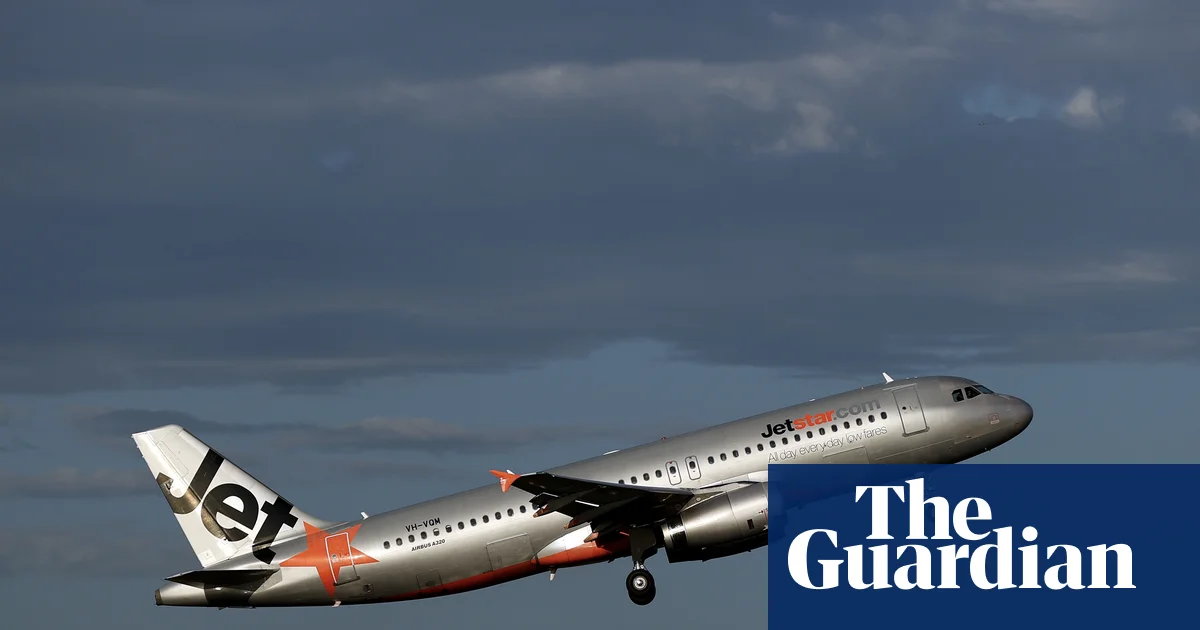
Jetstar cancels 90 Aussie flights amid Airbus A320 recall—disrupting travelers nationwide

International Flight Disruptions Reveal Fragility in Aerospace Safety and geopolitical Stability

In an unprecedented cascade of events, the global airline industry finds itself grappling with a crisis rooted not only in technical malfunctions but in the intricate web of international aviation safety. The recent grounding of **Jetstar**’s Airbus fleet, following critical software updates mandated by **Airbus** after a series of mid-air incidents, underscores how interconnected modern geopolitics, technological reliability, and national security have become. This incident exemplifies a pivotal moment where the safety of millions of passengers is intertwined with broader geopolitical currents, as nations emerge to scrutinize regulations, and global institutions face the pressure to act decisively.

The triggering event was an alert issued by **Airbus**, ordering an immediate software overhaul on a substantial number of its A320 aircraft, which are widely used by airlines such as **Qantas**, **Virgin Australia**, and **Air New Zealand**. The incident followed a JetBlue flight from Cancún, Mexico, to Newark, where an unexpected altitude loss resulted in injuries among passengers—raising alarms about potential vulnerabilities in critical flight control systems. The European Union Aviation Safety Agency (EASA), which certifies these aircraft, identified the problem as an “uncommanded pitch down event,” holding the potential for catastrophic structural failure should unchecked. Analysts warn that such technical glitches, if widely unaddressed, could erode confidence in international aviation safety standards, with ripple effects extending into diplomatic relations and economic stability.

The geopolitical impact extends beyond the immediate safety concerns. Countries that rely heavily on Airbus aircraft face a delicate balancing act—prioritizing passenger safety while managing the economic disruptions caused by flight cancellations across international and domestic routes. For instance, **Qantas** and **Virgin Australia**, both using Airbus aircraft, assured that their fleets would largely remain unaffected, emphasizing how national airlines are navigating the balance of safety, economic vitality, and geopolitical posture. Meanwhile, **Air New Zealand**—a cornerstone of New Zealand’s international connectivity—announced cancellations but reassured safety measures, highlighting how emerging aviation challenges threaten to influence regional stability and trade routes.

International organizations and security experts have voiced concern that this crisis exposes vulnerabilities in an era of increasingly sophisticated aviation technology—an arena now vulnerable to a potential mix of natural and malicious influences. Some agencies warn that the incident is a symptom of a broader shift where technological dependencies in aerospace are becoming new battlegrounds for international power struggles. Historically, analysts like Dr. Emilia Goto from the Global Security Institute argue that such disruptions, if exploited, could serve as pretexts for political leverage, especially amidst current global tensions involving **China**, **Russia**, and the **United States**. The crisis prompts a sobering reflection on how decisions taken in boardrooms and regulatory agencies now directly influence the security architecture of nations.

As this unfolding story continues to develop, the weight of history reminds us that in the 21st century, technological dependence has fundamentally altered the fabric of international stability. The recent grounding of aircraft and swift regulatory response symbolize how fragile the balance is—where the decisions of a multinational corporation, a regional airline, or a regulatory body can tip the scales of geopolitics. With each flight canceled, each safety directive issued, the world moves closer to a reality where the safety of the skies hinges on the complex interplay of technology, international cooperation, and geopolitical influence—an intricate dance where the first misstep could lead humanity into uncharted and dangerous territory, forever etching this crisis into the annals of history’s turbulent chapters.

Qantas Unveils Game-Changing Ultra-Long-Range Airbus for Non-Stop Sydney to London & New York Flights

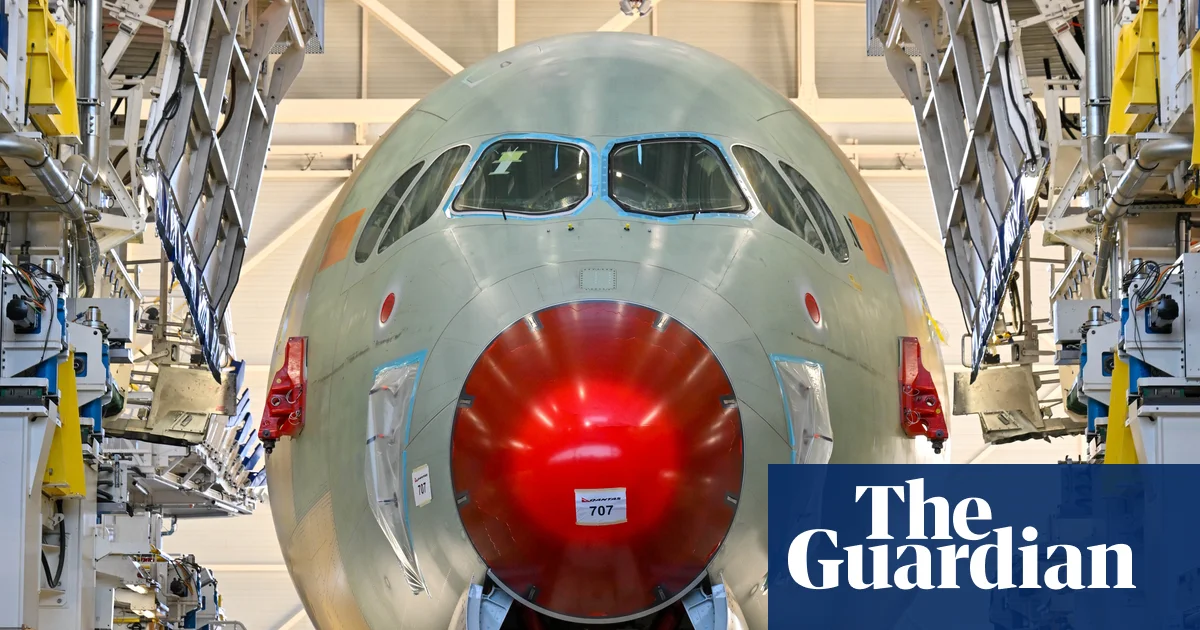
The global landscape of aviation and international connectivity is on the brink of a transformative shift, driven by the ambitious plans of Qantas and the ongoing evolution of aerospace technology. The Australian airline recently unveiled the first images of its next-generation aircraft, an Airbus A350-1000ULR, which is set to revolutionize long-haul travel by enabling non-stop flights from Sydney to London and New York starting in 2027. This development signifies more than just a new type of aircraft; it symbolizes a strategic move by Qantas to establish dominant global routes, reduce travel times, and secure competitive advantages in the fierce international aviation market. Such advancements, while promising for travelers, have wide-ranging implications for geopolitics, economic influence, and societal change.

In crafting this ultra-long-haul flight network, Qantas is positioning itself to challenge existing transcontinental aviation standards, with the aircraft scheduled for test flights in 2026 at Airbus’s Toulouse assembly line. The airline has ordered a dozen of these aircraft as part of its Project Sunrise, a strategic initiative aimed at connecting Australia directly to global hubs, bypassing traditional stopover points.

  • These non-stop flights will cut travel times up to four hours, significantly altering international mobility and opening new avenues for global commerce, tourism, and cultural exchange.

While some analysts, such as those at the International Air Transport Association, highlight the benefits of reduced travel time, critics warn that this acceleration of global connectivity could deepen geopolitical tensions and economic disparities. The dominance of Australia in long-haul aviation might diminish reliance on transcontinental hubs in Asia or the Middle East, impacting regional influence and shifting international power balances.

Beyond the technological and economic implications, these developments further underscore how decisions made by multinational corporations like Qantas impact societies worldwide. The push for faster, more direct routes exemplifies a growing trend towards minimizing geographical barriers, which, according to historians specializing in globalization, could lead to a new era of interconnectedness—yet also exacerbate existing inequalities. The emphasis on efficient global travel aligns with broader geopolitical strategies that favor the free flow of capital and people, often at the expense of local industries and national sovereignty. International organizations such as the World Trade Organization have noted that such advancements may foster economic growth but also pose challenges for labor markets, especially in regions less equipped to adapt to rapid technological shifts.

As the world hurtles toward an era where the boundaries of distance are continually compressed, the weight of history presses ever more heavily. The unfolding story of Qantas’s bold leap into ultra-long-haul aviation is not just about advancements in flight; it is a reflection of an era where technological progress and geopolitical ambitions intertwine, shaping the future of global society. Whether these developments herald a new age of prosperity or deepen divisions remains to be seen. What is certain, however, is that the decisions now being made will echo through history, for better or worse, as the world watches with bated breath—an unfolding saga where every mile traveled is a step further into a future yet unknown.

Social Media Auto Publish Powered By : XYZScripts.com