Matox News

Truth Over Trends, always!

Trump ramps up Middle East pressure with second aircraft carrier aimed at Iran

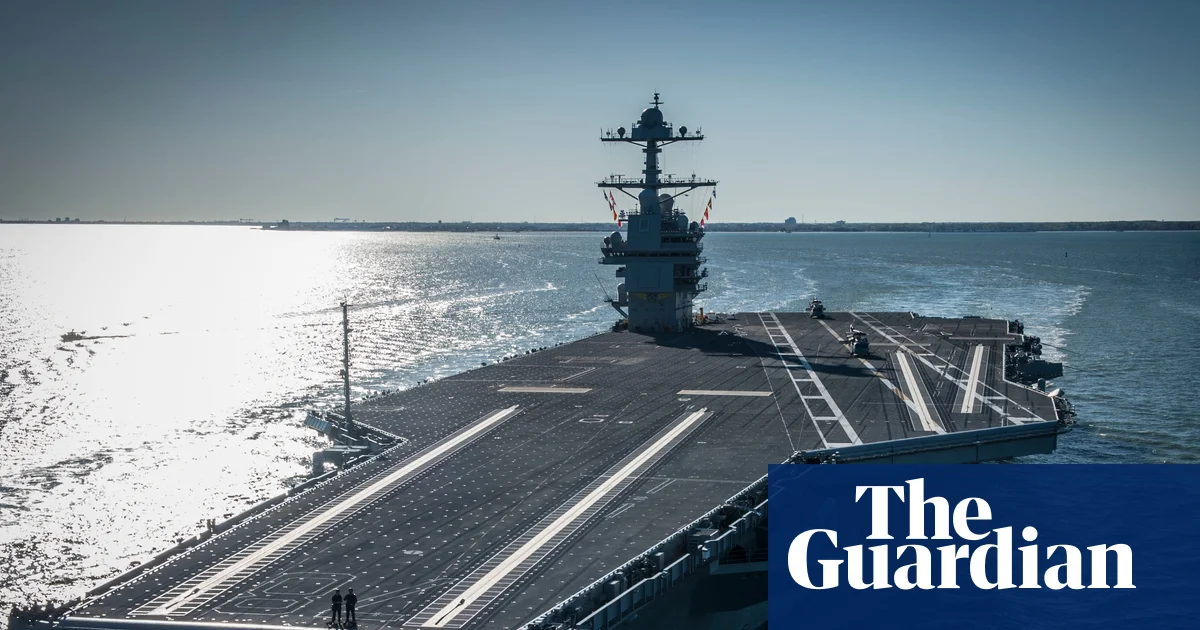
In a striking display of military posturing, the United States has ordered the deployment of the USS Gerald R. Ford, the world’s largest aircraft carrier, along with a contingent of supporting warships, to the volatile Middle East. Originating from the Caribbean Sea, this strategic move aims to escalate pressure on Iran amid ongoing negotiations concerning its nuclear and ballistic missile programs. With an expected transit time of approximately three weeks, the Ford’s arrival in the region signifies a clear signal of U.S. commitment to military strength and deterrence, especially following the recent repositioning of the USS Abraham Lincoln and indications of further escalation.

According to officials in Washington, President Donald Trump is contemplating the deployment of a second carrier strike group, reflecting heightened concerns over Iran’s resolve and regional influence. Despite previous diplomatic efforts—including indirect talks in Oman—stalled negotiations over Iran’s nuclear ambitions remain a flashpoint, threatening to destabilize an already fragile Middle East. Analysts assert that the U.S. move fundamentally shifts the geopolitical landscape, signaling a shift from diplomacy towards a display of military might, with significant ramifications for regional allies and adversaries alike. International institutions, such as the United Nations, watch with cautious vigilance as the potential for unintended escalation looms large.

Meanwhile, Iran remains a study in contradictory signals. While Tehran has expressed willingness to curb its nuclear enrichment in exchange for sanctions relief, it firmly rejects other demands, notably those aimed at limiting its ballistic missile program and proxy support for groups like Hezbollah. Such tensions have deepened fears of an impending confrontation, exacerbated by recent Israeli air strikes against Iranian targets and the Israeli government’s calls for a tougher stance. This complex web of negotiations and military posturing highlights the uncertain future of diplomatic solutions, as Iran’s internal turmoil—marked by recent brutal crackdowns—adds further layers of unpredictability.

In the broader context, the decision to reposition the Ford carrier underscores the transformative impact of recent U.S. policy shifts. Strategic analysts emphasize that this deployment is not merely about Iran but signifies a broader assertion of American resolve in protecting its interests and allies in a multipolar world. Historical perspectives, from military historians to geopolitical thinkers, warn that such displays of force, if mismanaged, could ignite a regional conflict with global consequences. As China and Russia observe from afar, this tumultuous chapter in international diplomacy threatens to redefine alliances, influence economic stability, and determine the future of global order.

Ultimately, as the US and Iran navigate these perilous waters, the weight of history hangs heavily, reminding humanity that the unfolding narrative of conflict and diplomacy will be written in the blood and resolve of generations to come. The coming weeks will reveal whether negotiations will bridge divides or if the region will face new, darker chapters wrought by misunderstandings and the relentless march of power.
UK’s top arms maker BAE halts ‘lifeline’ aircraft delivering aid to the world

BAE Systems’ Withdrawal from Humanitarian Support: A Catalyst in Global Power Dynamics

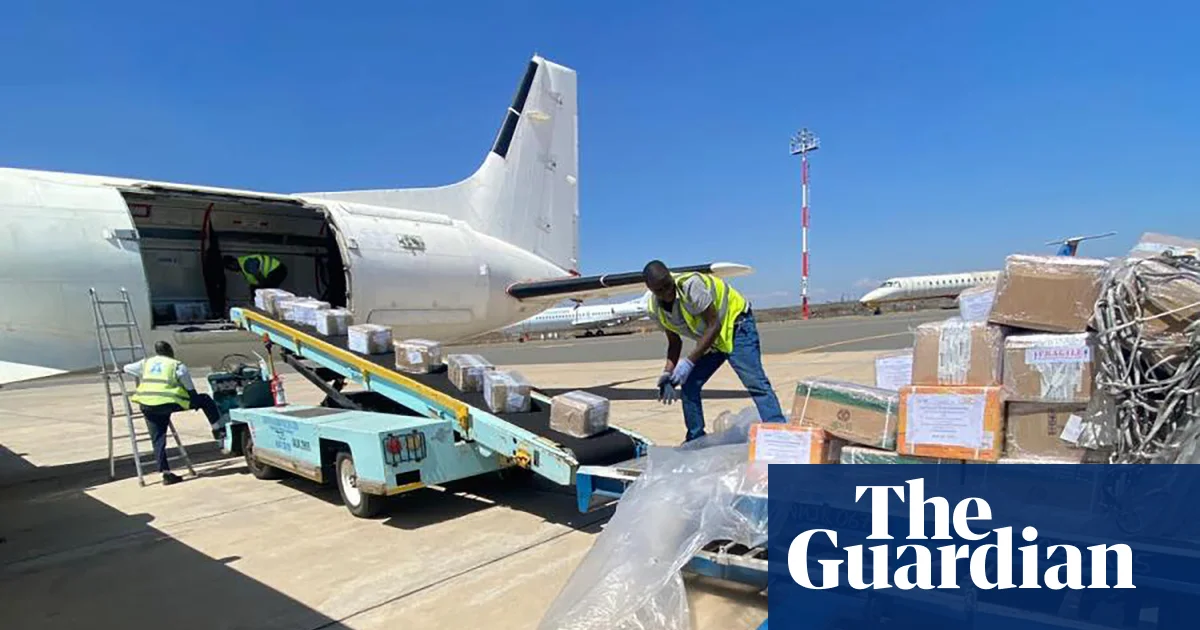
In a move that underscores the shifting priorities within Britain’s top defense contractor, BAE Systems has quietly ended its support for a fleet of aircraft crucial for delivering life-saving humanitarian aid across some of the world’s most fragile regions. The decision, announced amidst record profits exceeding £3 billion, appears driven by BAE’s strategic pivot to bolster its hand in the ongoing global arms race spurred by increased defense spending among NATO allies. This change not only exemplifies the seeping influence of geopolitical tensions into humanitarian operations but also signals a disturbing trend where military interests undermine aid efforts in crises-ridden nations.

Key destinations such as South Sudan, Somalia, and the Democratic Republic of Congo are already suffering from escalating humanitarian disasters, with millions facing famine and acute malnutrition. Recent reports from international agencies highlight that nearly 7.7 million people across South Sudan and over 27.7 million in the DRC are caught in a maelstrom of conflict, climate crisis, and rising food prices. Hundreds of thousands of vulnerable lives depend on aid delivered via aircraft with short airstrips in remote regions—an operation that BAE’s aircraft model was uniquely suited to support. Yet, the firm’s abrupt withdrawal of support has grounded these vital missions, breaking a vital lifeline for countless civilians and raising questions about the true priorities of Western military-industrial complexes.

  • The cancellation of humanitarian contracts, including a 10-year operation in the DRC and aid deliveries in Somalia, underscores a calculated shift towards defending commercial interests, with BAE Prime among the beneficiaries.
  • The voluntary surrender of the aircraft’s type certificate by BAE, which renders the aircraft effectively obsolete for commercial use, signifies a strategic move to cease support while limiting legal liabilities.
  • Legal contention has emerged, with EnComm Aviation, the last known operator of these aircraft, claiming that they were misled about the duration of BAE’s support commitments and now face catastrophic losses—highlighting a troubling dissonance between corporate promises and actions.

Analysts and historians warn that these developments mark a dangerous departure from the longstanding tradition of leveraging military technology not only for power projection but also for humanitarian purposes. According to reports from prominent think tanks, the strategic reorientation of defense firms like BAE towards increased arms sales amid burgeoning global instability risks amplifying conflicts rather than mitigating suffering. Organizations such as the World Food Programme have warned that aid disruptions could exacerbate crises, fueling unrest and displacement, with far-reaching geopolitical consequences for regional stability and international diplomacy.

As Britain and its allies continue to allocate billions toward military expansion, the true price may be paid by the most vulnerable populations on Earth. The historic moment we find ourselves in is a stark reminder of how the collision of economic interests and geopolitical strategy can reshape the landscape of global aid. With each aircraft grounded, each contract canceled, the weight of history hangs heavily—an unfolding chapter that urges vigilance. Humanity stands at a crossroads in a world where the decisions made in smoke-filled boardrooms may determine whether millions will survive or succumb to the shadows of neglect and conflict enduring into the unknown future.

Virgin’s Bold New Flight: Boeing 747 Prepares to Launch Rockets into Space

In recent years, space exploration has shifted from the realm of government-initiated missions to becoming an accessible frontier for innovative private companies. The United Kingdom, historically not a major player in space endeavors, is now making notable strides with the development of its first orbital spaceport at Newquay. This evolving landscape signals a day when space launches are not solely conducted from remote, government-controlled sites but can happen closer to home, transforming our perspective on leisure, economic growth, and personal impact.

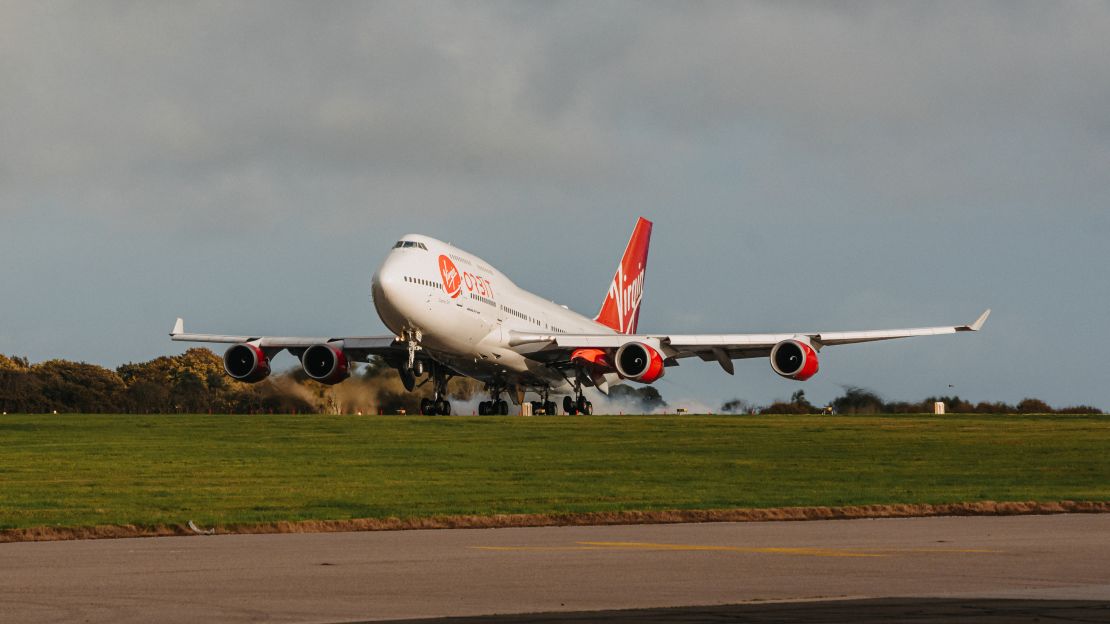
Central to this movement is Virgin Orbit, a company founded by Sir Richard Branson, which has pioneered the use of modified aircraft—most notably its aircraft Cosmic Girl—to launch small satellites into orbit. Reimagining the traditional ground-based launch system, Virgin Orbit employs a unique horizontal launch method, where the 747 aircraft carries the rocket to high altitude before release. This approach broadens the potential orbits and access points, offering a more flexible and cost-effective path into space. For young people inspired by the stars and technology, this sequence represents a monumental shift: space is now within reach, not just for scientists and astronauts but for entrepreneurs and everyday explorers alike.

Witnessing this revolution firsthand, locals near Newquay have had the chance to watch the spectacle of Cosmic Girl take off and return, marking a milestone for European space endeavors. As Virgin Orbit prepares to launch its first UK mission next month, the event stands as the first international launch from Europe in decades. The mission involves launching seven satellites, compact payloads that will orbit Earth, facilitating everything from weather monitoring to global communications. This development elevates the UK’s position in the future of global connectivity and _technology-driven innovation_, inspiring a new generation of engineers, scientists, and entrepreneurs to think beyond terrestrial limits.

Moreover, the infrastructural and technological groundwork laid at Spaceport Cornwall demonstrates that the future of space exploration is shaping right here on Earth, in vibrant communities eager to participate in the @newspace. Virgin Orbit’s recent rehearsal flights and ground operations showcase how public-private partnerships are revolutionizing access to space, making it more than just science fiction. Looking ahead, Virgin Orbit has plans to extend this horizontal launch model to countries such as Australia, Japan, Brazil, Poland, and the Republic of Korea. For the ambitious youth of today, this signals an expanding horizon—where borders become less relevant and innovative spirits define the new age of exploration and discovery.

As the journey into space accelerates, it’s vital to reflect on how these advancements impact personal health, leisure, and vision. Space technology fuels communications, weather forecasting, and even environmental monitoring—areas that directly influence our daily lives. For young explorers fueled by curiosity, the emerging space industry is not only about reaching new frontiers but also about learning how to shape a sustainable, connected future. The story of Cosmic Girl taking flight from Cornwall encapsulates this spirit—a testament to human ingenuity, resilience, and the unwavering desire to reach upward.

In the grand narrative of progress, the ongoing development of UK-based space launch capabilities invites each of us to embrace the possibilities. The narrative is no longer confined to distant stars or government agencies; it is happening here, in communities and workplaces, sparking a sense of pride and purpose. Like the seasoned pilot Matthew Stannard remarked, “It feels amazing to bring Cosmic Girl home to the UK”—a sentiment echoing across the industry. As we look to the sky, this evolving story reminds us that exploration is a personal journey—an adventure in innovation and hope, urging every young mind to dream beyond the horizon and realize that the future is waiting to be shaped by those brave enough to pursue it.

Social Media Auto Publish Powered By : XYZScripts.com



