Matox News

Truth Over Trends, always!

Airlines cut 13,000 flights in May as soaring jet fuel prices hit the industry

In a clear signal of shifting economic winds, airlines worldwide have pared back their flight capacities significantly, removing nearly two million seats from their schedules over the past month, according to data from Cirium. This contraction in capacity reflects broader trends of caution and adjustment amid persistent geopolitical tensions, inflationary pressures, and changing consumer behaviors. As the backbone of global commerce and tourism, the aviation industry’s pullback is more than just a setback for travelers—it’s a revealing indicator of underlying economic currents that threaten to reshape international markets.

Most notably, the United States and Europe have spearheaded this capacity reduction, with both regions experiencing sharp declines in flight availability. The U.S.—long regarded as the backbone of global airline growth—saw nearly

  • 1 million

seats removed, driven by rising fuel costs, labor shortages, and an ongoing reevaluation of post-pandemic travel demand. Meanwhile, Europe faces similar pressures, further exacerbated by the economic fallout of recent geopolitical conflicts in Eastern Europe. These reductions signal a cautious approach by airlines amid volatile fuel prices and a cautious consumer base wary of economic uncertainty.

The market impact of this capacity contraction extends beyond the aviation sector. The reductions pose risks to related industries such as tourism, manufacturing, and international trade. Investors are closely monitoring these developments, with some analysts warning that sustained capacity cuts could foreshadow a slowing of global economic growth. Economists at the World Bank and IMF suggest that continued reductions may dampen international commerce, foreshadowing a potential cooling-off period in the global economy. Conversely, some industry insiders argue this realignment might signal a more sustainable path forward, emphasizing efficiency over expansion in an era of geopolitical uncertainty.

The policy consequences of these trends are noteworthy. Governments in Europe and North America are now under increased pressure to address inflationary pressures that have driven operational costs skyward. Meanwhile, airline regulators are contemplating measures to stabilize the industry without risking further capacity losses that could hinder economic vitality. The reduction in airline services also raises critical questions about future air traffic management and sustainable transportation policies, as nations grapple with balancing economic recovery against environmental commitments.

Looking ahead, the continued contraction in global airline capacity highlights a turbulent yet transformative period in economic history. The pulse of nations beats strongly in response to these shifts, revealing a landscape where resilience and adaptability will define future power structures. As economic and geopolitical forces converge, the global economy is poised on the cusp of a new era—one where strategic recalibration will determine the trajectory of trade, influence, and economic dominance for years to come. In this epoch of flux, the aviation industry’s transformation epitomizes the relentless reshaping of the global stage, illustrating that even in contraction, the seeds of future strength are being sown.
Airlines Allowed to Cancel Flights Ahead of Time Due to Fuel Shortages under New Rules

As the global travel season approaches its peak, government ministers have announced strategic measures aimed at stabilizing fuel supplies in the Middle East, a critical hub for international aviation fuel. This move comes amid rising concerns over potential disruptions that could lead to last-minute flight cancellations, which not only cripple the travel industry but also threaten broader economic stability. By proactively addressing supply security, policymakers seek to fortify the market resilience of airlines and fuel distributors, while also safeguarding consumer confidence in the summer travel corridor.

In recent months, the oil and fuel markets have experienced heightened volatility, driven by geopolitical tensions and fluctuating demand. Such disruptions could be catastrophic for airlines, especially as economic forecasts indicate a summer rebound in international travel. Industry analysts from firms like Bloomberg Intelligence warn that a failure to secure reliable fuel supplies in key regions could result in significant financial losses and reputational damage for carriers that depend heavily on the stability of Middle East fuel transit routes. Moreover, the market impact extends beyond airlines; oil producers, refiners, and fuel logistics companies form a tightly interconnected web susceptible to shocks, emphasizing the importance of strategic stockpiling and supply diversification.

The policy consequences of this proactive stance include potential shifts in regional energy policy and increased diplomatic efforts to safeguard supply lines. Governments are considering incentivizing private sector investment in fuel infrastructure and stockpile expansion, which could, in turn, influence regulatory frameworks and international energy collaborations. This approach underscores a broader recognition: in an interconnected global economy, stability in fuel supply chains is not merely a logistical concern but a cornerstone of national economic security. As economist Dr. Laura Chen from the International Energy Agency notes, resilient energy frameworks are essential to withstand volatile geopolitical climates and sustain economic growth.

Looking ahead, the upcoming months will be critical. While efforts to prevent supply disruptions are commendable, risks remain from unexpected geopolitical escalations or unforeseen market shocks. The financial markets will continue monitoring developments closely, with investor sentiment hinging on the perceived stability of energy supplies. As the global economy pivots into what could be a pivotal decade of transformation, the capacity to ensure uninterrupted energy flows will define the strength of national economies and their leadership roles on the international stage. Ultimately, the pulse of this strategic initiative reflects the enduring resilience and adaptive power of the global economic stage—an engine propelling nations toward a future where stability and ambition walk hand in hand, shaping the next epoch of prosperity.

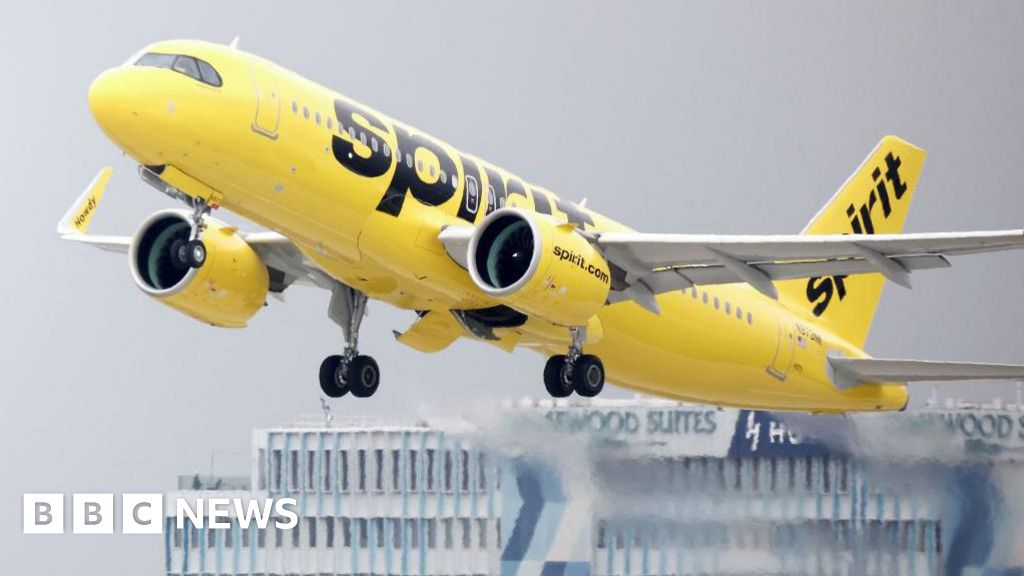
Spirit Airlines shutdown sparks fallout as passengers stranded—industry's blame game heats up
Spirit Airlines shutdown sparks fallout as passengers stranded—industry’s blame game heats up

The Sudden Collapse of Spirit Airlines: A Turning Point in American Aviation

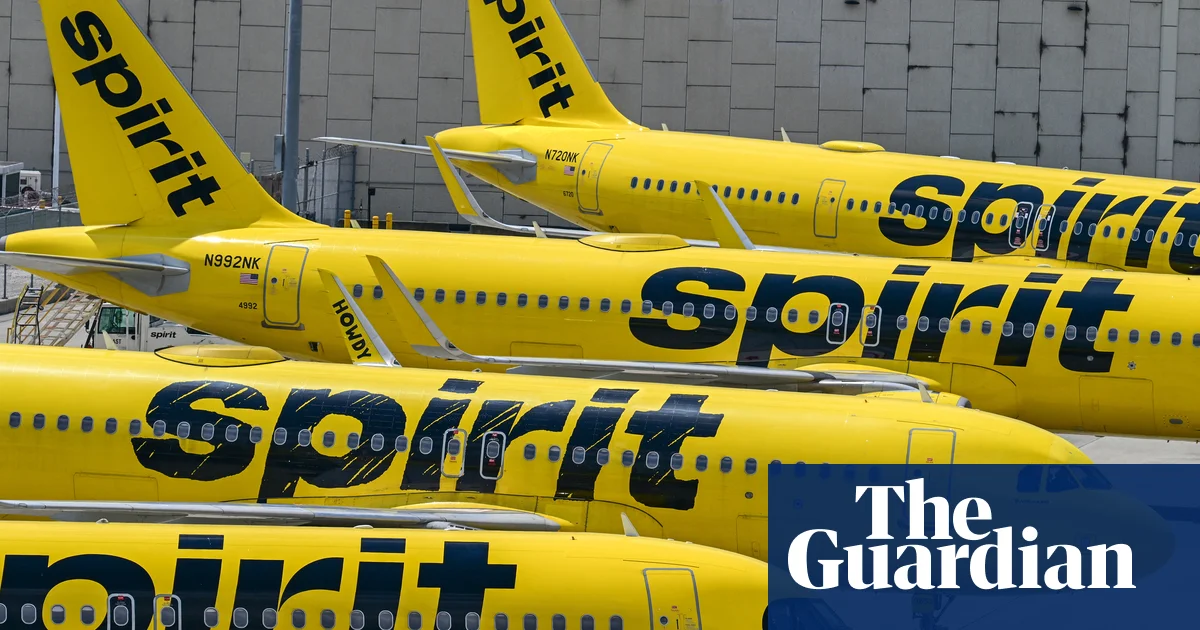
In a move that sent shockwaves through the aviation industry and ignited a fierce political debate, Spirit Airlines, a once-prominent low-cost carrier known for its bright yellow planes and budget-friendly fares, abruptly ceased all operations in early May 2026. After 34 years of serving travelers across the US, Latin America, and the Caribbean, the airline’s sudden shutdown left thousands of passengers stranded and thousands more facing the loss of affordable travel options. At the height of the chaos, the airline issued a stark warning: “If you have a flight scheduled with Spirit Airlines, don’t show up at the airport; there will be no one here to assist you,” signifying the end of an era for a company that had been a staple for cost-conscious travelers seeking to avoid the skyrocketing fares of legacy carriers.

The collapse of Spirit Airlines marks a pivotal moment in the global geopolitics of aviation, illustrating the unpredictable consequences of intertwined economic forces, regulatory decisions, and international conflicts. Analysts point to a confluence of factors that led to the airline’s downfall, notably the skyrocketing jet fuel prices driven by the ongoing war in Iran, which nearly doubled the cost of fuel—an essential component of airline operations. Federal and industry experts believe the company’s financial difficulties were exacerbated by a history of bankruptcy filings and their inability to secure liquidity in a climate of rising expenses. According to aerospace economist Dr. William Charles, such a confluence of economic pressures highlights the fragility of budget airlines operating in an increasingly volatile global economy, where geopolitical conflicts ripple through markets and threaten the survival of even the most agile competitors.

Adding fuel to the fire was the political tug-of-war over a proposed merger with JetBlue. The Biden administration, citing concerns over increased fares and reduced competition, blocked the $3.8 billion sale—a move that critics argue was a critical missed opportunity to rescue Spirit from collapse. Republican voices, led by figures like Thomas Massie, accused the federal government of interventionist overreach, claiming that the Biden administration’s actions—using agencies like the Department of Transportation and the DOJ—had directly contributed to Spirit’s demise. Such partisan debates underscore how decisions at the highest levels of government have materialized in tangible societal impacts: loss of jobs, diminished consumer choice, and the decay of affordable travel. This scenario reaffirmed the analysis of international observers who warn that geopolitical stability directly influences the health of industries like aviation, where fuel prices, regulatory frameworks, and international treaties shape operational realities.

As the dust settles on this chapter of American aviation history, the loss of Spirit Airlines stands as a stark reminder of how fragile economic and geopolitical stability truly is. The airline’s sudden disappearances from hubs such as LaGuardia Airport serve as an ominous portent for a sector increasingly vulnerable to external shocks. Historically, airlines have been seen as more than just carriers—they are economic barometers and symbols of national connectivity. Their collapse reflects broader societal shifts, exposing the weaknesses of regulatory overreach and highlighting how global conflicts can have ripple effects extending far beyond the battlefield. The coming days will determine whether this moment signals a new era of consolidation, government intervention, or a broader crisis of capitalism—yet the weight of history presses heavily on all who watch, for seldom do these stories end quietly, and the future remains unwritten, fraught with uncertainty and the promise of upheaval.

Spirit Airlines to shut down after rescue talks fall apart

US Airline Bailout Proposal Sparks Political and Economic Turmoil

In a dramatic turn of events, the United States government’s initial plan to acquire up to 90% of a major airline’s ownership was met with fierce opposition from across the political and financial spectrum. The proposal, aimed at rescuing a struggling airline amidst ongoing economic uncertainty, had envisioned the federal government effectively becoming the majority stakeholder, positioning itself as a key player in the airline’s future. However, this approach ignited controversy not only among Wall Street financiers but also within Capitol Hill, revealing the underlying tensions between government intervention and free-market principles that have long defined American economic policy.

Transportation Secretary Sean Duffy’s remark that such a rescue would amount to tossing “good money after bad” underscored the skepticism surrounding the plan, emphasizing concerns that government funds could ultimately prove futile or even detrimental. Analysts warn that such a move might set a dangerous precedent, undermining decades of economic doctrine advocating for minimal government interference in private enterprise. This stance found support among various industry stakeholders and political leaders, who voiced fears that a government-led takeover could distort market dynamics, stifle competition, or burden taxpayers with unsustainable liabilities.

Furthermore, the opposition was not confined to domestic elites. International institutions and foreign policymakers closely watched the unfolding debate, aware of the geopolitical implications of such a heavy-handed intervention. As the global economy remains fragile, international analysts warn that a precedent of federal control over a major airline could encourage similar actions elsewhere, inviting questions about sovereignty, free enterprise, and the balance of power between government and private sector players in shaping global commerce. These concerns are raised by experts at the International Monetary Fund and World Economic Forum, who caution that unpredictable government bailouts could induce instability in broader markets.

As the debate rages, historians and political pundits reflect on the broader significance of the proposed bailout. Some view it as a symptom of a deeper crisis—the erosion of individual economic freedoms and the retreat from an open, competitive market model. Others perceive it as a litmus test for the resilience of American capitalism amid ideological battles that question whether government should act as a safety net or a reckless actor risking long-term societal costs. These decisions are poised to leave a lasting mark—not just in economic charts, but in the very fabric of national sovereignty and societal trust.

In the end, the broader narrative remains unwritten. The unfolding drama over this airline bailout is more than a single policy dispute; it reflects the relentless tug-of-war between visionaries seeking government control and defenders of free enterprise. As history continues to unfold, one question looms large for the nations of the world: what is the true cost of risking core principles for the illusion of stability in times of chaos? The answer, as this chapter warns, may well determine whether the era of free markets survives the tide of governmental overreach or is forever reshaped by the imperatives of political expediency.

FAA greenlights new rule giving flight attendants more downtime — a win for crew wellness and fly crew freedom

Restoring Balance in the Skies: Flight Attendants’ Push for Better Rest

In a significant shift toward enhancing aircrew well-being and ensuring safer skies, federal aviation officials have announced a new regulation that mandates increased rest periods for flight attendants. The updated rules now require a 10-hour rest window between shifts, a notable increase from the previous nine-hour requirement. This change comes amidst growing concern over the intense fatigue and overwork faced by crew members, especially during a time when the aviation industry is rebounding from pandemic setbacks. As seasoned advocates like Sara Nelson, president of the Association of Flight Attendants-CWA, highlight, “It’s about time! As aviation’s first responders and last line of defense, it is critical that we are well rested and ready to perform our duties.” This statement underscores how crucial adequate rest is to both safety and operational efficiency, particularly in today’s fast-paced travel environment.

With increased demand following the easing of COVID-19 restrictions, flight crews have been under unprecedented pressure. Anecdotal reports describe crew members sprinting through airports after delays, trying to make tight connections—despite working shifts that stretch as long as 14 hours. Such demanding schedules, coupled with intense passenger interactions and the unpredictable nature of air travel, have only compounded fatigue levels and illness among crew members globally. The recent rule change is viewed in many circles as an overdue correction to an industry that has often prioritized efficiency over crew morale and safety. The new regulation, which was first approved by Congress in 2018 but delayed under the Trump administration, finally reflects a collective push from unions and safety advocates demanding regulatory reform.

Beyond the practical benefits for safety and health, this regulatory change resonates on a cultural level, emphasizing the importance of wellness and self-care in an industry often characterized by relentless schedules. As wellness experts like Dr. Andrew Weil and others argue, sustainable work habits—especially in high-stakes environments—are vital for professional longevity and personal health. The move also signals a broader shift in the modern lifestyle, where greater awareness of mental and physical well-being influences policy and corporate culture alike. For young professionals within the airline industry, the message is clear: safeguarding your health isn’t just about work-life balance anymore; it’s a fundamental component of your career resilience and overall quality of life.

  • Prioritize quality sleep during rest periods to rejuvenate both body and mind.
  • Stay informed and actively participate in union or industry discussions to advocate for better conditions.
  • Embrace wellness routines that include stretching, hydration, and mental decompression, especially after long shifts.

As aviation executives and unions navigate these new regulations, the hope is that a renewed focus on crew welfare will foster a more sustainable working environment. For the young, ambitious traveler and professional alike, this development reminds us that progress often begins with recognizing the importance of balance and self-care. The journey of a lifestyle is not merely about reaching destinations but about embracing the experiences that nourish us along the way. In a world that is increasingly driven by relentless progress and innovation, the steady pursuit of well-being becomes an inspiring testament to the resilience of the human spirit—a reminder that sometimes, the most courageous act is to prioritize oneself amid the demands of modern life.

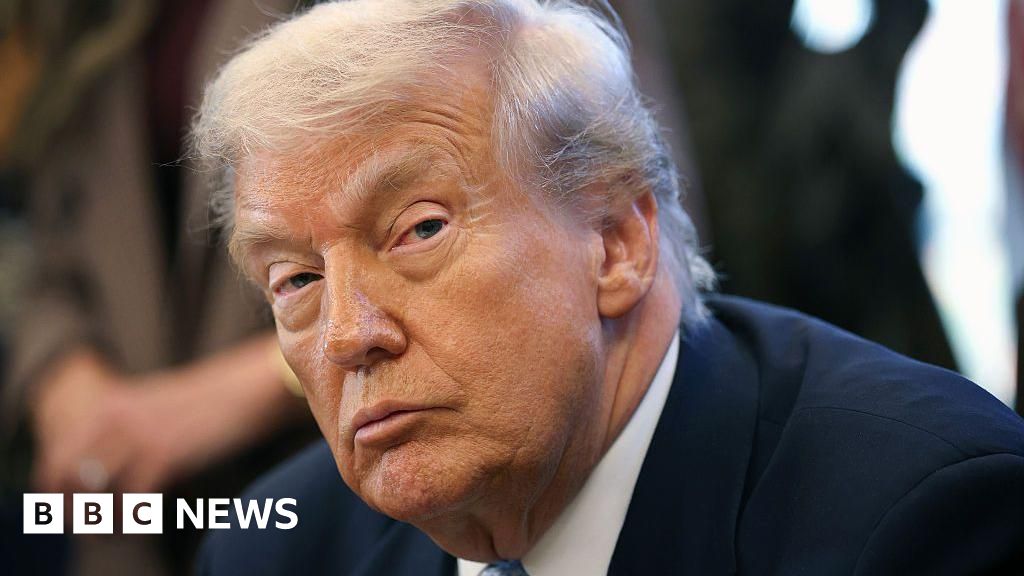
Trump urges airlines to treat Venezuelan airspace as closed territory

Intensifying US-Venezuela Conflict Signals a Turning Point in Latin American Stability

Amid escalating tensions in Venezuela, President Donald Trump has recently issued a provocative statement: he declared the airspace around the South American nation as “closed in its entirety.” While technically this edict has no legal standing—since the United States cannot unilaterally close foreign sovereign airspace—the implications are profound. The announcement aims to create travel and operational uncertainties for airlines, drug traffickers, and human traffickers alike—effectively escalating a diplomatic confrontation that many analysts warn could spiral into a regional crisis.

This rhetoric is unfolding amidst an active build-up of US military forces in the Caribbean, including the deployment of the USS Gerald Ford aircraft carrier and approximately 15,000 troops— the largest post-[Panama invasion](https://en.wikipedia.org/wiki/United_States_invasion_of_Panama)_ since 1989. The Biden administration insists these measures are geared toward combating drug trafficking, a perennial bogeyman used to justify interventionist policies. Meanwhile, President Nicolás Maduro dismisses US claims of drug trafficking and political subversion, framing the intensified military presence as an attempt at regime change. Historians and international observers note that US actions in Venezuela echo Cold War-era interventions, aiming to install geopolitical sway over the resource-rich nation, and threaten to destabilize the entire region.

Venezuela’s Response and International Ramifications

On Wednesday, Venezuela responded by banning six major international airlines, including Iberia, TAP Portugal, and Turkish Airlines, after they failed to meet flight resumption deadlines. The move reflects an assertion of sovereignty amid increased US pressure. The Federal Aviation Administration (FAA) also issued warnings about “heightened military activity,” further complicating regional stability. This dual escalation—military deployments and airspace threats—resonates with a broader international concern about a possible renewed geopolitical chessboard in Latin America. The confrontational stance risks a broader destabilization that could have ripple effects across neighboring countries, particularly those vulnerable to US influence and regional alliances.

Adding fuel to the fire, the US government has designated Venezuela’s alleged Cartel de los Soles as a foreign terrorist organization. The move grants US agencies enhanced powers to dismantle what it claims is Maduro’s financial backbone, effectively criminalizing much of Venezuela’s political and military leadership. Venezuela vehemently rejects the designation, asserting it’s a politically motivated label aimed at undermining the government. Many international law experts warn that policies branding entire organizations as terrorists are often used to justify aggressive military and economic actions, further polarizing the conflict.

Implications for Global and Regional Stability

The unfolding events in Venezuela have wide-reaching geopolitical impact, especially as major powers and regional actors navigate the delicate balance of influence and sovereignty. Some analysts see the US-led military build-up as a return to interventionist tactics reminiscent of Cold War geopolitics, with Latin America once again becoming a battleground for superpower interests. The Venezuelan crisis serves as a wake-up call—how the international community responds now will define regional stability for decades to come. The shadow of history looms large, reminding the world that the unfolding drama in Caracas may yet reshape the contours of sovereignty, freedom, and conflict—leaving a legacy where the true implications of today’s decisions will be etched indelibly into history’s fabric.

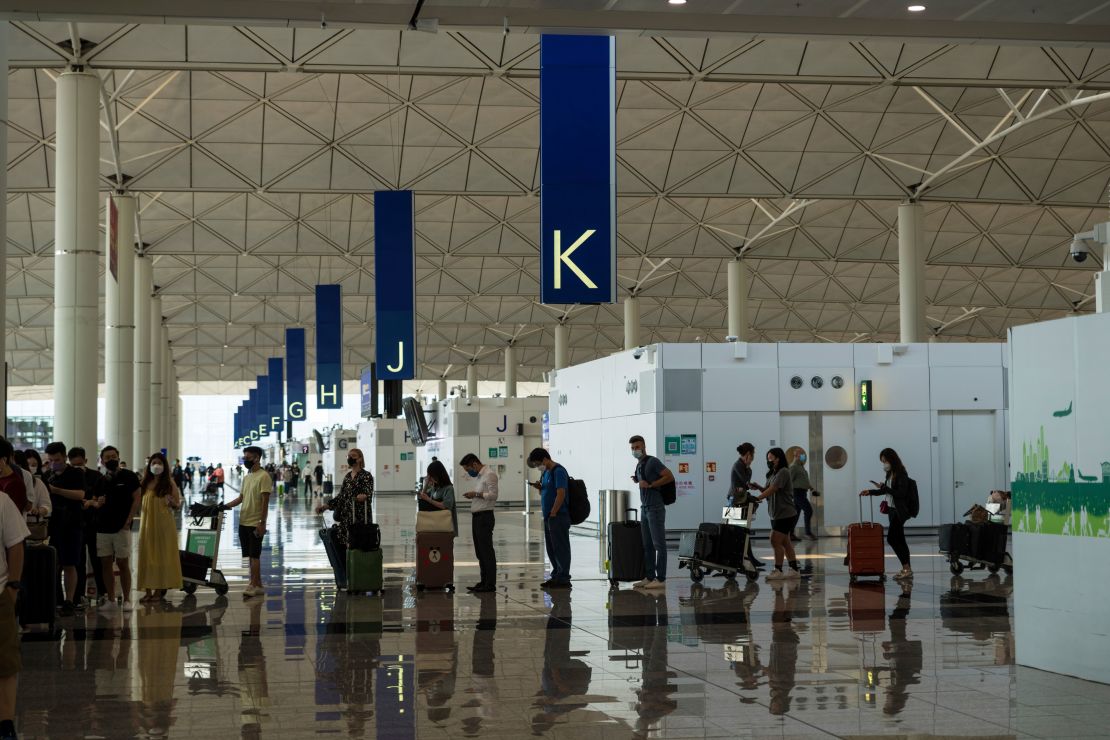
Hong Kong Scores Big with Free Airline Ticket Giveaway for Adventure-Ready Travelers

Once a bustling hub attracting over 56 million visitors annually, Hong Kong has faced unprecedented challenges in recent years due to stringent pandemic measures. The city’s economy, heavily reliant on global tourism, was hit hard when strict quarantine protocols and travel bans limited international arrivals. After over two years of virtual isolation, the narrative is shifting. Now, the city is making bold moves to re-engage the world, signaling a fresh chapter in its vibrant life and economic revival.

Hong Kong’s decision to abolish its longstanding hotel quarantine policy, along with a concerted push to lure back travelers, underscores a strategic shift toward normalcy. The landmark move was followed by an audacious campaign: the giveaway of half a million airline tickets, valued at approximately $254.8 million. Announced by the Hong Kong Airport Authority, this effort aims to inject liquidity into the aviation sector while reigniting global interest in the city. These tickets are allocated to both international visitors and residents alike, emphasizing Hong Kong’s commitment to reconnect with the world and restore its vibrancy. Such initiatives reflect a broader ethos echoed by travel and lifestyle experts—embracing the restorative power of travel not only fuels local economies but reinvigorates individual purpose and global fellowship.

While these efforts mark a significant step, the journey back to normalcy remains layered with challenges. Despite lifting quarantine measures, visitors must navigate complex entry requirements: vaccination certificates, multiple PCR tests, and mandatory self-monitoring periods. Hong Kong’s government remains cautious, understanding that safety and confidence are paramount in rebuilding trust. The city’s historic approach—initially requiring 21 days of quarantine, then reducing it to three—demonstrates a measured path towards reopening. Notably, the city’s flagship airline, *Cathay Pacific*, and agencies like Expedia report surges in travel demand, foreshadowing a promising rebound. These signs serve as a testament to the resilience ingrained in Hong Kong’s culture, a community that has continually adapted and persevered through adversity, channeling an unbreakable spirit of innovation and hope.

Living the Hong Kong Experience Today

  • Prepare early: Gather vaccination proofs and PCR test results to streamline your entry process.
  • Stay informed: Follow official sources for the latest updates on travel restrictions and guidelines.
  • Plan with flexibility: Expect some restrictions, like self-monitoring and limited dining options initially.

For those seeking inspiration in the wake of global upheavals, the evolving landscape of Hong Kong offers a compelling narrative of rebirth. It’s a story rooted in resilience, determination, and the relentless pursuit of a better future. As the city reopens its arms, it beckons worldwide explorers to rediscover its unique blend of tradition and modernity, to experience firsthand that even in the face of hardship, life finds a way to flourish. Embracing this journey isn’t just about travel; it’s about reclaiming a piece of ourselves—curious, adventurous, and inspired—ready to forge ahead into new horizons.

Air Safety Workers Feel the Heat as Shutdown Drags On

Cracks in the Sky: FAA Staffing Shortfalls and System Disruptions Signal Urgent Need for Technological Disruption

The recent turmoil within the United States’ aviation infrastructure has underscored a stark reality: our current air traffic management systems are ill-equipped to handle modern challenges. From the catastrophic January commercial airline incident, which marked the worst in decades, to widespread staffing shortfalls and technological glitches at key airports, industry analysts are sounding alarms. As agencies face cumulative cuts and operational setbacks, the imperative for disruptive innovation becomes undeniable. Leaders like Elon Musk and MIT researchers have long championed the transition from legacy systems to AI-driven automation, recognizing that technological stagnation risks jeopardizing safety and business efficiency.

The crisis extends beyond mere staffing issues; it exposes systemic vulnerabilities that threaten the future of aviation safety.

  • Short-term furloughs impacting 11,300 employees contribute to delays in system repairs and response times.
  • Recent technology failures at major hubs like Newark Airport highlight outdated infrastructure unable to cope with escalating demands.
  • Government shutdowns add political gridlock to operational chaos, creating a perfect storm for disruption.

Experts warn that without rapid adoption of next-gen solutions, the industry could face catastrophic failures reminiscent of early aviation tragedies but on a digital scale—a clear call for innovation-driven disruption. The business implications are profound: reduced efficiency, mounting costs, and increased safety risks could erode public trust, providing fertile ground for insurgent startups and tech giants aiming to redefine airspace management.

Forward-thinking companies, especially those pioneering artificial intelligence, automation, and decentralized control systems, stand at the forefront of this transformation. Industry analysts such as Gartner emphasize the potential of integrating AI and machine learning into ATC systems, promising safer and more efficient operations. Disruptors like Lilium and Volocopter push urban air mobility solutions that could redefine short-haul travel. Meanwhile, mainstream tech giants with aviation ambitions—think Google’s Wing and Tesla’s advances in battery tech—are positioning themselves as critical players in this new era. The opportunity to overhaul a decades-old infrastructure presents a window for entrepreneurs and investors to accelerate rapid development, but the clock is ticking. Without urgent intervention, the risk of falling further behind international competitors—and even risking safety—grows exponentially.

In conclusion, the ongoing difficulties within the U.S. air traffic control ecosystem serve as a resounding wake-up call. The convergence of technological obsolescence, resource scarcity, and political inertia demands a bold strategy rooted in innovation and disruption. Industry leaders, policymakers, and tech innovators must recognize that the future of safe, reliable air travel hinges on revolutionary change—before the skies become too congested or unsafe to manage conventionally. As Peter Thiel once warned, “The capture of key industries by bureaucracies breeds stagnation.” It is now imperative that industry actors seize this moment to forge a new frontier in aviation technology—one that guarantees safety, efficiency, and industry leadership in the decades to come. The urgency is clear: the sky is not the limit; it is the battleground for the next wave of technological supremacy.

Social Media Auto Publish Powered By : XYZScripts.com