
Matox News

Truth Over Trends, always!

Iran’s Ali Larijani Killed in Airstrike, Israel Claims—Youth Voice Sparks Tensions

In a brutal escalation of the ongoing conflict between Israel and Iran, reports reveal the assassination of a pivotal figure within Iran’s political and security hierarchy. According to Israeli officials, Ali Larijani, the former speaker of parliament and a key diplomatic negotiator, was targeted and killed in overnight strikes. If this claim proves true, it marks a historic moment — being the most senior Iranian figure to die since the death of Supreme Leader Ali Khamenei at the beginning of this brutal war. Larijani’s strategic importance stemmed from his role as a bridge between Iran’s military and political branches, and his death signals a decisive blow to Iran’s internal command structure at a time of profound crisis.

Adding to the tension, Israel’s defense minister, Israel Katz, announced the killing of Gholamreza Soleimani, commander of the Basij paramilitary force, alongside other senior figures. These targeted killings echo a campaign that appears designed to dismantle Iran’s leadership from within, undermining regime resilience and further complicating diplomatic efforts. Analysts warn that such targeted assassinations could intensify Iran’s resolve, potentially plunging the region into an even deeper abyss of violence. The international community, including organizations like the UN, has expressed concern over the legality and morality of these operations, with some regional allies calling Israel’s actions a violation of international law. Nevertheless, Israel claims these actions are a necessary response to Iran’s ongoing aggression and its role in arming proxy groups across the Middle East.

Western leaders, especially former US President Donald Trump, have seized upon these developments, asserting that the deaths will cripple Iran’s ability to wage war. Trump’s statements hint at a strategic hope that removing Iran’s top leadership will deliver a decisive blow to Tehran’s war efforts and perhaps herald a path toward regime change. However, regional and global security analysts caution that removing high-ranking officials often causes power vacuums, leading to unpredictable and potentially more destructive conflicts. Nevertheless, these covert and overt strikes demonstrate the extent of Israel’s intelligence capabilities and the US’s near-unilateral control over Iranian airspace, giving them a unique advantage in shaping the battlefield long before ground troops move.

The deaths of Larijani and others—if verified—will have a profound geopolitical impact. Iran’s leadership has long been characterized by a mix of pragmatists and hardliners, with Larijani traditionally seen as a moderating influence capable of diplomacy. His recent shift to a more hardened stance following US and Israeli strikes suggests a potential push toward escalating conflict rather than de-escalation. Furthermore, his role as a key nuclear negotiator signaled Iran’s efforts to engage with Western powers, but the current targeting indicates that diplomatic pathways are rapidly closing. The ripple effects will likely influence global energy security, with the Strait of Hormuz remaining largely shut or contested, threatening a surge in oil prices and destabilization in global markets.

This chapter in history is still being written, and the weight of the past looms large as recent hours underscore the catastrophic potential of this conflict. With Iranian leaders calling for revenge and Israel’s government resolute in its military campaign, the danger of escalation remains acute. As historians and international strategists watch this unfolding tragedy, one thing is unmistakably clear: the path of war once initiated leaves a trail of chaos, transforming the sands of the Middle East into the battleground of a new Cold War. The world enters a tense new era where every strike, every death, and every decision could set into motion a chain of events that will determine the future stability of the region—and, perhaps, the world itself.
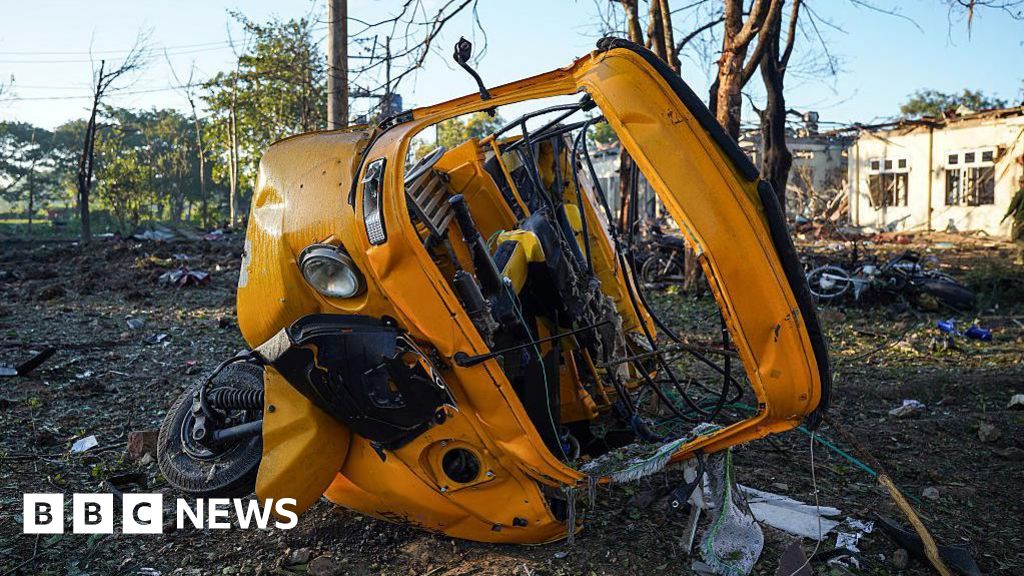
Over 30 killed as military airstrike targets hospital—urgent questions remain

In a troubling escalation of Myanmar’s ongoing civil conflict, deadly air strikes have once again shattered the fragile veneer of stability in the country. Reports confirm that at least 34 civilians, including patients at a hospital in Mrauk-U, were killed when the military regime launched an indiscriminate attack—shocking the international community and underscoring the brutal realities of this protracted conflict. These strikes are emblematic of the regime’s aggressive pushback against ethnic militias, notably the Arakan Army, which has fiercely resisted the military’s attempt to reassert control over contested regions in Rakhine state. With the country’s first election since the February 2021 coup looming on December 28, the military’s escalation points to a deeper struggle over sovereignty, legitimacy, and control.

This episode in Myanmar’s tumultuous political landscape demonstrates the profound geopolitical impact of external influence. The military’s recent procurement of advanced technology and weaponry from Russia and China has significantly shifted the battlefield dynamics, enabling rapid territorial gains through relentless airstrikes and heavy bombardments. These developments have alarmed analysts and international entities like the United Nations, with UN human rights chief Tom Andrews describing the upcoming elections as a “sham,” designed to legitimize a fundamentally illegitimate regime. The military’s tactics of targeting civilian infrastructure, including hospitals and religious sites, serve to defy international condemnation and deepen the humanitarian crisis. As civil liberties deteriorate—a crackdown that has already led to tens of thousands of arrests—the regime’s actions threaten to plunge Myanmar into a new era of violence and despair.

Meanwhile, opposition groups, ethnic militias, and political dissidents have vowed to boycott the elections in protest against what they see as a rigged process designed to entrench military power. Incidents such as the arrest of a candidate from a central Myanmar region and the detention of activists reveal a government intent on silencing dissent. These measures reflect a broader pattern of repression that has become a defining feature of Myanmar’s internal struggles, with rights groups warning that the military regime is consolidating authority through sheer force. The international community’s inability to intervene decisively has left a power vacuum, allowing the junta to conduct its brutal campaign under a cloak of legitimacy—an uneasy, dangerous compromise that may only embolden the regime.

As the world watches Myanmar’s tragedy unfold, history warns us of the peril that comes with turning a blind eye to tyranny. With each bomb dropped and every soldier deployed, the nation drifts further from peace and into the abyss of chaos. The decisions made in the coming weeks will shape Myanmar’s future—either as a sovereign nation fighting for survival or as a fractured state shackled beneath the heel of militarism. In this moment of profound upheaval, the weight of history presses down on every stakeholder, and the story of Myanmar hangs delicately in the balance—its destiny still uncertain, its struggles echoing across borders as a stark reminder of the cost of unchecked power.

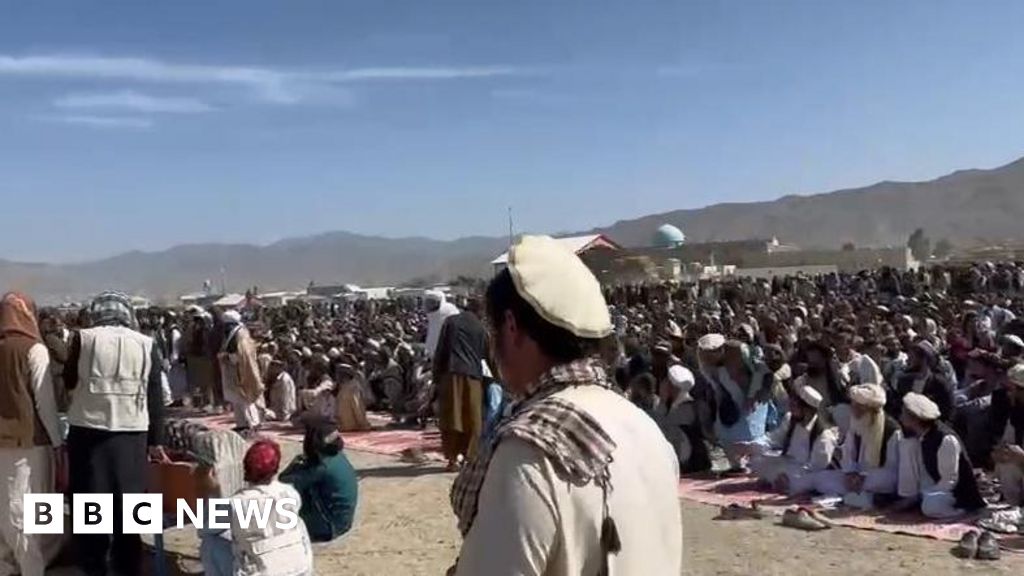
Afghanistan Withdraws from Cricket Series in Protest Over Pakistan Airstrike Killings

International Tensions Reach Boiling Point as Afghanistan Cuts Ties in Sport and Peace Talks Show Fragility

The international community faces a precarious moment marked by escalating violence and fragile diplomacy between Afghanistan and Pakistan. In a dramatic display of national grief, Afghanistan’s cricketing authorities have announced their withdrawal from a tri-nation T20 series scheduled for November, after three young Afghan cricketers were tragically killed in an air strike. The attack, described by Afghanistan’s Cricket Board as targeted and carried out by Pakistan’s regime, underscores the deeply intertwined nature of regional conflict and cultural identity.

This incident not only devastates Afghanistan’s burgeoning sports scene but also highlights the profound impact of military conflicts on societal cohesion. As noted by international analysts, the deaths of Kabeer Agha, Sibghatullah, and Haroon—who did not even represent the national team—are emblematic of how conflict permeates every facet of life, from sports to national morale. The International Cricket Council expressed deep sadness and condemned the violence, framing it as a tragic loss for the entire cricketing family. Yet, beyond the sporting arena, the violence has broader geopolitical implications, threatening the stability of a region already scarred by decades of conflict.

Amid these tragic events, efforts are underway to forge some semblance of peace through diplomatic channels. A temporary truce has been announced, extending for 48 hours to facilitate negotiations in Qatar, as Afghan and Pakistani delegations meet to address border tensions and cross-border terrorism. Former Afghan President Hamid Karzai called for reconsideration of Pakistan’s policies, urging a move toward civil and cooperative relations—an appeal echoed by regional observers who see the current approach as a cycle of provocations and reprisals. However, Pakistan’s official stance remains defensive, with Defense Minister Khawaja Asif emphasizing ongoing efforts to curb militant activities, claiming that recent strikes targeted militants and not civilians.

This fragile diplomacy comes at a crucial moment when Islamabad’s claims of counterterrorism efforts clash with local reports of civilian casualties, fueling mutual accusations. The situation on the border remains tense, with casualties reported on both sides, further complicating prospects for peace. Historians and security experts warn that unresolved border disputes and cross-border militancy threaten to unravel hard-won diplomatic advances, risking another cycle of violence with profound regional and global repercussions. As international powers watch nervously, the region’s trajectory hangs in a delicate balance, where each decision could either pave the way for reconciliation or thrust the region into renewed chaos.

As the shadows of war lengthen across this borderland, the voices of youth and hope within Afghanistan and Pakistan seem drowned out by the relentless echo of violence. The deaths of promising cricketers symbolize far more than a tragic loss—they are a stark reminder of how war’s destructive hand reaches into every corner of society, dismantling dreams and futures. As historians speculate on the unfolding chapters of history, the weight of tension presses heavily on the shoulders of nations eager for peace but unable to escape their turbulent past. The world watches as this fragile peace hangs by a thread, its next move potentially sealing the fate of an entire region, where the echoes of conflict threaten to drown out the possibility of coexistence—leaving history still in the making, with the future uncertain and the stakes higher than ever.

Social Media Auto Publish Powered By : XYZScripts.com



