Matox News

Truth Over Trends, always!

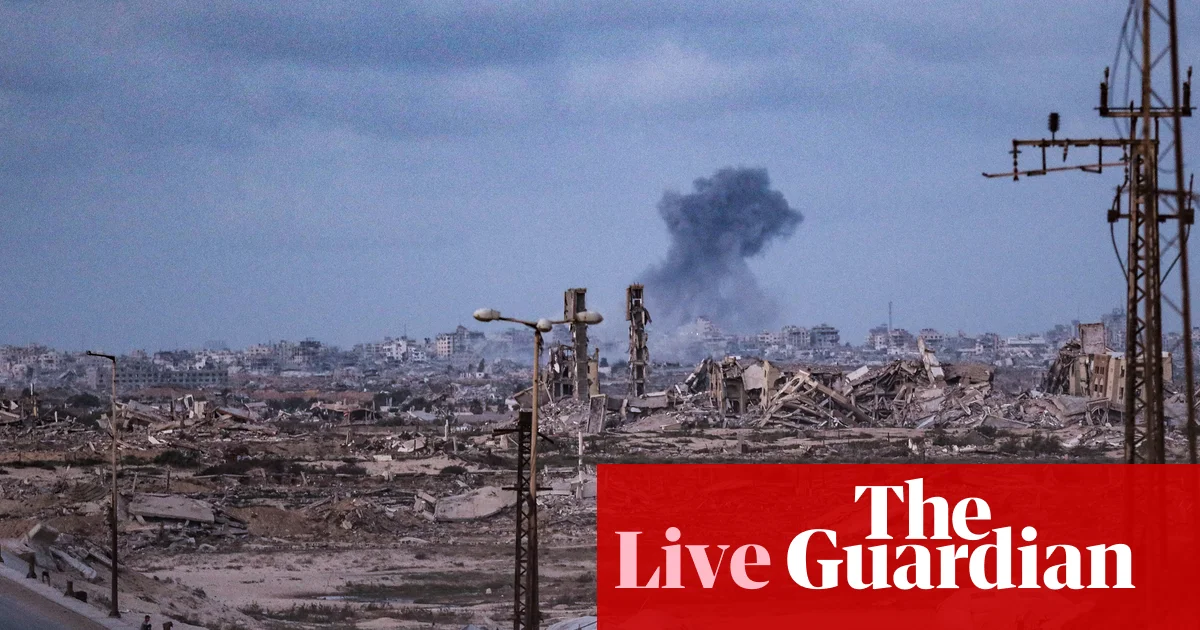
Israeli Airstrikes Kill 21 in Gaza as Crossings at Rafah Stall, Palestinian Officials Warn

Intensified Violence and Political Stalemates in Gaza Signal Deepening Regional Instability

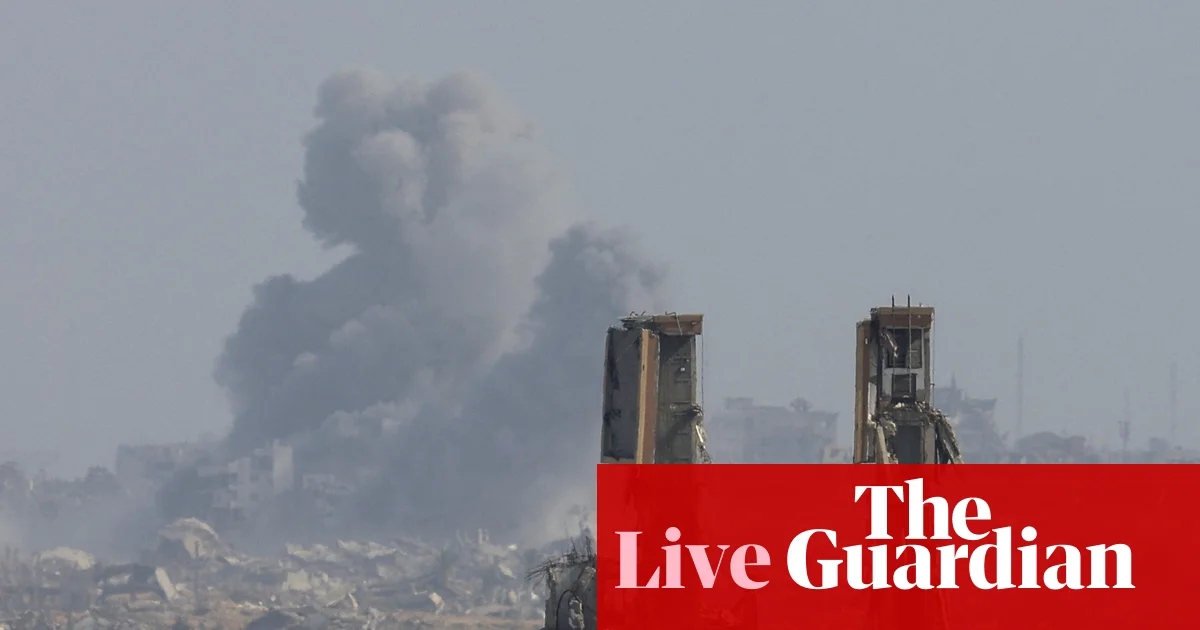
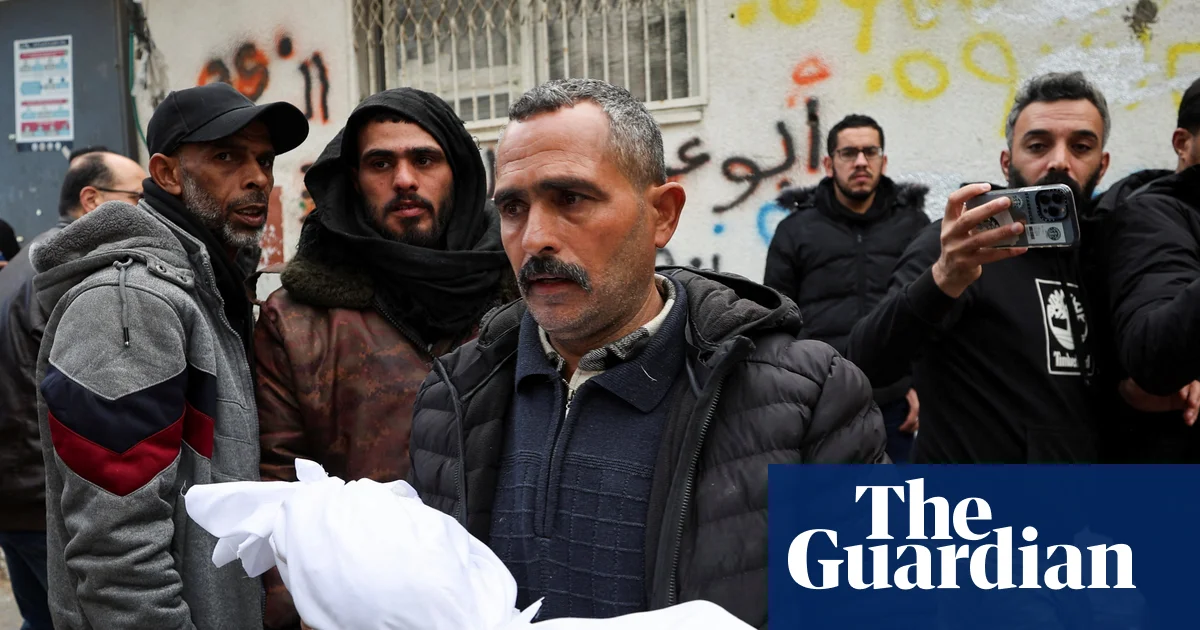
The recent surge of Israeli military operations in Gaza has again highlighted the fragile state of peace in one of the most volatile regions of the world. According to reports, Israeli tank shelling and airstrikes have resulted in at least 21 fatalities, including children and women, underscoring the devastating human toll of ongoing hostilities. In a tragic sequence of events, even medical personnel responding to initial casualties were killed by subsequent strikes, exemplifying the relentless brutality faced by civilians caught in the crossfire. These strikes targeted Gaza City and Khan Younis after an alleged attack on Israeli soldiers by Palestinian gunmen, prompting Israel to justify its defensive actions. Historians and analysts note that these incidents reflect a pattern of escalating violence that significantly complicates diplomatic efforts to establish sustainable peace, especially as the ceasefire remains fragile and frequently violated.

The geopolitical impact of these hostilities extends beyond the immediate borderlands. Israel claims that its military operations are justified, but the continued civilian casualties and destruction of infrastructure in Gaza intensify international concerns regarding human rights and stability. Gaza’s health system is under enormous strain; reports suggest that over 556 Palestinians have been killed since a prior ceasefire—most civilians—while Israeli casualties remain comparatively low. The international community, including human rights groups and UN agencies, warns that the cycle of violence risks igniting broader regional instability. As the United States and European nations call for de-escalation, critics argue that such calls ignore the deeper geopolitical issues—namely, the unresolved status of Gaza’s governance, the Israeli occupation, and the disarmament of Hamas—whose future remains uncertain amid persistent conflict.

Meanwhile, amid the ongoing violence, a crucial element of the ceasefire—the Rafah border crossing—has faced renewed closures, impeding vital humanitarian aid and medical evacuations for Gaza’s besieged population. Although the crossing partly reopened earlier, Israel has halted all crossings citing security concerns. Reports from sources in Egypt indicate ongoing diplomatic efforts to reopen Rafah; however, the decision underscores the deep mistrust and strategic calculations that continue to undermine peace initiatives. The World Health Organization and Egyptian officials have expressed frustration over the delays, which threaten to exacerbate the humanitarian crisis. As Gaza’s hospitals report waiting patients unable to cross, analysts warn that such restrictions may fuel further resentment and radicalization, making lasting peace even more elusive.

Specialists and regional commentators note that the October ceasefire, brokered under the auspices of U.S. diplomacy and the Trump administration’s plan, has yet to translate into substantive political progress. Key issues—namely the withdrawal of Israeli forces from Gaza’s occupied regions and the disarmament of Hamas—remain unresolved. As violence continues to erupt daily, critics argue these unresolved matters threaten to unravel the fragile peace framework, possibly plunging the region into broader conflict. Historian Robert Kaplan warns that without decisive political action, Gaza is set on a perilous path toward further devastation, its residents condemned to an endless cycle of suffering and strife.

As the conflict spills into another day of violence, the weight of history presses down heavily. The world watches as this small strip of land becomes a crucible where the fates of nations hang in delicate balance. Will diplomacy prevail, or will the lines of conflict deepen into a new and possibly irreparable chapter? The story of Gaza is still being written—its future uncertain, its lessons profound—and the world’s response may ultimately shape the course of history. The echoes of this crisis remind us that beneath the surface of geopolitics lie human beings enduring the consequences of decisions made by global powers, forever etched in the annals of history.
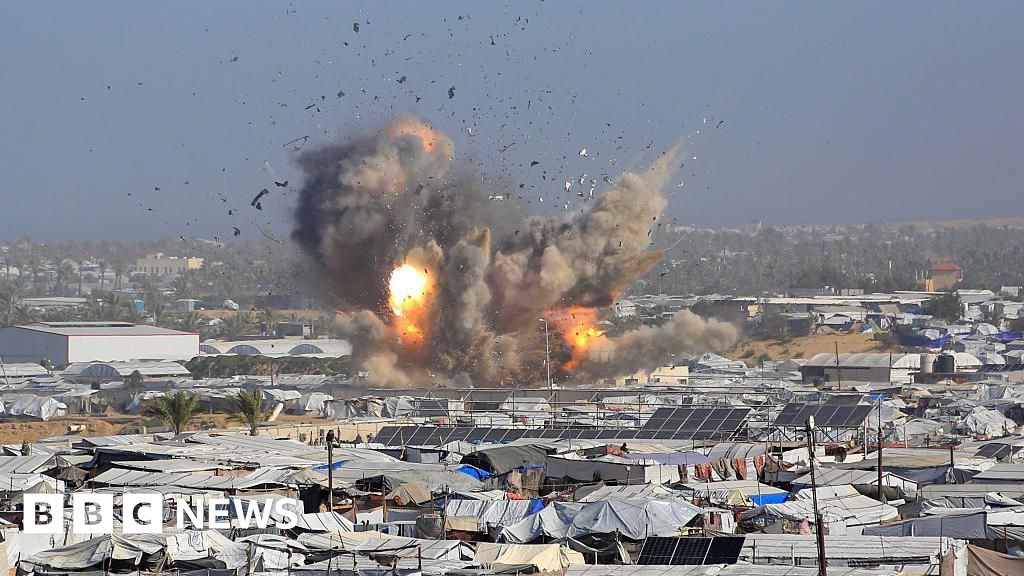
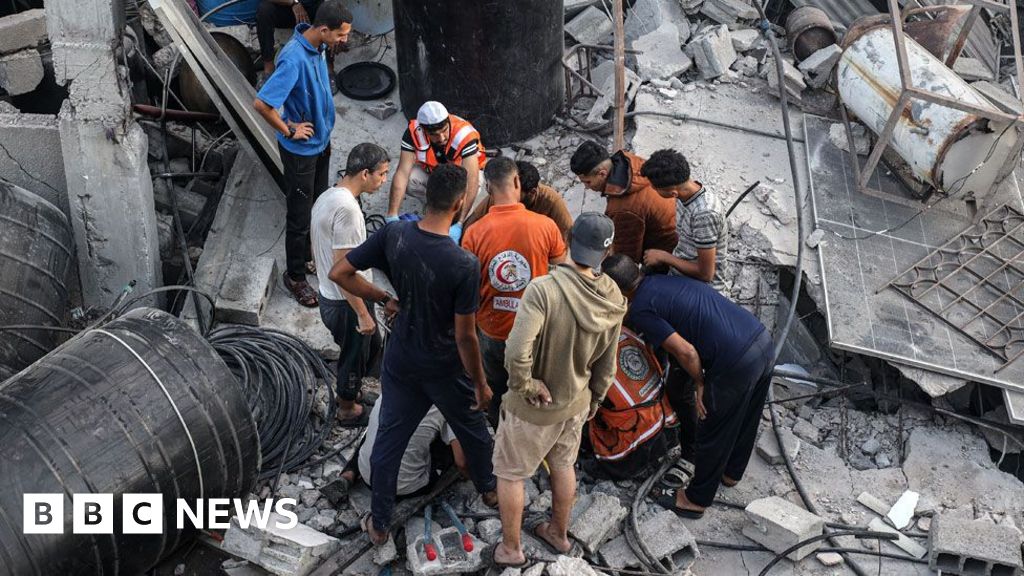
Israeli Airstrikes Smash Gaza, Over 32 Palestinians Reported Killed

In a development that underscores the fragile and volatile nature of Middle Eastern diplomacy, Israel’s military confirmed a series of recent strikes amidst a fragile ceasefire with Hamas. This escalation occurs despite both parties publicly accusing each other of violating the ceasefire agreement, highlighting the ongoing risks of renewed conflict in a region already scarred by decades of instability. The timing of these strikes has raised alarms among global observers who watch the situation with growing concern about potential escalation into broader regional hostilities.

The recent surge in violence occurs at a critical juncture where international mediators, including Egypt and the United Nations, have been exerting diplomatic pressure to solidify a lasting peace. However, analysts from institutions like the Brookings Institution and Chatham House emphasize that the underlying issues—territorial disputes, political divisions, and economic hardships—remain unresolved, making peace fragile and susceptible to breakdown. The ceasefire was initially brokered as a step toward de-escalation, but the continuation of hostilities signals the deep-rooted tensions that continue to threaten regional stability.

The geopolitical impact of these developments extends far beyond the borders of Israel and Palestine. Countries such as Iran, which backs militant groups like Hamas, are closely observing the situation, with many analysts concerned that a renewal of conflicts could ignite wider regional confrontations involving Lebanon and Syria. Additionally, the United States and Russia remain engaged behind the scenes, balancing their strategic interests in the region amidst these flashpoints. The International Crisis Group warns that unresolved conflicts threaten to unravel fragile alliances, creating a geopolitical tinderbox that could ignite broader conflicts.

Historian and Middle Eastern expert Dr. Laura Jensen points out that, “Contemporary conflicts in the region are less about immediate territorial disputes and more about the persistence of identity, ideology, and power dynamics.” She warns that a failure to address the root causes could lead to a cycle of violence that might last generations. International organizations like the United Nations continue to call for restraint, but critics argue that diplomatic efforts often fall short of addressing the structural issues at root. As hostilities flare and peace remains precarious, the world faces a stark reminder of how thin the veneer of stability truly is in such a turbulent sea of history.

As the dust settles after recent military actions, the future of this embattled region hangs in the balance. The conflicting narratives of victory, victimhood, and survival persist, tangled in a complex web of history and politics that shapes the destiny of millions. With each new escalation, the international community is reminded that the choices made today will echo through decades to come. In this unfolding story of conflict and diplomacy, history’s relentless march continues—a powerful reminder that, in the world of geopolitics, peace is often just one misstep away from chaos.

Israeli Airstrikes in Gaza Kill 104 Amid Hamas's Assault on Soldier
Israeli Airstrikes in Gaza Kill 104 Amid Hamas’s Assault on Soldier

Geopolitical Tensions Escalate in Gaza: A Turning Point for Middle East Stability

The recent wave of intensified Israeli military strikes in Gaza underscores a critical juncture in the ongoing Middle Eastern conflict, with far-reaching geopolitical implications that could reshape regional alliances and global diplomacy. According to Gaza’s Hamas-run health ministry, at least 104 Palestinians have been killed in just one night of Israeli airstrikes, targeting homes, schools, and vital infrastructure across Gaza City, Beit Lahia, Khan Younis, and surrounding areas. Witnesses report seeing “pillars of fire and smoke” rising into the air as explosions ripple through densely populated neighborhoods, highlighting the devastating human toll of this renewed violence. Analysts warn that such escalation risks igniting a broader regional conflagration, drawing in neighboring countries and international superpowers into a dangerous cycle of retaliation and hardened positions.

The Israeli Defense Forces (IDF) claims its strikes are retaliation, targeting “dozens of terror targets and terrorists,” including proclaimed battalion commanders. Yet, the distinction between military objectives and civilian casualties has become increasingly blurred. The death toll includes children, women, and innocent civilians caught in the crossfire — a tragic reflection of the heightened tensions. Israeli Prime Minister Benjamin Netanyahu has ordered a “forceful response,” accusing Hamas of breaching ceasefire terms and endangering regional stability. This decision to escalate military operations has been met with condemnation and concern from international observers, including the United Nations, which warns of a possible humanitarian catastrophe if tearing further into Gaza’s densely populated enclave continues unchecked. Furthermore, the death of an Israeli reservist soldier in a cross-border attack has served as a stark reminder that the fragile ceasefire, brokered by the US, Egypt, Qatar, and Turkey, remains perilously fragile. The unfolding developments suggest that the potential for a return to full-scale hostilities remains dangerously high, threatening to undo over a month of diplomatic attempts at stability.

Adding to the complexity, both sides have accused each other of violating the ceasefire deal. Hamas denies involvement in the attack that resulted in Israeli casualties, asserting their commitment to the peace agreement and condemning Israeli “fascist” bombings. Conversely, Israel alleges Hamas has staged a “fake recovery” of bodies to manipulate perceptions and stall negotiations. The International Committee of the Red Cross (ICRC) condemned these staged activities, emphasizing their role as neutral intermediaries and warning that such falsehoods undermine crucial progress. This fragile trust, once considered a cornerstone for the peace process, now teeters on the brink of collapse, with families anxiously awaiting news of loved ones while the specter of full-scale war looms larger.

The recent developments also shed light on the broader international response. President Donald Trump, on board Air Force One, reiterated that “nothing” would jeopardize the ceasefire and urged Israel to “hit back” when necessary. His comments reflect a pattern of cautious engagement from the US, which continues to walk a tightrope between supporting Israel’s security and averting a wider conflict that could destabilize the entire Middle East. Meanwhile, skepticism remains among experts and historians about the long-term efficacy of current diplomatic efforts, with many warning that without a comprehensive resolution addressing underlying grievances, this cycle of violence could escalate into a regional crisis with unpredictable consequences. Analysts like Prof. Michael Oren caution that the current scenario, marked by stubborn denial and layered accusations, risks leaving behind a scorched landscape of broken promises and lost lives — a fallout for which entire societies will bear the scars for generations.

As the dust settles over Gaza, and the world watches with bated breath, the deepening conflict acts as a stark reminder that history continues to be written in moments of crisis. The choices made today—whether through diplomacy or destruction—will resonate across decades, shaping the contours of peace or war in the Middle East. In this relentless tide of violence and diplomacy, the question remains: will the pursuit of fleeting stability overshadow the urgent need for a just and lasting peace, or will the events of today be remembered as the beginning of a darker chapter in human history?

Gaza Ceasefire Talks Under Way as Israeli Airstrikes Persist Amid Egypt Negotiations

Gaza Conflict and the Shifting Geopolitical Landscape: A New Chapter Unfolds

The ongoing crisis in Gaza remains a defining moment for international geopolitics. As Israel continues its airstrikes, the diplomatic landscape shifts toward fragile negotiations titled to reshape the Middle East. The recent escalation, marked by relentless Israeli bombardments in Gaza, has seen the death toll rise, with Palestinian news agencies-reporting at least 24 fatalities within 24 hours, and several others wounded. Despite international pleas—such as from U.S. Secretary of State Marco Rubio urging a halt to military actions to facilitate hostage negotiations—conflict persists with devastating consequences for civilians.

This crisis is not isolated; it is a theater in a complex chess game involving global powers. The US and Egypt are spearheading talks, with the announced indirect negotiations aiming at a ceasefire. These diplomatic efforts are a critical juncture in Middle Eastern history, with analysts warning that the decisions made now will resonate for generations. The involvement of Egyptian President Abdel Fattah al-Sisi, who praised Donald Trump’s proposed peace plan, signifies the shifting alliances. Al-Sisi’s remarks—describing Trump’s initiative as “seeking a ceasefire after years of war, genocide, and suffering”—highlight a rare moment of regional consensus on the potential for peace, albeit fragile and fraught with the specter of wider escalation.

The Trump 20-Point Peace Plan: A Controversial Blueprint for Gaza

  • The plan envisions Gaza as “a de-radicalized terror-free zone” that does not threaten its neighboring states, a stark deviation from the past visions of occupation or annexation.
  • It proposes that Gaza’s population could remain in situ, with those wishing to leave permitted to do so, thus avoiding mass displacement—a contentious point among various political factions.
  • Once hostages—expected to include both living and deceased—are released, the plan advocates the granting of amnesty for Hamas members willing to accept peaceful co-existence, renounce weapons, and disarm—an approach that has drawn both cautious optimism and fierce criticism.
  • Notably, the plan leaves unresolved the future of Palestinian statehood, instead emphasizing “interfaith dialogue” to foster tolerance.

While some, including Israeli Prime Minister Benjamin Netanyahu, have accepted the framework, skeptics warn that the plan’s exclusions—particularly its failure to address Palestinian sovereignty—may undermine its long-term viability. Internationally, voices from analysts such as Kenneth Roth, former head of Human Rights Watch, caution that procedural agreements in such volatile contexts may serve as mere ceasefire placeholders rather than pathways to lasting peace. Meanwhile, opponents argue that “giving a blank check” to Israeli military actions cedes ground to hardline factions seeking maximal territory or dominance.

Global Implications and the Price of Hesitation

The eastward movement of diplomatic efforts underscores a broader geopolitical shift. Countries like Qatar and Egypt, traditionally mediators, find themselves at a crossroads: support for peace plans like Trump’s depends heavily on regional stability and their strategic interests. The involvement of figures like Tony Blair, heading an international board overseeing Gaza’s redevelopment, amplifies the broader role global institutions aim to play in shaping a new Middle East order.

Yet, history demonstrates that such moments are often fleeting and deceptively fragile. As the world looks on, the silent victims—the innocent civilians caught in the crossfire—serve as stark reminders that the path toward peace is perilously narrow. The future of Gaza, and indeed the entire Middle East, remains a delicate balance of diplomacy, power, and unresolved conflict. With each geopolitical move, history’s pen records another chapter—its ink shaped by decisions that will echo through the generations, and its final outcome still unwritten amidst the chaos and hope of a complex war-torn region.

Israel-Gaza Tensions: Airstrikes Continue Despite Trump’s Urgent Call for Ceasefire

Global Powers and Nations Confront a Tumultuous Turning Point in Gaza

The latest reports from Gaza reveal a night of relentless violence, with the Gaza civil defense facilities reporting dozens of Israeli airstrikes and artillery shells despite calls from former President Donald Trump for an immediate ceasefire. The civil defense spokesman, Mahmud Bassal, underscores the severity: “It was a very violent night, during which the Israeli army carried out dozens of air strikes and shelling on Gaza City and other areas in the Strip, despite President Trump’s call to halt the bombing.” Casualties continue to mount as hospitals like Gaza City’s Baptist hospital and Nasser hospital in Khan Younis treat the wounded, including women and children caught in the crossfire.

This ongoing military campaign illustrates the complex and volatile layer of factors at play. Israel’s prime minister Benjamin Netanyahu has instructed the military to prepare for the “immediate implementation” of the first phase of Trump’s Gaza plan, which calls for the release of hostages and the potential surrender of Hamas’ control in Gaza. However, witnesses and analysts note the Israeli military’s recent intensification of bombing despite political formalities suggesting a shift toward a defensive posture. This juxtaposition reflects a broader dangerous fragmentation of military and diplomatic signals, complicating international efforts to mediate a ceasefire.

International Response and Power Dynamics in Flux

Global reactions remain deeply divided. United Nations Secretary-General António Guterres expressed cautious optimism, stating that “all parties should seize this opportunity” to end the conflict. Meanwhile, the European Union and several major nations like UK, Germany, India, and Canada voiced support for Trump’s proposed plan, emphasizing the importance of hostage releases, disarmament, and a pathway to peace based on a two-state solution. Notably, Germany’s Chancellor Friedrich Merz underscored the urgency: “The hostages must be released. Hamas must disarm. The fighting must cease immediately.” This international backing signals a notable shift, perhaps the most hopeful since two years of relentless violence marked by Israeli missile strikes and Palestinian resistance.

However, the situation remains precarious. Hamas has responded cautiously to Trump’s initiative, with their official stance signaling a willingness to negotiate over some issues, but not a clear commitment to disarmament or a complete ceasefire. The group’s endorsement of limited points of the US plan coincides with a declaration by Palestinian Islamic Jihad that it aligns with Hamas’ stance, thereby reinforcing a fragile unity. Heavier warnings are issued from Jerusalem and Tel Aviv, with Israeli officials signaling readiness for swift military action if diplomatic efforts falter.

The Geopolitical Weight and Future of the Middle East

Decades of pedagogical understanding from historians and several reports from the International Crisis Group point to a pivotal moment: the decisions made now could reconfigure the entire geopolitical landscape of the Middle East for generations. As Egypt and Qatar prepare intra-Palestinian dialogues and international mediators strain for an enduring peace, the underlying question remains: will the current promises translate into a sustainable peace or an escalating regional crisis?

With Turkey expecting the return of dozens of nationals seized at sea, and Israel positioning itself for a strategic shift, the regional balance hangs in the balance. The international community watches with bated breath as leaders, from Anthony Albanese of Australia to Narendra Modi of India, rally behind prospects for a two-state solution. Yet, beneath these diplomatic overtures, the threat of renewed conflict and regional destabilization lingers—a reminder that in the theater of geopolitics, every decision carries the weight of history, and the stage is set for a future that is yet unwritten.

Social Media Auto Publish Powered By : XYZScripts.com