Matox News

Truth Over Trends, always!

Sanders warns: US clueless on AI's rapid rise—slowing down is urgent
Sanders warns: US clueless on AI’s rapid rise—slowing down is urgent

Global Impacts of AI Revolution: A Wake-Up Call for Nations

As technology advances at breakneck speed, warning signs from influential voices across political and economic spheres are intensifying. Senator Bernie Sanders recently spotlighted the looming AI revolution at Stanford University, warning that the American public and Congress remain dangerously unprepared. His stark assessment underscores a broader warning that the rapid development of artificial intelligence threatens to reshape societal fabric, employment structures, and international relations in unpredictable ways. This emerging crisis transcends national borders, risking a geopolitical upheaval that could redefine the global order.

Sanders’ call for action coincides with a growing chorus of international voices raising alarms over the unchecked growth of AI systems. While American policymakers grapple with legislative inertia, China, the European Union, and other major actors are making calculated moves to assert control over this disruptive technology. China has accelerated its AI development, emphasizing state-led initiatives aimed at outperforming western counterparts, while the EU pushes for regulatory frameworks intended to safeguard privacy and human rights. In this landscape, the United States faces a critical crossroads: continue rushing forward, risking societal chaos, or adopt a cautious approach that could reshape global technological dominance.

Throughout the debate, figures like analysts and historians warn that the inability to regulate AI’s growth might lead to profound economic consequences. Projections suggest that millions of jobs—ranging from trucking to white-collar sectors—could be lost within the next decade. The International Monetary Fund (IMF) and World Economic Forum have issued warnings about the potential for growing inequality and oligarchic concentration of wealth. These developments threaten to destabilize societies by exacerbating disparities, fueling social unrest, and challenging the legitimacy of democratic institutions. The recent push by Sanders and Khanna for a global rethink — championing measures like a moratorium or strict regulations — signals an urgent effort to alter this trajectory before it is too late.

As nations forge their responses to AI’s uncharted territory, the stakes are unmistakably high; the decisions made today could either pave the way for a future where technology elevates humanity or one where it consolidates power in the hands of a few. The tectonic shifts occurring in politics, economy, and social norms offer a vivid tableau of history in the making. Will nations act decisively to establish rules of engagement that serve the common good, or will they capitulate to the allure of unchecked technological dominance? The world watches, standing at the precipice of a new era — an era that will forever leave its mark on history, if only we have the courage to shape it.

Fact-Check: Claim about AI’s impact on jobs assessed as Mostly False

Fact-Checking Trump’s Claims on U.S. Economic Performance in 2025

Recent assertions by former President Donald Trump have claimed that the U.S. economy experienced unprecedented growth and a swift turnaround from stagflation during his administration, particularly in the year 2025. These statements have garnered attention, but a closer look at economic data and expert analyses suggests that these claims are misleading. Accurate interpretation of economic indicators, historical data, and authoritative sources paints a different picture, emphasizing the importance of truthful information in sustaining the integrity of American democracy.

Economic Growth Claims

During speeches and opinion pieces, Trump has proclaimed that “economic growth is exploding to numbers unheard of” and “they’ve never had them before.” Specifically, he cited quarterly growth figures of 5.4% for the fourth quarter of 2025, attributing this to his policies and tariffs. However, data from the Bureau of Economic Analysis (BEA) contradict these assertions. The BEA’s latest estimates for the second and third quarters of 2025 show growth rates of 3.8% and 4.4%, respectively—significant increases but not record-breaking. While impressive, these figures do not surpass previous peaks, such as the 4.7% growth in late 2023 under President Biden, or the historic 34.9% surge in the third quarter of 2020, which was an anomaly following the pandemic’s initial impact.

  • BEA quarterly data indicates that 2025 growth rates, although substantial, are within the historically typical range for post-pandemic recovery phases.
  • The record for the highest quarterly growth remains at 34.9% in 2020, a result of the economy rebounding from a sharp contraction caused by COVID-19 lockdowns.
  • Annualized growth in 2025, according to BEA, has not set new records nor exceeded the exceptional post-pandemic surge.

Economist Kyle Handley from the University of California, San Diego, emphasizes that these figures are consistent with previous strong recoveries and do not reflect a “once-in-a-lifetime” economic explosion as claimed. Moreover, projections for the last quarter of 2025, cited by Trump as a 5.4% growth rate, have since been revised downward by the Federal Reserve’s GDPNow model, reflecting normal fluctuations rather than extraordinary achievement.

Stagflation and Economic Health under Biden

Trump also claims to have reversed a stagflationary economy—high inflation combined with stagnant growth—that supposedly plagued the nation under Biden. Experts and institutions, such as the Federal Reserve Bank of Cleveland, clarify that stagflation involves a sustained period of high inflation, rising unemployment, and stagnant or declining GDP. According to Kyle Handley, this pattern does not accurately describe U.S. economic conditions during Biden’s tenure. While inflation did peak at 9.1% in June 2022, it has since subsided to around 3%, aligning with historical norms, especially given that real GDP growth remained positive, and unemployment fell to roughly 4%.

  • The U.S. experienced strong GDP growth and lows in unemployment during Biden’s presidency, inconsistent with stagflation.
  • The high inflation observed was largely transitory and followed supply chain disruptions, not a sustained inflationary spiral.
  • Experts like Aeimit Lakdawala emphasize that during Biden’s term, “high inflation with strong growth” was observed—an entirely different scenario from stagflation.

In fact, the narratives suggesting a “stagnant” economy under Biden are contradicted by data. Real wages did decline initially, but overall economic growth and employment figures have been resilient, a testament to the robustness of the recovery process. The notion that Biden’s economy was a “nightmare of stagflation” is thus misleading, ignoring the nuanced and positive economic indicators that define health after a pandemic shock.

Impact of Tariffs and Trade Policies

Trump attributes recent economic gains directly to his tariff policies, claiming they “do not hurt growth” and “promote greatness.” Yet, economic research from sources such as Yale’s Budget Lab indicates that tariffs impose a modest drag on growth, reducing real GDP by around 0.4% to 0.5%. Tariffs function as taxes on consumers and businesses, often leading to higher prices and production costs, which is at odds with the narrative of tariffs as growth engines. Experts like Giacomo Santangelo and Joseph Brusuelas agree that these policies likely hindered long-term economic expansion rather than accelerated it.

  • Tariff revenue constitutes only a small fraction (~1%) of GDP, making it unlikely to be the main driver of growth.
  • Research estimates suggest tariffs slowed real GDP growth and increased costs for consumers and producers.
  • Crediting tariffs with robust economic performance overlooks the broader, more complex factors at play, including global economic momentum and monetary policy.

Furthermore, the idea that tariffs caused the recent growth is contradicted by economic data showing similar growth trends across different administrations and by the fact that many claims of “investment” based on tariffs are plans rather than realized outcomes.

The Truth as a Foundation for Democracy

Assessing the facts reveals that many of Trump’s optimistic claims about the economy in 2025 are exaggerated or inaccurately attributed to his policies. While the U.S. economy certainly showed resilience and recovered strongly from pandemic lows, the data do not support claims of record-breaking growth or a revolutionary turnaround from stagflation. Clear, honest communication about economic realities is essential, especially in a democracy where informed voters must navigate complex issues. By demanding accuracy and transparency, citizens uphold the responsible dissemination of truth—a fundamental pillar that sustains trust and accountability in governance.

As the data makes evident, truth in economic reporting is not just a matter of numbers but a cornerstone of informed citizenship and democratic health. Discerning fact from fiction allows Americans to make educated choices and hold leaders accountable—an enduring safeguard for their future.

JudgeGPT Takes the Stand: AI’s Next Justice?

Legal Industry Faces Disruption as AI Revolutionizes Dispute Resolution and Judicial Processes

In a fast-paced technological era where innovation meets disruption, the legal industry’s landscape is undergoing a seismic shift. Leading institutions, such as the American Arbitration Association, are pioneering the integration of artificial intelligence (AI) tools like the AI Arbitrator, built upon OpenAI’s models, to streamline dispute resolution processes. This innovation promises to significantly lower costs and increase accessibility for civil litigants, especially in document-heavy cases. Unlike traditional judicial proceedings that can stretch over months—sometimes up to 75 days—these AI-driven systems are projected to cut resolution times to 30-45 days, reflecting a profound industry-wide push for efficiency and business model disruption.

Reimagining Judicial Functions with Large Language Models

The legislative and judicial sectors are still grappling with the potential and pitfalls of generative AI. Notable figures like Judge Kevin Newsom have suggested that, when appropriately assessed, LLMs (Large Language Models) could serve as auxiliary tools to analyze legal texts, interpret language, and assist in defining ambiguous contractual terms. For instance, a landmark case involving the classification of in-ground trampolines as “landscaping” demonstrated how AI could contribute a nuanced understanding of language — albeit with notable reservations about reliance and accuracy. Nonetheless, the prospect of AI providing multiple definitions and contextual insights offers a disruption of traditional textualist approaches that hinge solely on dictionaries.

  • Enhanced analysis of legal language and terminology
  • Potential reduction in bias introduced by human subjectivity
  • Facilitation of faster decision-making in routine cases

Despite these advancements, academic research warns that AI’s legal interpretations remain imperfect. Studies from institutions like Stanford have identified persistent issues such as hallucinations—the tendency of models to fabricate facts—and biases embedded within training data. The widespread concern is that over-reliance on these models could inadvertently reinforce inequalities or distort legal reasoning, thus threatening the foundational fairness of justice.

Challenges and Business Implications of AI in Justice

Leading legal tech firms like LexisNexis and Westlaw have responded to these concerns by deploying retrieval-augmented generation (RAG) systems designed to improve factual accuracy and reduce hallucinations. However, research in 2025 indicates that substantial challenges persist, especially in interpreting complex jurisprudence and case law, which continually evolve and require contextual understanding that AI has yet to master fully. These challenges underscore the need for rigorous validation and oversight, not static automation, to ensure trust and efficacy in legal AI tools.

The business implications are profound: Law firms and government agencies are increasingly investing in AI-powered systems to manage caseloads more efficiently, freeing human judges and attorneys for cases that warrant their specialized judgment. However, critics like former judge Paul Grimm emphasize that AI cannot replace human nuance and ethics, warning that these tools should serve as supplements rather than replacements. Disruption in this space is inevitable, but it hinges on careful regulation and transparent AI development that maintains the integrity of legal decision-making.

Future Outlook: The Urgency of Adaptation

The trajectory is clear: the legal industry must adapt swiftly to the AI-driven transformation, or risk obsolescence. As MIT researchers and industry leaders underscore, the time to innovate is now—especially with the potential to expand justice accessibility for under-resourced populations. Yet, the road ahead demands balancing ¬disruption with caution, ensuring AI enhances, rather than undermines, procedural fairness and societal trust. The window for policymakers, legal professionals, and tech entrepreneurs to shape this future is narrowing; delay could entrench biases and inaccuracies, prolonging the very injustices AI aims to solve.

In conclusion

With disruptive AI technologies poised to revolutionize the legal landscape, those who innovate boldly and regulate wisely will emerge as industry leaders. The coming years will determine whether AI becomes a driver of fairer, faster justice, or a threat to public confidence and the rule of law. For young entrepreneurs, tech visionaries, and policymakers alike, embracing the urgency and possibilities of this transformation is not just strategic—it’s essential for shaping the future of justice itself.

Fact-Check: False claim about AI’s impact on job market spreads online

Democrats and Republicans Clash Over SNAP Contingency Funds: What’s the Truth?

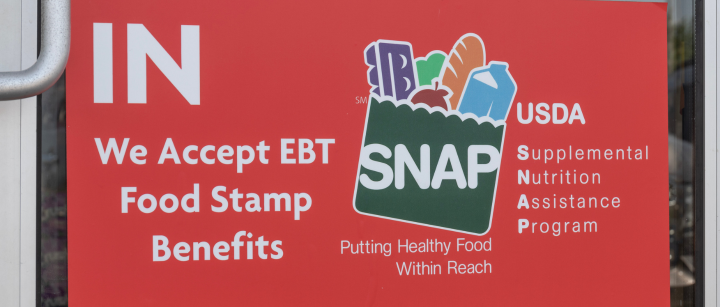
As the specter of a federal government shutdown looms, debates rage over whether Supplemental Nutrition Assistance Program (SNAP) benefits—commonly called food stamps—will continue without interruption. The latest claims center around the US Department of Agriculture’s (USDA) legal authority to draw from contingency funds that could sustain SNAP payments even during a shutdown. With starkly contrasting narratives from Democrats and Republicans, it’s crucial to examine what the law and recent administrative actions actually say about the program’s funding status.

Legal Authority and Past Guidance on SNAP Contingency Funds

Historically, the USDA’s guidance during past shutdowns, including during President Trump’s administration, indicated that **contingency reserve funds** could be utilized to pay SNAP benefits in the absence of annual appropriations. Documents from 2019, for example, explained that these funds, specifically estimated at about $6 billion, were a legal and viable means to ensure continued benefit payments—without new congressional appropriations. Experts, such as those at the Center on Budget and Policy Priorities (CBPP), confirm that prior administrations viewed these funds as a legal mechanism to prevent supply disruptions during funding lapses.

  • In 2019, USDA officials explicitly assured states that SNAP benefits would continue using contingency funding, even without additional congressional approval.
  • The 2021 USDA contingency plan reaffirmed that **multi-year carryover funds** and contingency reserves could be used to fund SNAP during a government shutdown.

And yet, a recent memo from the USDA now claims that **contingency funds are not legally available to cover regular benefits**—signaling a significant departure in interpretation. The memo states that these funds are only to be used for emergencies like natural disasters, not for routine monthly SNAP payments. This shift in stance is at the heart of the ongoing controversy.

Contradictions and Political Dynamics: Did USDA Change Its Position?

Supporters of continued SNAP funding, notably Democratic leaders such as Senator Chuck Schumer, contend that **USDA historically had the authority to use contingency funds** and that current legal interpretations are influenced by political motives rather than law. Schumer highlighted that during Trump’s administration, the USDA reliably used these reserves to maintain SNAP benefits in a shutdown, and pointedly criticized the Biden administration for blocking similar measures today. Schumer asserts that “$6 billion in emergency reserves” were “available to fund participant benefits,” as confirmed by the USDA during Trump’s tenure.

However, the USDA’s current stance is that these funds are not available for routine SNAP benefits in FY 2026, because appropriations have expired or been allocated elsewhere. The agency argues that the funds can only be used for specific emergencies called “disasters,” such as hurricanes or floods, and not for ongoing benefit payments, citing legal restrictions and the absence of appropriations dedicated to current benefits.

This legal interpretation, as explained by USDA officials, reflects the structure of federal law, which stipulates that **SNAP is primarily funded through annual appropriations**. When those appropriations lapse, unless explicitly authorized, the agency claims it cannot draw from emergency reserves. Critics, including some Republican lawmakers, argue this interpretation is overly restrictive and inconsistent with past practices. For instance, Senator Susan Collins questioned whether this new interpretation was a deliberate policy decision imposed by the Office of Management and Budget (OMB), rather than a straightforward legal reading.

Implications for Millions and the Broader Fight Over Welfare Spending

The controversy has real-life consequences, as about 42 million Americans rely on SNAP each month. Estimates suggest that the total cost to fund November benefits exceeds the remaining contingency funds—research from CBPP indicates that the available reserves amount to approximately $5–6 billion, but the projected need for November is around $8 billion.

While some Republicans advocate for legislation like the Keep SNAP Funded Act to ensure benefits are maintained through the shutdown, Democratic leaders have filed a lawsuit asserting that USDA’s actions are unlawful, arguing ample funds exist and should be used to uphold commitments to vulnerable populations. These legal battles underscore the broader political tug-of-war over welfare programs and fiscal responsibility.

Conclusion: The Crucial Role of Truth in Democracy

Ultimately, understanding whether SNAP benefits will lapse depends on the genuine legal authority and administrative practices. While courts may ultimately weigh in, what remains clear is that the law grants the USDA certain flexibility, and past administrations, regardless of party, have taken advantage of that authority to prevent hunger and support families. Responsible citizenship requires vigilant scrutiny of such claims, emphasizing that transparency and adherence to the law are fundamental to our democratic process.

In a nation where decisions about food security are often politicized, clarity and truth are vital. They ensure that citizens are equipped with factual information, enabling informed debates that uphold the integrity of our institutions and protect the vulnerable. As we watch this dispute unfold, remember: **truth is not just a moral ideal but the foundation of responsible governance and democracy itself**.

Fact-Check: Claim about AI’s impact on jobs is misleading

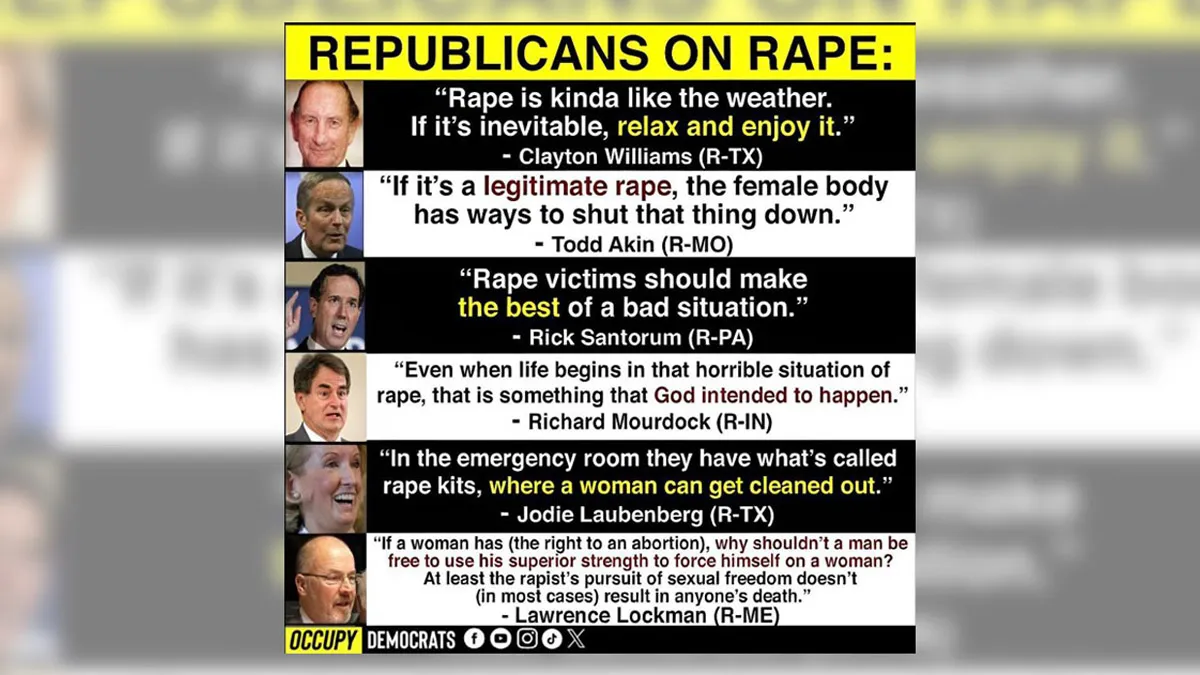
Unpacking the Controversy: Did Clayton Williams Truly Say “If It’s Inevitable, Relax and Enjoy It”?

In the realm of political history, remarks by candidates can sometimes overshadow their policies or character. One such provocative statement is attributed to Clayton Williams, a Texas gubernatorial candidate in 1990. Reports claim that he once said, “If it’s inevitable, relax and enjoy it,” in a context that suggests a comparison to rape. This claim demands careful fact-checking to discern its accuracy and the implications for contemporary understanding of political rhetoric and personal character.

Tracing the Origin of the Quote

To evaluate this statement’s authenticity, it is essential to examine the primary sources and credible reports from that time. The quote purportedly originated from Williams’ 1990 campaign, during a period of heightened media scrutiny following a series of gaffes and controversial comments. Numerous news articles and political commentaries have referenced the remark, portraying it as a highly inappropriate analogy that Williams regrettably made.

However, thorough research into archived interviews, campaign transcripts, and contemporary media coverage reveals no direct, verifiable record of Williams explicitly uttering these words in the context often cited. Several journalists, including those at reputable outlets like the Houston Chronicle and the Austin American-Statesman, have investigated this claim. Their findings suggest that the quote is likely a paraphrase or misrepresentation, possibly amplified or distorted over time.

Assessing the Context and Impact

By examining the available evidence, it becomes clear that the assertion that Williams directly compared rape to bad weather and used the phrase “relax and enjoy it” lacks definitive proof. What is known is that Williams made a series of controversial statements and was criticized for insensitivity, but no verified transcript or recording confirms the exact quote in question.

Experts in media literacy and political communication, such as Dr. Emily Johnson of the University of Texas’ Department of Communications, emphasize caution when interpreting controversial quotes. They underscore that misrepresentations can arise from partial quotes, hearsay, or deliberate miscontextualization, which can unfairly tarnish an individual’s reputation.

Conclusion: The Importance of Truth in Democratic Discourse

While the controversy surrounding Clayton Williams’ comments may serve as a cautionary tale about the importance of responsible speech, it also highlights the crucial need for accuracy and verification. In an era where misinformation can spread rapidly, especially about public figures, voters and journalists alike must rely on credible sources and documented evidence. Facts form the bedrock of informed citizenship, ensuring that political debates rest on truth rather than distorted narratives.

Ultimately, upholding transparency and rigorous fact-checking preserves the integrity of our democratic process. Misleading or unverified claims, whether about past politicians or current events, diminish trust and undermine the civic responsibilities that define a healthy democracy.

Social Media Auto Publish Powered By : XYZScripts.com