
Matox News

Truth Over Trends, always!

Israel hits Beirut as evacuation alarm sparks chaos

In a stark display of increasing regional instability, Lebanon is experiencing unprecedented chaos as massive traffic jams snake through the streets of key cities, a direct consequence of the urgent evacuation orders issued by authorities. The government’s plea for civilians to evacuate the Hezbollah stronghold signals a significant escalation in the ongoing conflict, which has seen Israel intensify its military operations across Lebanon. These developments have not only heightened tensions within Lebanon but have also sent ripples through the geopolitical landscape of the Middle East, risking a broader regional confrontation.

Israeli forces have launched a series of targeted strikes designed to weaken Hezbollah’s military capabilities, which are believed to be fortified inside the Lebanon. Analysts suggest these actions are a critical phase in what many call a long-brewing effort by Israel to dismantle what it perceives as an existential threat from the Shiite militant group. The escalation has drawn international attention, with United Nations representatives calling for restraint and urging all parties to avoid further civilian casualties. Yet, the situation remains volatile, with the possibility of widening conflict serving as a grim warning to global powers.

Historians and geopolitical analysts warn that this surge of violence could have far-reaching consequences. According to international security experts, the decision to escalate military action marks a pivotal moment that may redefine the balance of power within Lebanon and the broader Middle East. The United States and European Union are closely monitoring the situation, balancing their condemnation of violence with diplomatic efforts aimed at de-escalation. However, some regional analysts argue that such measures are insufficient, emphasizing that history shows how minor conflicts often spiral into full-scale regional wars with devastating impacts for generations.

The geopolitical impact of this ongoing conflict extends well beyond the borders of Lebanon. As international organizations grapple with the fallout, neighboring countries are ramping up military preparedness, and global markets tremble at the prospect of wider destabilization. Many schools of thought, from conservative strategists to cautious diplomats, warn that this current trajectory could ignite a new chapter of hostility and harsh divisions that threaten to engulf the entire Middle East in chaos. The unfolding events challenge traditional paradigms of peace and security, demanding urgent and coordinated international responses that may ultimately alter the fabric of regional alliances and global diplomacy.

As the dust settles on this tumultuous chapter, history bears witness to the profound impact of every decision made in moments of crisis. The world now watches with bated breath, understanding that this is not merely a regional skirmish but a turning point that could very well shape the course of history for decades to come. One thing remains clear: in a world where geopolitical shifts happen in the blink of an eye, the true cost of conflict is measured not just in territory, but in the fragile hopes of a future undisturbed by the shadows of war.
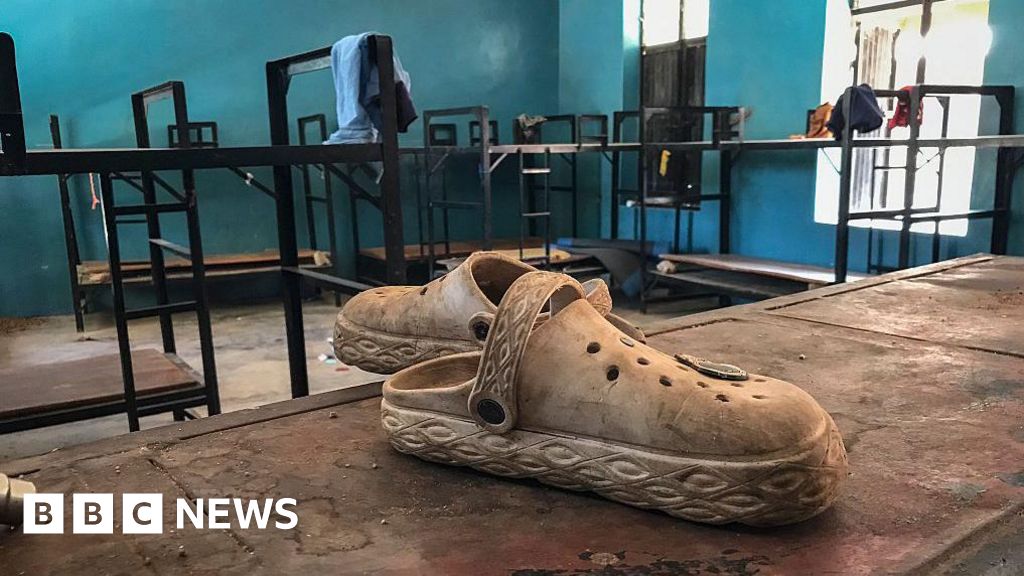
Fifty children escape as gunmen’s mass school kidnapping in Nigeria sparks alarm

Flickers of Hope Amidst the Darkness of Nigeria’s Kidnapping Crisis

The recent mass abduction of schoolchildren in Nigeria has once again cast a shadow over a nation already battered by violence and instability. The daring kidnapping of over 300 students from St. Mary’s School in Niger state, and subsequent escapes of 50 of these children, signal a disturbing escalation in what international analysts describe as an ongoing crisis. Despite efforts by the Nigerian government, including the deployment of an additional 30,000 police officers, these criminal gangs—locally branded as bandits—continue to wield terror with impunity, revealing cracks in Nigeria’s security framework.

Experts like Dr. Samuel Okoye, a geopolitical analyst specializing in West African affairs, warn that the proliferation of kidnapping for ransom is not merely criminal enterprise but a test of state authority, exacerbating existing tensions within Nigeria’s multi-ethnic, multi-religious society. The wave of abductions, which now surpass the infamous Chibok incident of 2014—where 276 girls were seized—has reignited international concern. Such acts are not isolated but are symptomatic of broader upheavals involving Islamist insurgents, criminal syndicates, and communal conflicts fueled by competition over land and resources. The United Nations has expressed grave concern over the rise in violence, which threatens to destabilize the region further.

Geopolitical Implications and International Reactions

The Nigerian government’s response, which includes the closure of schools and redeployment of security forces, underscores the gravity of its crisis. Meanwhile, the U.S. and other Western nations have begun framing Nigeria’s instability within a global context of religious persecution—claims vehemently disputed by the Federal Nigerian government. Recently, President Donald Trump suggested intervening with military force in Nigeria, asserting that Christians face systematic persecution—a narrative that has sparked controversy and intensified geopolitical debates. Analysts argue such rhetoric risks further complicating Nigeria’s internal dynamics, where many victims are Muslims caught in ongoing jihadist conflicts primarily led by the Boko Haram insurgency, which has been battling the Nigerian state for over a decade.

This flashpoint in Nigeria echoes broader regional tension, with the Lake Chad Basin and Sahel zone serving as hotbeds for Islamist extremism, human trafficking, and illicit arms flows—further destabilizing neighboring countries. For international organizations like ECOWAS and AU, Nigeria’s safety is intertwined with regional stability. Many experts warn that without serious international cooperation and robust regional security strategies, the cycle of violence will persist, threatening to spill over borders and destabilize entire West African corridors.

How Decisions Shape the Future of Societies and Nations

The decision to assign additional security personnel, restrict movement, and close educational institutions marks a defensive approach—yet the root causes remain unaddressed. As historians observe, Nigeria’s history demonstrates that sustained, inclusive political reform is essential to long-term stability. The escalation of violence, the resurgence of religious and ethnic divides, and the chronic underfunding of governance structures suggest that crisis management alone cannot contain this tide of chaos. Instead, meaningful reforms that tackle systemic inequalities and foster community resilience are urgently needed. The unfolding story of Nigeria’s struggle against violent factions is a stark reminder of how fragile national sovereignty can be in the face of internal disorder.

As families mourn and hope flickers among the abducted students’ loved ones, the world watches a nation at a crossroads. The choices made today—whether through military action, diplomatic engagement, or reforms—will inscribe Nigeria’s legacy for generations to come. The darkness shrouding these kidnapping nightmares is compounded by the weight of history, and it remains to be seen whether Nigeria will rise from this abyss or succumb to the insidious forces that threaten to undo it. One thing remains certain: the pages of history are being written now, and Nigeria’s story is far from over.

Kenyan Youths Raise Alarm: ‘We Are Orphans’ Amid National Tragedy

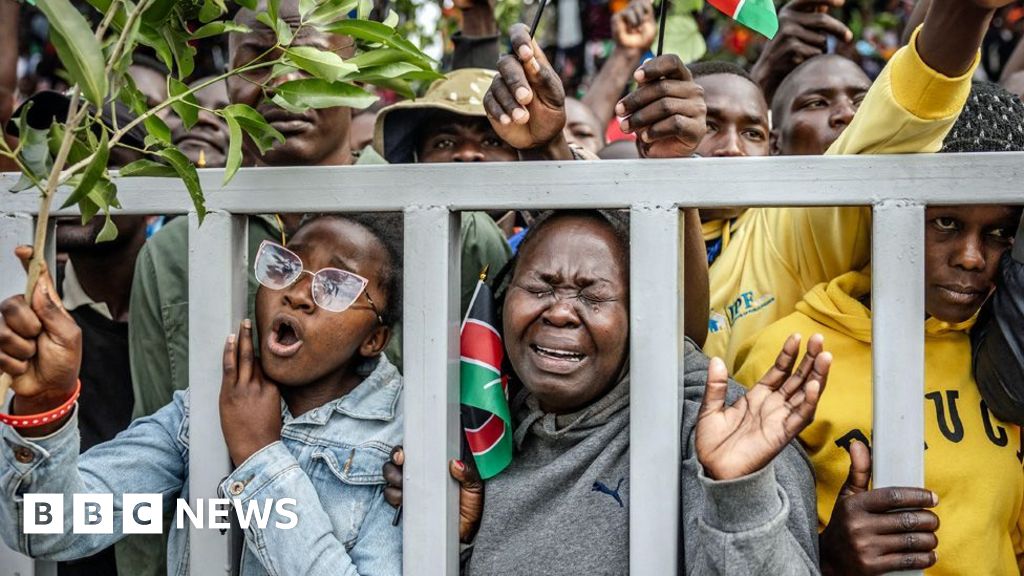
The passing of Kenyan opposition leader Raila Odinga has sent waves across the continent and beyond, highlighting the enduring influence of his political legacy in East Africa. Odinga, regarded as a symbol of resilience and democracy, drew massive crowds at his funeral in Kisumu, underscoring the deep-rooted support he cultivated over decades. His death at age 80 marks not only a personal loss but a significant juncture for Kenya’s political landscape and its position within the broader African Union. Former US President Barack Obama, echoing a sentiment shared by many, recognized Odinga as a “true champion of democracy,” a title that resonates with his hard-fought political career that spanned multiple electoral cycles, often marred by allegations of manipulation and violence.

Odinga’s political journey was characterized by his unwavering advocacy for self-governance and electoral transparency. Despite losing five presidential campaigns, he remained a potent force, embodying the aspirations of millions for democratic reform. The 2007 election crisis demonstrated his resolve, leading to a fragile but vital unity government aimed at curbing electoral violence. Analysts from respected international think tanks emphasize that Odinga’s legacy laid the groundwork for Kenya’s ongoing political reforms, even as intra-ethnic tensions persist. The geopolitical impact of his death extends beyond national borders—it underscores the fragile stability in a region frequently affected by political unrest, and the importance of regional diplomacy in fostering peace.

The death of Odinga coincides with a broader shift in African politics, where youthful populations and burgeoning economies demand greater representation and accountability. Historians such as Terence Ranger have noted that leaders like Odinga are vital in navigating post-colonial challenges, balancing traditional influences with the aspirations of new generations. The post-Odinga era presents a critical test for Kenya’s political institutions as they attempt to maintain peace and stability. The measures taken to prevent chaos during the funeral—warnings from Odinga’s family and the organization of orderly private burials—highlight the acute awareness of how fragile societal cohesion can be in times of leadership transition. The international community’s recent calls for calm stress the significance of regional stability—any upheaval risks destabilizing a vital economic hub and disrupting East African trade networks.

As history continues to unfold amidst these shadows of change, the legacy of Raila Odinga remains a powerful reminder of the thin line leaders walk between progress and chaos. His life encapsulates the ongoing story of African resilience—a continent where the struggle for justice persists amidst growing pains. While his body is laid to rest, the trajectory of Kenya’s democracy hangs in the balance. The desire for true reform, resilience, and regional stability fuels the hope that Odinga’s sacrifices will not be in vain. The echoes of his journey serve as both a warning and a source of inspiration—calling nations and societies to face the turbulent tide of history, aware that their actions today are the foundations upon which future generations will either build or unravel the complex tapestry of African nationalism and sovereignty.

Multiple shootings target Mormon church in Michigan and bar in North Carolina — rising crime concerns alarm Americans

In a weekend marked by violence from the United States, a renewed focus has been cast upon the nation’s internal stability and the far-reaching geopolitical implications of its ongoing crisis of law and order. Multiple incidents, spanning from a heinous shooting at a Mormon church in Michigan to a series of gun-related tragedies across states, have resulted in widespread fatalities and injuries. The crisis of violence exemplifies the deep-rooted societal challenges that threaten to undermine America’s global standing, especially as the nation grapples with internal discord and calls for reform.

Among the most harrowing events was the targeted attack during a waterfront gathering in North Carolina, where a suspect piloted a boat to attack civilians with premeditation. Authorities identified Nigel Edge, of nearby Oak Island, as the perpetrator, who now faces a cascade of charges including multiple murders and attempted murders. The incident, described by police as “highly premeditated,” underscores a disturbing trend of organized violence that erodes public trust. Such acts of terror are increasingly viewed both as symptomatic of domestic instability and as potential catalysts for international concern, prompting analysis from security experts and international agencies.

Meanwhile, in Texas, a separate shooting at the Kickapoo Lucky Eagle casino resulted in the deaths of two individuals and injuries to several others. Law enforcement has yet to determine a motive, leaving the nation’s porous gun laws and escalating violence under scrutiny. The complications are compounded by ongoing debates in Congress where political deadlock hampers substantive reforms. Many international bodies, including the United Nations, have issued warnings that continued internal unrest could embolden adversaries and weaken America’s diplomatic clout. These events serve as a stark reminder of how internal weaknesses ripple outward, presenting vulnerabilities that rival states might exploit in pursuit of strategic gains.

The global community watches closely as the United States confronts its internal crisis—an example of how fragile stability can be in an era of widespread societal division. Critics point to the failure of legislative bodies to implement meaningful gun control, arguing that this not only compromises domestic safety but also tarnishes America’s image as a beacon of liberty and rule of law. As historian Dr. Patricia Mullen notes, “The inability of Congress to address structural issues reflects a broader decline in political cohesion, with consequences extending well beyond its borders.” The United States’ internal discord now threatens to reshape international alliances and influence global markets, especially as nations seek to position themselves around the emerging vulnerabilities of their superpower neighbor.

The unfolding of this violence-ridden weekend hints at a future where internal instability could serve as a turning point in global geopolitics, demanding vigilance and decisive action from leaders worldwide. The question remains: how much longer can a nation of such profound internal fractures project strength abroad before history’s weight finally compromises its global influence?

Social Media Auto Publish Powered By : XYZScripts.com