Matox News

Truth Over Trends, always!

Ali Larijani’s death intensifies Iran’s leadership crisis, sparking youth intrigue

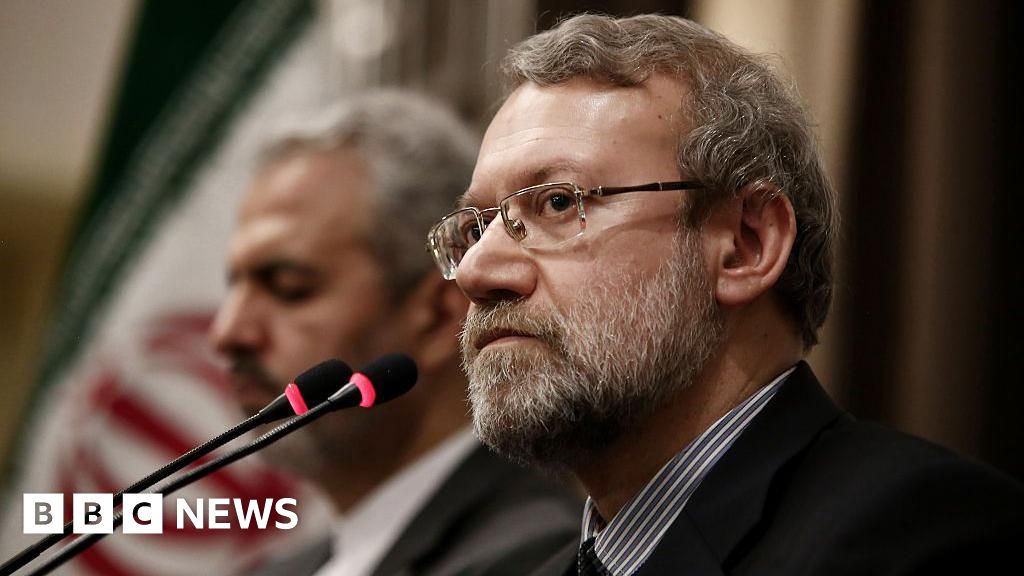
Throughout recent decades, Larijani has emerged as a key figure within the Islamic Republic of Iran, representing a potent blend of experience and strategic influence. Recognized by international analysts as one of Iran’s most seasoned policymakers, Larijani’s role extends far beyond domestic politics—his decisions resonate across the geopolitical landscape, shaping outcomes for entire regions and global powers alike. His longstanding presence in Tehran’s corridors of power underscores the importance of individual leadership in navigating the complex web of religious authority, strategic interests, and America’s shifting policies.

Within the context of history, Larijani’s influence has been a critical axis in Iran’s dealings with Western nations, especially amid ongoing conflicts over nuclear proliferation and regional dominance. As Iran continues to advance its nuclear program—despite international sanctions and diplomatic pressure—the calculus made by figures like Larijani carries significant consequences. Many analysts, including those from the International Crisis Group, point out that decisions taken within Iran’s upper echelons could either serve to escalate tensions or open pathways toward diplomatic compromise. His long experience and authoritative voice contribute to Iran’s consistent stance, often resistant to the unconditional concessions favored by Western powers.

Crucially, Larijani’s influence extends into regional geopolitics, notably within the Middle East. With Iran backing proxy groups, engaging in military confrontations, and vying for influence over neighboring countries, the stakes have never been higher. The United States, along with its allies such as Israel and Gulf Cooperation Council states, closely monitor Iran’s diplomatic maneuvers—often framing them as a prelude to broader conflicts. The decisions by Iran’s leadership, including Larijani’s policies, impact the stability of entire nation-states, fueling cycles of violence and resistance that threaten to spiral beyond control.

Recent conversations among international diplomats and scholars reveal a somber consensus: the path toward peace remains narrow, and the weight of history presses heavily upon the shoulders of those guiding Iran’s future. As Larijani’s influence continues to shape Iran’s position on the world stage, the broader implications for global security and regional stability become unavoidable. The ongoing struggle over Iran’s nuclear ambitions, regional alliances, and international diplomacy reflects an epochal moment—one where the decisions taken today will echo through history, long after the voices of current policymakers fade into the shadows of time. The stage has been set, and the world watches with bated breath as the drama of geopolitics unfolds, knowing that the final chapters remain unwritten but profoundly consequential.
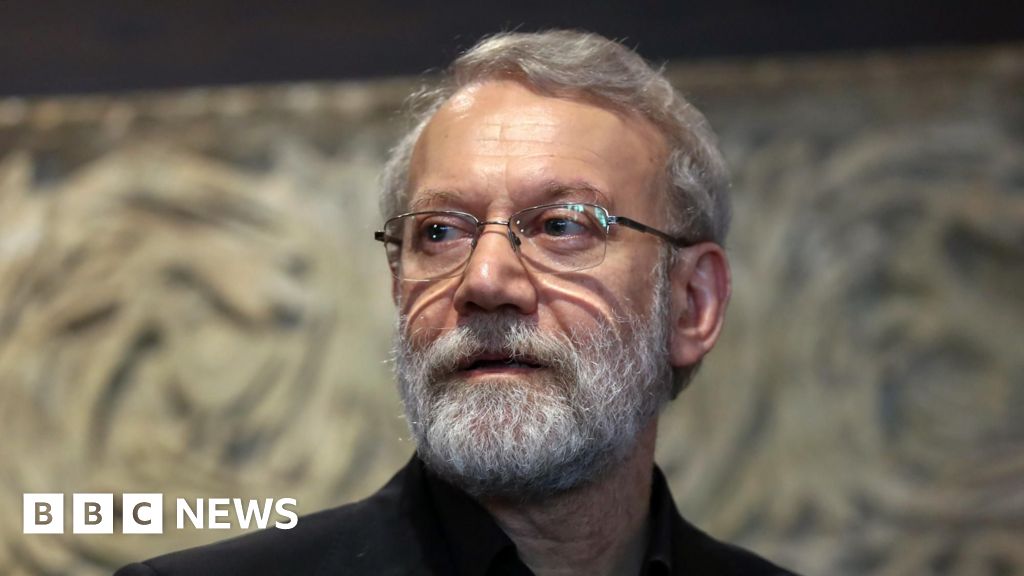

Iranian security leader Ali Larijani eliminated in drone attack

In a shocking development, state television across the Middle East has confirmed the deaths of a prominent leader and a senior figure, Gholamreza Soleimani. The circumstances surrounding their demise remain shrouded in mystery, yet their passing marks a pivotal moment in the region’s ongoing struggle for influence and stability. This event underscores the delicate balance of power in a geopolitically volatile area, where every shift can trigger ripple effects far beyond national borders.

The deaths come amidst intensified regional tensions and ongoing conflicts involving various domestic and international actors. The loss of such high-profile figures is expected to significantly shape the trajectory of regional diplomacy and security. Analysts suggest that these events may catalyze a renewed wave of instability, as factions within the Middle East recalibrate their strategies in response to this apparent power vacuum. Prominent international organizations, including the United Nations and Middle East Policy Forum, have issued statements urging caution and emphasizing the importance of safeguarding civilian lives amid this turmoil.

The geopolitical impact of these deaths cannot be overstated. Historically, such high-profile losses have often precipitated shifts in alliances and escalation of hostilities. Consulting experts and renowned historians point to previous instances where the sudden removal of key figures led to unpredictable consequences—sometimes paving the way for peace negotiations, but often exacerbating conflicts. The regional power dynamics are now on the brink of upheaval, with nations competing and aligning into new blocs, affected profoundly by decisions made in the coming weeks. How regional leaders respond could shape the prospects for stability or chaos for years to come.

In particular, the death of these figures is expected to impact ongoing negotiations over territorial disputes, economic alliances, and military confrontations. Countries such as Iran and Saudi Arabia are likely to reassess their strategies, possibly leading to a recalibration of policies or retaliatory actions. The U.S. and European Union are closely monitoring developments, aware that any change in the regional balance could influence global markets and international security. As the weight of history presses down upon these fragile nations, the international community faces an uncertain future—one in which control and influence may shift as quickly as the sands in a desert storm.

As history continues to unfold amid the dust of recent upheavals, the world must confront the stark reality that these losses may just be the beginning of a new chapter—one where alliances are tested and chaos threatens to engulf the fragile peace. The passage of these influential figures leaves a void that may define the coming era: a future written in the shifting sands of power, where the margin for error is razor-thin and the stakes could not be higher. The weight of the past, the immediate chaos, and the uncertain future merge to craft a narrative still being written—one that could shape the course of history for generations to come.

Iran’s Ali Larijani Killed in Airstrike, Israel Claims—Youth Voice Sparks Tensions

In a brutal escalation of the ongoing conflict between Israel and Iran, reports reveal the assassination of a pivotal figure within Iran’s political and security hierarchy. According to Israeli officials, Ali Larijani, the former speaker of parliament and a key diplomatic negotiator, was targeted and killed in overnight strikes. If this claim proves true, it marks a historic moment — being the most senior Iranian figure to die since the death of Supreme Leader Ali Khamenei at the beginning of this brutal war. Larijani’s strategic importance stemmed from his role as a bridge between Iran’s military and political branches, and his death signals a decisive blow to Iran’s internal command structure at a time of profound crisis.

Adding to the tension, Israel’s defense minister, Israel Katz, announced the killing of Gholamreza Soleimani, commander of the Basij paramilitary force, alongside other senior figures. These targeted killings echo a campaign that appears designed to dismantle Iran’s leadership from within, undermining regime resilience and further complicating diplomatic efforts. Analysts warn that such targeted assassinations could intensify Iran’s resolve, potentially plunging the region into an even deeper abyss of violence. The international community, including organizations like the UN, has expressed concern over the legality and morality of these operations, with some regional allies calling Israel’s actions a violation of international law. Nevertheless, Israel claims these actions are a necessary response to Iran’s ongoing aggression and its role in arming proxy groups across the Middle East.

Western leaders, especially former US President Donald Trump, have seized upon these developments, asserting that the deaths will cripple Iran’s ability to wage war. Trump’s statements hint at a strategic hope that removing Iran’s top leadership will deliver a decisive blow to Tehran’s war efforts and perhaps herald a path toward regime change. However, regional and global security analysts caution that removing high-ranking officials often causes power vacuums, leading to unpredictable and potentially more destructive conflicts. Nevertheless, these covert and overt strikes demonstrate the extent of Israel’s intelligence capabilities and the US’s near-unilateral control over Iranian airspace, giving them a unique advantage in shaping the battlefield long before ground troops move.

The deaths of Larijani and others—if verified—will have a profound geopolitical impact. Iran’s leadership has long been characterized by a mix of pragmatists and hardliners, with Larijani traditionally seen as a moderating influence capable of diplomacy. His recent shift to a more hardened stance following US and Israeli strikes suggests a potential push toward escalating conflict rather than de-escalation. Furthermore, his role as a key nuclear negotiator signaled Iran’s efforts to engage with Western powers, but the current targeting indicates that diplomatic pathways are rapidly closing. The ripple effects will likely influence global energy security, with the Strait of Hormuz remaining largely shut or contested, threatening a surge in oil prices and destabilization in global markets.

This chapter in history is still being written, and the weight of the past looms large as recent hours underscore the catastrophic potential of this conflict. With Iranian leaders calling for revenge and Israel’s government resolute in its military campaign, the danger of escalation remains acute. As historians and international strategists watch this unfolding tragedy, one thing is unmistakably clear: the path of war once initiated leaves a trail of chaos, transforming the sands of the Middle East into the battleground of a new Cold War. The world enters a tense new era where every strike, every death, and every decision could set into motion a chain of events that will determine the future stability of the region—and, perhaps, the world itself.

Social Media Auto Publish Powered By : XYZScripts.com