Matox News

Truth Over Trends, always!

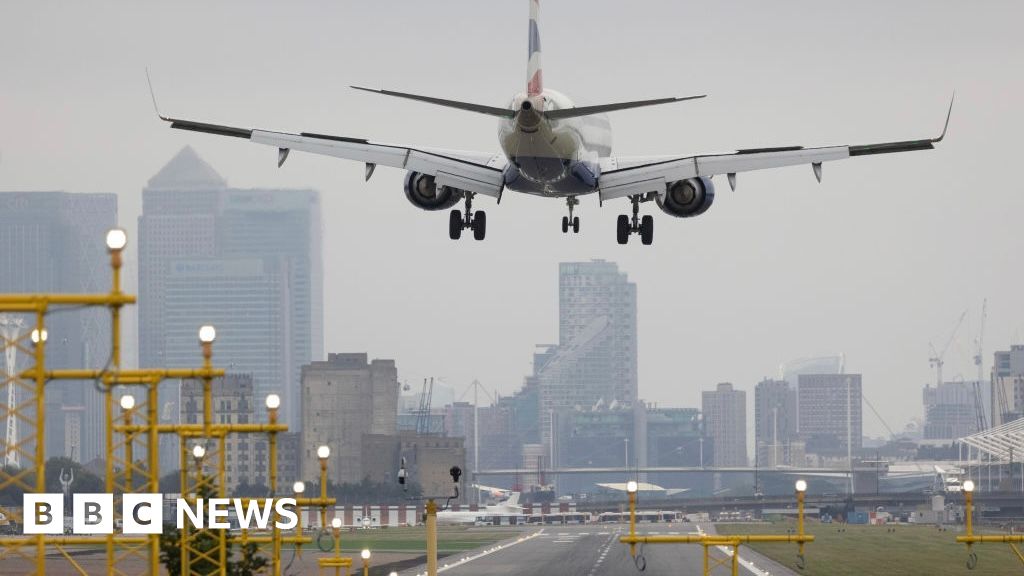
Airlines Allowed to Cancel Flights Ahead of Time Due to Fuel Shortages under New Rules

As the global travel season approaches its peak, government ministers have announced strategic measures aimed at stabilizing fuel supplies in the Middle East, a critical hub for international aviation fuel. This move comes amid rising concerns over potential disruptions that could lead to last-minute flight cancellations, which not only cripple the travel industry but also threaten broader economic stability. By proactively addressing supply security, policymakers seek to fortify the market resilience of airlines and fuel distributors, while also safeguarding consumer confidence in the summer travel corridor.

In recent months, the oil and fuel markets have experienced heightened volatility, driven by geopolitical tensions and fluctuating demand. Such disruptions could be catastrophic for airlines, especially as economic forecasts indicate a summer rebound in international travel. Industry analysts from firms like Bloomberg Intelligence warn that a failure to secure reliable fuel supplies in key regions could result in significant financial losses and reputational damage for carriers that depend heavily on the stability of Middle East fuel transit routes. Moreover, the market impact extends beyond airlines; oil producers, refiners, and fuel logistics companies form a tightly interconnected web susceptible to shocks, emphasizing the importance of strategic stockpiling and supply diversification.

The policy consequences of this proactive stance include potential shifts in regional energy policy and increased diplomatic efforts to safeguard supply lines. Governments are considering incentivizing private sector investment in fuel infrastructure and stockpile expansion, which could, in turn, influence regulatory frameworks and international energy collaborations. This approach underscores a broader recognition: in an interconnected global economy, stability in fuel supply chains is not merely a logistical concern but a cornerstone of national economic security. As economist Dr. Laura Chen from the International Energy Agency notes, resilient energy frameworks are essential to withstand volatile geopolitical climates and sustain economic growth.

Looking ahead, the upcoming months will be critical. While efforts to prevent supply disruptions are commendable, risks remain from unexpected geopolitical escalations or unforeseen market shocks. The financial markets will continue monitoring developments closely, with investor sentiment hinging on the perceived stability of energy supplies. As the global economy pivots into what could be a pivotal decade of transformation, the capacity to ensure uninterrupted energy flows will define the strength of national economies and their leadership roles on the international stage. Ultimately, the pulse of this strategic initiative reflects the enduring resilience and adaptive power of the global economic stage—an engine propelling nations toward a future where stability and ambition walk hand in hand, shaping the next epoch of prosperity.
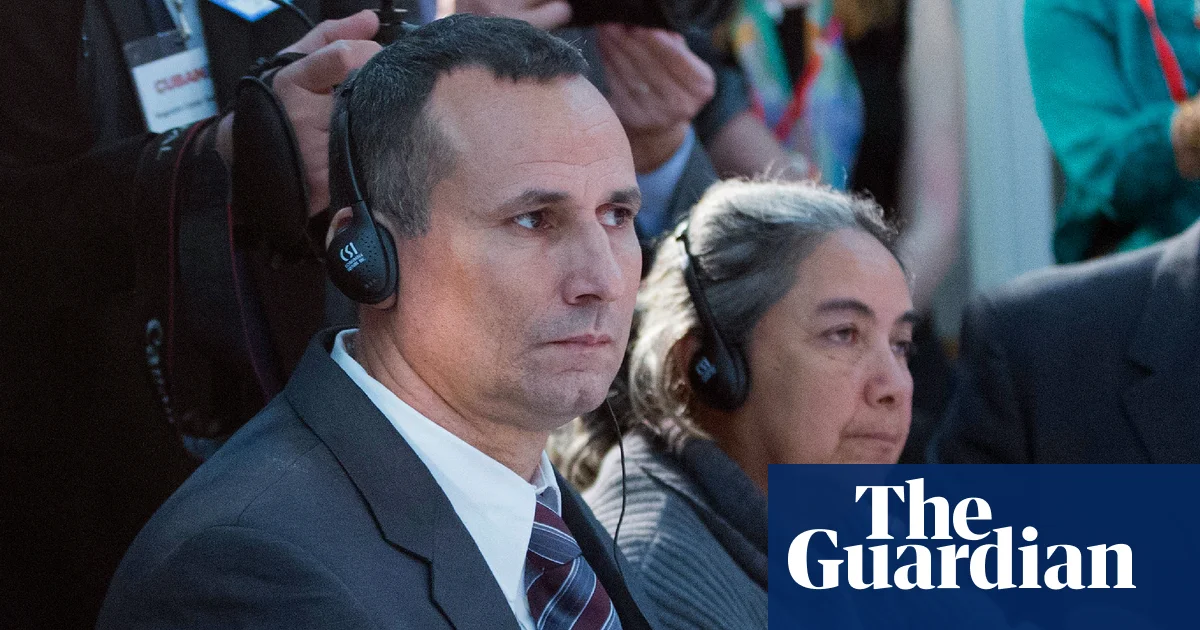
Cuban Dissident José Daniel Ferrer Allowed to Live in Exile in the U.S.

Fate of Cuban Dissident Signals Shifting Geopolitical Tide

The recent release and exile of José Daniel Ferrer, a prominent Cuban dissident, underscores the intensifying struggle between Cuba’s authoritarian regime and the growing wave of pro-democracy voices demanding change. Ferrer, the founder of the Patriotic Union of Cuba, emerged as a symbol of resilience for the island’s entrenched opposition movement, which has endured a relentless cycle of repression and exile for decades. His departure to the United States echoes a broader narrative of international power struggles over Cuba’s future—an island long caught between Cold War remnants and new global alliances.

Within the context of geopolitical impact, Ferrer’s forced exile reflects a significant escalation in Washington’s strategic posture towards Havana. After initial attempts at rapprochement, notably the 2015-2017 Obama-era negotiations, the trajectory has markedly shifted under recent U.S. administrations. The Biden administration’s brief engagement, which led to Ferrer’s release in January, was a calculated move aimed at re-engaging with Cuba only to be reversed by the Trump administration’s delisting of Cuba as a sponsor of terrorism. Such swings demonstrate the fluctuating consensus among Western powers—often driven by domestic political pressures—fueling unpredictability in Cuba’s internal affairs. With Ferrer’s exile, critics argue this signifies the weakening of internal resistance, paving the way for regime consolidation.

Ensconced within this shifting landscape are wider implications that target regional stability. Analysts note that Cuba’s prolonged repression, combined with its economic crisis—amplified by sanctions, mismanagement, and a mass youth exodus—serves as a catalyst for instability. Historian Carlos Ríos warns that the regime’s clampdown—like the recurring mass protests and political imprisonments—risks exporting tensions beyond the island, especially as diaspora communities in the United States and Latin America intensify calls for intervention. The international community’s response, notably the EU’s cautious diplomacy and the U.S.’s strategic maneuvers, highlight an ideological divide—one rooted in contrasting visions of sovereignty and democracy.

Within these mounting tensions, international actors – particularly Washington and its allies – are redefining their roles in Cuba’s future. While the Biden administration initially held out hope of fostering dialogue, the recent crackdown and Ferrer’s exile underscore the persistent resilience of the regime’s grip on power. The ongoing tug-of-war has historic echoes, reminiscent of Cold War confrontations that defined global geopolitics for decades. As Ferrer’s story unfolds, it reminds the world that Cuba remains a pivotal chess piece—its fate intertwined with broader geopolitical currents that threaten to reshape regional alliances and spark new conflicts. The question persists: will this mark the slow unraveling of Cuba’s authoritarian chains, or is it yet another chapter in a classic struggle over sovereignty, influence, and the enduring hope for freedom amid darkness?

The uncertain tides of history continue to roll in, leaving nations and societies to confront the profound realities of power, resistance, and the enduring human spirit. The story of José Daniel Ferrer is far from its final chapter; instead, it serves as a stark reminder that the battle for Cuba’s soul is ongoing, and the weight of history remains heavy, gradually guiding the world toward an uncertain destiny.

Social Media Auto Publish Powered By : XYZScripts.com



