Matox News

Truth Over Trends, always!

NSA intercepts foreign intel call on Trump ally, raising concerns for US security

U.S. Intelligence Crisis Sparks International Tensions and Geopolitical Reckoning

The recent revelations surrounding United States intelligence operations have sent shockwaves through the international geopolitical landscape, revealing a complex web of internal conflicts and power struggles that threaten global stability. At the heart of the controversy is a highly classified whistleblower complaint involving President Biden‘s administration and high-ranking officials, with whispers of a covert phone call between individuals connected to foreign intelligence agencies and a figure close to former President Donald Trump. According to insiders, the call was monitored by the National Security Agency (NSA) last spring, and objects of concern include alleged attempts to shield sensitive information from congressional oversight and potential presidential interference. These revelations have not only exposed fissures within the Intelligence Community but also raised questions about the legitimacy and transparency of America’s internal security machinery amidst a rapidly shifting global order.

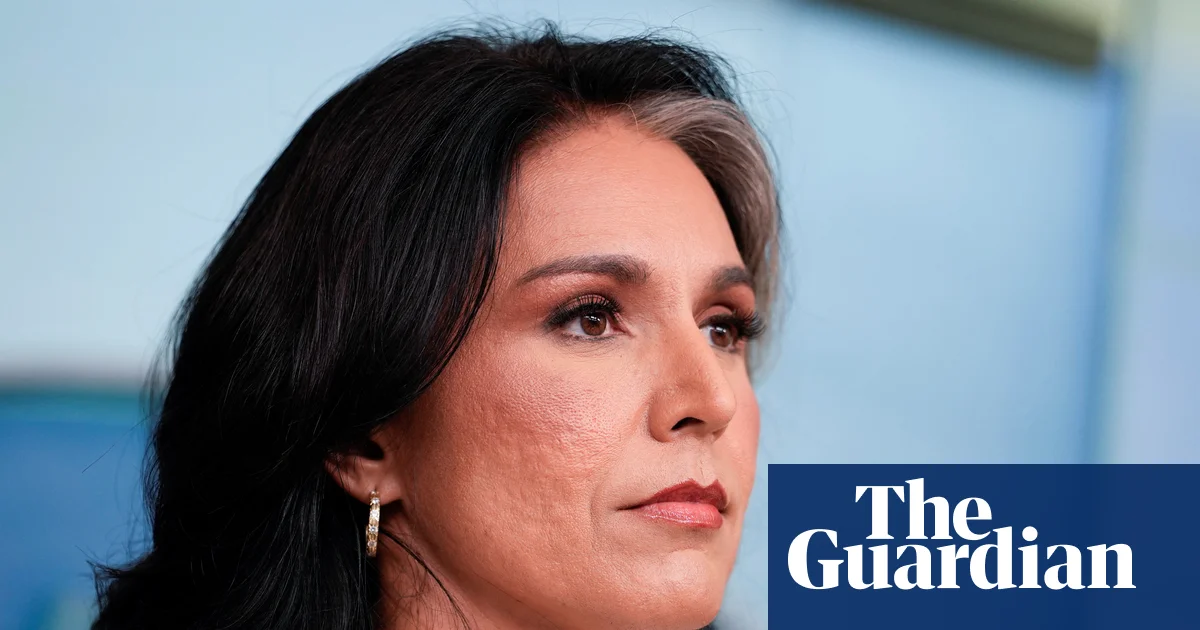
Experts and historians like Dr. Anne Clark of the International Security Institute warn that this internal turmoil could have profound geopolitical impacts. The revelations indicate a possible erosion of the rule of law in intelligence oversight—a scenario that global allies and adversaries alike are scrutinizing with suspicion. The controversy centers on Director of National Intelligence (DNI) Tulsi Gabbard, who allegedly bypassed routine protocols to conceal the whistleblower’s complaint and directed classified material away from congressional oversight. Critics argue this raises alarms about executive overreach and underscores a pattern of non-compliance with established legal standards. The situation has prompted a chorus of international concern, as nations observing the U.S. grapple with whether internal political motives are compromising global security commitments, thereby undermining America’s credibility as a leader in the fight against terrorism and state-sponsored abuse.

  • On 17 April, a whistleblower surfaced with claims that Gabbard had intentionally delayed and redacted sensitive intelligence documents that could prove pivotal in the unfolding scandal.
  • The whistleblower alleges that long-standing legal obligations to transmit such complaints to Congress were ignored, with delays extending over months and questions surfacing about the true independence of oversight officials.
  • Adding fuel to the fire, Republican lawmakers such as Senator Tom Cotton dismissed the allegations as baseless, emphasizing the importance of legal procedures and national security confidentiality.
  • Meanwhile, Democratic members like Senator Mark Warner accused the intelligence agencies of deliberately burying crucial information, potentially compromising national security and international stability.

As this high-stakes game unfolds, international analysts caution that the damage done within the corridors of U.S. power reverberates across the globe. Many fear a weakened U.S. may no longer be able to project power or uphold their international commitments effectively. With global rivals capitalizing on this internal discord — especially China and Russia — the possibility of exaggerated geopolitical shifts grows, threatening to destabilize already fragile regions. The consensus amongst respected geopolitical thinkers is that this controversy may mark a pivotal moment: a turning point that will define U.S. leadership in the emerging multipolar world or diminish its influence amid growing internal chaos.

As the world watches, the winding course of this internal U.S. saga remains uncertain. The stories of secrecy, deception, and betrayal echo warnings that history’s weight is ever-present, threatening to tip the balance of international peace and security. Will honest transparency restore order, or will these shadows deepen, consigning a once-powerful nation to the ashes of its own making? The pages of history are yet to be written, but the impact of these decisions will be felt for generations—echoes of a nation’s struggle to uphold its principles in the face of chaos and corruption.
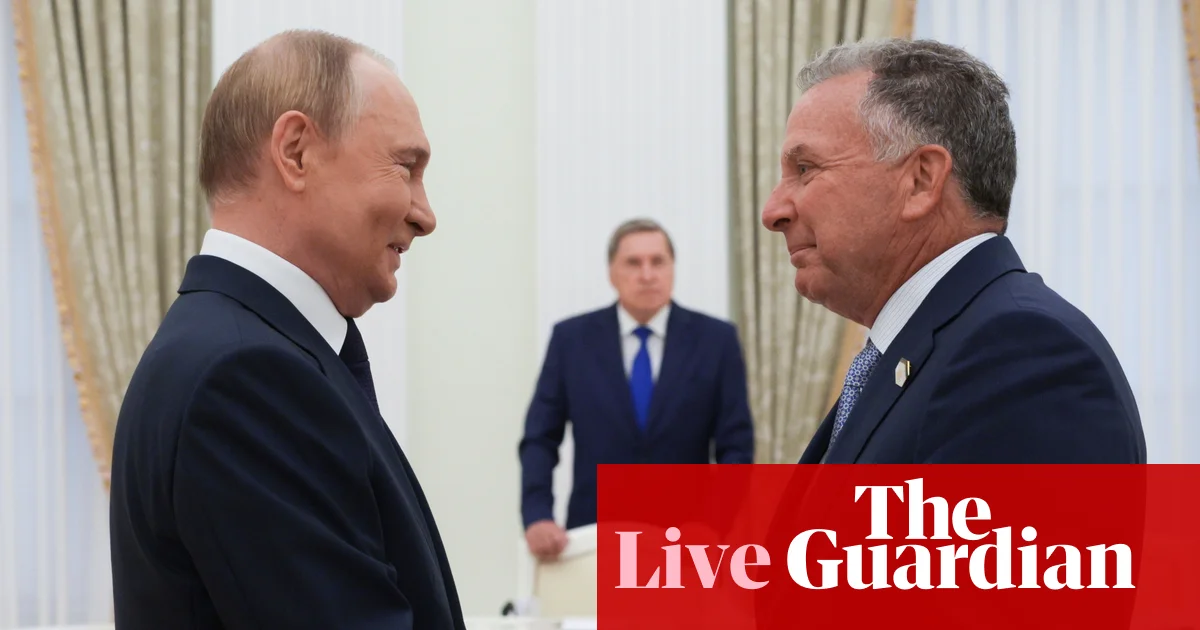
Ukraine War Update: Trump Ally Witkoff to Meet Putin in Moscow as US Pushes for Peace

Rising Tensions and Fragile Diplomacy: The Geopolitical Aftermath of the Ukraine Conflict

The ongoing conflict in Ukraine continues to shape the geopolitical landscape of Eastern Europe and beyond. As Vladimir Putin consolidates control over strategic territories such as Pokrovsk and Vovchansk—key towns believed to have fallen into Russian hands—international observers like NATO and the European Union watch with mounting concern. Despite the Kremlin refusing to confirm these reports, Moscow heralds these advances as successes, while Kyiv insists it remains in full territorial control. This ambiguity underscores the dangerous fluidity of the frontlines as Russia claims to have captured over 19% of Ukrainian territory—a stark increase since 2023—highlighting the persistent threat of a broader regional destabilization.

Amid these developments, Ukrainian President Volodymyr Zelenskyy remains resilient, asserting that Russia “must not be rewarded” for its invasion. His diplomatic efforts frenquently involve engaging with European leaders such as Emmanuel Macron and Friedrich Merz, seeking tangible security guarantees and reaffirmation of sovereignty. However, skepticism shadows these talks. Critics from the EU warn that the recent Putin-Witkoff negotiations risk pressuring Ukraine into concessions that could compromise its sovereignty or territorial integrity, casting a shadow over the fragile prospects for peace.

In this tense climate, Steve Witkoff, an envoy linked to Donald Trump‘s inner circle, plays a pivotal role. His recent meetings with Vladimir Putin in Moscow have reignited debates about the nature of American diplomacy. Analysts like Julian Borger note Witkoff’s controversial approach—advising Kremlin officials that land swaps and territorial concessions might be necessary. This approach has sparked fierce criticism, especially regarding the controversial 28-point peace proposal that seems to favor Moscow’s maximalist demands. The profound influence of such diplomatic maneuvering underscores how outside actors, including the United States, continue to shape the conflict, often blurring the lines between peace efforts and power plays.

The geopolitical implications of these negotiations are profound. As historians and international organizations warn, the consequences extend far beyond Ukraine’s borders. An escalation or miscalculation could ignite a broader conflict, dragging NATO allies into a wider confrontation. Meanwhile, Russia’s military advances have accelerated since 2022, with the fastest territorial gains recorded in recent months. The strategic importance of Pokrovsk as the gateway to Donetsk places immense pressure on Ukrainian forces, which refuse to acknowledge Russian territorial gains and remain committed to defending their sovereignty.

Apart from military conflicts, internal crises burden Kyiv’s efforts. Recent scandals involving corruption within Zelenskyy’s government threaten to undermine diplomatic and military strategies just as negotiations intensify. The recent missile attack by Russia in Dnipro, killing several civilians, reminds the world that the war’s human toll remains devastating. As the crisis unfolds, the balance of power, diplomacy, and internal resilience will determine whether Ukraine will triumph, concede, or endure a protracted stalemate— a chapter of history yet unwritten, teetering on the edge of transformation.

As history watches, the choices made in Moscow, Kyiv, and Western capitals hold the potential to redefine sovereignty and influence for generations. Will diplomacy prevail amid the chaos, or will the specter of escalation forever alter the course of modern geopolitics? One thing remains certain—this is a pivotal moment in the 21st century’s global struggle, with each decision echoing across a battlefield where the true winners and losers are yet to be determined. The unfolding chapter of this conflict reminds us all: the weight of history continues to hang in the balance.

Putin’s Ally or Peace Broker? The Truth About Ukraine Talks

Global Powers on the Edge: The Strategic Ascendancy of Kirill Dmitriev and Russia’s Return to Diplomatic Influence

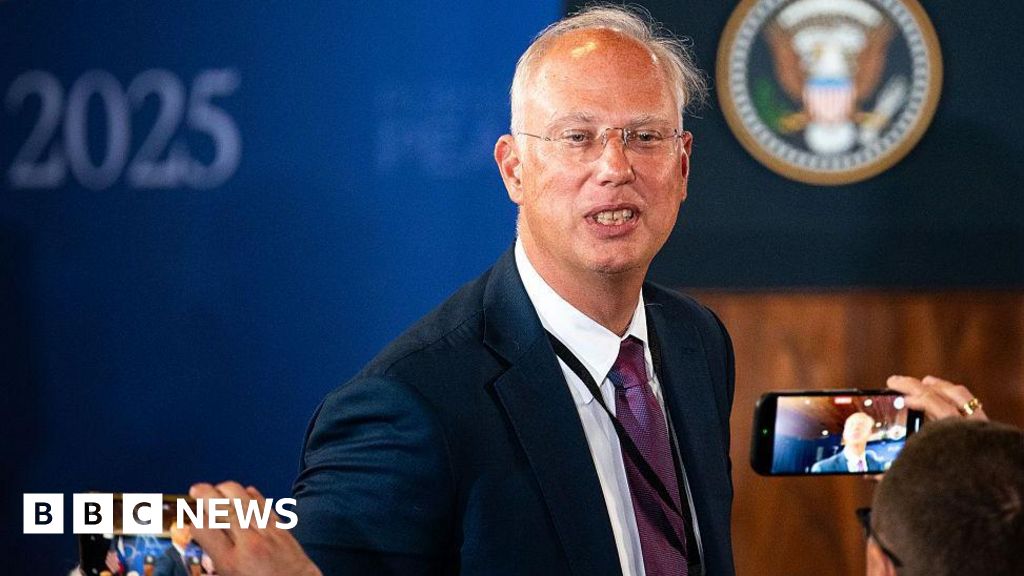
As Russia reasserts itself on the international stage, a key figure shaping its modern diplomacy has emerged in Kirill Dmitriev. With a background rooted in science, finance, and a deep understanding of international conflicts, Dmitriev’s role as head of the Russian Direct Investment Fund (RDIF) has propelled him into the spotlight. His engagement with U.S. officials during the recent negotiations over Ukraine signals a shifting landscape where selective diplomacy takes precedence over traditional adversarial posturing. Points of contact such as Miami and Saudi Arabia have demonstrated that Russia’s pragmatic approach to diplomacy, led by Dmitriev, might be reshaping geopolitical dynamics in ways previously dismissed as improbable.

Recent disclosures suggest that Dmitriev, with his unique blend of economic savvy and diplomatic agility, has played a crucial role in softening Russia’s years of diplomatic isolation. His rapport with Steve Witkoff, a U.S. envoy, exemplifies how personal relationships are increasingly pivotal in resolving issues that once seemed intractable. Analysts from organizations like the Brookings Institution and Geopolitical Watch note that Dmitriev’s deep cultural and political knowledge—specifically his Ukrainian origins and experiences in the United States—equip him with an unparalleled perspective on the multifaceted conflict in Ukraine. His advocacy for a “dignified peace,” paired with Russia’s strategic use of economic and diplomatic tools, underpins Russia’s broader objective: regain influence without provoking a full-scale confrontation, setting a dangerous precedent for the future of international diplomacy.

However, Dmitriev’s approach is not without controversy. The Biden administration and the U.S. Treasury have publicly characterized him as a “known Putin ally,” imposing sanctions that seek to diminish his influence. Critics argue that Russia’s focus on economic diplomacy—embodied by figures like Dmitriev—serves as a mask for preserving the regime’s core interests amidst Western sanctions and military confrontations. Yet, Dmitriev remains unwavering in his pursuit of a negotiated “peace process,” advocating a course that many in the West see as pragmatic, if not risky. His stance reflects a broader shift in Russia’s geopolitical posture—favoring subtle diplomacy and strategic economic partnerships over open military escalation—an approach that history’s most astute observers suggest could define the future of East-West relations.

Witnessing the unfolding chapters of this new diplomacy, historians and analysts warn that the next phase of global history hinges on whether figures like Dmitriev can successfully navigate a web of geopolitical conflicts, economic interests, and ideological divides. As the shadows of the past—such as the Cold War’s echoes—linger uneasily, the weight of history presses down. Will Russia’s calculated engagement herald a new era of coexistence, or merely a fleeting window of diplomacy before the storm of conflict reignites? The answers remain elusive, yet one truth persists: the silent march of history continues, at the convergence of old rivalries and new opportunities, with Dmitriev’s diplomacy shaping the contours of a fragile, uncertain future.

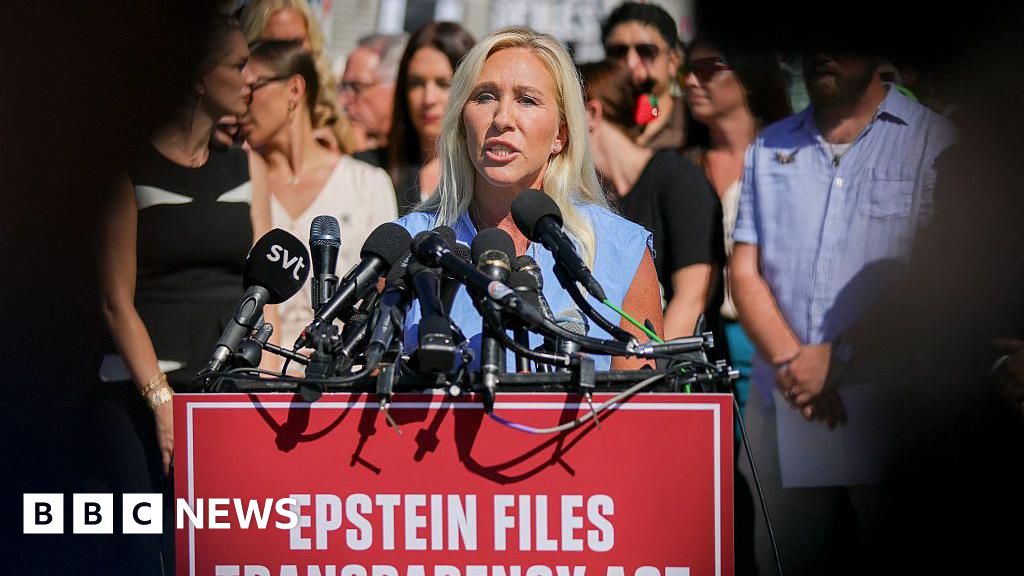
Trump Sets Sights on Key MAGA Ally Marjorie Taylor Greene

The recent rift within the Republican Party in the United States signals a rising tide of internal conflict that could have profound geopolitical implications. At the heart of this political earthquake lies President Donald Trump’s sharp withdrawal of support for Congresswoman Marjorie Taylor Greene, a vocal conservative now accused of drifting towards the “far left”—a term rare for figures within the traditional GOP. This spat exposes the growing fissures among conservative factions who once aligned under the Trump banner but are now diverging over key issues like foreign policy, the handling of sensitive documents, and the direction of the broader American nationalist movement.

Historian analyses and strategic think tanks highlight how the decision by Trump to openly criticize Greene and endorse a primary challenger could ripple beyond domestic politics, impacting America’s diplomatic stance. The tensions are centered around the ongoing battle over the Epstein files, with Greene and a handful of GOP allies calling for transparency, contrasting sharply with Trump’s fierce opposition framed as an effort to suppress potentially damaging information. Such internal discord signals a weakening of traditional party cohesion at a critical juncture as the US faces escalating foreign conflicts and economic challenges. The international community watches intently, aware that internal US divisions can weaken the global position of a nation that has long styled itself as the leader of the West.

Amidst this turmoil, Trump’s rhetoric has become increasingly combative, claiming Greene’s criticism stems from personal grudges and alleging that her dissatisfaction stems from his refusal to efficiently communicate. His accusations—particularly that she is “complaining” and turning on him due to political ambitions—are viewed as part of a broader strategy to consolidate loyalty within the party by framing dissenters as disloyal or misguided. Meanwhile, Greene has responded by accusing Trump of trying to suppress the Epstein files, asserting that his actions are motivated by political self-interest aimed at protecting high-profile figures and thus complicating America’s efforts to confront its past and uphold justice. Her staunch stance has gained traction among younger voters who demand accountability and transparency, critical elements for future political reform. This intra-party battle underscores the enduring tension between populist nationalism and traditional conservatism—a struggle that could shape American policy both at home and abroad.

International organizations and analysts warn that this internal strife, if left unresolved, could diminish the United States’ ability to project strength and coherence on the global stage. With Europe, Russia, and China recalibrating their strategies amidst the chaos, a fractured America risks ceding strategic advantage. The unfolding drama surrounding the Epstein files exemplifies how domestic narratives intersect with broader geopolitical currents—each revelation or suppression affecting American credibility, especially among allies and adversaries alike. As the midterm elections approach, the internal party conflicts threaten to further polarize an already divided nation, raising questions about the future direction of American foreign policy in an era marked by historic volatility.

In the long shadow of history, this feud reflects more than just personalities—it embodies the fundamental struggle over who defines the American identity and how the values of transparency, loyalty, and national sovereignty are prioritized. As observers and historians track this clash, they warn that American internal cohesion remains fragile. The stakes extend beyond mere politics, touching on issues of justice, accountability, and the very soul of a nation that has historically wielded enormous influence in shaping world affairs. The unfolding story of Trump, Greene, and the Epstein files is still being written, but its echoes are already reverberating across the globe—reminding all that in history’s grand chessboard, internal conflict often precedes transformation, and the winds of change are blowing fiercely across the landscape of modern geopolitics.

Social Media Auto Publish Powered By : XYZScripts.com