Matox News

Truth Over Trends, always!

Why Is Alexa+ Falling Short?

Revolutionary AI Assistants Face Real-World Challenges in Industry-Disrupting Devices

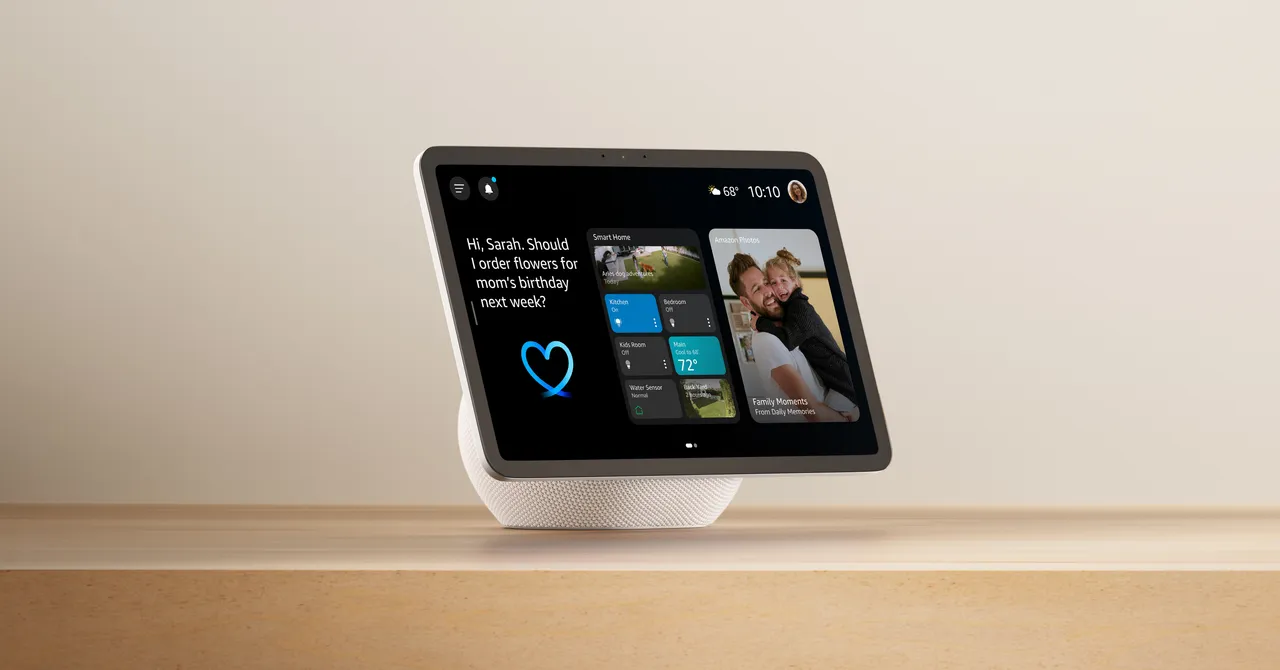
In a striking development within the smart home sector, the integration of cutting-edge AI assistants like Amazon’s Echo Show 15 has come under scrutiny after a month-long hands-on trial. While initial expectations centered on seamless control, personalized automation, and a futuristic smart kitchen, reality has revealed substantial obstacles, raising questions about the scalability and practicality of current AI implementations for consumers. This real-world test underscores a broader trend of disruption in the IoT and AI landscapes, as industry leaders push the boundaries of what home automation technology can truly deliver.

The Echo Show 15, equipped with Alexa+ — an upgraded AI assistant— embodies the ambition of tech giants to create integrated, voice-activated ecosystems. The device offers features such as a large display for multimedia, visual calendars, and Alexa’s voice commands, promising to transform the traditional kitchen into a hub of smart productivity. However, feedback from practical use indicates that there are significant gaps in user experience, ranging from frequent misinterpretations of commands to technical malfunctions. Experts at Gartner and MIT warn that such shortcomings reveal fundamental challenges in consumer-facing AI: maintaining accuracy amid the complexities of natural language processing, and ensuring dependable, behind-the-scenes hardware support.

Market analysts point out that this highlights a critical inflection point for AI-powered consumer devices. While companies like Amazon and Google continue to invest heavily in AI, their focus on innovation often outpaces the realities of deployment in everyday settings. The result is a gap between technological promise and practical usability, which could influence future investment directions and consumer trust. Furthermore, the convergence of AI with IoT indicates a potential for business disruption, as startups and established corporations vie for dominance in an increasingly connected, intelligent home ecosystem. This technological scramble presents both opportunities for rapid market growth and risks of consumer alienation if core issues remain unresolved.

Investors and industry stakeholders are closely watching how tech giants adapt to these challenges. Key milestones such as Amazon’s recent hardware refreshes, ongoing AI enhancements, and strategic partnerships signal a competitive push to refine smart assistant offerings. Experts like Elon Musk and venture capitalists such as Peter Thiel emphasize the importance of increasing AI reliability and user-centric design to sustain innovation momentum. This period also marks a shift towards more sophisticated, disruption-ready solutions that could redefine how households interact with technology, potentially replacing traditional appliances and untangling the conventional home dashboard.

Looking forward, the industry is at a crossroads. The emerging narrative suggests that the initial wave of AI-enabled smart devices may need a paradigm shift—prioritizing functional robustness and seamless integration over glitzy features. Companies that can efficiently bridge the gap between innovation and practical usability will set the stage for a new era of ultra-connected, intelligent homes. As market leaders refine their strategies and new entrants challenge the status quo, one thing remains clear: the future of AI in consumer tech hinges on how quickly and effectively these systems can transition from ambitious prototypes to indispensable elements of daily life. The stakes have never been higher, and the race for dominance in this disruptive tech frontier is only intensifying.

Score Big Savings on the Lego Icons Lord of the Rings Balrog Book Nook — Over $20 Off at Amazon!

The Rise of Collector Culture and the New Generation of Toy Enthusiasts

In recent years, a cultural shift has emerged among today’s youth—one that intertwines nostalgia, creativity, and social identity through sophisticated fandoms and meticulously curated collections. The latest example? The skyrocketing popularity of LEGO sets that are not just child’s play anymore but are considered collector’s items with *cultural relevance*. Take, for instance, the LEGO Icons The Lord of The Rings: Balrog Book Nook. Priced at just $108.99 on Amazon after a significant discount, this set encapsulates a renaissance of nostalgic engagement that blurs the line between childhood entertainment and adult collector obsession. With 1,201 pieces and a display that caters to both aesthetics and storytelling, it’s evident that such collectibles are more than simple toys—they’re symbols of a broader social movement embracing craftsmanship, fandom, and identity assertion.

This evolution has been driven by influential voices from social media, where platforms like Instagram and TikTok are saturated with young collectors sharing their latest acquisitions and customizations. Influencers such as Alex the Toy Maven and BrickMaster showcase the latest LEGO drops and dissect the cultural impact of these sets, which often feature iconic scenes from beloved franchises. Sociologists like Dr. Helen Carothers argue that these engaging hobbies foster a sense of community, providing a social space for discourse and shared passion—yet, beneath this camaraderie lies a deeper message: a desire for control and self-expression in a turbulent digital age. In a world increasingly defined by chaos, building a scene from Lord of The Rings or assembling a vintage-inspired toy becomes an act of agency and cultural currency among youth.

Furthermore, this collector fervor signifies a wider societal trend: the redefinition of what it means to engage with popular culture. No longer are children the exclusive audience of LEGO or similar collectibles. Instead, these sets are embraced by a demographic that values quality, storytelling, and exclusivity. The recent price drop on the Balrog Book Nook is not only a sale but a statement—an indication that these objects have moved from niche to mainstream, becoming valued commodities that reflect societal values around craftsmanship, nostalgia, and social belonging. Top consumer trends reveal that

  • Limited editions and collaborations with major franchises are a hot commodity
  • Online marketplaces and social media drive the secondary resale market
  • Young adults are increasingly investing in collectibles as a form of social capital

As this culture continues to grow, a compelling question arises: what’s the next frontier for this movement? Will virtual and augmented reality integrations redefine the collectible experience, or will these tangible tokens hold their value amidst a digital universe? Sociologists and trend analysts gaze into their crystal balls, contemplating whether the future lies with hyper-customized, immersive fandoms that extend beyond physical objects—yet, one thing is clear: the social relevance of these collectibles is only intensifying. For young enthusiasts today, building and displaying these intricate scenes aren’t just hobbies—they’re declarations of identity, community, and cultural literacy. As we watch this trend evolve, the real question might be: Will future generations view these meticulously assembled worlds as relics of a bygone era, or will they serve as the blueprint for a new form of social engagement and cultural expression?

Audible Boosts Focus by Syncing eBooks and Audiobooks for Young Minds

Audible Disrupts Traditional Reading Habits with Immersive Augmented Reading Technology

In a bold move demonstrating the rapid convergence of audio and digital reading platforms, Audible has unveiled its innovative “immersion reading” feature, signaling a decisive shift in how consumers engage with books in the digital age. This latest offering allows users to seamlessly synchronize audio narration with on-page text, highlighting the synchronized content in real-time. As the digital marketplace continues to evolve, Audible’s platform exemplifies how disruption can redefine traditional reading paradigms, making immersive content more accessible and engaging for the next generation of learners and readers.

The core innovation behind “immersion reading” capitalizes on enhanced interactivity and multi-sensory engagement, which experts suggest could significantly boost comprehension and retention. Users can activate the feature within the Audible app by tapping “Read & Listen,” and as the audiobook progresses, the corresponding text is highlighted in sync with the narration. This is particularly valuable for language learners, students, and avid readers seeking a more focused experience. Audible estimates that hundreds of thousands of titles—including numerous in German, Spanish, Italian, and French—will support this feature at launch, aligning with trends toward multilingual and multicultural digital content.

The business implication of this strategic enhancement is profound. By combining the strengths of both audiobook and e-book markets, Audible is effectively creating a hybrid ecosystem that emphasizes interoperability and user engagement. While the feature requires users to own both formats, it opens avenues for increased subscription and data-driven content personalization. Moreover, competing platforms such as Spotify are rapidly exploring similar innovations, with Spotify’s recent “Page Match” feature allowing users to scan printed pages and synchronize them with audiobooks, highlighting a broader industry shift toward immersive, synchronized experiences. These advancements pave the way for a future where the boundaries between different media formats—text, audio, and video—blur, challenging entrenched publishing and entertainment models.

Analysis by technology analysts like Gartner underscores that such features are indicative of a broader disruption in digital content consumption. In the emerging landscape dominated by AI-powered, interactive, and personalized experiences, the ability to offer multifaceted engagement will be a key differentiator. Companies that invest in these innovations not only appeal to tech-savvy youth but also capitalize on the growing demand for inclusive, accessible content that supports learning and leisure simultaneously. This strategic focus on immersive media also aligns with trends observed in leading institutions like MIT and Silicon Valley giants, emphasizing that the future of digital media hinges on how well companies can integrate multimodal content and foster deeper engagement.

Looking ahead, the rollout of features like Audible’s immersion reading signals a pivotal moment for the entire industry. As consumer expectations evolve rapidly, the race to innovate and disrupt traditional narratives will intensify. In this competitive and fast-evolving environment, the ability to leverage technology for enhanced engagement will determine industry leaders. The next decade promises to redefine storytelling and education through immersive, synchronized audio-text experiences—a convergence of innovation and disruption with far-reaching implications for content creators, publishers, and tech giants alike. The message is clear: those who embrace these transformative shifts—focusing on disruption, innovation, and strategic agility—will shape the future of digital media.

Amazon pushes questionable, junky laptops—think twice before you buy

Revolution in the Laptop Industry: Innovation Meets Industry Disruption

The current landscape of the laptop market reveals a remarkable wave of technological innovation juxtaposed with industry disruption driven by both emerging brands and shifting consumer expectations. Once dominated by established giants like Acer and HP, the market now confronts an influx of cheap, seemingly low-quality machines that challenge traditional standards of reliability and performance. This phenomenon is symptomatic of a broader trend where disruptive innovation accelerates the commoditization of entry-level devices, compelling industry stakeholders to rethink strategy and quality assurance.

While brands such as Samsung, ASUS, and Lenovo are still delivering high-end devices leveraging cutting-edge ARM processors and innovative designs, the flood of low-cost laptops under $300—like the inexplicably recommended Jumper and Nimo models—highlight a different trend: the commodification and potential deterioration of hardware quality. These devices, often powered by minimal specifications such as Intel Celeron processors and eMMC storage, threaten to dilute brand value and erode consumer trust, especially when Amazon’s algorithms favor inexpensive, poorly reviewed products instead of meaningful innovation.

Market Shift: The Rise of Unknown Brands and Future Business Implications

The rise of unknown brands in the budget segment indicates a significant market shift. Companies like Jumper and Nimo are exploiting gaps, yet lack of independent reviews and questionable hardware credentials raise concerns. This fragmentation could trigger a pivotal realignment in supply chain dynamics and consumer discernment, with industry experts like Gartner warning of a “race to the bottom” amid rapid price erosion. The danger is an erosion of brand integrity, which historically has been a cornerstone of sustained innovation and consumer loyalty.

Meanwhile, established manufacturers are evolving their strategies by integrating high-refresh-rate screens, increased RAM, and storage capacities, as exemplified by the Dell 2025 model recommended by trusted sources. Such devices emphasize value proposition over mere affordability, signaling a potential path forward for business leaders who prioritize hardware longevity and customer trust — crucial in a saturated market increasingly blinded by price and fleeting trends.

Innovation and Disruption: The Quest for Market Differentiation

In this evolving environment, innovation remains the ultimate differentiation tool. Tech giants and startups alike are exploring transformative disruptive applications, such as ARM-based architectures that promise superior battery life and performance, and AI-driven design optimization. Industry analysts like Peter Thiel emphasize that creating breakthrough technologies is vital to avoid being overwhelmed by low-cost competitors that value volume over value. Artificial intelligence, in particular, is poised to redefine hardware manufacturing by streamlining supply chains and personalizing user experiences, forging new paradigms of business disruption.

The industry’s future hinges on an urgent imperative: investing in genuine innovation instead of superficial marketing tactics. As noted by MIT researchers, the advent of edge computing and 5G connectivity will soon demand devices capable of more than just basic functionality—shaping a market where quality, security, and extended support become non-negotiable differentiators. For forward-thinking companies, this signifies an opportunity to build competitive advantage by fostering technological ecosystems that prioritize battery resilience, hardware durability, and software integration.

Conclusion: The Road Ahead – Innovation as the Industry’s Lifeline

The rapidly shifting dynamics of the laptop industry evoke a crucial reminder: Disruption and innovation are inseparable forces that will determine the winners and losers in the coming decade. Companies that adopt a strategic focus on technology breakthrough and brand integrity will rise above the noise, while those banking solely on low prices risk obsolescence. As consumer demand becomes more discerning and technology advances relentlessly, markets must accelerate their pursuit of genuine innovation or face being left behind in a landscape dominated by shallow products and misleading marketing.

The future belongs to those who see beyond short-term profit and invest in impactful, disruptive innovations—whether through AI, new hardware architectures, or integrated ecosystems. The countdown has begun: the race to lead the next era of computing is on, and only the most visionary will secure their place in its history.

Alexa’s Flop Pushes Me Back to Siri—Time to Reconsider the Tech Giant’s Voice Power

Amazon’s Alexa Reimagined: Innovation Meets Consumer Frustration

In a bold move to elevate its voice-enabled ecosystem, Amazon has recently intensified its integration of generative AI technologies into the Alexa platform. With the debut and subsequent expansion of Alexa Plus, the company aims to transform Alexa from a basic voice assistant into a generalist AI companion capable of more complex interactions, drawing parallels to industry leaders like ChatGPT and Google’s Gemini. The recent shift is part of Amazon’s strategic pivot to disrupt the smart assistant market, leveraging AI to embed itself deeper into users’ daily routines and the broader smart home sector.

This aggressive push is not without growing pains. As shown by early feedback and internal updates, the user experience has faced significant turbulence. The new app interface and Alexa Plus functionalities prioritize a conversational AI experience, but consumer response has been mixed — with many pointing out the increased clutter, intrusive advertisements, and convoluted workflows. As analysis from Gartner highlights, disruption of traditional UX paradigms— especially through AI-driven redesigns— can lead to *initial alienation*. Nonetheless, Amazon appears committed to reshaping the ecosystem, with Alexa’s front page now prominently featuring an AI chatbot that pervades every interaction, blurring lines between utility and personalization.

  • Redesigned app layout places Alexa chat front and center, aiming for a seamless conversational interface.
  • Introduction of targeted prompts and personalized suggestions enhances AI contextual understanding.
  • Shift to ad-sponsored content and cluttered shopping list interface erodes user satisfaction according to some early adopters.
  • Features like Favorites & cross-platform accessibility signal a strategic move to become a ubiquitous AI assistant.

From a business perspective, Amazon’s drive towards disruption signifies a serious attempt to corner the broad AI-powered smart assistant market, challenging entrenched players and reshaping consumer expectations. The company’s announcement that Alexa Plus has moved out of Early Access and is freely accessible in the US demonstrates its goal to rapidly scale AI adoption. The new interface, which emphasizes seamless chat and contextual responsiveness, aligns with trends forecasted by MIT’s Media Lab that suggest AI will increasingly serve as an all-encompassing digital concierge— albeit with the risk of alienating users if usability is compromised.

Industry analysts like Peter Thiel caution that over-automation and invasive UI changes can backfire if not perfectly aligned with consumer needs. Yet, Amazon’s strategic gamble indicates that innovation and disruption in AI are inevitable, underlining the importance of balancing technological advances with user-centric design. As the AI landscape evolve, rapid iteration and consumer trust will be paramount. Amazon’s willingness to overhaul its app, despite setbacks and criticisms, underscores the emerging reality: in the race for AI dominance, those who innovate fastest will shape the future, and the clock is ticking.

Looking ahead, the attention now shifts toward the next chapters in this technological saga. Will Amazon refine its approach, mitigate user frustrations, and fully harness AI’s potential? Or will it face the peril of consumer pushback, ceding ground to rivals? The disruption unleashed by Amazon’s latest initiatives signals a pivotal moment—where innovation, disruption, and business agility will determine the leaders of tomorrow’s AI-powered digital world. The future of intelligent assistants hinges on a delicate balance: relentless innovation tempered by intuitive design, and in this high-stakes game, every second counts.

Amazon shares dip as Big Tech ramps up AI spending—youth-triggered shake-up in the tech game

In a move signaling a seismic shift in the technological landscape, major multinational corporations have collectively announced an unprecedented $650 billion committed investment in artificial intelligence (AI) development. This monumental infusion of capital has sent shockwaves through global markets, prompting a reevaluation of economic priorities by governments and investors alike. The announcement marks a pivotal moment in the ongoing race for technological supremacy, emphasizing the strategic importance of AI as the new front on the international stage.

Analysts note that this level of investment underscores how AI is rapidly becoming a core geopolitical asset. Countries such as the United States, the People’s Republic of China, and the European Union are positioning themselves fiercely in this emerging arena, each seeking to dominate the future of global innovation. According to think tanks and industry experts, this historic financial commitment is likely to accelerate the development of autonomous systems, advanced data analytics, and machine learning capabilities, fundamentally transforming industries from defense to healthcare.

The geopolitical impact of such a colossal investment extends beyond mere technological dominance; it influences international power dynamics and national security considerations. U.S. President Joe Biden’s administration has already signaled that this surge in AI development must be paired with strategic regulations to prevent misuse, as well as safeguards to protect personal freedoms. Meanwhile, Chinese authorities maintain that their AI push is crucial to realizing their vision of technological self-reliance. Many experts—like those at the International Institute for Strategic Studies—warn that this arms race in AI could deepen rivalries between superpowers and further complicate already tense diplomatic relations.

Within this landscape, international organizations such as the United Nations are calling for global cooperation and ethical standards, but critics argue that these efforts are often sidelined by national interests. The decision by big tech firms to escalate investment reflects a broader societal reckoning: governments and corporations alike are recognizing that AI will shape the very fabric of future societies. The technological race has taken on a broader cultural dimension, influencing how nations will manage privacy, security, and economic stability in the decades ahead.

As markets react with volatility and geopolitical tension escalates, history appears to be on the cusp of a defining chapter. The decisions made now—whether to cooperate or confront—will leave an indelible mark on the course of global history. The world watches with bated breath, aware that the epoch of AI supremacy is not just a business endeavor but a battle for the future of civilization itself. The relentless march of progress continues, and in this high-stakes contest, the winners and losers will determine the global order for generations to come.

Dyson Deals: WIRED’s Pick for Sleek Pet Vac & Smart Air Purifier Heater

Dyson’s Winter Sale Signals Innovation and Market Disruption in Smart Home Appliances

In an era where technological innovation is reshaping household environments, Dyson continues to establish itself as an industry leader with game-changing products that blend high-performance hardware with smart functionalities. This winter, Dyson’s strategic pricing on premium vacuums and air-treatment devices, including discounts exceeding $350 on flagship models, exemplifies how disruptive business models are disrupting traditional retail paradigms. The timing of these sales coincides with a broader industry shift towards integrated, IoT-enabled appliances, pressing competitors to innovate faster or risk obsolescence.

The Dyson V11 and Gen5 Detect pet hair vacuums, along with the premium HP01 Hot + Cool purifier-heater, are demonstrating the tangible benefits of innovation-driven differentiation. Industry analysts from Gartner and MIT emphasize that such products are not merely appliances—they represent the convergence of AI, sensor technology, and user-centric design. With features like accurate thermostats, monitoring apps, and aesthetics that appeal to tech-savvy youth, Dyson’s devices are disrupting the market’s traditional reliance on legacy brands and low-cost imports. This disruption forces incumbents to either accelerate their R&D efforts or cede market share to specialized, premium players—an industry dynamic Peter Thiel’s venture insights underscore as “the power law of innovation”.

  • Key features fueling disruption include: adaptive sensing technology, air quality monitoring, seamless app integration, and eco-efficient power consumption.
  • Pros for consumers: enhanced convenience, improved air and hygiene, and future-proofed hardware with software updates.
  • Business implications: brands adopting IoT-enabled health tech could escalate profit margins while commanding premium pricing—an enticing prospect for investors and entrepreneurs alike.

Notably, industry experts point to Dyson’s strategic integration of IoT as a blueprint for future market success. As Elon Musk and others have asserted, the era of “dumb” gadgets is waning; innovation must be coupled with disruption to redefine consumer expectations. Dyson’s use of sensor-rich devices that monitor pet hair accumulation or air quality exemplifies the trend—pushing competitors to reconsider the very essence of what a household appliance can deliver. Institutions like Gartner forecast that by 2030, most high-end home gadgets will incorporate AI and real-time data analytics, transforming the industry from simple hardware to personalized, predictive environments.

Looking ahead, the combination of disruptive innovation and strategic pricing—particularly during major consumer-sale events—signals that agility in product development and pricing strategies are crucial for staying ahead in this dynamic landscape. As the market consolidates around smart, connected appliances, startups and legacy brands face mounting pressure to invest heavily in R&D or risk being overshadowed by new contenders leveraging digital transformation. The race for market dominance in this space has become a matter of speed and agility, pressing the entire industry into an innovation arms race that shows no signs of slowing.

In conclusion, Dyson’s current sales are more than temporary deals—they mark a pivotal moment for an industry on the cusp of significant transformation. With consumers demanding smarter, more efficient, and stylish appliances, the future belongs to those who blend innovation with disruptive business models. Stakeholders who recognize and act on this shift today will shape the household ecosystems of tomorrow, where agility, AI, and consumer-centric design dominate the landscape. The countdown has begun—technology leaders and entrepreneurs must accelerate their innovation cycles and business strategies if they are to stay relevant and competitive in this rapidly evolving market.

Amazon Confirms 16,000 Job Cuts Following Leaked Email

In a surprising turn of events, the technology conglomerate confirmed it is implementing significant redundancies, just hours after an internal email mistakenly revealed the forthcoming layoffs. The incident underscores the tumultuous landscape of global technology firms navigating post-pandemic economic pressures, geopolitical uncertainties, and shifting consumer demands. As the news broke, analysts worldwide scrutinized the implications for the industry’s stability and the broader employment landscape, especially given the company’s influential role in shaping the digital frontier.

The company’s internal email, which was prematurely distributed and then corrected, revealed plans for thousands of job cuts across multiple divisions. The move came amidst a backdrop of declining profits, increased competition from emerging regional tech giants, and mounting pressure from international regulatory bodies. The decision aligns with a broader trend of cost-cutting measures that many global corporations have adopted in response to recent economic headwinds, but it also signals a potentially destabilizing shift for the industry. Economists and labor analysts warn that such redundancies could ripple through the global tech supply chain and have a detrimental impact on innovation and regional employment rates.

As the world’s leading economies continue to implement strategic policies in the face of geopolitical tensions — notably, the ongoing U.S.-China rivalry and the uncertain fallout from post-Brexit reforms in the UK — decisions like these are far from isolated economic events. Historians and international observers point to parallels with past industry downturns, noting how corporate retrenchment often reflects broader shifts in geopolitical alignments and technological supremacy. The repercussions reach beyond balance sheets: societal impacts include heightened unemployment, community destabilization, and the erosion of technological innovation hubs dependent on the tech sector’s vitality.

In commentary from institutions like the International Monetary Fund and renowned geopolitical think tanks, there is a growing acknowledgment that these layoffs are emblematic of an unstable global economic environment. As the world watches, the decisions made by this tech giant serve as a gauge of broader economic resilience and the potential for future multilateral cooperation or fragmentation. With each digital development and corporate move, history continues to unfold, leaving nations, societies, and individuals to contemplate the fragile future shaped by today’s strategic choices. The question remains: how will this chapter in technological and economic upheaval be remembered in the broader tapestry of history?

Amazon Alexa+ Now Open to All—Here’s How to Disable It (2026)

Amazon Reinvents Home AI with the Launch of Alexa+

In a bold move marking a new chapter in consumer technology, Amazon has rolled out its latest evolution in AI-driven home assistants: Alexa+. Unveiled at CES earlier this year, this upgraded voice assistant showcases Amazon’s aggressive push to redefine how millions of households interact with smart technology. The immediate deployment to Prime members and the end of the waiting list signal Amazon’s readiness to dominate the next wave of digital disruption, emphasizing innovative conversational AI that extends beyond simple command execution.

Disrupting the Industry Standard

Alexa+ represents a significant innovation, heralding a shift from traditional voice assistants that function primarily as digital butlers, to more advanced chatbots capable of natural, nuanced conversations. Amazon claims this new iteration can better comprehend complex requests, offering a more intuitive user experience that blurs the lines between human and machine interactions. This development aligns with industry trends identified by Gartner and other leading analysts, which highlight the emerging importance of AI that is not just reactive but proactively engaging. With this move, Amazon disrupts the market standard of voice assistant capabilities and sets a new bar for the industry’s competitive landscape.

  • Enhanced Conversationality: Alexa+ allows for context-aware dialogue, reducing misunderstandings and repetitive commands.
  • Broadened Capabilities: It is poised to serve as an advanced chatbot, integrating with broader smart home ecosystems and third-party services.
  • Business Implication: This increases user engagement, providing Amazon with a larger data repository and monetization opportunities through targeted services and subscriptions.

Industry watchers like Elon Musk and Peter Thiel have long emphasized the critical role of AI innovation in future tech dominance. Amazon’s aggressive upgrade strategy reflects a keen understanding of this trajectory, positioning Alexa+ as not merely a product but a platform capable of disrupting entrenched players in the home automation space.

Impacts on Consumer Experience and Market Dynamics

Despite the excitement surrounding Alexa+’s rollout, the transition underscores the persistent tension between innovation and user consent. Reports reveal some users experience forced upgrades and sudden voice changes, illustrating a broader industry challenge: how to effectively balance rapid innovation with user autonomy. Amazon’s move pushes the envelope in this context, making voice assistants more sophisticated but also raising important questions about privacy, data security, and consumer choice.

From a business perspective, Amazon’s decision to integrate Alexa+ seamlessly into existing Prime memberships signifies a strategic intent to deepen ecosystem lock-in and generate additional revenue streams. The AI’s personalized conversational interface reinforces Amazon’s overall dominance in digital retail, smart devices, and cloud services, giving the company an edge in the competitive landscape.

Looking Forward: Innovation as a Double-Edged Sword

As Amazon continues to iterate on Alexa+ and similar AI innovations, the industry’s trajectory appears clear: Innovation will accelerate, competition will intensify, and traditional paradigms of user interaction will be fundamentally challenged. Companies that fail to adapt risk falling behind in the race to create truly disruptive, intelligent assistants capable of transforming everyday life. Meanwhile, consumers and regulators alike must grapple with the long-term implications of pervasive AI, emphasizing the need for robust oversight and strategic foresight.

For the tech industry and young entrepreneurs eager to lead the next big wave, the message is unequivocal: the future belongs to those who innovate boldly and navigate disruption wisely. With Amazon’s Alexa+ setting the pace, the urgency to develop smarter, more intuitive AI solutions has never been greater. The next decade will be pivotal—an era where innovation and disruption will define the competitive landscape of the digital age.

Amazon’s sleek new Kindle Scribe hits shelves December 10th—ditch the old, embrace the future.

Amazon Sets New Standard in Digital Notebooks with Innovative Kindle Scribe Update

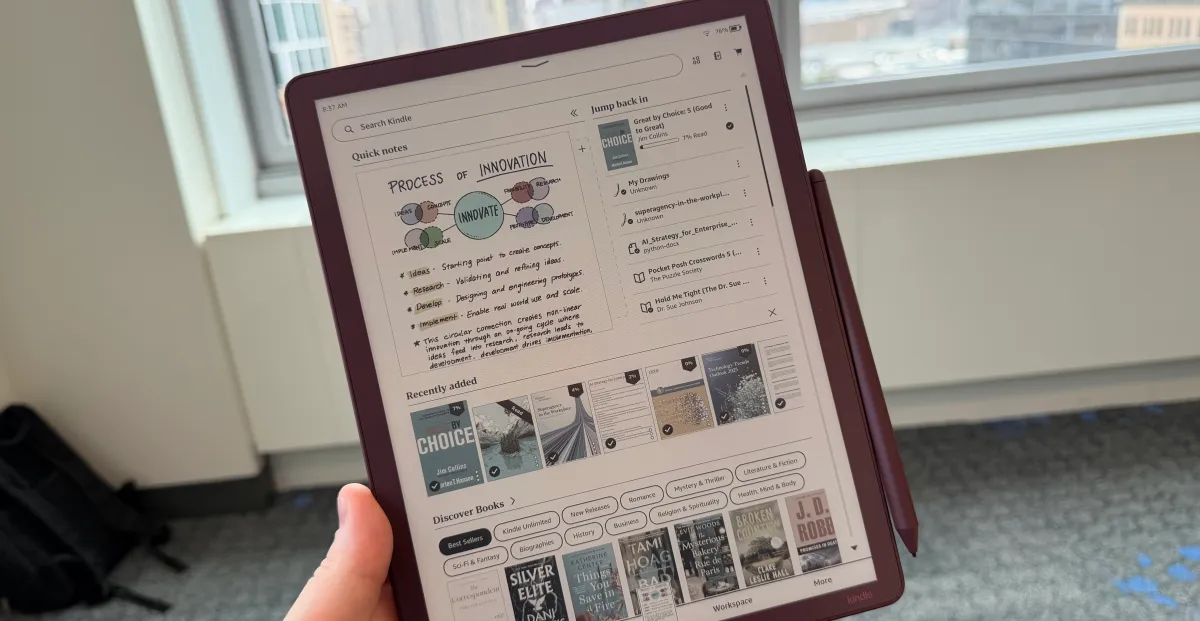
In a bold move that underscores its commitment to disrupting the evolving landscape of digital note-taking and e-ink devices, Amazon has announced the upcoming release of its highly anticipated Kindle Scribe updates, scheduled for December 10th. This product refresh signifies a strategic pivot from traditional e-readers toward sophisticated, versatile digital notepads that could reshape how millions of consumers engage with content, creativity, and productivity. Priced at $629.99 for the new Colorsoft model and $499.99 for the standard Scribe, these devices aim to challenge entrenched players like Apple and Microsoft, leveraging Amazon’s unparalleled logistics and ecosystem integration.

The new Kindle Scribe models feature impressive technological innovations that highlight Amazon’s dedication to delivering a seamless, intuitive user experience. With larger 11-inch screens and a profile that stuns at just 5.4mm thick—thinner than many smartphones—the updates redefine portability and usability. The screens utilize texture-molded glass to enhance the friction when writing, mimicking the natural feel of paper and elevating the digital note-taking paradigm. Moreover, the devices integrate a novel LED lighting system, employing miniaturized LEDs that promise enhanced brightness and uniformity—crucial features for maximizing usability across various lighting conditions. Pairing this technological rigor with a new magnetized pen allows users to snap the stylus securely, reflecting Amazon’s focus on the business implications of integrated hardware design and user loyalty.

This launch underscores Amazon’s aggressive strategy to disrupt traditional digital publishing and note-taking sectors. By combining hardware innovation with its vast cloud infrastructure, Amazon positions the Kindle Scribe as more than just an e-ink device—it’s a tool for digital transformation in education, business, and creative industries. The appearance of the Colorsoft variant with a full-color display demonstrates Amazon’s ambition to challenge the significance of existing e-ink tablets, which have historically been constrained by monochrome screens. Analysts from Gartner suggest that Amazon’s investments into these advanced features could accelerate the wider adoption of digital notebooks, pushing competitors to innovate or concede market share.

However, the company’s strategy reveals a calculated approach to phased market entry. The $429.99 Scribe model without frontlighting is still expected in 2026, allowing Amazon to refine its technology and pricing power over time. Industry experts, including MIT researchers, warn that this incremental rollout could set a new industry standard, compelling competitors to elevate their R&D investments dramatically. Notably, leading tech thinkers like Elon Musk have emphasized the importance of disruption through innovation, which Amazon is actively pursuing. As Amazon consolidates its position, the interplay of hardware design, user experience, and ecosystem integration will determine who leads the next wave of digital content disruption.

Looking ahead, this move signals a new chapter in the digital revolution—where the convergence of advanced display technology, AI, and seamless hardware-software integration could redefine productivity, creativity, and how knowledge is consumed globally. For stakeholders across the tech landscape, there is a palpable sense of urgency: to innovate, disrupt, and dominate in a market where the winners will shape not just their industries but the future of digital interaction itself. As the December launch approaches, industry watchers will be scrutinizing Amazon’s ability to turn this strategic gamble into a lasting legacy of technological leadership and market disruption.

Social Media Auto Publish Powered By : XYZScripts.com