Matox News

Truth Over Trends, always!

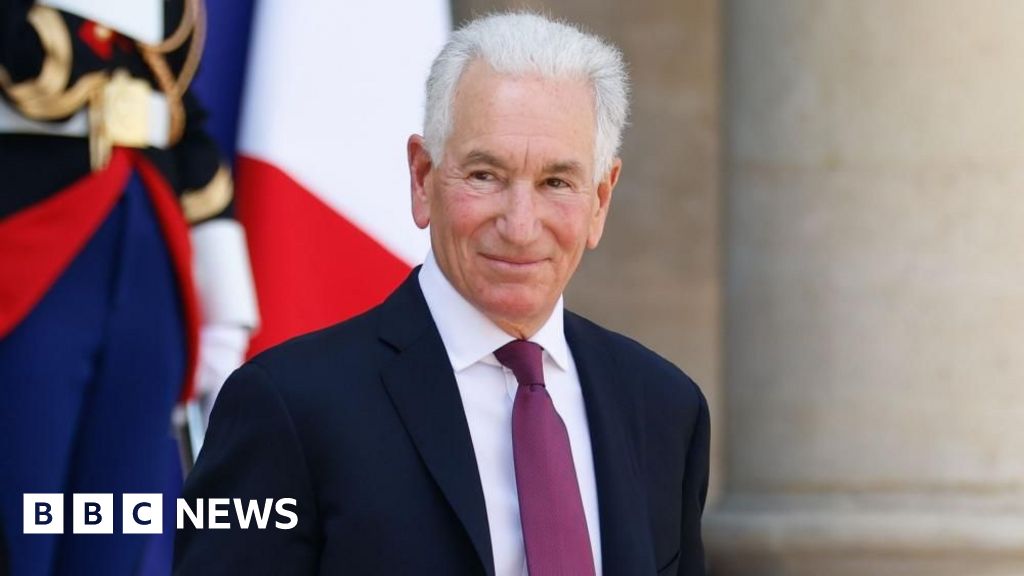
US Ambassador to France to meet Foreign Minister Following Diplomatic Tensions

In a development that subtly underscores the ongoing intricacies of international diplomacy, Charles Kushner recently engaged in a high-level discussion with the French foreign minister. The encounter followed a notable delay, as Kushner failed to respond to a formal summons issued earlier in the week, an omission that has not gone unnoticed by global observers. Such diplomatic lapses, while seemingly minor, can serve as catalysts for broader geopolitical ramifications, especially within the increasingly interconnected fabric of world affairs.

Analysts suggest that this meeting signals a complex shift within traditional diplomatic protocols, emphasizing how individual actors, especially those connected to major economic networks, influence national foreign policies. Historically, figures like Kushner—who has maintained prominent ties with influential political and financial circles—have become symbols of intertwined interests. Their actions often ripple beyond local borders, shaping perceptions among international partners. The failure to respond to diplomatic summons may appear trivial but carries potent implications—potentially undermining trust, sowing confusion, and raising questions about the stability of diplomatic communications amidst growing global tensions.

Furthermore, this incident arrives amid mounting concerns among international institutions and policy analysts about the shifting balance of power. While some interpret Kushner’s delayed response as personal negligence, others view it as symptomatic of broader power struggles and diplomatic uncertainties. The United Nations and regional alliances have repeatedly warned that such disjointed signals weaken collective security efforts. Historian Dr. Emily Harper notes that moments like these—often dismissed as routine—constitute real turning points, revealing how fragile the veneer of diplomatic consensus can be in times of rising global unrest. Decisions to ignore summons or bypass diplomatic norms exacerbate geopolitical fragilities, threatening to unleash unpredictable consequences.

As the world watches, the significance of Kushner’s interaction with France’s foreign minister encapsulates a broader narrative—one where individual actions reflect and influence the tides of history. The unfolding story of diplomatic chasms and alliances is far from static; it serves as a stark reminder that international stability hinges on adherence to established norms and the masters of diplomacy’ ability to navigate turbulent waters. With each decision, nations and societies stand at a crossroads, their future forged in the crucible of these high-stakes encounters. As history continues to write itself, the weight of the moment presses down—*a reminder that the currents of geopolitics are relentless, and no player is too minor to leave a lasting mark.*
France to summon US ambassador over comments on far-right activist's death
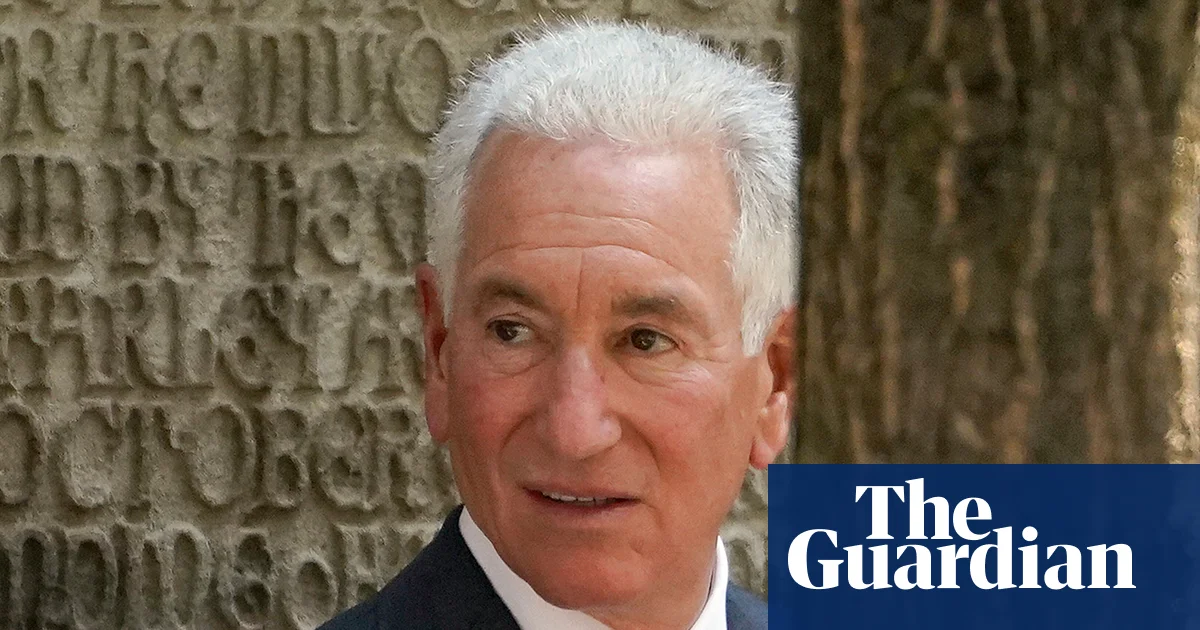
France to summon US ambassador over comments on far-right activist’s death

In a move indicative of escalating international diplomatic tensions, France is signaling a serious escalation with the United States following recent incendiary comments by U.S. ambassador Charles Kushner. French Foreign Minister Jean-Noël Barrot announced plans to summon Kushner over remarks concerning the brutal murder of Quentin Deranque, a prominent far-right activist. Deranque’s death in Lyon last week, during a violent confrontation with alleged hard-left militants, has ignited a firestorm of political and diplomatic reactions.

The incident, already fraught with ideological polarization, is being closely monitored by international bodies and analysts, who warn of the dangerous implications behind the rhetoric. Both the U.S. State Department’s Bureau of Counterterrorism and the American embassy in France issued statements on X—formerly Twitter—highlighting the perceived rise of violent radical leftism as a threat to public safety. These comments have fueled fears that evolving narratives could deepen the divide, exacerbating political polarization and social unrest across transatlantic relations. As historian Dr. Anne Richter notes, “Such inflammatory discourse not only worsens diplomatic strain but also emboldens ideological extremism.”

For Paris, this incident underscores a broader geopolitical landscape marked by mounting ideological conflicts and shifting alliances. The French government, historically rooted in preserving civic order amid rising populism, perceives the U.S. comments as interference—a dangerous precedent that could threaten sovereignty and domestic stability. Meanwhile, Washington’s emphasis on the threat of “radical leftism” appears to reflect a broader American political strategy, aimed at framing internal dissent as an external security concern. This international discourse aligns with the warnings by organizations such as the European Council and International Crisis Group, which warn that such rhetoric risks fueling ideological conflicts that transcend national borders, endangering democracy itself.

As nations grapple with the repercussions of inflammatory speech and rising violence, the case of Quentin Deranque serves as a stark reminder: decisions taken today will define the geopolitical landscape for generations to come. The unfolding crisis in France not only tests bilateral diplomacy but also questions the very fabric of societal cohesion in an era rife with ideological upheaval. The narrative remains unwritten, but history’s watchful eye tells us that the coming days will be pivotal—once again illustrating that in geopolitics, the line between dialogue and discord is often razor-thin.

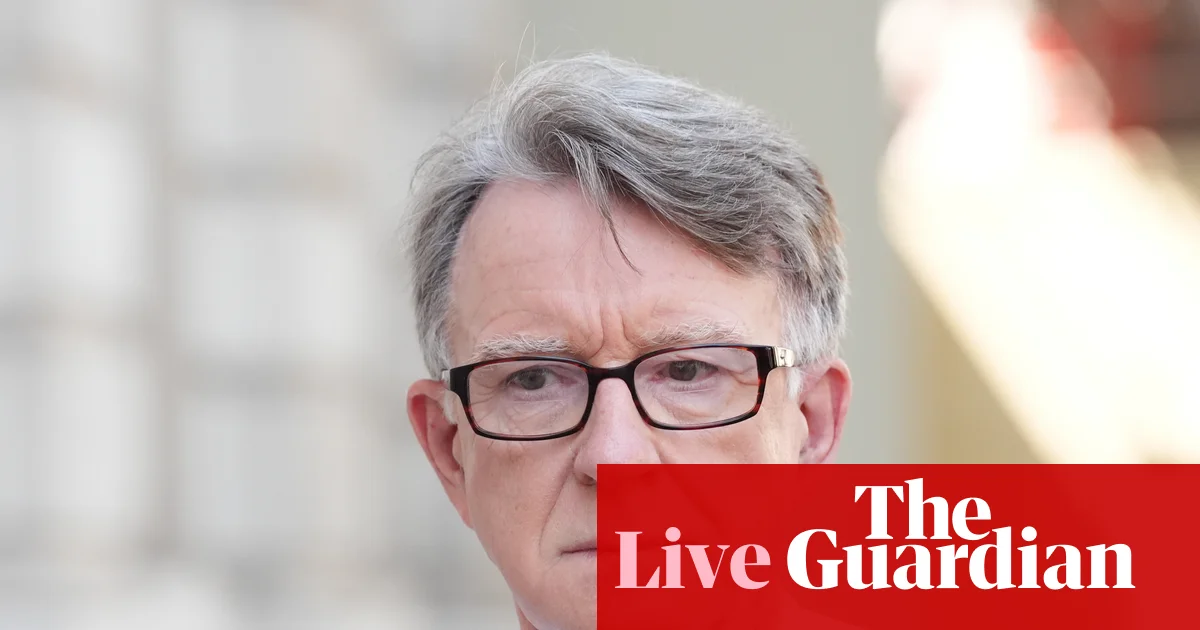
Foreign Office to probe Peter Mandelson’s controversial ambassador payoff – UK politics in focus

International Power Play and the Political Aftermath of Mandelson’s US Payoff

In a move that underscores how geopolitical decisions are increasingly intertwined with domestic controversies, the case of Peter Mandelson has taken center stage in British political discourse. Once a leading figure in UK politics, Mandelson’s recent fallout over a taxpayer-funded payoff—reportedly up to £55,000—after being sacked as ambassador to the United States has sent shockwaves through Westminster. The controversy hinges on his association with Jeffrey Epstein, the late accused child sex offender, raising serious questions about judgment and integrity within the ruling circles. This incident is not just a domestic scandal but a test case for how international relations and internal political stability are now dangerously linked in an era of shifting global alliances and transparency demands.

While the Foreign Office claims proper procedures were followed in Mandelson’s termination, the revelation of his sizeable payoff—whose details are still to be fully disclosed—poses a critical question of cost and morality for government transparency. Analysts warn that such payouts, especially in high-profile diplomatic posts, can undermine public trust and usher in a wave of political instability. The incident also casts a shadow over Keir Starmer’s leadership, as he struggles to navigate a political landscape riddled with ongoing scandals. The international community watches with keen interest, knowing that in the ripples of this controversy lie repercussions for alliances, trade negotiations, and diplomatic reputation.

Prominent voices—including Pat McFadden, the Work and Pensions Secretary,—have called for Mandelson to return or donate the payoff to charity, emphasizing the moral duty in these turbulent times. European and transatlantic analysts suggest that this domestic scandal comes at a concomitant moment of geopolitical realignment. With Rising Powers like China and Russia recalibrating influence, Western nations are under increasing pressure to demonstrate strength and integrity. The question remains: Will such incidents weaken Western diplomacy or serve as a catalyst for tougher scrutiny of government officials’ conduct in the age of international transparency?

Historians like Sir John Bew and geopolitical analysts argue that how Western democracies handle scandals of this nature will define their global standing for decades to come. The ongoing review by the Foreign Office, which aims to reassess Mandelson’s pay and conduct, signals an understanding that the failure to uphold standards can embolden competitors. In a world where public opinion is increasingly shaped by scandals and transparency, the weight of history presses down on leaders who must decide whether to embrace accountability or risk history’s verdict of corruption and ethical failure. As the case unfolds, the question remains: Will this be a moment of reflection and reform or a harbinger of more unrest as international affairs grow ever more complex and unforgiving?

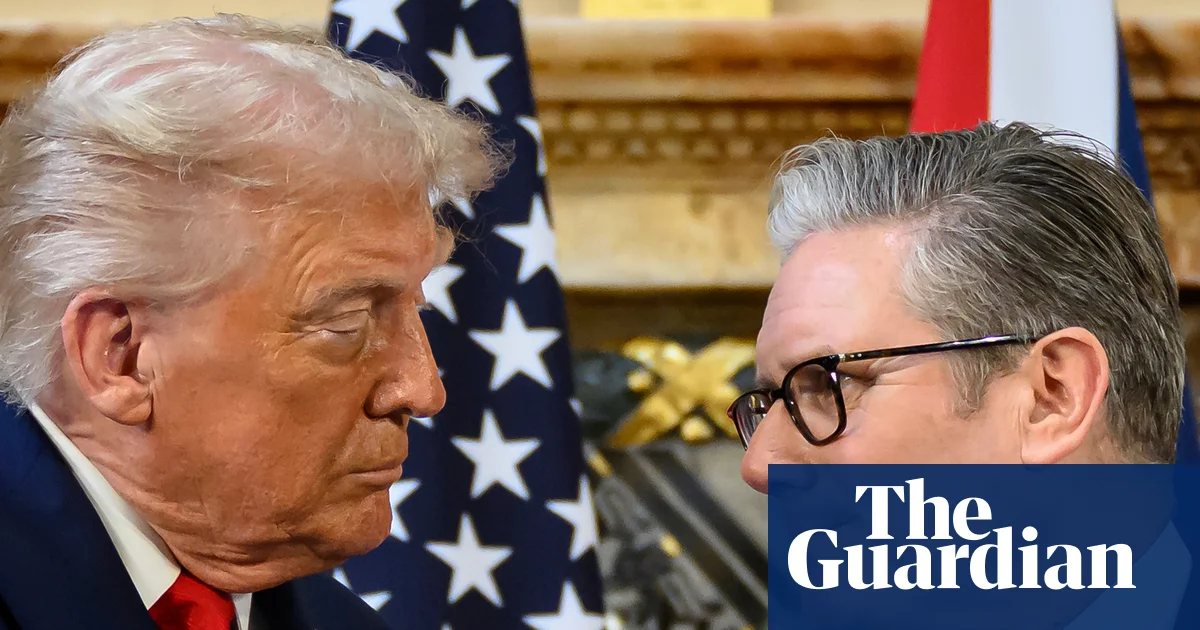
Starmer names new US ambassador as UK-US ties face Trump test

Keir Starmer’s Diplomatic Dilemma: Navigating US-UK Relations Amid Global Tensions

As Britain prepares to appoint a new ambassador to Washington, the decision bears significant implications for international alliances and geopolitical stability. Prime Minister Keir Starmer faces a delicate balancing act, selecting from a shortlist that includes figures with deeply entrenched ties to the Trump administration and diplomatic experience in Russia and the United Nations. This appointment arrives at a critical juncture in global politics, with rising tensions over Ukraine and shifts in America’s foreign policy demanding a skillful diplomatic response from London.

The shortlist features Varun Chandra, a former corporate intelligence executive who has negotiated key trade deals with the US, and Christian Turner and Nigel Casey, career diplomats with extensive experience in high-stakes international settings. While the Foreign Office favors appointing a seasoned career diplomat to mitigate political risk, Starmer’s inclination toward Chandra suggests a strategic move to bolster bilateral ties through economic diplomacy. However, the wider geopolitical impact remains complex: the US’s recent aggressive stance on Ukraine, including President Trump’s persistent demands for a peace deal by Christmas, underscores an administration eager to withdraw from European conflicts and redefine its global role.

US-Europe Relations Under Strain: The Shadow of Donald Trump’s Narrative

Relations between Europe and the US are strained, with Trump’s recent inflammatory rhetoric exacerbating divisions. During interviews this week, Trump lambasted European nations, warning that many may “not be viable countries any longer” unless they overhaul their border policies. This rhetoric, reinforced by senior British MPs criticizing the US national security strategy, which claims Europe faces “civilisational erasure,” signals a rupture in the transatlantic alliance. Such language risks empowering nationalist and patriotic parties across Europe, seeking to redefine national identities in the face of perceived external threats.

This predicament highlights a broader question: how can Britain and its allies navigate a shifting geopolitical landscape where American unilateralism erodes longstanding alliances? Analysts like Dr. Fiona Hopkins, a hawk on European security, argue that Trump’s increasingly disruptive approach, emphasizing “patriotic” European parties and border crackdowns, threatens the very fabric of continent-wide stability. Meanwhile, the US ambassador role, vacant since Peter Mandelson’s fall for undisclosed ties to Jeffrey Epstein, underscores the turbulence in maintaining diplomatic credibility amidst domestic scandals. The choice of ambassador, therefore, is as much about trustworthiness as it is about strategic alignment.

Uncertain Future: The Weight of History in a Tumultuous World

At this crossroads, Starmer’s decision will determine whether Britain can serve as a beacon of steady diplomacy or be swept into the chaos of conflicting global interests. The delicate act of managing US internal politics, European security concerns, and the ongoing crisis in Ukraine echoes the era-defining choices of history’s greatest diplomats. As the world watches with skepticism and trepidation, the choices made today will reverberate for generations—potentially redrawing the map of alliances, power, and influence in an unpredictable future. The pages of history are flipping, and with every turn, humanity balances on the edge of a new and uncertain chapter.”

Social Media Auto Publish Powered By : XYZScripts.com