Matox News

Truth Over Trends, always!

Google Pixel 10a: Smart Budget Choice for Young Tech Fans

Google Pixel 10a: A Mid-Range Smartphone That Disrupts Expectations

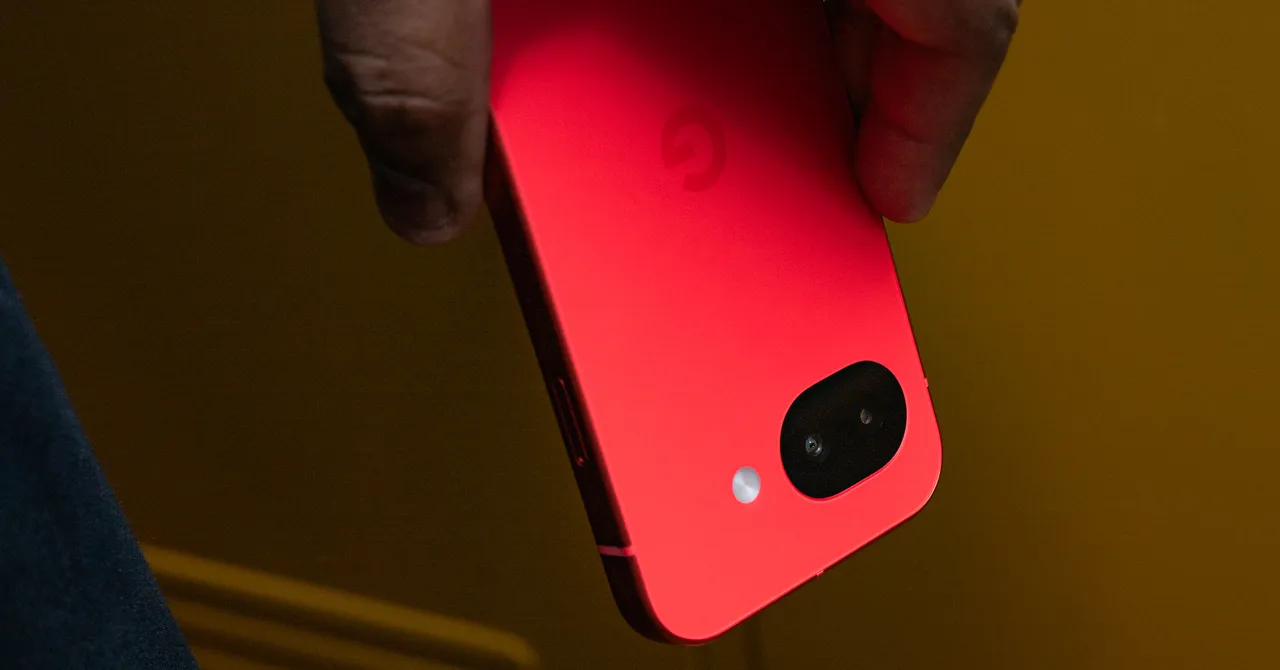
In the rapidly evolving world of mobile technology, Google continues to push boundaries with its latest release, the Pixel 10a. While the device features an incremental upgrade over its predecessor, notably housing the same Tensor G4 chipset paired with 8 GB of RAM, its significance lies in how it balances advanced features with affordability. Priced at approximately $599, the Pixel 10a succeeds in bridging the gap between premium smartphones and budget-friendly devices, challenging entrenched industry giants such as Apple and Samsung. As the smartphone market intensifies, this strategy underscores a broader trend—fostering innovation that disrupts traditional pricing models and democratizes access to cutting-edge technology.

One of the key areas where Google’s new model exemplifies disruption is in camera technology. The Pixel 10a maintains a dual-camera system with a 48-MP main sensor and 13-MP ultrawide lens, delivering photo quality that’s competitive with higher-end models. This capability, complemented by natural color reproduction and sharp details, signifies a shift towards delivering premium photo experiences on mid-range devices. Despite some minor white balance issues, the overall photographic performance positions Google as a formidable contender in mobile imaging—a market segment traditionally dominated by flagship models. Notably, industry analyst firms like Gartner have highlighted that the camera remains a critical differentiator in consumer purchasing decisions, thus making Google’s investments in this area a strategic move for market disruption.

Moreover, Google’s emphasis on smart software and AI-powered features signals a tilt towards value-driven innovation. Even with the same Tensor G4 chip, Google’s software enhancements facilitate seamless AI tasks, handling demanding applications with minor lag—an aspect that many competitors neglect in their mid-tier devices. Experts from MIT’s Media Lab emphasize that true innovation increasingly hinges on software capabilities, where AI ecological integration unlocks new possibilities for user engagement. Google’s approach, therefore, is not merely about hardware specifications but about creating an ecosystem that leverages AI as a core differentiator, an industry trend accelerated by Musk’s Neuralink and other AI giants pushing the envelope.

From a business perspective, Google’s strategy of offering a competitively priced device with high-value features represents a major challenge to the industry’s status quo. This industry shift signifies that consumers no longer need to pay flagship prices for innovative features, fundamentally altering market dynamics. The Pixel 10a’s success could prompt established leaders like Apple and Samsung to revisit their premium pricing strategies, chaotic with their flagship-only ecosystems. Additionally, Google’s focus on software and AI as key value drivers encourages other players to double down on AI-enhanced user experiences rather than just hardware upgrades.

Looking ahead, the smartphone industry stands at a pivotal juncture. The Pixel 10a exemplifies how disruptive innovation can redefine competitive landscapes—favoring agility, affordability, and ecosystem integration. As younger consumers become more discerning and demand more value, the industry must adapt rapidly or face obsolescence. With Google’s relentless push for smarter, more accessible technology, the future of mobile devices promises a landscape where innovation is not solely defined by hardware but by how seamlessly AI and software transform user experience—urging industry leaders and newcomers alike to keep a keen eye on emerging trends that could upend traditional business models. Ultimately, the message is clear: those who innovate intelligently and disrupt the market’s norm will shape the next era of technological dominance.
Top Samsung Phones of 2026: What Young Tech Fans Need to Know

Samsung’s Latest Innovations Signal a Disruption-Driven Future in Smartphone Ecosystems

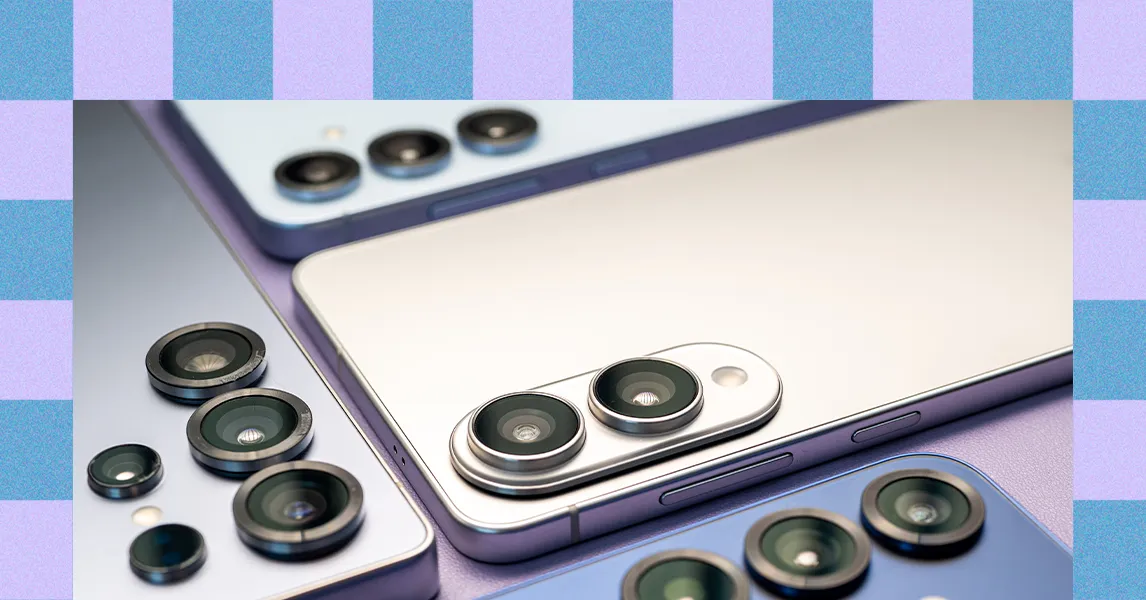
In an era where technological disruption reshapes consumer expectations and industry standards, Samsung continues to lead with groundbreaking innovations that push the boundaries of what smartphones can do. Their recent rollout of the Galaxy S25 series, featuring Galaxy AI with Gemini as the default voice assistant, exemplifies the integration of advanced artificial intelligence directly into user devices. This move signals a shift toward AI that operates seamlessly across multiple apps and real-time media inputs, effectively transforming smartphones into versatile, AI-powered command centers. Industry analysts from Gartner and MIT highlight this as a pivotal moment, emphasizing the increasing importance of on-device AI processing for privacy, speed, and reduced latency—elements crucial for youth and power users alike seeking disruption in everyday tech.

Furthermore, the advent of Galaxy AI’s Drawing Assist and real-time video capabilities underscores how Samsung is leveraging AI not just for productivity but for creative expression and immersive experiences. Experts suggest that this fusion of AI with hardware marks a new chapter, where smartphones evolve from communication tools into dynamic content creation platforms. The industry implications are profound: Samsung is positioning itself as a pioneer capable of challenging Apple’s longstanding dominance in integrated ecosystems—a strategic move that could recalibrate market power dynamics and user loyalty. The company’s ecosystem, including the Galaxy Watch8 and Galaxy Buds3 Pro, now further embedded with AI features, exemplifies a holistic approach. It is crafted to entice a younger demographic hungry for innovation, disrupting traditional boundaries and emphasizing hardware and software synergy as the new battleground for market supremacy.

Perhaps most disruptive are Samsung’s foldables, the Galaxy Z Fold6 and Flip6, which redefine the form factor landscape with near “normal” smartphone experiences on the exterior and expansive tablet-like screens when unfolded. According to industry insiders, including Elon Musk and Peter Thiel, foldables symbolize a paradigm shift toward flexible, multi-modal devices—an essential leap to stay ahead in the disruptive innovation race. While criticisms remain about battery life and performance—particularly in non-flagship models—these form factors exemplify disruption that could fundamentally alter device lifecycle and upgrade patterns. This innovation pushes hardware boundaries and challenges the industry to think beyond traditional screen sizes, creating fertile ground for business models that capitalize on versatility and user engagement.

Market implications extend further as Samsung’s ecosystem, now rivaling Apple’s in hardware integration, offers unprecedented opportunities for app developers and accessory manufacturers. With Samsung’s expanding AI capabilities and foldable hardware, the company enables a cohesive environment capable of supporting next-generation applications—be it real-time video, AI-assisted creativity, or seamless cross-device workflows. As Gartner’s latest forecasts suggest, disruption driven by AI and flexible form factors will be critical in shaping the next decade of mobile computing. Samsung’s move to integrate AI deeply within its hardware and software stack signals a clear intent to disrupt complacency and accelerate transformation—urging the entire industry to adapt swiftly or risk obsolescence.

Looking forward, urgent innovation and strategic disruption are vital for companies seeking to lead the next wave of technological evolution. Samsung’s aggressive push into AI, foldables, and interconnected ecosystems demonstrates that those who harness innovation with urgency will shape the future of mobile computing. For the younger generation driven by rapid, disruptive tech, the time to watch—and participate—is now. The coming years will be decisive, with Samsung reinforcing its position as a trailblazer prepared to challenge entrenched norms and redefine what is possible in the universe of consumer electronics.

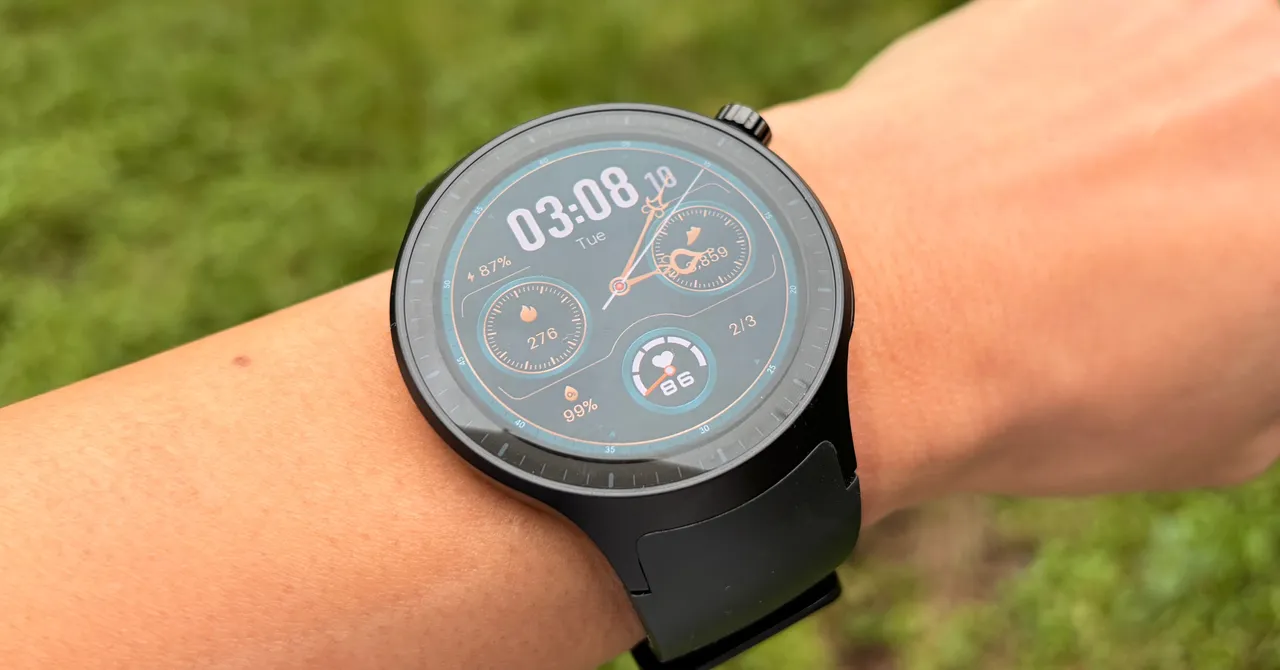
Moto Watch Review: The Power Moves of Polar-Inspired Tech

Motorola’s CMF Watch 3 Pro: A New Challenger in the Competitive Wearables Space

The wearable technology sector continues to demonstrate remarkable innovation, with industry giants and startups alike pushing the boundaries of what consumer electronics can achieve. Recently, Motorola entered this fiercely competitive landscape with its latest offering, the CMF Watch 3 Pro. Billed as an affordable, stylish, Android-compatible smartwatch, it aims to challenge established players like Apple, Samsung, and Garmin. According to early reviews from tech analysts, the device showcases the disruptive potential of hardware integration paired with modern software, although it still has some notable limitations that could influence its market penetration.

One of the core advantages of the CMF Watch 3 Pro lies in its strategic cost positioning combined with solid functionality. It features parameters such as sleep tracking, heart rate monitoring, and stress measurement, with initial comparisons indicating close accuracy to premium models like the Oura Ring 4. Analysts, including Gartner and MIT’s Media Lab, note that major players in the wearables market are increasingly focusing on data integration and seamless user experience to disrupt traditional fitness devices. Motorola’s choice to incorporate a well-designed, yet affordable product underscores this trend—offering consumers a “good enough” device that does not compromise essential features, yet is accessible.

However, despite its innovative intent, the device’s hardware limitations could hinder its disruptive prospects. Especially glaring is the onboard GPS functionality. The device’s slow satellite connection and inconsistent performance outside diminish its appeal as a true fitness companion—particularly when reliable location tracking is a key market differentiator. The device’s processor, deliberately undisclosed by Motorola, appears to struggle with rapid satellite acquisition, a flaw that consumer reviews describe as frustrating, impacting the overall user experience. Such hardware inefficiencies—common in lower-tier wearables—highlight a critical business challenge: balancing cost constraints with performance demands in an industry that is rapidly evolving toward precision.

The experience of review analysts further underscores this disruptive tension. Despite the device’s attractive design and promising feature set, issues like overly sensitive screens and accidental activations threaten user satisfaction. This emphasizes an overarching industry trend: hardware refinement is crucial for establishing market dominance amidst fierce competition. Companies like Apple and Samsung continually push advancements in sensor sensitivity and UI design, setting high standards for emerging competitors. Motorola’s potential in this space hinges on addressing these hardware issues swiftly and innovating beyond mere feature inclusion—further reinforcing that disruption requires not only price competitiveness but also technological excellence.

Looking ahead, the wearables industry is poised for a significant shift driven by the convergence of AI, sensor technology, and 5G connectivity. Industry experts like Peter Thiel have predicted that next-generation devices will serve as the nexus of lifestyle, health, and AI-powered analytics, transforming how consumers interact with their personal data. Motorola’s move into this space signals the beginning of a new wave of disruptive innovation, where smaller players can challenge dominant incumbents by leveraging cost-effective yet capable hardware and sophisticated software integration. The market’s future will depend on how effectively manufacturers can resolve hardware shortcomings and harness emerging technologies to offer compelling, breakthrough features—turning these devices into indispensable health and productivity tools.

Stakeholders across the tech ecosystem must remain vigilant, as the race to dominate this space intensifies. With major innovations around the corner, it’s clear that the current state of wearable technology is just the beginning. With upcoming advancements in AI, sensor innovation, and connectivity, the industry is on the cusp of a transformation—where disruption will be measured not just in features, but in the quality and reliability of the user experience itself. For companies willing to innovate and iterate rapidly, the opportunity to redefine health, fitness, and lifestyle tracking has never been greater—and time is of the essence for stakeholders eager to secure market leadership in this fast-evolving technological frontier.

Top Budget Phones for 2025: Affordable Wins for Savvy Youths

Tech Innovation and Industry Disruption: The Future of Smartphones

In an era where disruption and innovative technologies are rewriting the mobile landscape, industry leaders are racing to deliver smarter, faster, and more durable devices. TCL recently unveiled their 60 XE Nxtpaper 5G—a device that integrates new e-paper technology with 5G connectivity, reflecting a strategic push towards hybrid displays that emphasize power efficiency and extended battery life. Such innovations are reshaping consumer expectations, creating a paradigm shift where smartphones are not just communication tools but also sustainable, versatile devices that challenge the traditional high-end market.

Meanwhile, major brands like Motorola are introducing budget-friendly yet disruptive models such as the Moto G Power 2025 and the upcoming Moto G Play 2026. The latter boasts 5G, but critics argue its sluggish performance underscores a broader industry challenge—delivering affordable devices without sacrificing speed or features. Market analysts from Gartner warn that ongoing performance bottlenecks threaten to undermine consumer confidence in entry-level smartphones, a segment once characterized by volatile quality. Nonetheless, these models serve as a vital battleground for industry players seeking to penetrate emerging markets and build brand loyalty among younger consumers demanding both connectivity and value.

Furthermore, innovation isn’t confined to premium segments. Minimalist philosophy is gaining ground with devices like the Minimal Phone. With an e-paper display and physical keyboard, it signals a shift towards digital minimalism. Despite its limitations—such as low refresh rates and monochrome screens—it’s a clear indication that the industry is addressing mental health concerns associated with prolonged smartphone use. However, critics warn that such devices might create a new niche—appealing to a niche demographic rather than mainstream consumers who demand performance and multimedia capabilities.

Implications for Industry and Market Dynamics

The push toward disruption is also evident in the growing prevalence of budget smartphones from reputable brands. Devices like the Samsung Galaxy A16 show that even budget models are struggling against sluggish performance, which can cause consumer attrition. Yet, brands like NUU are offering Nuu N20 at near-$130 price points, delivering more manageable performance and manageable software updates. Such models challenge the narrative that premium experience is only for high-end users, hinting that value-driven innovation is reshaping market boundaries.

Critical to this evolution are trends highlighted by industry analysts like Peter Thiel and institutions like MIT. They emphasize that software updates, security patches, and user privacy will increasingly determine brand loyalty. As manufacturers innovate with ruggedized devices such as Sonim XP Pro 5G, designed specifically for durability and enterprise use, the industry underscores an increasing role of specialized hardware in enterprise markets—disrupting traditional consumer-centric models.

Future Outlook: Seize the Moment or Fall Behind

The trajectory is clear: Innovation and disruption are not optional but necessary for survival in the fast-evolving landscape of mobile technology. As Elon Musk advocates for AI-powered devices and Peter Thiel warns about complacency, industry stakeholders must recognize that the next wave of future-proof technology requires bold, strategic investments now. The opportunity to shape the next decade hangs in the balance—those who innovate boldly today will dominate tomorrow’s market. Alternatively, complacency or reliance on outdated paradigms will lead to obsolescence in an industry that rewards disruption and innovation alike.

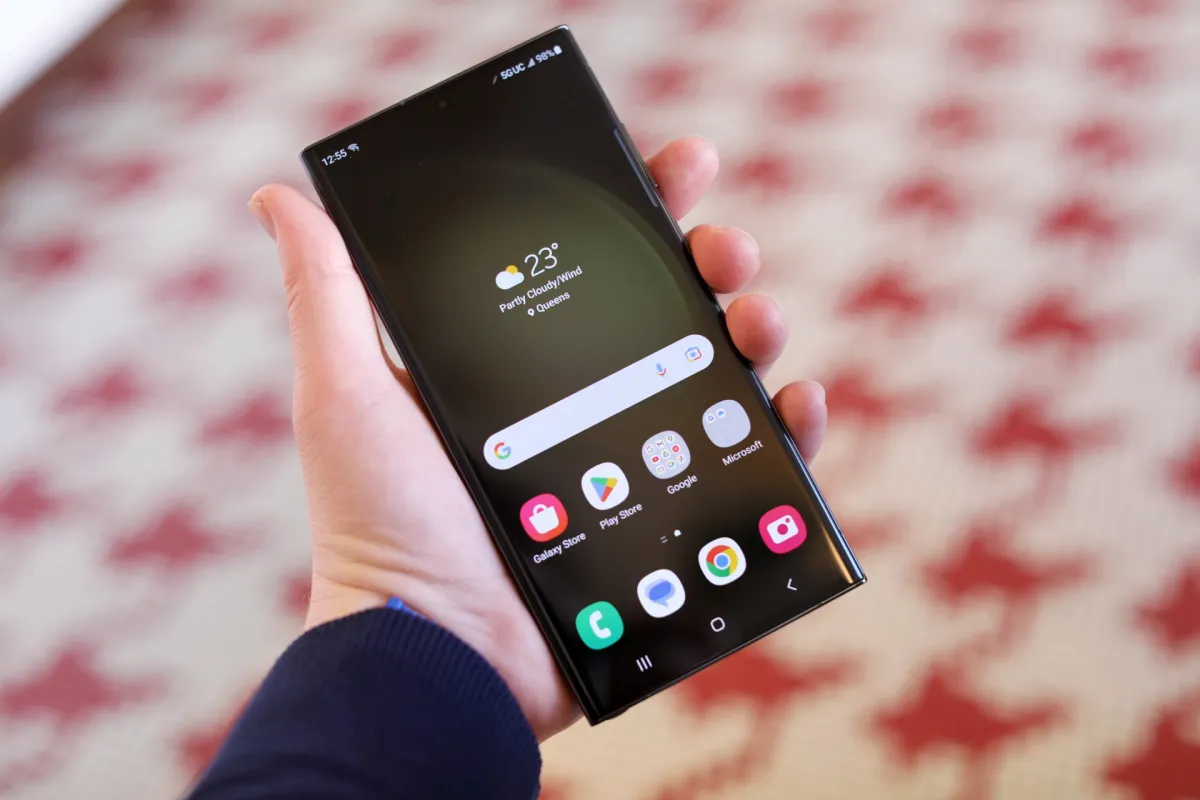
‘Landfall’ spyware exploits zero-day to target Samsung Galaxy devices

Emerging Threats in Mobile Security: The Landfall Android Spyware Disrupts Samsung Galaxy Ecosystem

In a significant development that underscores the vulnerabilities inherent in mobile hardware manufacturing and software ecosystems, security researchers at Palo Alto Networks’ Unit 42 have uncovered a sophisticated Android spyware named Landfall. This spyware, which targeted Samsung Galaxy phones in an extensive, nearly year-long hacking campaign, highlights the rapid pace of cyber-attack innovation and the critical importance of proactive security measures in the tech industry. The discovery points to the ongoing disruption within the mobile security landscape, with potential implications for global markets and enterprise security frameworks.

The Landfall spyware operated by exploiting a previously unknown security flaw in Samsung’s Android software—classified as a zero-day vulnerability—identified as CVE-2025-21042. Zero-day exploits are notorious for their ability to bypass traditional defenses because they leverage vulnerabilities that even the manufacturer is unaware of until they are actively exploited. The fact that Samsung did not have prior knowledge of the flaw until this threat emerged raises questions about the robustness of its security architecture, especially in an era where rapid patching is critical for maintaining consumer trust and product integrity. Although Samsung issued a patch in April 2025, the damage caused during the window of exposure exemplifies the risks associated with complex software supply chains and the need for advanced detection strategies.

What makes Landfall particularly disruptive is its geopolitical footprint, with infection samples uploaded from regions including Morocco, Iran, Iraq, and Turkey, which underscores the escalating nexus between cyber espionage and global geo-politics. The Turkish national cyber readiness team, USOM, identified suspicious activity stemming from associated IP addresses, suggesting targeted operations against specific populations or organizations. Moreover, the spyware’s code revealed targets within the Galaxy S22, S23, S24, and Z model series, spanning Android versions 13 through 15—indicative of an expansive vulnerability that affects a broad range of flagship devices. This targeted disruption signals a new wave of cyber actors leveraging zero-day flaws not just for espionage but potentially for more malicious intents such as data exfiltration or sabotage.

From a broader business and industry perspective, this incident underscores the urgent need for hardware manufacturers, software developers, and cybersecurity firms to innovate faster and implement disruptive security paradigms. Industry experts, including Gartner analysts and MIT cybersecurity scholars, stress that the traditional reactive approach to security vulnerabilities is no longer sufficient in a landscape dominated by sophisticated threat actors. This incident exemplifies a fundamental industry’s shift towards proactive, AI-driven, and disruption-ready cybersecurity solutions. Tech companies must integrate continuous monitoring, automated patching, and resilient architecture designs to disrupt emerging threats before they can exploit vulnerabilities at scale.

As global markets and consumers become increasingly dependent on mobile technology for critical operations, the security of devices like Samsung’s Galaxy series transforms from a technical detail into a strategic imperative. The Landfall espionage campaign offers a compelling warning: in an environment of relentless technological disruption, those who fail to innovate risk being left behind in the dust of cyber adversaries outpacing traditional defenses. Moving forward, industry leaders must prioritize revolutionary security strategies to safeguard their innovation pipelines and preserve user trust—because the future belongs to those who act with urgency and foresight in the face of an evolving cyber threat landscape.

Top Deals: Motorola Razr Ultra & Marshall Emberton II Lead the Pack this Week

2025: A Year of Breakthroughs and Industry Shifts in Technology

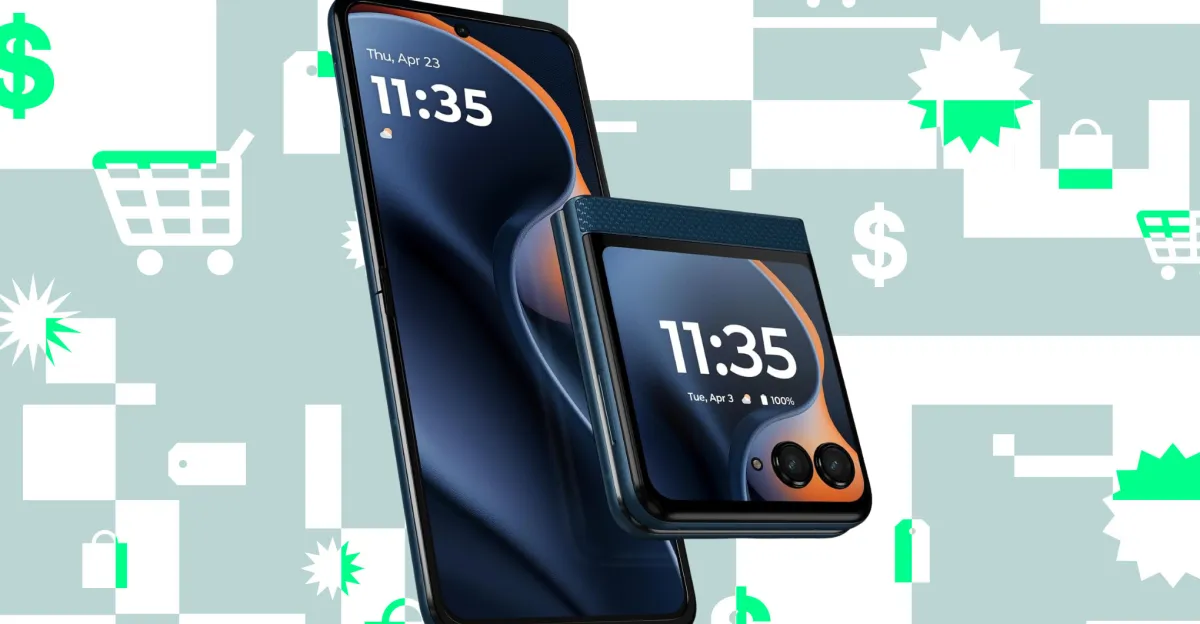
As the technological landscape accelerates into 2025, industry leaders are witnessing unprecedented waves of innovation and disruption that are fundamentally reshaping consumer markets and enterprise sectors alike. Notably, the launch of the Motorola Razr Ultra signals a renewed focus on foldable devices, integrating cutting-edge hardware with an ultra-stylish aesthetic that appeals to a youthful, style-conscious demographic. With its dual-display setup featuring a 7-inch inner screen and a 4-inch outer panel, powered by the Snapdragon 8 Elite chipset, this device exemplifies the convergence of form and function, setting a new benchmark for mobile tech that prioritizes both innovation and user experience.

The business implications of such innovations extend well beyond aesthetics; they signal a pivotal shift in how device developers incorporate AI and versatile hardware to meet the demands of next-generation consumers. The addition of a dedicated AI button for live transcriptions and notification summaries illustrates a move towards more intuitive, context-aware devices—an evolution driven by industry visionaries like Elon Musk and analysts from Gartner. Meanwhile, accessories are following suit. The Marshall Emberton II portable speaker, now more affordable at Best Buy and Amazon, showcases how iconic brands are pivoting towards rugged, outdoor-friendly designs with multi-directional stereo sound, enhancing brand relevance and consumer engagement in competitive markets.

The rapid growth of integrated peripheral solutions underscores a broader trend: hardware ecosystems are becoming more interconnected and powerful. The Ugreen 8-in-1 dock exemplifies this, bringing a wealth of connectivity—including four Thunderbolt 4 ports, gigabit Ethernet, and multiple USB-A ports—centered around an efficient 140W GaN charger. Such innovations streamline workflows, allowing professionals and power users to operate seamlessly across multiple high-resolution displays, high-speed data transfers, and legacy accessories. This level of hardware integration paves the way for more flexible, portable, and powerful computing setups, which are indispensable as remote work becomes entrenched within corporate strategies.

Looking ahead, these technological advancements demonstrate an industry eager to disrupt traditional paradigms by weaving together hardware excellence, AI sophistication, and consumer-centric design. Industry observers like Peter Thiel have long predicted that the most impactful companies will be those that leverage disruptive innovations to redefine user expectations. The combination of rugged, stylish devices like the Motorola Razr Ultra, smart accessories like the Emberton II, and comprehensive connectivity hubs suggests that 2025 may be the year where breakthrough fundamentals set the stage for a more integrated, AI-powered, and consumer-first digital ecosystem. A sense of urgency surrounds these shifts: the companies that embrace this future faster will dominate an increasingly competitive landscape driven by innovation, disruption, and relentless pursuit of future-ready tech. As the industry propels itself forward, it remains clear—those who hesitate risk falling behind in the race for technological supremacy.

Social Media Auto Publish Powered By : XYZScripts.com